Hirfanlı Dam
A dam built on the Kızılırmak River for electricity generation and irrigation.
View on map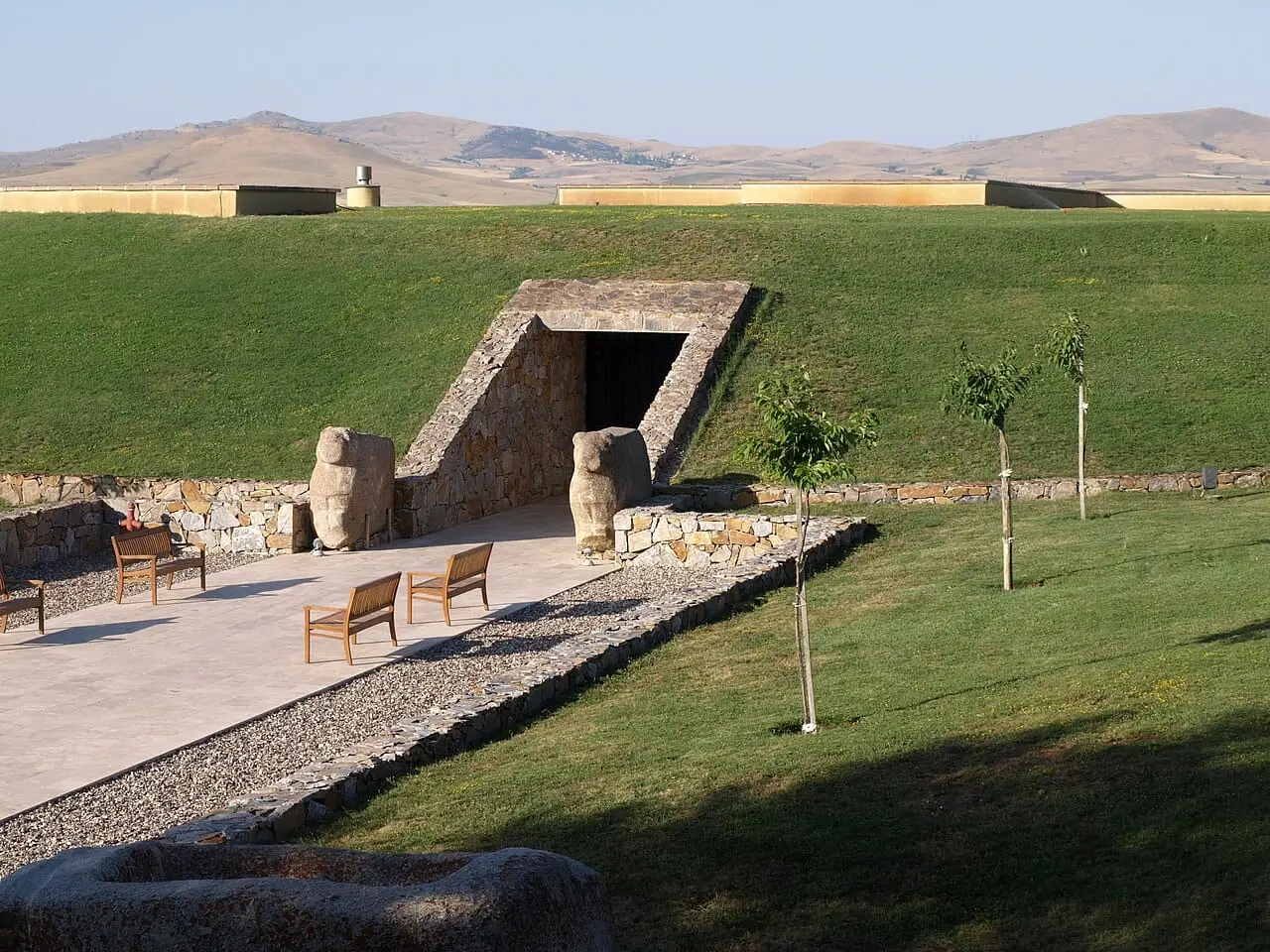 Photo: Hajo-Muc (CC BY-SA 3.0) · Source
 7 places to visit in the Kaman district of Kırşehir: Hirfanlı Dam, Kaman-Kalehöyük Archaeology Museum and Kaman-Kalehöyük Mound. Plan your trip to Kaman with local food, practical tips and transport information.
Kaman is a district of Kırşehir province. The average elevation of the Kaman district centre above sea level is 1,128 metres. Kaman became a district in 1944.
Archaeological excavations show that Kaman and its surroundings were settled as far back as around 3000 BC. Hittites settled the Kaman region around 3000 BC. The name Kaman comes from “CHNAMANE”, a name given to the area by people arriving in Roman and Byzantine times, which the Turks later adopted.
Located north-west of Kırşehir, the district’s land is rugged and forms high plateaus. The largest river in the district is the Kızılırmak.
The district’s economy rests on weaving, farming and livestock. Kaman walnut holds an important place in the district’s economy. Kaman is known as an important centre of trade and carpet-making in Kırşehir.
Kaman and its surroundings are a settlement area dating back to around 3000 BC. Historic works in the district include the Ömerhacılı Castle ruins and Temirli Church.
Excavations carried out with Japan have continued since 1986 at Kalehöyük, 8 km from Kaman. On 26 December 1919, Mustafa Kemal Paşa’s delegation was seen off from Kaman to Ankara in rainy and muddy conditions.
Last updated:
A dam built on the Kızılırmak River for electricity generation and irrigation.
View on mapA museum established by the Japanese Anatolian Research Institute, exhibiting finds from the Kaman-Kalehöyük excavations. Remains of seven civilisations, from the Hittite, Phrygian, Roman and Ottoman periods, are held here. The oldest steel sample in the world was discovered here.
View on map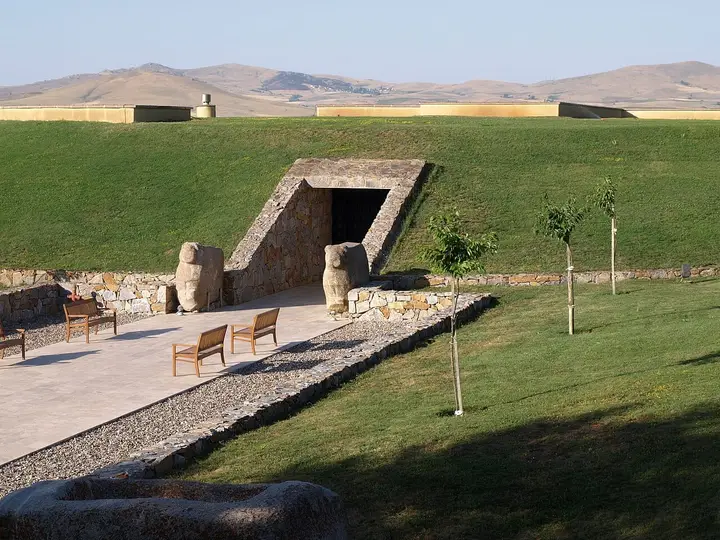 Photo: Hajo-Muc (CC BY-SA 3.0) · Source
 A multi-layered archaeological site 100 km south-east of Ankara and 6 km from Kaman district centre, showing uninterrupted traces of settlement from the Bronze Age to the Ottoman period. It has been excavated by Japanese archaeologists since 1986.
View on mapA Japanese garden beside the Kaman-Kalehöyük Archaeology Museum, laid out as a symbol of Turkish-Japanese friendship. Designed in traditional Japanese garden style, it is a popular spot for photography.
View on mapA thermal spring near the district, known for its healing waters, which are believed to help rheumatism and skin conditions. The spa facilities serve visitors.
View on mapA memorial garden opened in 1993, described as the largest Japanese garden outside Japan.
View on mapThe reservoir of the dam, used for electricity generation and irrigation.
View on mapWhile you are in Kaman, you can also see the highlights of Kırşehir province. These places are in other districts; Kaman is about 48 km from the provincial centre.
Baklava, walnut sucuk and walnut lokum made with Kaman's famous walnuts, the best-known desserts in the district.
Keşkek made by boiling and pounding cracked wheat with meat for a long time, the traditional dish of wedding and Bayram feasts. Indispensable at wedding feasts, it is prepared in a spirit of community.
Tarhana made by drying yoghurt, tomato and wheat flour, an indispensable winter soup in Kaman.
The walnut, an important part of the district's economy, which is known by the district's name.
Excavations at Kaman-Kalehöyük have been carried out since 1986 by the Japanese Anatolian Research Institute. This long-running archaeological partnership has made Kaman an important centre of Turkish-Japanese cultural relations.
The Kaman Walnut Festival, held every autumn, is full of events celebrating the walnut harvest. Walnut competitions, food festivals and cultural shows are held during the festival.
Kaman's economy rests on farming and livestock. Walnut production is the district's most important source of income, and Kaman walnut is a geographically indicated product. Wheat, barley and sugar beet are other important crops. The district has potential for thermal tourism.
Kaman is 48 km from Kırşehir city centre and 137 km from Ankara. The Ankara–Kırşehir road passes through the district. Intercity bus services run regularly.
Top 7 sights in Kaman: Hirfanlı Dam, Kaman-Kalehöyük Archaeology Museum, Kaman-Kalehöyük Mound, Japanese Garden, Kaman Cevizli Hot Springs, Japanese Garden (Mikasanomiya Memorial Garden) and Hirfanlı Dam Lake.
Kaman Cevizi Tatlıları, Keşkek, Tarhana Çorbası and Kaman Cevizi are the standout flavours on Kaman's tables.
Kaman is known for Kaman Besmeç and Turkish-Japanese Cultural Cooperation. Kaman Besmeç is registered with TÜRKPATENT as a protected geographical indication product.
Kaman is 48 km from Kırşehir city centre and 137 km from Ankara. The Ankara–Kırşehir road passes through the district. Intercity bus services run regularly.
Suggested visit length: 1 day. Best time to visit: spring and autumn months (April–May, September–October).