Kırşehir is the city of Ahi Evran, founder of the Ahi (Ahilik) guild organisation, and of Âşık Paşa, the poet of the Garipnâme, and the homeland of bozlak and Neşet Ertaş. The province's highlights are the Cacabey Madrasa, built in 1272 and also used as an observatory, Kaman Kalehöyük and its museum, excavated by Japanese archaeologists since 1986, Lake Seyfe, where flamingos stop over, Hirfanlı Dam on the Kızılırmak, and the Terme hot springs.

Share with friends

Last updated:

Places to Visit in Kırşehir

8 places worth seeing in Kırşehir, from historic monuments to natural wonders, grouped by type. Open any of them on the map with a single click.

  • 2 Historic
  • 1 Ancient City
  • 1 Religious
  • 3 Nature
  • 1 Attraction

Historic Sites 2

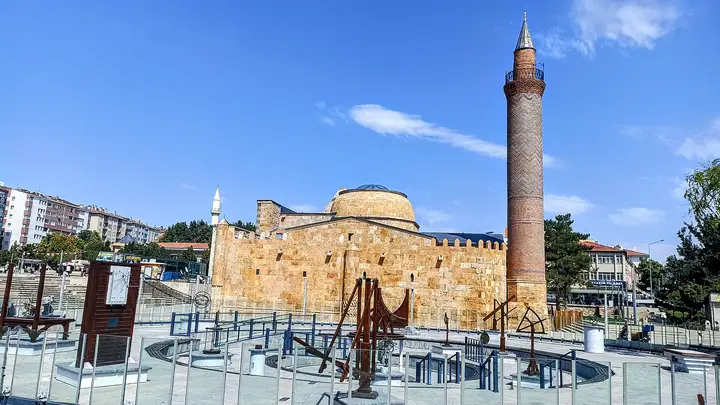
Cacabey Madrasa Photo: Kharkil (CC BY-SA 4.0) · Source
Historic

Cacabey Madrasa

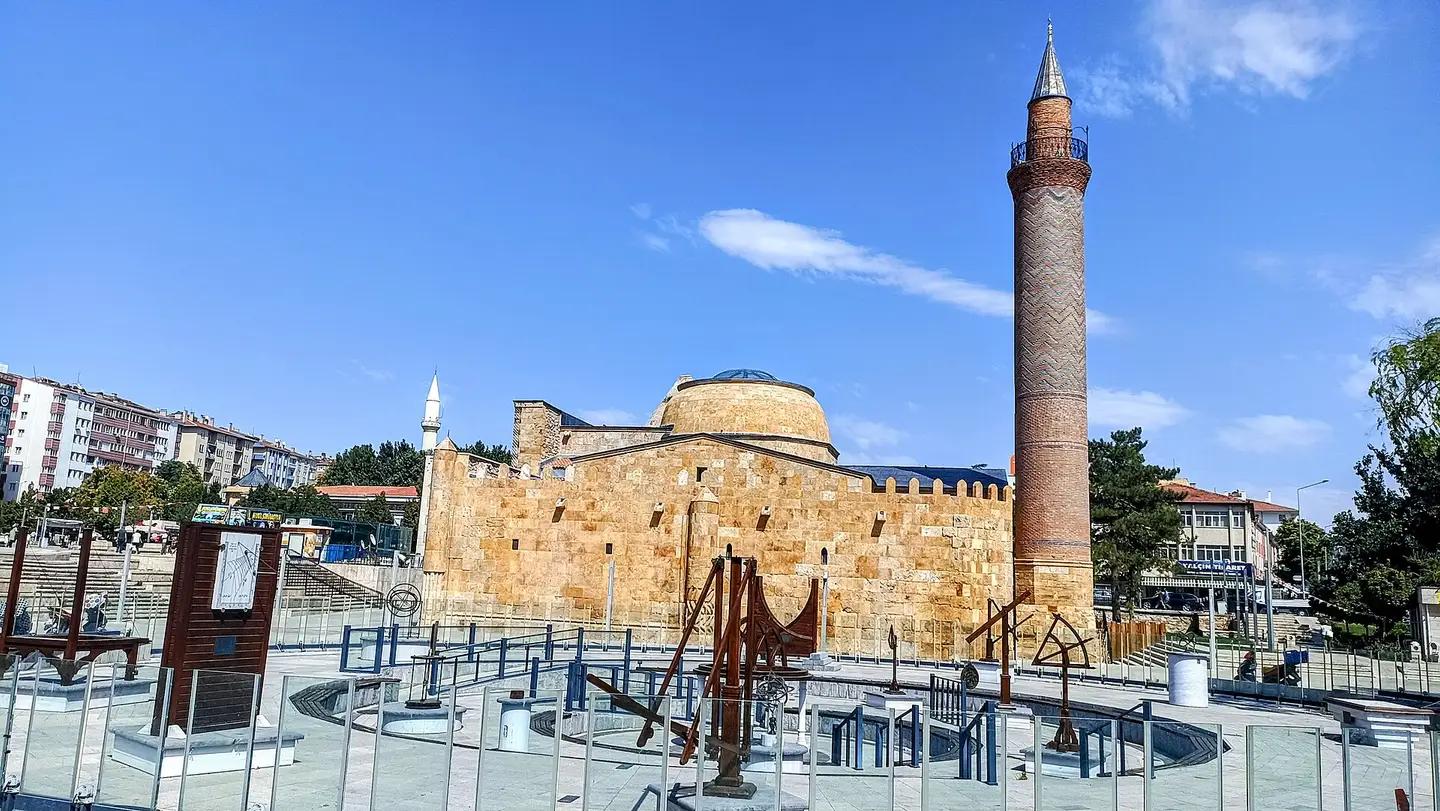
A Seljuk madrasa built in 1272 by Nureddin Cibril bin Cacabey, governor of Kırşehir; it was also used as an observatory where astronomy was taught. With its minaret decorated in tile and brick, it was added to the UNESCO World Heritage Tentative List in 2014.

View on map
Historic

Âşık Paşa Tomb

The tomb of Âşık Paşa, the 14th-century poet and mystic born in Kırşehir; the author of the Garipnâme, he is one of the first great poets of Anatolian Turkish.

View on map

Ancient Cities 1

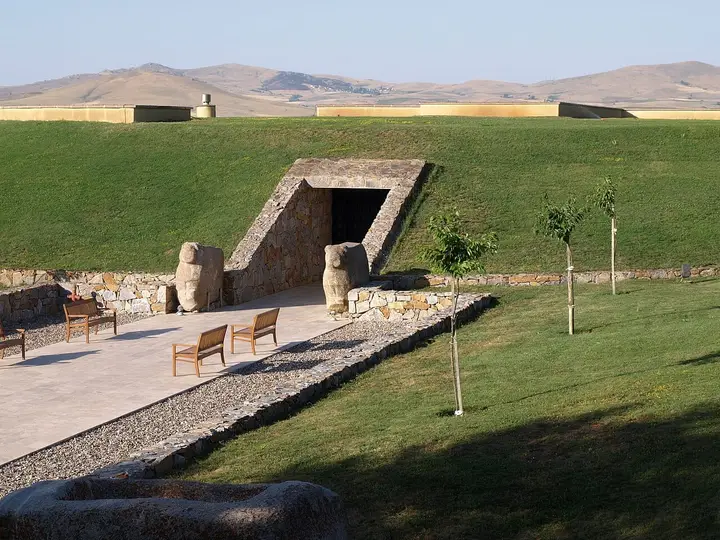
Kaman Kalehöyük Photo: Hajo-Muc (CC BY-SA 3.0) · Source
Ancient City

Kaman Kalehöyük

A mound 3 km east of Kaman, 280 metres across and 16 metres high, excavated since 1986 by the Japanese Institute of Anatolian Archaeology. The neighbouring Kaman Kalehöyük Archaeology Museum and the Japanese garden are symbols of Turkish–Japanese friendship.

View on map

Religious Buildings 1

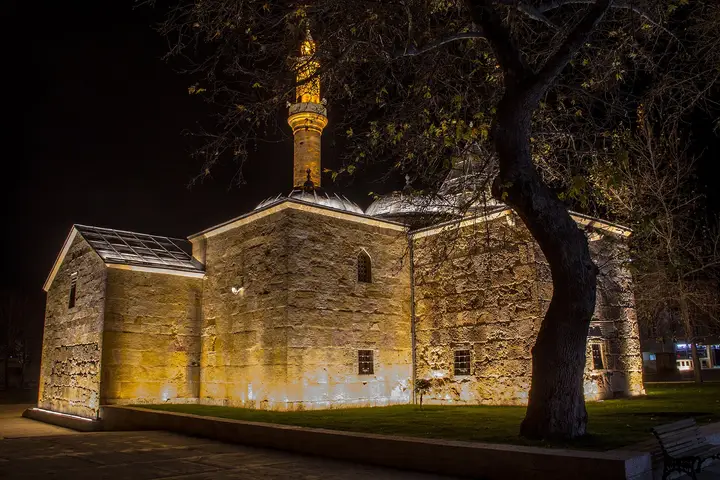
Ahi Evran Mosque Photo: Tevfik Teker (CC BY 3.0) · Source
Religious

Ahi Evran Complex

The tomb and mosque of Ahi Evran (1171–1261), founder of the Ahi guild organisation; as the spiritual centre of the Ahi tradition, it hosts commemorative events during Ahi Week every year.

View on map

Natural Wonders 3

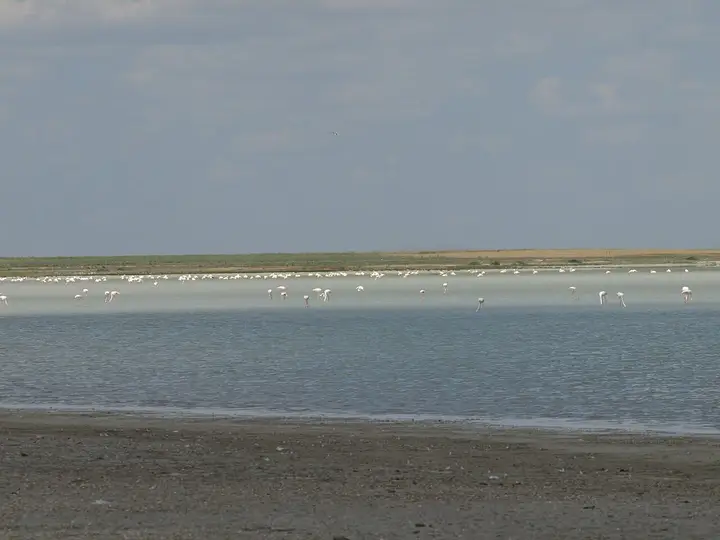
Lake Seyfe Photo: Hajo-Muc (CC BY-SA 3.0) · Source
Nature

Lake Seyfe Bird Sanctuary

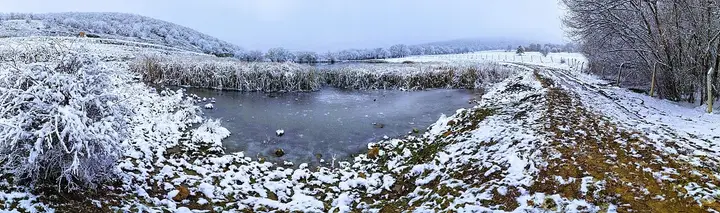
A shallow, salty tectonic lake of about 15 km², 35 km east of Kırşehir; it is an important wetland where flamingos and many migratory bird species stop over.

View on map
Hirfanlı Dam Photo: Hajo-Muc (CC BY-SA 3.0) · Source
Nature

Hirfanlı Dam

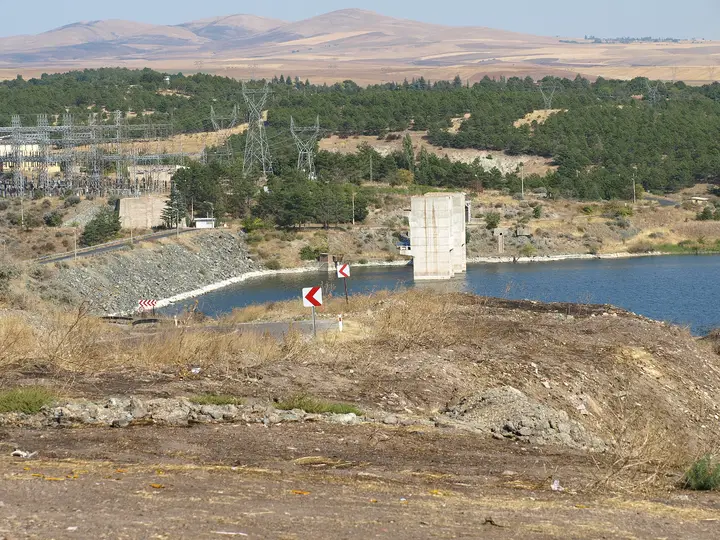
Built on the Kızılırmak between 1953 and 1959, with a lake of about 263 km², it is one of the large dam lakes of Türkiye; people picnic and fish around it.

View on map
Fields at Akçakent Photo: Tevfik Teker (CC BY-SA 4.0) · Source
Nature

Akçakent Plateau

A highland in Akçakent, in the north of the province, offering a steppe landscape of broad pastures and farmland.

View on map

Attractions 1

Attraction

Terme and Karakurt Hot Springs

Hot-water springs near the city centre, in use since the Roman period; they are visited in the belief that they are good for rheumatism and skin complaints.

View on map

Getting to Know Kırşehir

Kırşehir lies in the middle of Central Anatolia, on the steppe plateau north of the Kızılırmak. The region’s history goes back a very long way: excavations carried out by Japanese archaeologists since 1986 at Kalehöyük in the district of Kaman have revealed an unbroken sequence of settlement from the Early Bronze Age to the Ottoman period. In antiquity the city was known as Makissos or Mokissos.

Kırşehir’s golden age was the Seljuk period. Ahi Evran, founder of the Ahi (Ahilik) organisation, which in the 13th century organised tradesmen and craftsmen around solidarity and professional ethics, spent the last years of his life here and was buried here. The Cacabey Madrasa, built in 1272 by Cacabey, governor of Kırşehir, was also used as an observatory where astronomy was taught, and in 2014 it was added to the UNESCO World Heritage Tentative List together with other Seljuk madrasas. The Garipnâme of Âşık Paşa, who was born in the city, is one of the first great works of Anatolian Turkish.

Kırşehir is also the homeland of bozlak, the long, free-rhythm songs of the steppe: the masters of the Abdal tradition, Muharrem Ertaş and his son Neşet Ertaş, grew up on this land. Every year the city holds Ahi Week and commemorative events for Neşet Ertaş.

When to Go

Kırşehir has a continental climate: winters are cold and snowy, summers hot and dry. Averages for 1930–2025 from the Turkish State Meteorological Service:

Month Avg. high Avg. low Rainfall Rainy days
January 4.7 °C −4.1 °C 48 mm 12
February 6.7 °C −3.1 °C 35 mm 10
March 11.4 °C −0.1 °C 40 mm 11
April 17.2 °C 4.4 °C 41 mm 10
May 22.1 °C 8.6 °C 44 mm 11
June 26.3 °C 12.4 °C 34 mm 7
July 29.9 °C 15.7 °C 8 mm 2
August 30.2 °C 15.7 °C 8 mm 1
September 26.1 °C 11.2 °C 13 mm 3
October 20.1 °C 6.1 °C 26 mm 6
November 13.1 °C 1.2 °C 36 mm 8
December 7.0 °C −1.8 °C 48 mm 12

The best periods are April to June and September to October. Flamingos and migratory birds are seen at Lake Seyfe mostly in spring. Ahi Week is celebrated in October. The hot springs are open all year and are popular in the winter months.

How to Get to Kırşehir

By road: Kırşehir is about 180 km (2 hours) from Ankara, about 95 km from Nevşehir and about 200 km from Kayseri; it lies on the Ankara–Cappadocia road.

By air and train: The province has no airport or passenger trains; the nearest airports are Nevşehir Cappadocia and Ankara Esenboğa.

Kırşehir Area by Area

  • Merkez: Cacabey Madrasa, Ahi Evran Mosque and Tomb, Âşık Paşa Tomb, Melik Gazi Tomb (kümbet), Kırşehir Museum, Terme and Karakurt hot springs.
  • Kaman: The Kaman Kalehöyük archaeological site, the Kaman Kalehöyük Archaeology Museum and Japanese garden, and the registered Kaman walnuts.
  • Çiçekdağı and Mucur: The Lake Seyfe bird sanctuary, the village where Neşet Ertaş was born and the underground structures of Mucur.
  • Akçakent, Akpınar and Boztepe: Rural highland pastures and steppe landscapes.
  • Hirfanlı Dam: A large dam lake on the Kızılırmak, near Kaman.

Suggested Itineraries

Day 1 – Centre: The Cacabey Madrasa, Ahi Evran Complex and Âşık Paşa Tomb; çullama or çirleme for lunch. Relax at the Terme hot springs in the evening.

Day 2 – Kaman: The Kaman Kalehöyük archaeological site, archaeology museum and Japanese garden; Hirfanlı Dam on the way back.

Day 3 – Lake Seyfe: In spring, go to Lake Seyfe early in the morning to watch the flamingos; Çiçekdağı on the way back.

Kırşehir Cuisine

Kırşehir cuisine is the dough- and meat-based cuisine of Central Anatolia. The registered delicacies are Kırşehir çullaması, Kırşehir höşmerim tatlısı (höşmerim dessert), Kırşehir Ahi helvası (Ahi halva), Kırşehir ayva boranısı (quince borani), Kırşehir çirleme yemeği, Kırşehir süla kabağı yemeği (süla squash dish), Kaman besmeç, Kaman cevizi (Kaman walnuts) and Cemele biberi (Cemele peppers). Mantı (dumplings), arabaşı (a soup), tarhana and keşkek (wheat and meat porridge) are also common in the local cooking.

Practical Tips

  • The Kaman Kalehöyük Archaeology Museum and Japanese garden are on the Ankara–Kırşehir road, so they are easy to stop at on the way.
  • Bring binoculars for birdwatching at Lake Seyfe, and do not go too close to the shore, so as not to disturb the birds.
  • Kırşehir is about 1.5 hours from Cappadocia; you can combine the two regions in the same trip.
Districts of Kırşehir

Kırşehir province has 7 districts. Explore the places to visit, local dishes and transport in each one.

What to Eat in Kırşehir

All dishes →
  • Kırşehir Çullaması

    A local dish with a registered geographical indication.

  • Kırşehir Höşmerim Tatlısı (höşmerim dessert)

    A dessert with a registered geographical indication.

  • Kırşehir Ahi Helvası (Ahi halva)

    A halva that gave its name to the Ahi tradition, with a registered geographical indication.

  • Kırşehir Çirleme Yemeği

    A dish with a registered geographical indication.

  • Kırşehir Ayva Boranısı (quince borani)

    A borani (quince and yoghurt-style dish) with a registered geographical indication.

What to eat in Kırşehir: the full food guide

Kırşehir: Frequently Asked Questions

What are the best places to visit in Kırşehir?

The main stops are the Cacabey Madrasa, the Ahi Evran Complex, the Âşık Paşa Tomb, Kaman Kalehöyük and its museum, the Japanese garden, Lake Seyfe, Hirfanlı Dam and the hot springs.

What is the Ahi tradition (Ahilik)?

It is the organisation founded by Ahi Evran in the 13th century, which organised tradesmen and craftsmen around solidarity and professional ethics; its centre is Kırşehir.

What is Kırşehir famous for?

The Ahi tradition, bozlak and Neşet Ertaş, the Cacabey Madrasa, çullama, höşmerim and Kaman walnuts.

Where is Kaman Kalehöyük?

It is 3 km east of the district of Kaman; next to it are the Kaman Kalehöyük Archaeology Museum and the Japanese garden.

When is the best time to visit Kırşehir?

April to June and September to October are the best periods.

More from the Kırşehir Guide

Other Provinces in the Central Anatolia Region

Sources

The information in this guide has been compiled from and checked against the sources below (last checked: 8 October 2026). If you spot an error, please let us know.

  1. Vikipedi – Kırşehir
  2. Meteoroloji Genel Müdürlüğü – Kırşehir il istatistikleri
  3. Vikipedi – Cacabey Medresesi
  4. Vikipedi – Kaman Kalehöyük
  5. Vikipedi – Ahî Evran
  6. Vikipedi – Âşık Paşa
  7. Vikipedi – Seyfe Gölü
  8. Vikipedi – Hirfanlı Barajı ve Hidroelektrik Santrali
  9. Vikipedi – Neşet Ertaş
  10. Vikipedi – Muharrem Ertaş
  11. TÜRKPATENT – Kırşehir Çullaması
  12. TÜRKPATENT – Kaman Cevizi
  13. Vikipedi – Türkiye'de tescilli coğrafi işaretler listesi

Search 81 province guides and 968 district guides.