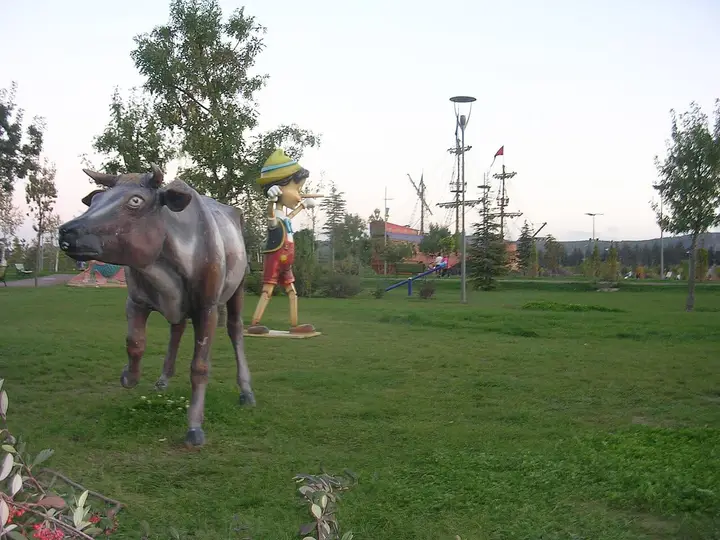
Eskişehir is a student city on the banks of the Porsuk River and Türkiye's first high-speed-train city, known for the Odunpazarı houses on UNESCO's Tentative List, the Odunpazarı Modern Museum designed by Kengo Kuma, the 17-metre Midas Monument in the Phrygian Valley, Pessinus, the centre of the Cybele cult, the Sivrihisar Grand Mosque, which became a UNESCO World Heritage Site in 2023, and the land where Nasreddin Hoca was born. Meerschaum (lületaşı), çibörek and met helvası are registered products.

Share with friends

Last updated:

Places to Visit in Eskişehir

15 places worth seeing in Eskişehir, from historic monuments to natural wonders, grouped by type. Open any of them on the map with a single click.

  • 2 Historic
  • 5 Ancient City
  • 4 Religious
  • 2 Museum
  • 2 Attraction

Historic Sites 2

Odunpazarı houses Photo: CeeGee (CC BY-SA 4.0) · Source
Historic

Odunpazarı Houses

The historic quarter on the hills where the city first grew up; with its winding streets and colourful timber houses with bay windows, it preserves the Ottoman urban fabric and has been on the UNESCO World Heritage Tentative List since 2012. Many of the houses are now museums, workshops or cafés.

View on map
Historic

Karacahisar Castle

A Byzantine castle on a plateau at 1,010 metres, south-west of the city near the Porsuk River; it is counted among the first castles conquered by the Ottoman Beylik.

View on map

Ancient Cities 5

Midas Monument Photo: Zeynel Cebeci (CC BY-SA 4.0) · Source
Ancient City

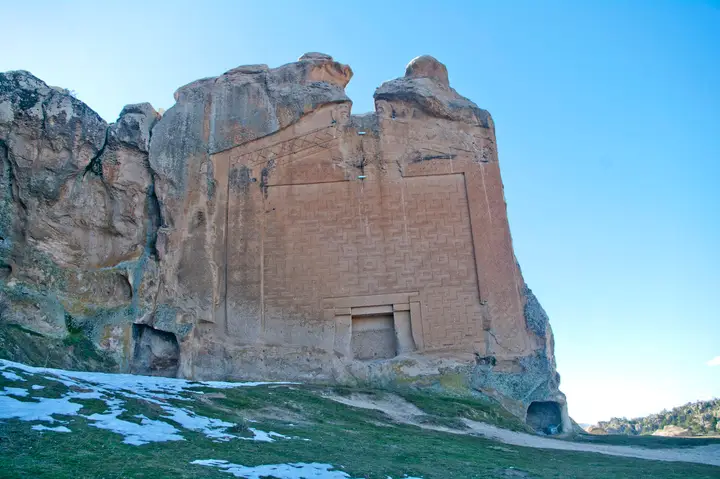
Midas Monument and Midas City (Yazılıkaya)

A 17-metre Phrygian cult façade carved into the rock around 600 BC in the Yazılıkaya neighbourhood of the Han district; the name Midas appears in the Phrygian inscriptions. On the rock plateau behind it are altars, stairways and tunnels. It is the most impressive monument of the Phrygian Valley.

View on map
Pessinus temple ruins Photo: Mark Landon (CC BY 4.0) · Source
Ancient City

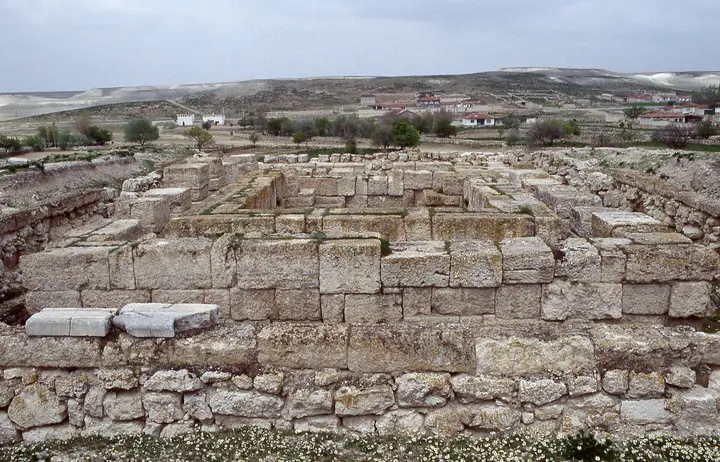
Pessinus (Ballıhisar)

A Phrygian and Roman city in the village of Ballıhisar, south of Sivrihisar, and the most important place of worship of the mother goddess Cybele. The sacred black stone of the goddess, thought to be a meteorite, was taken to Rome in 204 BC. The foundations of the temple from the time of Augustus can be seen.

View on map
Kümbet village Photo: KGKUCUK (CC BY 3.0) · Source
Ancient City

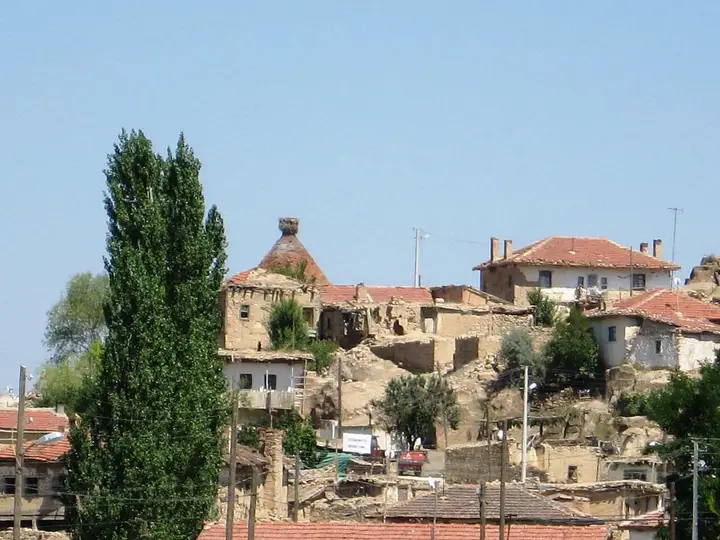
Kümbet and the Phrygian Rock Tombs

The Seljuk tomb (kümbet) in the middle of Kümbet village in Seyitgazi, and the Phrygian rock tombs with lion reliefs around it; one of the important stops on the Phrygian Valley route.

View on map
Ancient City

Han Underground City

Underground galleries carved into the rock in the Han district, with rooms and corridors linked to water channels; the rooms have sarcophagus and rosette decoration. The first excavations took place in 1992–1993.

View on map
Ancient City

Şarhöyük (Dorylaion)

A mound north-east of the city, now surrounded by a neighbourhood, and the first settlement of Eskişehir. Excavations under way since 1989 have uncovered layers from the Bronze Age to the Byzantine period.

View on map

Religious Buildings 4

Kurşunlu Mosque Photo: Dosseman (CC BY-SA 4.0) · Source
Religious

Kurşunlu Complex

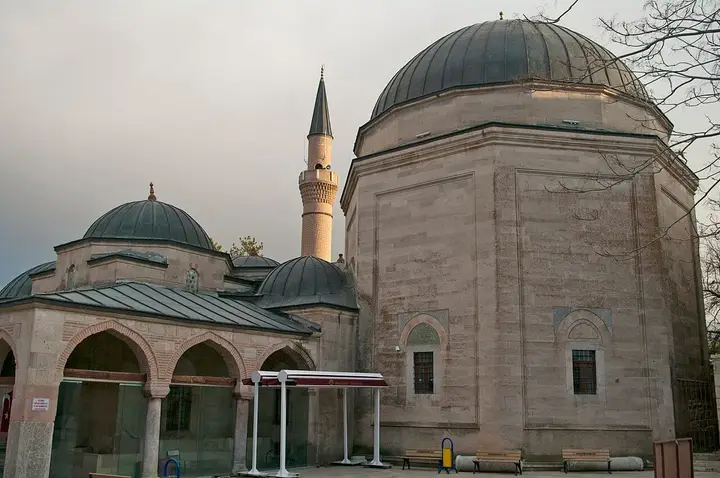
A complex of mosque, soup kitchen, caravanserai and madrasa built by Çoban Mustafa Paşa in 1525; its caravanserai is counted among the works of Mimar Sinan. Part of the complex is now the Meerschaum Museum and handicraft workshops.

View on map
Wooden columns of the Sivrihisar Grand Mosque Photo: Dosseman (CC BY-SA 4.0) · Source
Religious

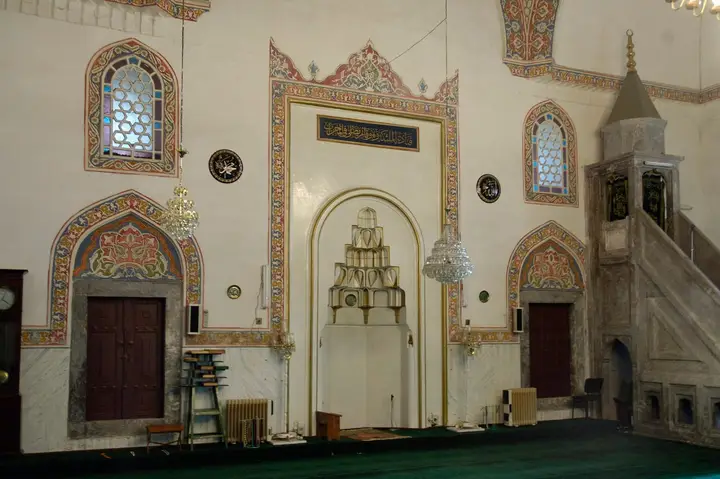
Sivrihisar Grand Mosque

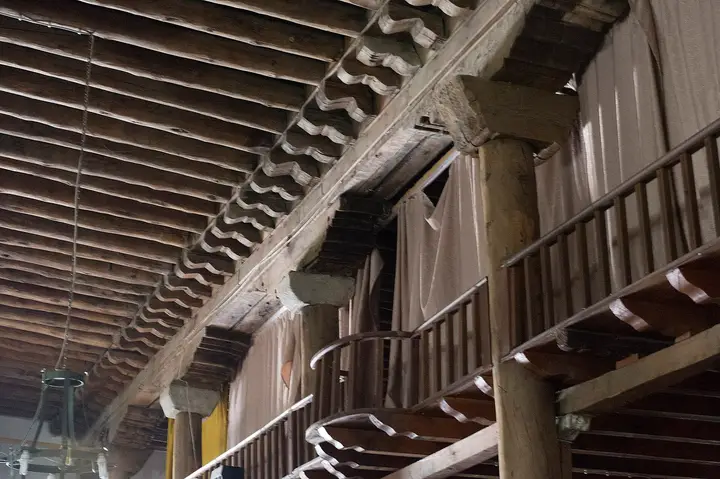
A Seljuk mosque built in 1232 and given its present form in 1274, with a roof carried by 67 timber columns; it is famous for its carved wooden capitals and painted decoration (kalem işi). In 2023 it was added to the UNESCO World Heritage List as part of the "Medieval Anatolian Hypostyle Mosques with Wooden Supports".

View on map
Seyyid Battal Gazi Complex Photo: Zeynel Cebeci (CC BY-SA 4.0) · Source
Religious

Seyyid Battal Gazi Complex

A complex of tomb, mosque, madrasa and dervish lodge at Seyitgazi, on the slope of Üçler Tepesi, founded in the name of the legendary hero Seyyid Battal Gazi, believed to have fallen as a martyr in the Umayyad raids; it was expanded in the Seljuk and Ottoman periods.

View on map
Religious

Yunus Emre Tomb (Sarıköy)

A tomb in the Sarıköy (Yunus Emre) neighbourhood of Mihalıççık, traditionally regarded as the place where Yunus Emre lived and was buried; graves attributed to Yunus Emre are also found in other parts of Anatolia.

View on map

Museums 2

Odunpazarı Modern Museum Photo: Honacan (CC BY-SA 4.0) · Source
Museum

Odunpazarı Modern Museum (OMM)

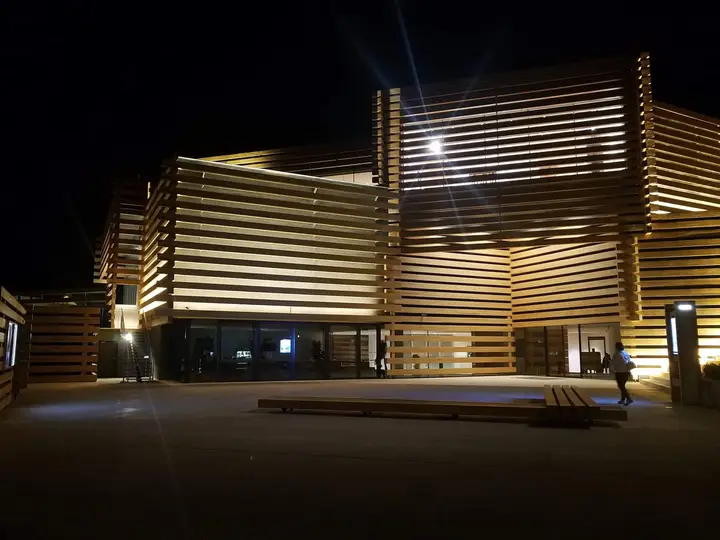
A contemporary art museum designed by the Japanese architect Kengo Kuma with stacked timber beams, inspired by Odunpazarı's past as a wood market; it opened on 7 September 2019 with the collection of Erol Tabanca, an architect and collector from Eskişehir.

View on map
Museum

Meerschaum Museum

A museum inside the Kurşunlu Complex displaying pipes, jewellery and figurines carved from meerschaum (lületaşı).

View on map

Attractions 2

Porsuk River Photo: Zeynel Cebeci (CC BY-SA 4.0) · Source
Attraction

Porsuk River Banks

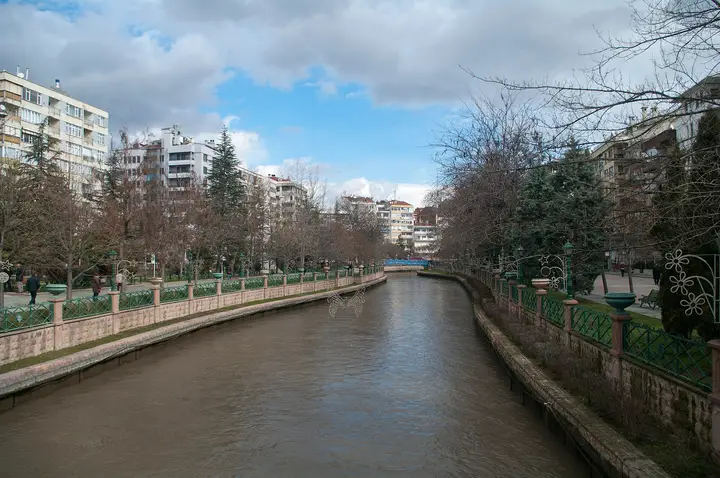
The banks of the Porsuk River, which divides the city centre in two, have been landscaped with bridges, walking paths and cafés; gondola and boat tours run on the river.

View on map
Sazova Park Photo: Honacan (CC BY-SA 3.0) · Source
Attraction

Sazova Science, Culture and Art Park

A park of 400,000 square metres with a fairy-tale castle, a pirate ship, a pond, a steam miniature train, a zoo and a science centre; it is the city's most popular stop, especially for families with children.

View on map

Getting to Know Eskişehir

Eskişehir lies in the north-west of Central Anatolia, on a broad plain divided in two by the Porsuk River. The origins of the city go back to ancient Dorylaion at Şarhöyük, north-east of today’s city, where layers from the Bronze Age to the Byzantine period are being excavated. From the 12th century BC the region was the heart of the Phrygian civilisation: Yazılıkaya (Midas City) in the Han district and Pessinus near Sivrihisar were among the most important Phrygian cult centres.

Known as Sultanönü in the Seljuk period, the region was the scene of battles with the Crusader armies. Because of its closeness to Söğüt, it was one of the first areas conquered by the Ottoman Beylik: Karacahisar Castle is counted among the first castles taken by Osman Bey. From the Ottoman period, the Kurşunlu Complex (1525) and the bay-windowed houses of Odunpazarı survive. The Anatolian railway, which arrived in 1894, turned the city into a junction and an industrial centre. Three of the five great pitched battles of the War of Independence – the First and Second Battles of İnönü and the Battles of Kütahya–Eskişehir – were fought on Eskişehir’s soil.

Today Eskişehir has a large student population at Anadolu, Osmangazi and Eskişehir Technical universities, gondola and boat tours along the Porsuk, a tram network running since 2004 and a lively café and cultural scene. Türkiye’s first high-speed rail line opened between Ankara and Eskişehir in 2009. The world’s finest meerschaum (lületaşı) deposits are also here.

When to Go

Eskişehir has a continental climate: winters are cold, summers hot and dry, and rainfall is low. Averages for 1991–2025 from the Turkish State Meteorological Service:

Month Avg. high Avg. low Rainfall Rainy days
January 4.4 °C −3.7 °C 33 mm 8
February 7.2 °C −3.4 °C 28 mm 8
March 12.1 °C −0.8 °C 30 mm 8
April 17.3 °C 3.2 °C 44 mm 7
May 22.3 °C 7.3 °C 42 mm 6
June 26.8 °C 11.3 °C 24 mm 4
July 30.0 °C 13.8 °C 15 mm 2
August 30.3 °C 13.8 °C 11 mm 2
September 26.1 °C 9.3 °C 17 mm 3
October 20.3 °C 5.0 °C 35 mm 6
November 12.9 °C 0.3 °C 33 mm 6
December 6.6 °C −1.6 °C 42 mm 8

April to June and September to October are ideal for the city and the Phrygian Valley. Summer days are hot but the nights are cool; when walking in the unshaded areas of the Phrygian Valley, avoid the hours around midday. In winter the Porsuk riverside and Odunpazarı take on a different beauty under snow, though roads in the countryside may be icy.

How to Get to Eskişehir

By high-speed train: Eskişehir is at the centre of the YHT network: it takes about 1.5 hours from Ankara and about 2.5–3 hours from Istanbul (Pendik/Söğütlüçeşme); services to Konya and Karaman also pass through Eskişehir. The historic Eskişehir Station (1894) is in the city centre.

By air: Hasan Polatkan Airport belongs to Eskişehir Technical University and has limited scheduled services. In practice most passengers fly to Ankara Esenboğa or the Istanbul airports and continue by high-speed train.

By road: Eskişehir is at the junction of the roads to Ankara (about 235 km), Bursa (about 150 km), Kütahya (about 80 km) and Afyonkarahisar. Within the city there is an extensive tram (Estram) and bus network.

Eskişehir Area by Area

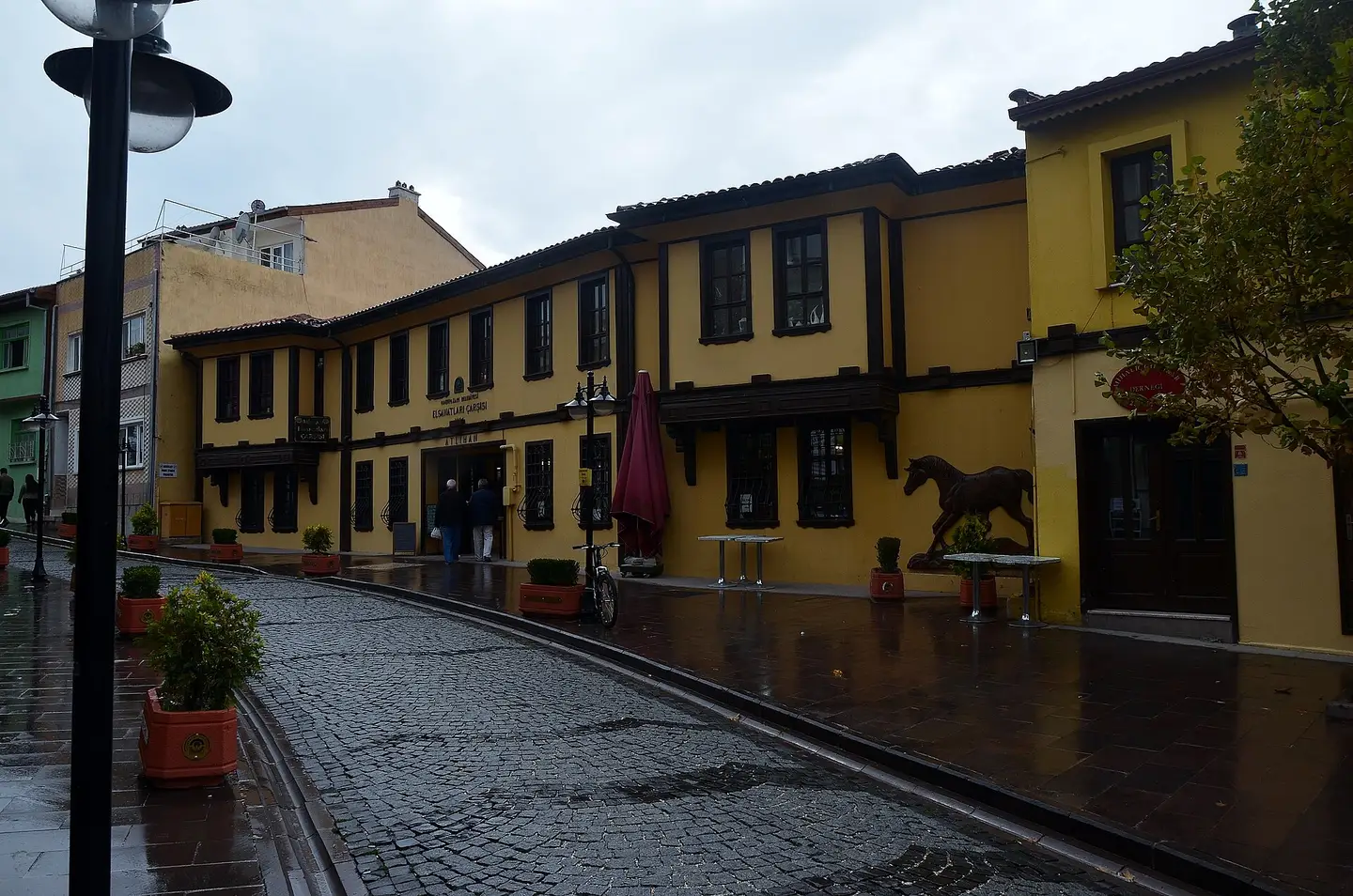
  • Odunpazarı: Bay-windowed Ottoman houses, the Odunpazarı Modern Museum (OMM), the Kurşunlu Complex, the Meerschaum Museum, the Contemporary Glass Arts Museum and the Atlıhan Handicrafts Bazaar.
  • Tepebaşı: The Porsuk riverside, Sazova Science, Culture and Art Park, Kentpark and the mound of Şarhöyük (Dorylaion).
  • Han and Seyitgazi (Phrygian Valley): The Midas Monument and Midas City at Yazılıkaya, Han Underground City, the Seyyid Battal Gazi Complex and the Phrygian rock tombs in Kümbet village.
  • Sivrihisar: The UNESCO World Heritage Sivrihisar Grand Mosque, the village of Hortu (Nasreddin Hoca), regarded as Nasreddin Hoca’s birthplace, and the ancient city of Pessinus at Ballıhisar, 16 km to the south.
  • Mihalıççık: The Yunus Emre Tomb in Sarıköy, where Yunus Emre is traditionally said to have lived.
  • İnönü: The site of the İnönü battles of the War of Independence and the İnönü Martyrs’ Cemetery.

Suggested Itineraries

Day 1 – The city centre: In the morning, the Odunpazarı houses, the Kurşunlu Complex and the Meerschaum Museum; çibörek for lunch. In the afternoon, the Odunpazarı Modern Museum; in the early evening, a gondola or boat tour on the Porsuk and met helvası.

Day 2 – The Phrygian Valley: The Seyyid Battal Gazi Complex at Seyitgazi, then Kümbet and the rock steps of the Midas Monument and Midas City at Yazılıkaya. Han Underground City on the way back.

Day 3 – Sivrihisar: The Grand Mosque with its timber columns, the narrow streets of stone houses and Nasreddin Hoca’s village; in the afternoon, Pessinus at Ballıhisar.

Eskişehir Cuisine

Eskişehir cuisine has been shaped above all by Crimean Tatar immigrants. The symbol of the city is Eskişehir çiğböreği (çibörek), a thin-doughed, minced-meat pastry fried in hot oil. Another registered delicacy is Eskişehir met helvası: similar to pişmaniye but harder and more fibrous, this halva takes its name from the game of met played on long winter nights, in which the losing side would pull the halva. Eskişehir simidi is also registered.

Sivrihisar’s cuisine is rich in its own right: Sivrihisar höşmerim tatlısı (cheese and semolina dessert), Sivrihisar muska baklavası (triangular baklava), Sivrihisar kelem dolması (cabbage dolma), Sivrihisar arabaşı (chicken and bread soup), Sivrihisar dövme sucuğu (pounded sausage), Sivrihisar cebesi and Sivrihisar sarkası are registered products. Kızılinler bal kabağı (Kızılinler pumpkin) is also registered. From Crimean Tatar cuisine, haşhaşlı çörek (poppy-seed bread), kaşık böreği (tatar böreği) and kıbın are also common in the city.

Meerschaum and Handicrafts

Meerschaum (lületaşı; sepiolite, known by its German name Meerschaum, “sea foam”) is a white, light and porous mineral extracted from deposits north and east of Eskişehir. Because it is soft when extracted, it is easily carved; the world’s most valuable meerschaum pipe masters are in Eskişehir. The export of raw stone is prohibited, and it can be sold only as a worked product. Eskişehir lületaşı (meerschaum) has a registered geographical indication. You can watch the craftsmen at work in the Meerschaum Museum in Odunpazarı and in the Atlıhan Bazaar. Sivrihisar kilimi (kilim), Sivrihisar incili küpesi (pearl earrings) and Sorkun çömleği (pottery) are also registered handicrafts.

Practical Tips

  • Odunpazarı, Kurşunlu and the OMM are within walking distance of one another; you can go down to the Porsuk riverside by tram.
  • The monuments of the Phrygian Valley are spread over a wide area and public transport is limited; hiring a car is the most practical solution.
  • On weekdays the city is lively with its student population; during the summer holiday (July–August) it is much quieter.
  • When buying meerschaum, ask whether the stone is genuine; imitations made from a mixture of plastic and stone dust are common.
Districts of Eskişehir

Eskişehir province has 15 districts. Explore the places to visit, local dishes and transport in each one.

What to Eat in Eskişehir

All dishes →
  • Eskişehir Çiğböreği (Çibörek) (fried minced-meat pastry)

    A börek with a registered geographical indication, inherited from the Crimean Tatars, filled with minced meat and fried in hot oil.

  • Eskişehir Met Helvası (stringy halva)

    A registered halva, similar to pişmaniye but harder and more fibrous.

  • Eskişehir Simidi

    A simit with a registered geographical indication.

  • Sivrihisar Höşmerim Tatlısı (cheese and semolina dessert)

    A registered dessert made with cheese, semolina and syrup.

  • Sivrihisar Muska Baklavası (triangular baklava)

    A baklava with a registered geographical indication, shaped like a triangle (muska).

  • Sivrihisar Kelem Dolması (cabbage dolma)

    A registered dolma wrapped in cabbage leaves.

What to eat in Eskişehir: the full food guide

Eskişehir: Frequently Asked Questions

What are the best places to visit in Eskişehir?

The main stops are the Odunpazarı houses, the Odunpazarı Modern Museum, the Kurşunlu Complex, the Meerschaum Museum, the Porsuk riverside, Sazova Park, the Midas Monument in the Phrygian Valley, the Seyyid Battal Gazi Complex, the Sivrihisar Grand Mosque and Pessinus.

What is Eskişehir famous for?

Çibörek, met helvası, meerschaum, Sivrihisar höşmerim dessert and muska baklavası. Eskişehir is also known as a student city and for its Porsuk riverside.

Where is the Midas Monument?

It is in the Yazılıkaya neighbourhood of the Han district of Eskişehir, about 80 km from the city centre.

Is the Sivrihisar Grand Mosque a UNESCO World Heritage Site?

Yes. In 2023 it was added to the UNESCO World Heritage List as part of the "Medieval Anatolian Hypostyle Mosques with Wooden Supports".

How long does the high-speed train from Ankara to Eskişehir take?

About 1.5 hours. This line opened in 2009 as Türkiye's first high-speed rail line.

When is the best time to visit Eskişehir?

April to June and September to October are the best times for the city and the Phrygian Valley.

More from the Eskişehir Guide

Other Provinces in the Central Anatolia Region

Sources

The information in this guide has been compiled from and checked against the sources below (last checked: 7 October 2026). If you spot an error, please let us know.

  1. Vikipedi – Eskişehir
  2. Vikipedi – Eskişehir (il)
  3. Meteoroloji Genel Müdürlüğü – Eskişehir il istatistikleri
  4. Vikipedi – Odunpazarı Evleri
  5. Vikipedi – Odunpazarı Modern Müze
  6. Vikipedi – Kurşunlu Külliyesi
  7. Vikipedi – Midas Anıtı (Yazılıkaya)
  8. Vikipedi – Pessinus
  9. Vikipedi – Sivrihisar Ulu Camii
  10. Vikipedi – Seyit Battal Gazi Külliyesi
  11. Vikipedi – Sazova Bilim Kültür ve Sanat Parkı
  12. Vikipedi – Han Yeraltı Şehri
  13. Vikipedi – Şarhöyük
  14. Vikipedi – Karacahisar Kalesi
  15. Vikipedi – Lüle taşı
  16. Vikipedi – Met helvası
  17. Vikipedi – Çi börek
  18. Vikipedi – Eskişehir Garı
  19. Vikipedi – Hasan Polatkan Havalimanı
  20. Vikipedi – Nasreddin Hoca
  21. TÜRKPATENT – Eskişehir Çiğböreği (Çibörek)
  22. TÜRKPATENT – Eskişehir Lüle Taşı
  23. TÜRKPATENT – Eskişehir Met Helvası
  24. Vikipedi – Türkiye'de tescilli coğrafi işaretler listesi

Search 81 province guides and 968 district guides.