Getting to Know Karaman
Karaman lies in the south of Central Anatolia, where the Konya Plain meets the Taurus Mountains; the province stretches from flat plains in the north to the steep Taurus valleys of Ermenek and Sarıveliler in the south. The ancient name of the city is Laranda; in the Middle Ages it was called Larende. It takes its present name from Karaman Bey, founder of the Karamanids (Karamanoğulları), the strongest and longest-lived of the Anatolian principalities, established in the region in the 13th century.
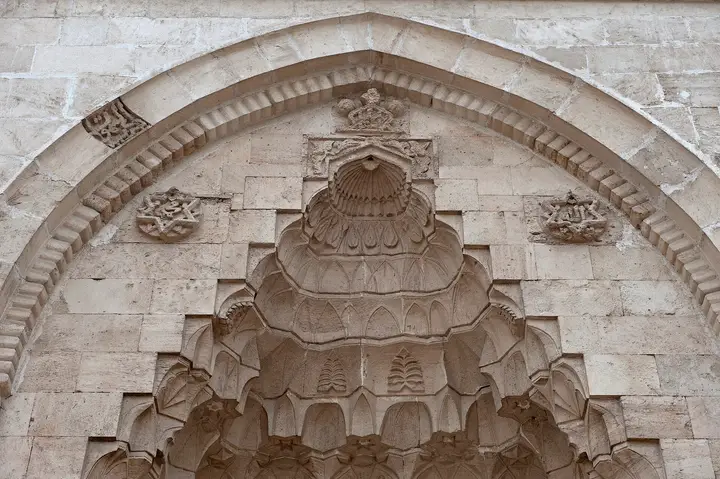
Karamanoğlu Mehmed Bey, the second ruler of the Karamanids, issued an edict in Konya on 13 May 1277 ordering that no language other than Turkish be used in the court, the lodge, the council and the market; for this reason 13 May is celebrated every year in Karaman as Turkish Language Day. The Hatuniye Madrasa (1382), the İbrahim Bey Imaret (1432–1433) and the Aktekke Mosque (Mader-i Mevlânâ), surviving from the principality period, make Karaman one of the important centres of post-Seljuk Anatolian architecture. The Karamanids became part of the Ottoman Empire in 1487.
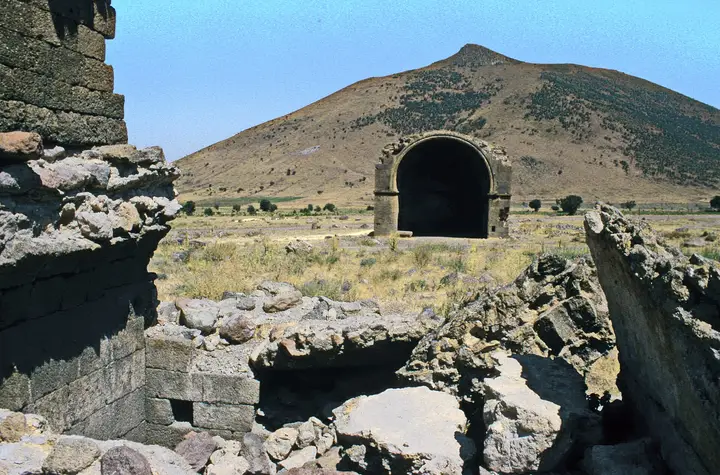
On the slopes of the extinct volcano Karadağ, rising north of the city, lies Binbirkilise, where many churches and monasteries from the Byzantine period stand; the area became known at the beginning of the 20th century through the work of Gertrude Bell. According to tradition Yunus Emre lived in Karaman and was buried here; Evliya Çelebi also relates this tradition. Karaman became a province in 1989.
When to Go
Karaman has a continental climate: summers are hot and dry, winters cold and snowy. Averages for 1951–2025 from the Turkish State Meteorological Service:
| Month |
Avg. high |
Avg. low |
Rainfall |
Rainy days |
| January |
5.7 °C |
−3.6 °C |
42 mm |
10 |
| February |
7.4 °C |
−2.6 °C |
34 mm |
9 |
| March |
12.6 °C |
0.6 °C |
37 mm |
9 |
| April |
18.3 °C |
5.1 °C |
35 mm |
8 |
| May |
23.3 °C |
9.0 °C |
35 mm |
9 |
| June |
27.8 °C |
12.7 °C |
24 mm |
5 |
| July |
31.1 °C |
15.3 °C |
7 mm |
1 |
| August |
31.1 °C |
14.8 °C |
6 mm |
1 |
| September |
27.2 °C |
10.5 °C |
9 mm |
2 |
| October |
20.8 °C |
5.9 °C |
27 mm |
6 |
| November |
13.8 °C |
1.3 °C |
33 mm |
6 |
| December |
7.8 °C |
−1.5 °C |
47 mm |
10 |
The best times are April to June and September to October. 13 May, Turkish Language Day, is the city’s most important event. Summer days are hot and nights cool; as there is little shade at Karadağ and Binbirkilise, choose the morning hours. Because Ermenek and Taşkale are higher, roads there may be closed by snow in winter.
How to Get to Karaman
By train: Since 8 January 2022 Karaman has been linked to the high-speed train network, with direct services to Ankara and Istanbul via Konya. The city is also on the Konya–Adana railway.
By air: There is no airport in the province; the nearest is Konya Airport, about 115 km to the north.
By road: Karaman is on the Konya–Karaman–Mersin road, about 115 km from Konya and about 200 km from Mersin. Ermenek is reached by a mountain road across the Taurus.
Karaman Area by Area
- Merkez (central district): Karaman Castle, the Hatuniye Madrasa, Karaman Museum, the Aktekke Mosque, the İbrahim Bey Imaret, and the Yunus Emre Mosque and Tomb.
- Karadağ and Binbirkilise: The Byzantine church ruins in the villages of Madenşehri (Binbirkilise) and Değle, and the craters of the extinct volcano.
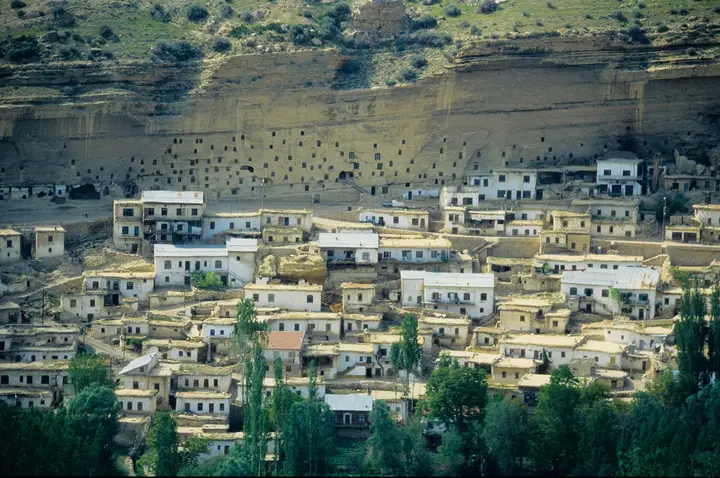
- Taşkale and Manazan: Hundreds of granaries carved into rocky slopes and the multi-storey Manazan caves; the registered Taşkale carpet.
- Ermenek: The first seat of the Karamanids; Tol Madrasa, Akça Masjid and Ermenek Castle, Ermenek Dam and the Göksu valley.
- Ayrancı: Divle obruk cheese, matured in the sinkhole in the village of Divle.
- Başyayla and Sarıveliler: Taurus villages, the registered Başyayla karın kaymağı and the local costume of Sarıveliler.
Suggested Itineraries
Day 1 – The city centre: Karaman Castle, the portal of the Hatuniye Madrasa and Karaman Museum; then the Aktekke Mosque and the Yunus Emre Tomb. Karaman mayalısı or tahini pide for lunch.
Day 2 – Binbirkilise: The church ruins in the villages of Madenşehri and Değle on the slopes of Karadağ; a view of the craters on the way back.
Day 3 – Taşkale and Manazan: Taşkale’s granaries carved into the rocks and the carpet-weaving workshops in the village; the storeys of the Manazan caves.
Karaman Cuisine
Karaman cuisine combines the produce of Central Anatolia and the Taurus highlands. The best-known product of the province is Karaman Divle obruğu tulum peyniri (Divle sinkhole tulum cheese), matured in the 36-metre-deep sinkhole in the village of Divle in Ayrancı, pressed into lamb and kid skins, and taking on its reddish colour in about five months.
Other delicacies with registered geographical indications are Karaman mayalısı, Karaman tahinli pide, Karaman kırma böreği, Karaman şebit pilavı, Karaman ilisıra dolması, Karaman guymak tatlısı, Karaman hacı lokuru, Ermenek helvası, Ermenek batırması, Başyayla karın kaymağı, Karaman ekşikara üzümü and Kazımkarabekir kabak çekirdeği.
Handicrafts
The Taşkale carpet, woven by women in Taşkale, and the local costume of Sarıveliler, unique to the Taurus villages, have registered geographical indications.
Practical Tips
- The remains at Binbirkilise are in the open and within the villages; touring with a guide or a local helper makes the ruins easier to find.
- Taşkale is reached from the city centre in about 1 hour; let them know in advance if you want to visit the weaving workshops in the village.
- Divle cheese can be bought from the producer in Ayrancı; local permission may be needed to visit the sinkhole.
- With the high-speed train between Karaman and Konya, you can combine Konya and Karaman in one trip.
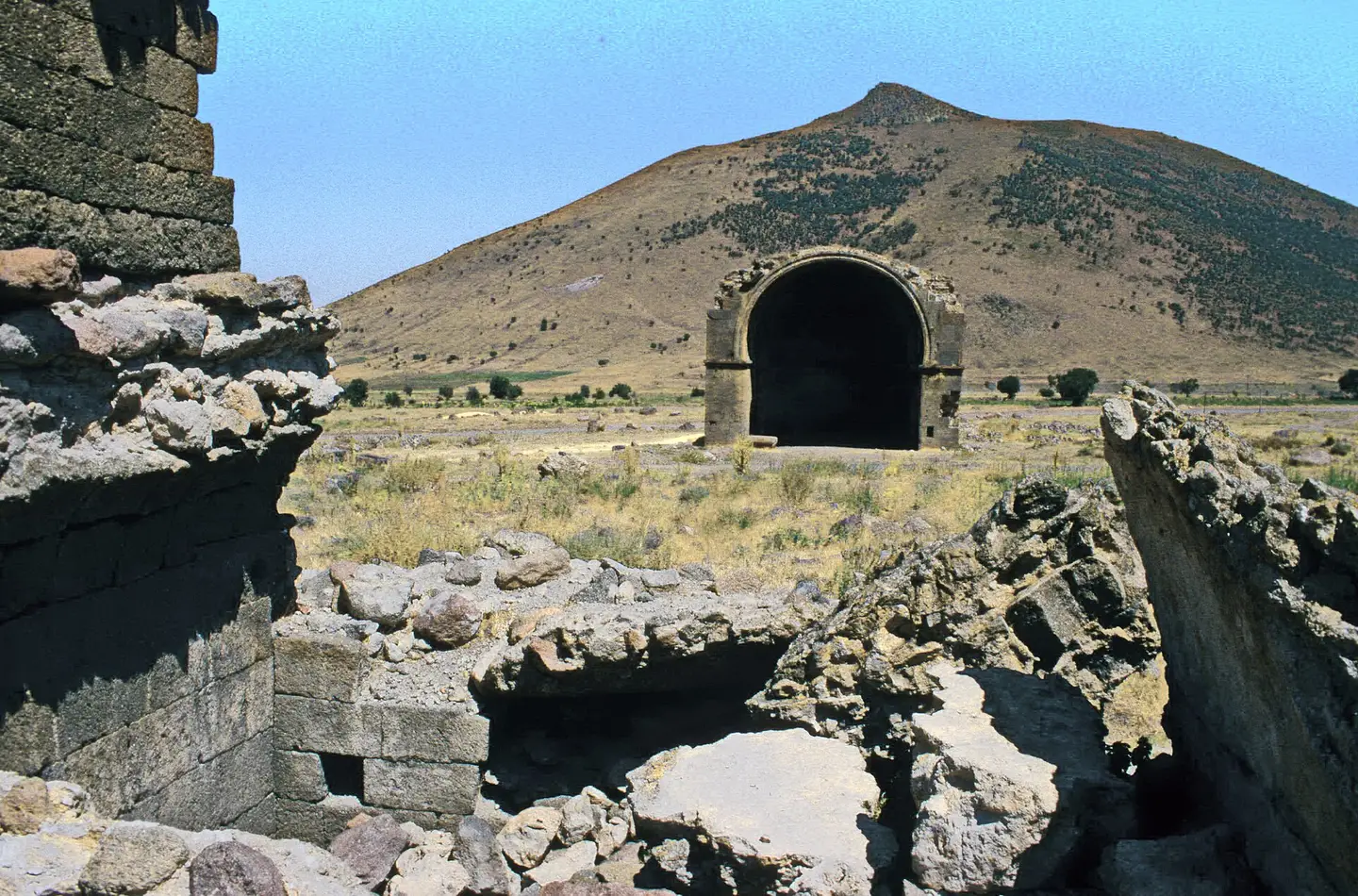
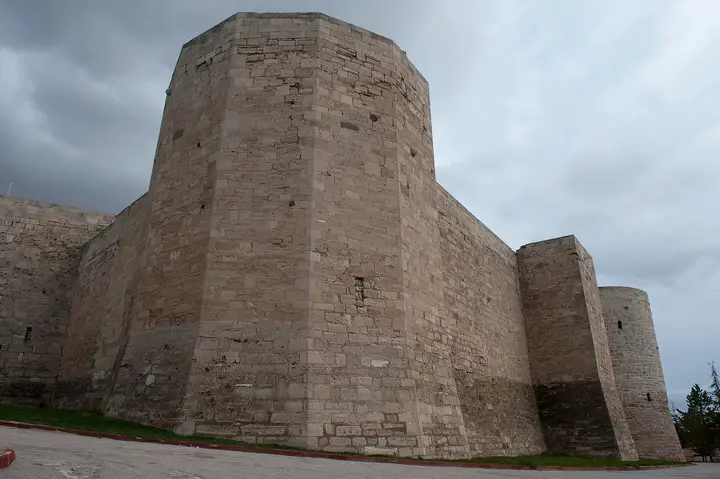 Photo: Dosseman (CC BY-SA 4.0) · Source