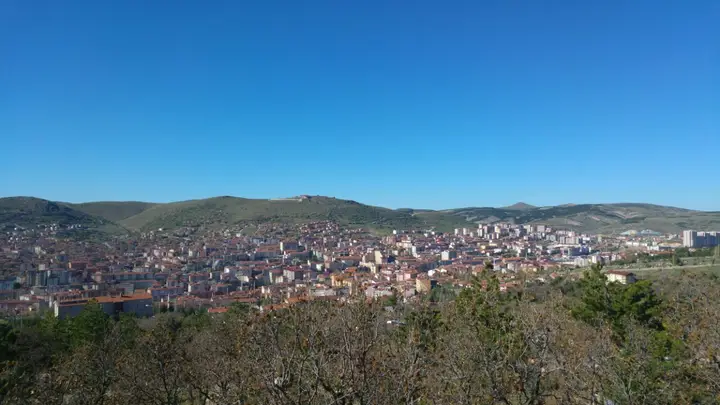
 Photo: Sevdeartun (CC BY-SA 4.0) · Source
 Yozgat Çamlığı National Park
Türkiye's first national park, declared in 1958; it is one of the few relict forests in the steppe, and was enlarged to 517 hectares in 2022.
View on map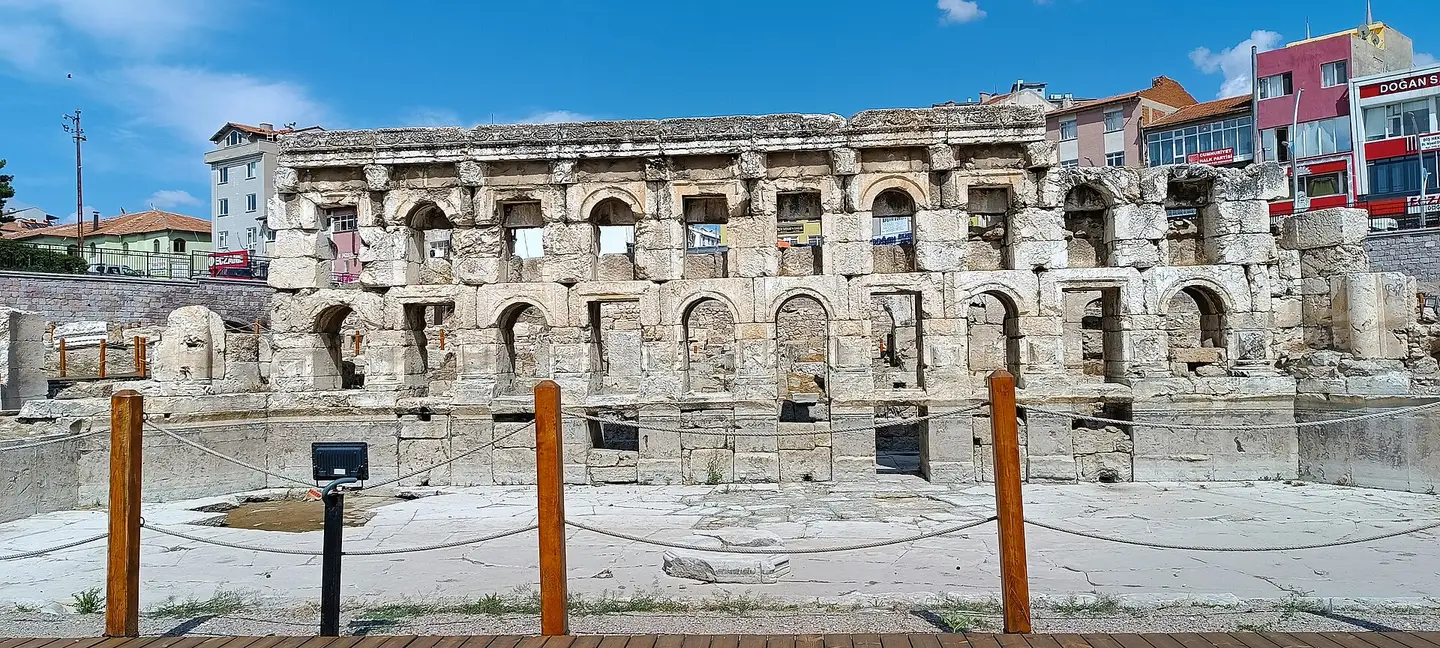 Photo: Seraksin (CC BY-SA 4.0) · Source
 Yozgat is a province on the high plateau of Central Anatolia, at the centre of what was formerly called Bozok, and is home to Yozgat Çamlığı, Türkiye's first national park, and to the Çapanoğlu legacy of the 18th century. The Çapanoğlu Mosque of 1779, the clock tower of 1908, Basilica Therma, the 2nd-century Roman bath at Sarıkaya, and the Yozgat Museum stand out. Yozgat arabaşısı, çanak cheese, desti kebabı and Aydıncık bağrıbütün melon carry registered geographical indications.
Last updated:
6 places worth seeing in Yozgat, from historic monuments to natural wonders, grouped by type. Open any of them on the map with a single click.
Photo: Sevdeartun (CC BY-SA 4.0) · Source Türkiye's first national park, declared in 1958; it is one of the few relict forests in the steppe, and was enlarged to 517 hectares in 2022.
View on map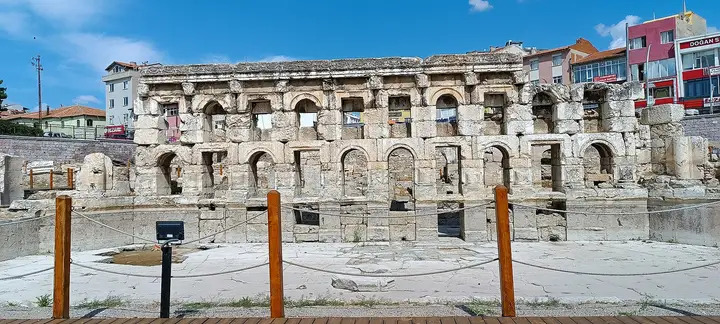 Photo: Seraksin (CC BY-SA 4.0) · Source
 A Roman public bath built in the 2nd century in the Sarıkaya district; its geothermal activity continues. The first excavations were carried out in 1932 by Richard C. Haines.
View on map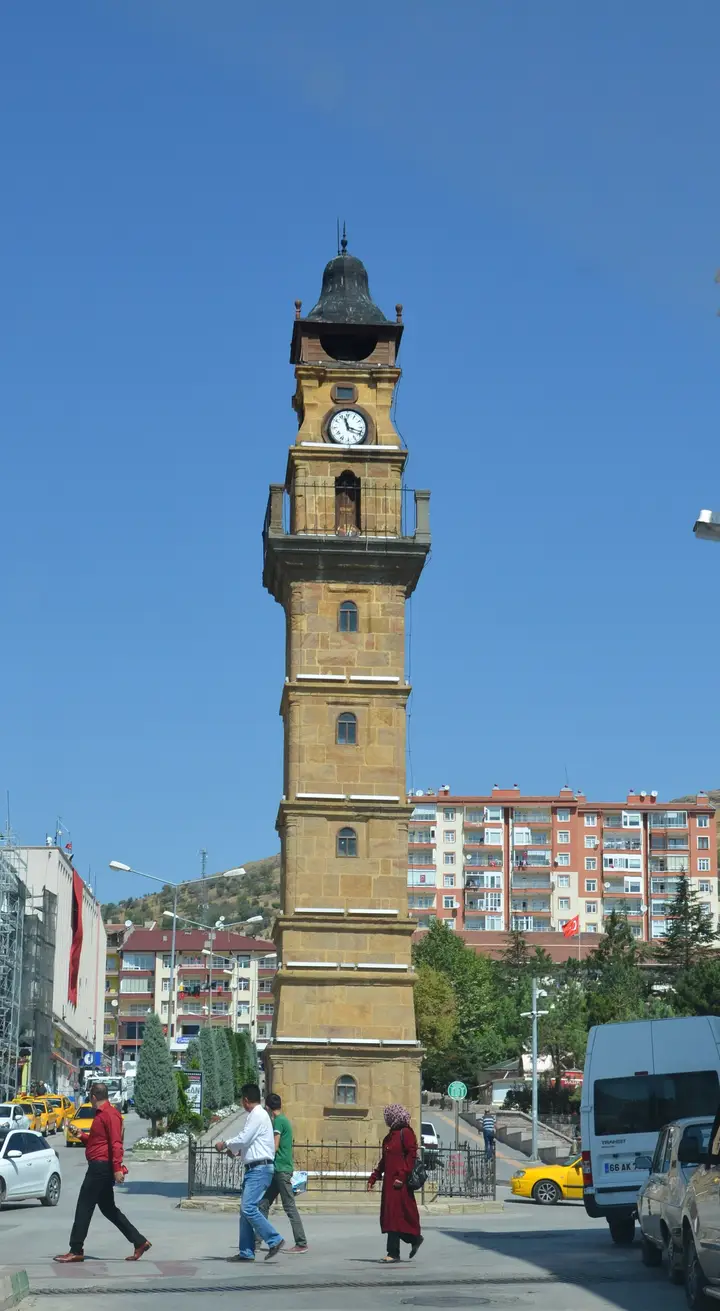 Photo: KediÇobanı (CC BY-SA 4.0) · Source
 The only clock tower with a balcony, on the square, built in 1908 by the mayor Tevfikizade Ahmet Bey.
View on map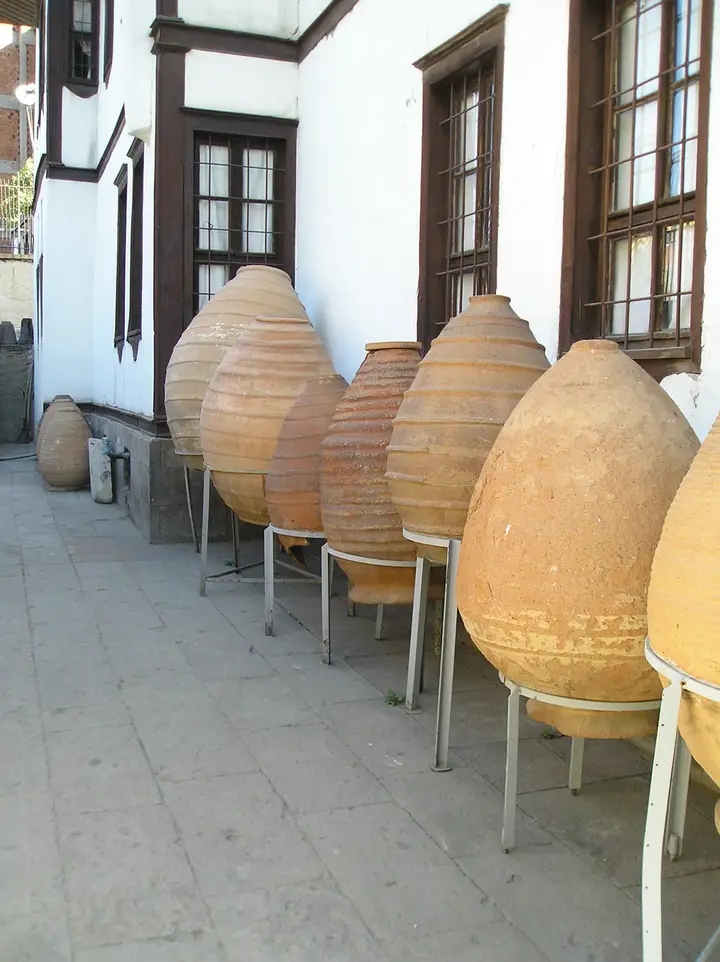 Photo: Verity Cridland (CC BY 2.0) · Source
 A museum opened in 1985 in the two-storey Nizamoğlu Mansion; archaeological works are displayed on the ground floor and ethnographic works on the upper floor.
View on mapA cut-stone mosque built in 1779 by Çapanoğlu Mustafa Bey, to which his brother Süleyman Bey added an outer mosque in 1794; it has a dome 15.15 metres in diameter.
View on mapA mound (höyük) made known by the work of Dr. Von der Osten at Alişar between 1927 and 1932; the sources that mention the Sarıkaya Roman Bath are also based on this work.
View on mapYozgat is a province of 13,690 km² on the high plateau of Central Anatolia, within the great bend of the Kızılırmak. The province’s original name is Bozok, taken from the raids into the region by Turkmen belonging to the Bozok branch of the Oghuz. The name was changed to Yozgat on 23 June 1927 by a motion from Süleyman Sırrı Bey, deputy for Bozok, and his colleagues.
In the 18th century the Çapanoğlu family, who dominated the Bozok Sanjak, gave the city its present appearance: the Çapanoğlu Mosque was built in 1779 by Çapanoğlu Mustafa Bey, governor of the Bozok Sanjak, and the outer mosque was added in 1794 by his brother Süleyman Bey; it is known locally as the Great Mosque or Grand Mosque (Ulucami), and the Yozgat bazaar grew up around it. The Yozgat Clock Tower on the square was built in 1908 by the mayor of the time, Tevfikizade Ahmet Bey.
Yozgat Çamlığı National Park is Türkiye’s first national park, declared in 1958; the area, declared as 267 hectares, was enlarged to 517 hectares in 2022. The park is one of the few relict forests in the steppe formed through human influence, and its average altitude is 1,350 metres. Basilica Therma (a Roman bath) at Sarıkaya, built in the 2nd century and with geothermal activity that still continues, is a distinctive example among the Roman baths of Anatolia.
Yozgat has a continental climate with cold, snowy winters and cool, dry summers. Averages for 1929–2025 from the Turkish State Meteorological Service:
| Month | Avg. high | Avg. low | Rainfall | Rainy days |
|---|---|---|---|---|
| January | 2.3 °C | −5.2 °C | 67 mm | 13 |
| February | 3.8 °C | −4.5 °C | 59 mm | 13 |
| March | 8.2 °C | −1.5 °C | 69 mm | 13 |
| April | 14.1 °C | 3.2 °C | 58 mm | 13 |
| May | 18.9 °C | 7.4 °C | 66 mm | 13 |
| June | 22.8 °C | 10.5 °C | 45 mm | 9 |
| July | 26.1 °C | 12.9 °C | 13 mm | 3 |
| August | 26.5 °C | 13.1 °C | 11 mm | 2 |
| September | 22.7 °C | 9.5 °C | 19 mm | 4 |
| October | 17.0 °C | 5.4 °C | 33 mm | 7 |
| November | 10.5 °C | 0.8 °C | 54 mm | 9 |
| December | 4.6 °C | −2.6 °C | 75 mm | 13 |
May to September is the best period. Yozgat Çamlığı is cool throughout the summer; in winter, roads may close because of snow.
By road: Yozgat is linked by road to Ankara, Kırşehir, Çorum and Sivas. Yerköy is 39 km from the provincial centre and Çekerek is 90 km away.
By air: Yozgat Airport is under construction at the Deremumlu–Fakıbeyli locality; it is planned to open in December 2026, and once finished it will be 25 km from the city centre and 95 km from Çorum.
Day 1 – Yozgat centre: The Çapanoğlu Mosque, the Clock Tower, the Yozgat Museum and the Çamlık; in the evening, Yozgat arabaşısı and testi (desti) kebabı.
Day 2 – Sarıkaya: Basilica Therma and the thermal facilities.
Day 3 – Sorgun and Aydıncık: Sorgun yağlısı and Aydıncık melon.
Yozgat cuisine is known for its meat and dough dishes. The delicacies with a registered geographical indication are Yozgat arabaşısı, Yozgat desti kebabı, Yozgat tandır kebabı, Yozgat parmak çöreği, Sorgun yağlısı and Akdağmadeni salebi. The products are Yozgat Aydıncık bağrıbütün melon and Yozgat çanak cheese.
Yozgat province has 14 districts. Explore the places to visit, local dishes and transport in each one.
A soup with a registered geographical indication.
A kebab cooked in a clay pot, with a registered geographical indication.
A kebab with a registered geographical indication.
A bun with a registered geographical indication.
A pastry dish with a registered geographical indication.
The main stops are the Çapanoğlu Mosque, the Clock Tower, the Yozgat Museum, Yozgat Çamlığı and Basilica Therma at Sarıkaya.
Arabaşı, desti kebabı, tandır kebabı, Aydıncık melon and Yozgat Çamlığı.
It is Türkiye's first national park, declared in 1958.
Bozok; it was changed to Yozgat on 23 June 1927.
May to September is the best period.
The information in this guide has been compiled from and checked against the sources below (last checked: 8 October 2026). If you spot an error, please let us know.