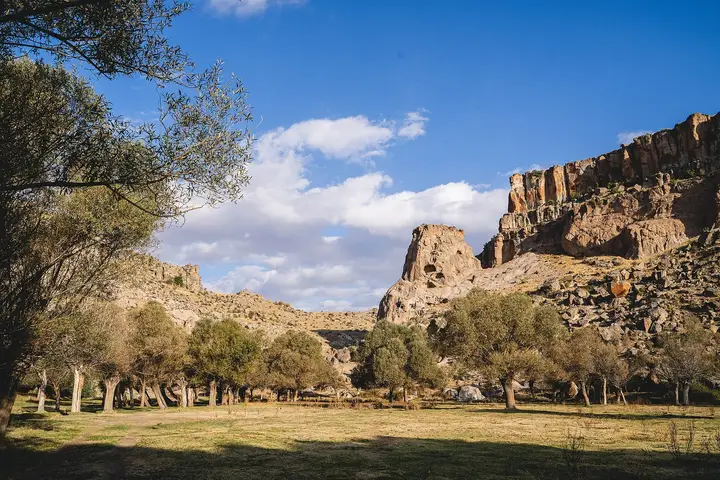
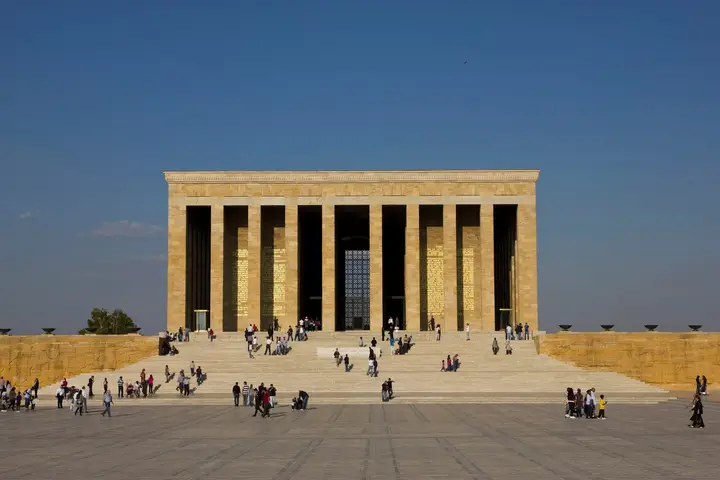
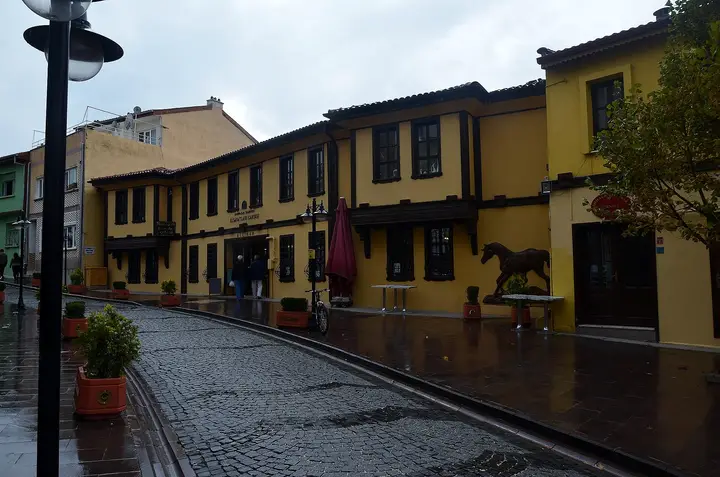
Central Anatolia is the heartland of Anatolia's Seljuk and Neolithic heritage, with the UNESCO-listed landscape of Cappadocia, the Mevlânâ Museum and Çatalhöyük in Konya, the Divriği Grand Mosque, Ankara's Anıtkabir and Museum of Anatolian Civilisations, the Odunpazarı houses of Eskişehir and the Ihlara Valley in Aksaray.
Provinces of the Central Anatolia Region
-
-
-
 18
18Things to Do in Çankırı
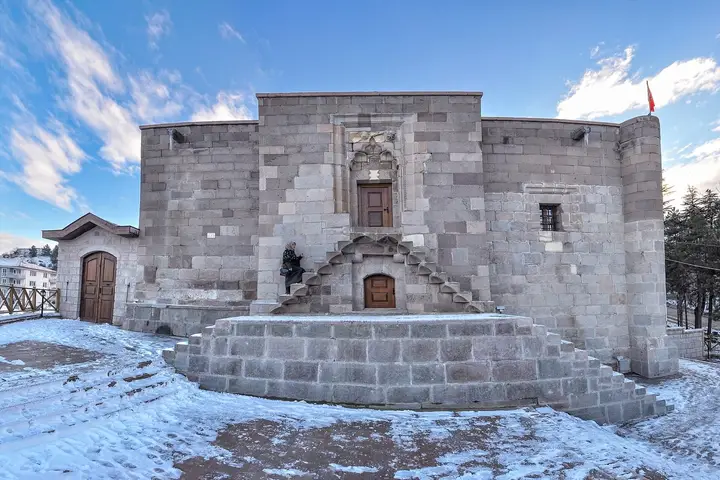
Çankırı Salt Cave, Taş Mescit (Cemaleddin Ferruh Hospital) and Sultan Süleyman (Grand) Mosque
-
-
 70
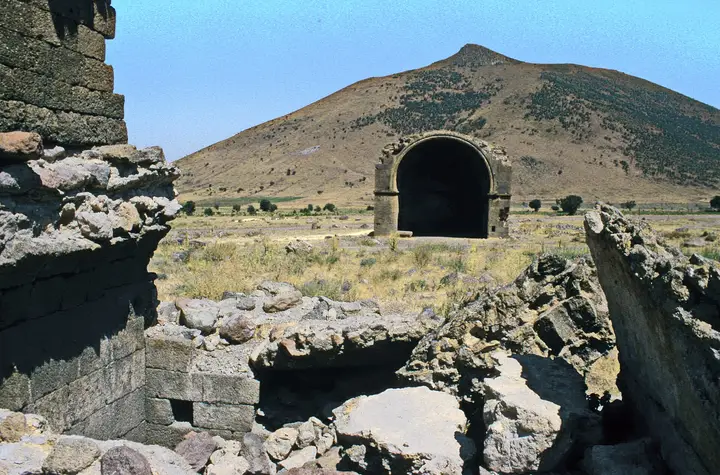
70Things to Do in Karaman
Binbirkilise (Thousand and One Churches), Karaman Castle and Hatuniye Madrasa
-
 38
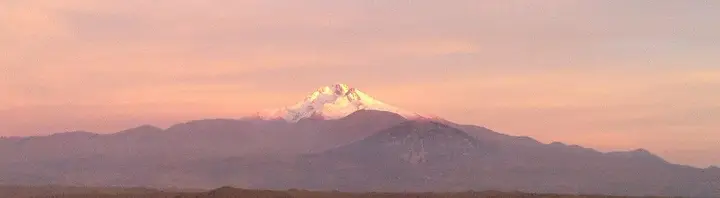
38Things to Do in Kayseri
Mount Erciyes and Ski Resort, Kültepe (Kaniş-Karum) and Gevher Nesibe Hospital (Darüşşifa)
-
 71
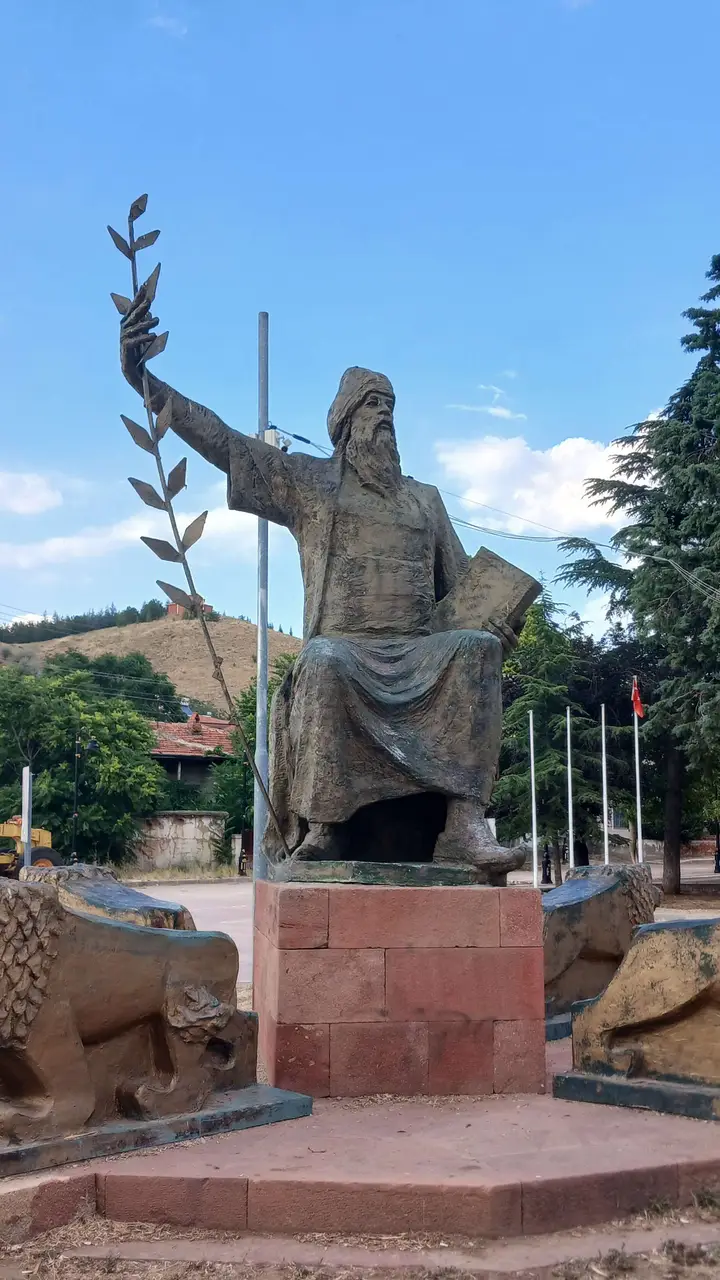
71Things to Do in Kırıkkale
MKE Arms Industry Museum, Hasan Dede Tomb (Hasandede) and Kapulukaya Dam
-
-
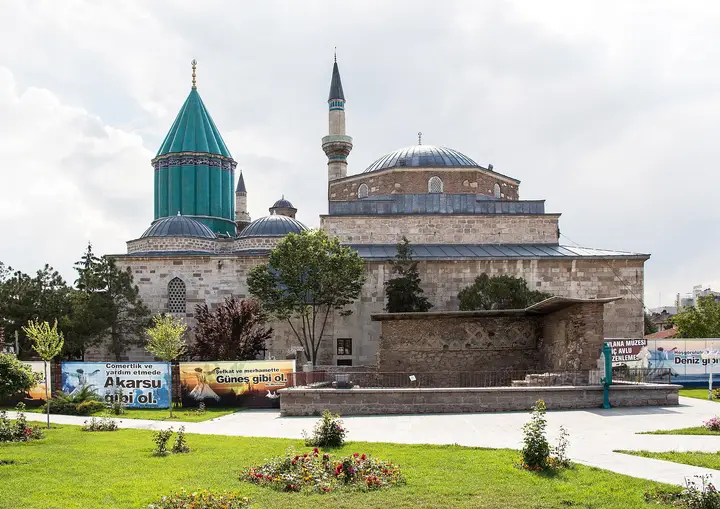 42
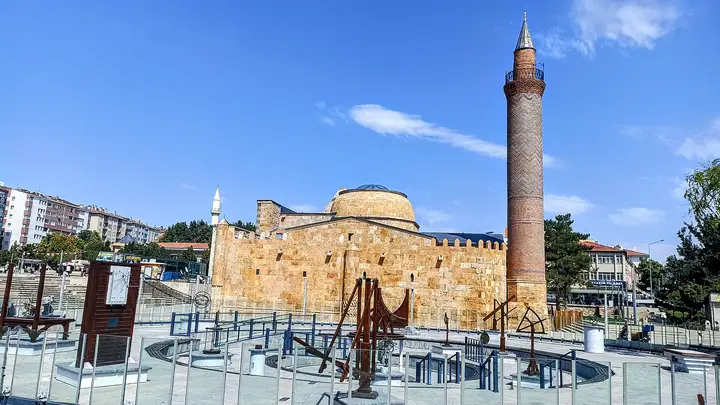
42Things to Do in Konya
Mevlana Museum and Mausoleum, Çatalhöyük and Karatay Madrasa (Museum of Tile Works)
-
-
-
-
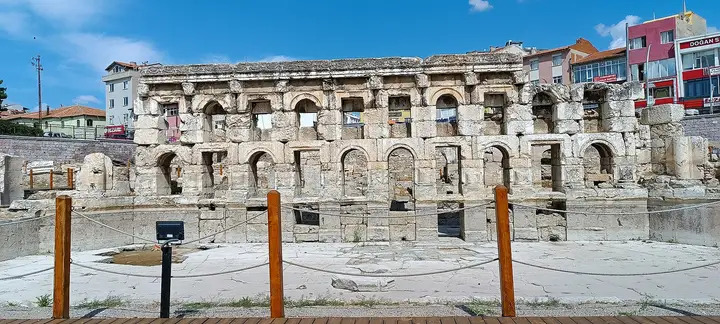 66
66Things to Do in Yozgat
Yozgat Çamlığı National Park, Basilica Therma (Sarıkaya Roman Bath) and Yozgat Clock Tower
About the Central Anatolia Region
Top destinations: Göreme Open-Air Museum and underground cities (Nevşehir), Mevlânâ Museum and Çatalhöyük (Konya), Anıtkabir (Ankara), Divriği Grand Mosque (Sivas), Ihlara Valley and Sultan Han (Aksaray), Odunpazarı (Eskişehir), Erciyes and Kültepe (Kayseri).
In this guide Central Anatolia consists of thirteen provinces: Aksaray, Ankara, Çankırı, Eskişehir, Karaman, Kayseri, Kırıkkale, Kırşehir, Konya, Nevşehir, Niğde, Sivas and Yozgat. The region, in the interior of Anatolia, is known for its high plateaus, volcanic mountains and cities that date back to the Seljuk period. Konya is the largest province in Türkiye by area, while Ankara is the capital.
Cappadocia and the volcanic landscape
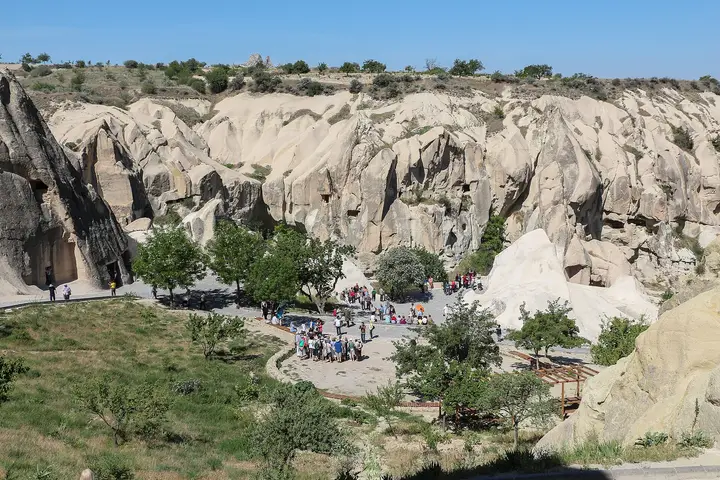
Nevşehir is the centre of “Göreme National Park and the Rock Sites of Cappadocia”, a UNESCO World Heritage Site since 1985, with its fairy chimneys, rock-cut churches and underground cities. Göreme Open-Air Museum, Uçhisar Castle, the underground cities of Derinkuyu and Kaymaklı, and Zelve Open-Air Museum are the main stops on this route. Gümüşler Monastery in Niğde, and the Ihlara Valley and Selime Cathedral in Aksaray, continue the same line of rock architecture. In Kayseri, Erciyes, a 3,916-metre extinct volcano, and its ski resort form the region’s natural face.
Seljuk heritage and early settlements
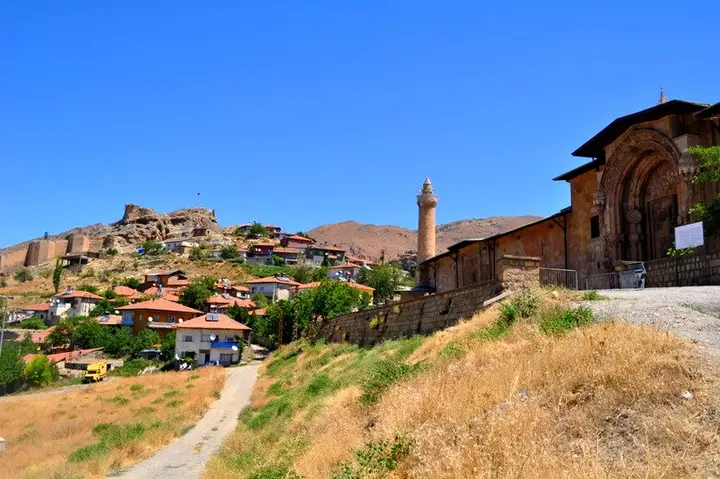
Konya was the capital of the Anatolian Seljuks; the Mevlânâ Museum and Mausoleum, Karatay Madrasa (Museum of Tile Works), İnce Minareli Madrasa (Slender Minaret Madrasa) and Alaeddin Hill are the city’s emblems. Çatalhöyük in Konya, Aşıklı Höyük in Aksaray and Kültepe (Kaniş-Karum) in Kayseri are among Anatolia’s oldest settlements. In Sivas you can visit the UNESCO World Heritage Site of the Divriği Grand Mosque and Hospital, the Gök Madrasa and the Buruciye Madrasa. In Aksaray there is Sultan Han, one of Anatolia’s great Seljuk caravanserais. In Karaman there are Binbir Kilise, Karaman Castle and the Hatuniye Madrasa, and in Kırşehir the Cacabey Madrasa and the Ahi Evran Complex.
The capital and its cities
In Ankara the highlights are Anıtkabir, the Museum of Anatolian Civilisations, Ankara Castle, Hamamönü and the UNESCO World Heritage Site of the Arslanhane Mosque. In Eskişehir they are the Odunpazarı houses, the Odunpazarı Modern Museum, the banks of the Porsuk River and the Midas Monument in the Phrygian Valley. In Çankırı they are the Salt Cave and the Taş Masjid; in Yozgat, Yozgat Çamlığı, Türkiye’s first national park, and Basilica Therma; and in Kırıkkale, the MKE Weapons Industry Museum.
Cuisine and local products
- Konya: etliekmek (flatbread with minced meat), fırın kebabı (oven-baked lamb), bamya çorbası (okra soup), sac arası, tirit; Akşehir cherries, Çumra melons.
- Kayseri: mantı (Turkish dumplings), yağlama, pastırma (cured beef), sucuk (spiced sausage); Develi cıvıklısı.
- Ankara: Ankara tava, simit; Beypazarı kurusu (dry biscuits) and cevizli tatlı sucuk (walnut sweet sausage).
- Eskişehir: çiğ börek (çibörek), met helvası; Eskişehir meerschaum, Sivrihisar kilim.
- Sivas: Sivas köftesi, katmer, pastırma (cured beef); Gemerek gilaburu (guelder rose juice), Zara honey.
- Nevşehir: testi kebabı (pottery-jug kebab), Kaymaklı çöreği; Avanos pottery.
- Aksaray: Aksaray tava, inceelek tatlısı (dessert), tahinli, köpük helva.
- Karaman: mayalı, tahinli pide, kırma börek, şebit pilavı; Ermenek halva.
- Niğde: Niğde tava, Bor söğürmesi, tahinli; milk-vetch (geven) honey.
- Kırşehir: çulama, höşmerim, Ahi helvası, çirleme; Kaman walnuts.
- Çankırı: bütün et (whole roast meat), kıymalı (covered meat pide), yumurta tatlısı (egg dessert), Çerkeş lokumu (Turkish delight); Çankırı rock salt.
- Yozgat: arabaşı, desti kebabı (pot kebab), tandır kebabı, parmak çöreği.
- Kırıkkale: Keskin tava, Karaahmetli tokmak köfte.
Getting There
Ankara, Konya, Kayseri, Eskişehir, Sivas and Nevşehir are the region’s transport hubs, with air or rail connections; trams also run in Ankara, Konya, Kayseri and Eskişehir. Aksaray, Kırşehir and Yozgat can be reached only by road. Because the region is linked by road, two- or three-day routes such as Nevşehir–Niğde–Aksaray (the Cappadocia route) and Konya–Karaman (the Mevlânâ and Seljuk route) are easy to put together.
Below you will find the guide to each province, along with its districts, food and transport information.