 Photo: Wikimedia Commons (CC BY-SA) · Source
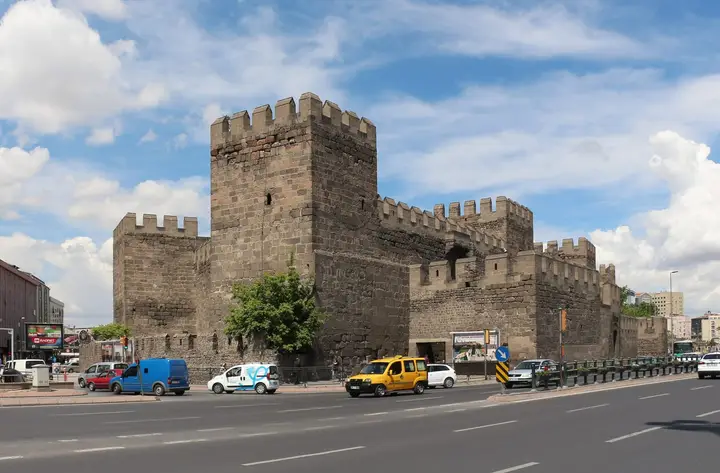
 Kayseri Castle
A castle of black basalt in the city centre, begun in the Roman period and repaired under the Seljuks and Ottomans; inside are the Fatih Mosque and a bazaar.
View on map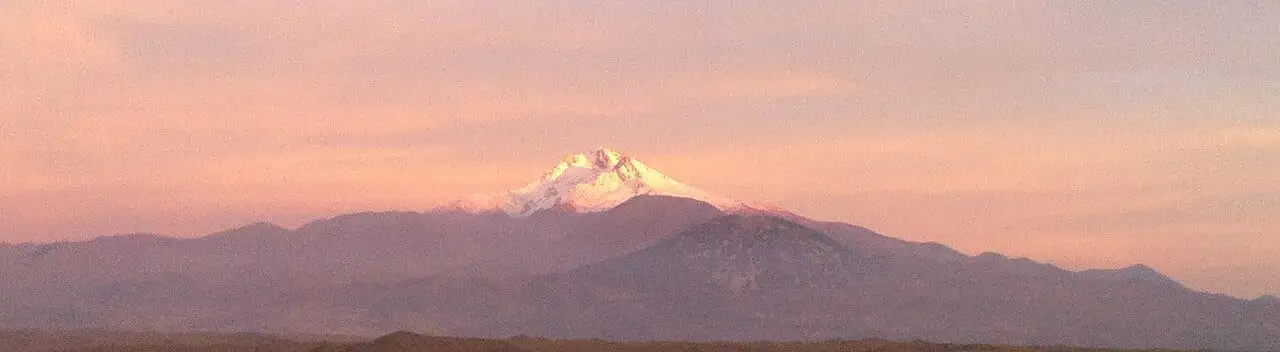 Photo: Emin Başar Özdemir (CC BY 3.0) · Source
 Kayseri lies at the foot of Erciyes, a 3,916-metre extinct volcano, and is the city of ancient Mazaka and Caesarea and of Kültepe (Kaniş), the Assyrian trading colony where Anatolia's first written documents were found. From the Seljuk period come the Gevher Nesibe Hospital, the Hunat Hatun Complex and the Döner Tomb; other highlights are Ağırnas, the birthplace of Mimar Sinan, the Erciyes Ski Resort, Sultansazlığı, the Kapuzbaşı Waterfalls and the Soğanlı Valley. The province has 34 registered products, led by pastırma, sucuk and mantı.
Last updated:
12 places worth seeing in Kayseri, from historic monuments to natural wonders, grouped by type. Open any of them on the map with a single click.
Photo: Wikimedia Commons (CC BY-SA) · Source A castle of black basalt in the city centre, begun in the Roman period and repaired under the Seljuks and Ottomans; inside are the Fatih Mosque and a bazaar.
View on map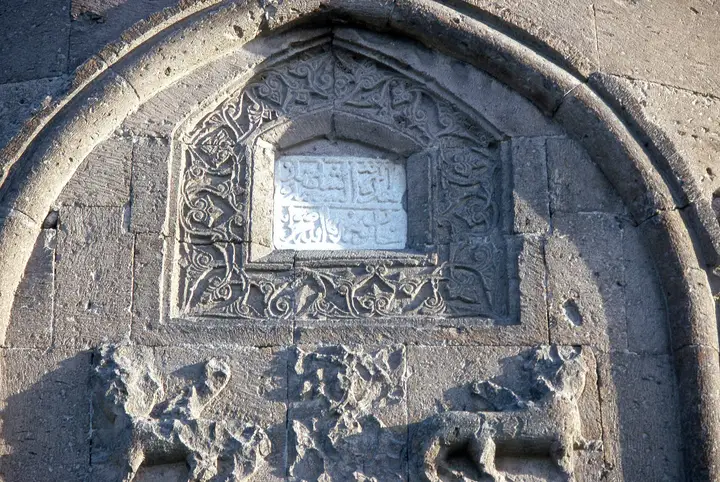 Photo: Dosseman (CC BY-SA 4.0) · Source
 A twelve-sided tomb (kümbet) on the Talas road, built in 1276 for Şah Cihan Hatun, daughter of Alaeddin Keykubad I; its reliefs include human-headed lions, a double-headed eagle and tree-of-life motifs.
View on map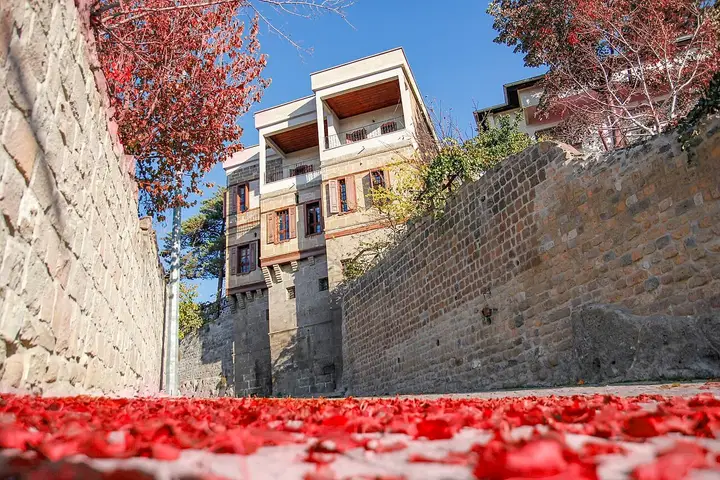 Photo: Abdurrahman Çam (CC BY-SA 4.0) · Source
 In Talas, 8 km east of the city, are stone mansions from the 19th century and the Church of the Virgin Mary; the hillside town at the foot of Mount Ali preserves its historic fabric.
View on map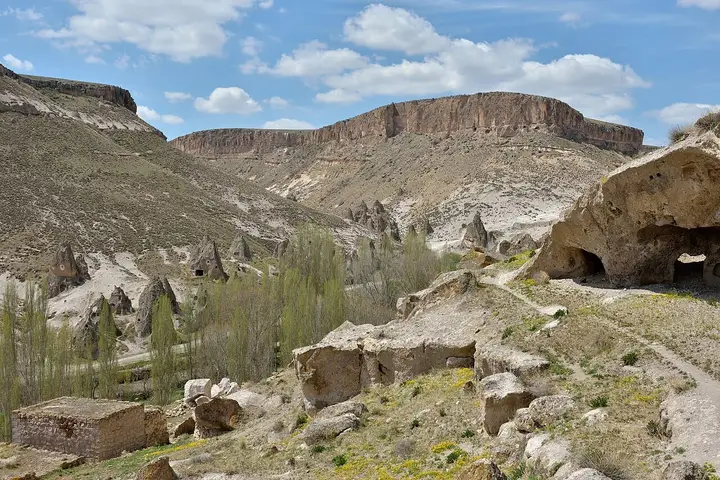 Photo: Wolfgang Moroder (CC BY-SA 3.0) · Source
 One of the quiet valleys of Cappadocia, in Yeşilhisar, with Byzantine-period rock-cut churches and dovecotes; the village's rag dolls have a registered geographical indication.
View on map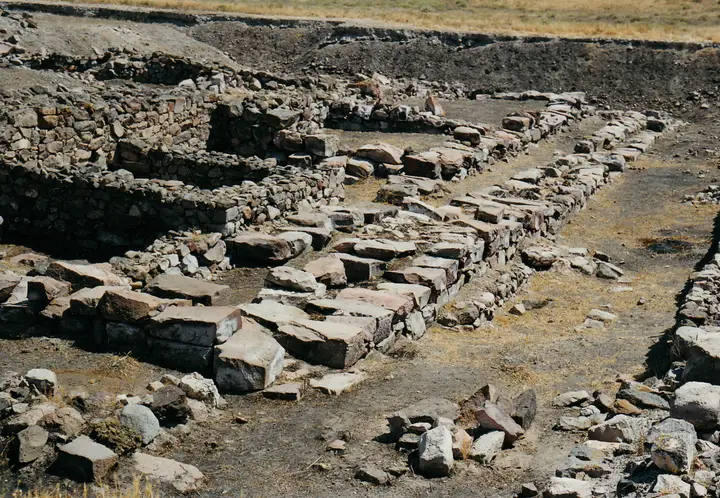 Photo: Klaus-Peter Simon (CC BY-SA 3.0) · Source
 The ancient city of Kaniş, 20 km north-east of the city, where Assyrian merchants had their trading colony in the early 2nd millennium BC; the cuneiform tablets found here are the earliest known written documents in Anatolia. The finds are displayed in the Kayseri Archaeology Museum.
View on map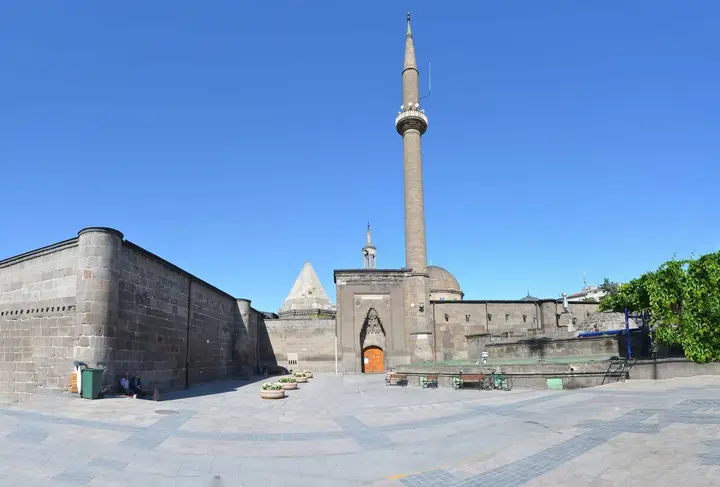 Photo: Wikimedia Commons (CC BY-SA) · Source
 A complex of mosque, madrasa, hammam and tomb built in 1238 by Mahperi Hunat Hatun, wife of Alaeddin Keykubad I; it is one of the first large complexes in Anatolia built by a woman.
View on map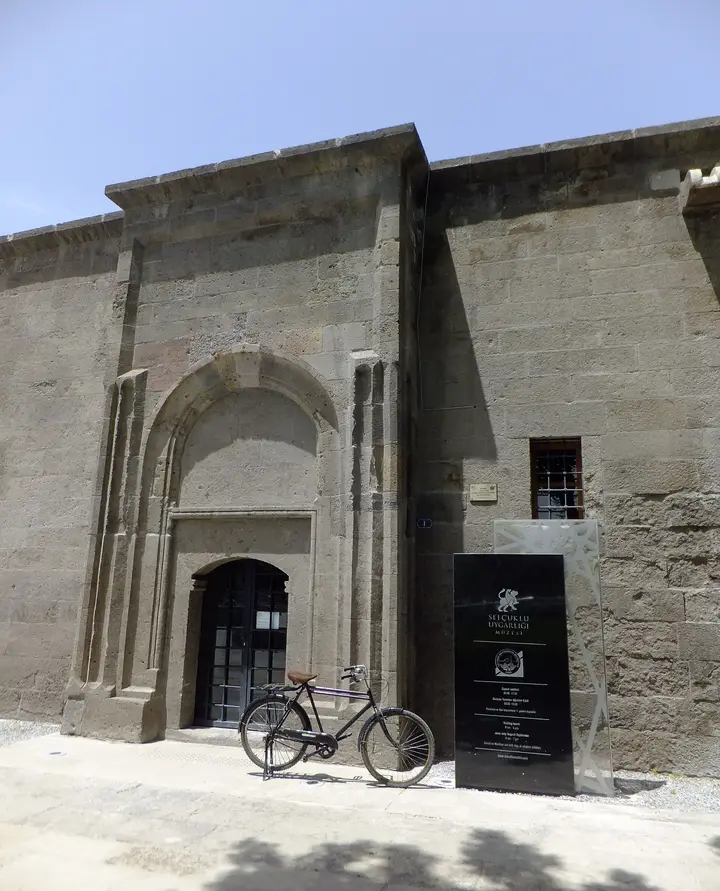 Photo: R Prazeres (CC BY-SA 4.0) · Source
 The "Twin Madrasa" (Çifte Medrese), consisting of a hospital and a medical madrasa, built in 1206 at the bequest of Gevher Nesibe, daughter of the Seljuk Sultan Kılıçarslan II; it is counted among the world's first centres of medical education and healthcare. Today it is the Seljuk Civilisation Museum.
View on map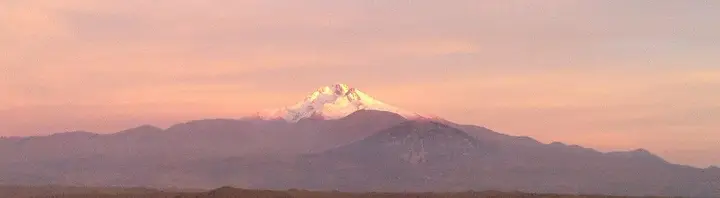 Photo: Emin Başar Özdemir (CC BY 3.0) · Source
 An extinct volcano 25 km south of the city and, at 3,916 metres, the highest mountain in Central Anatolia; its ski resort, between 2,150 and 3,400 metres, is one of the largest in Türkiye. The season generally runs from December to April.
View on map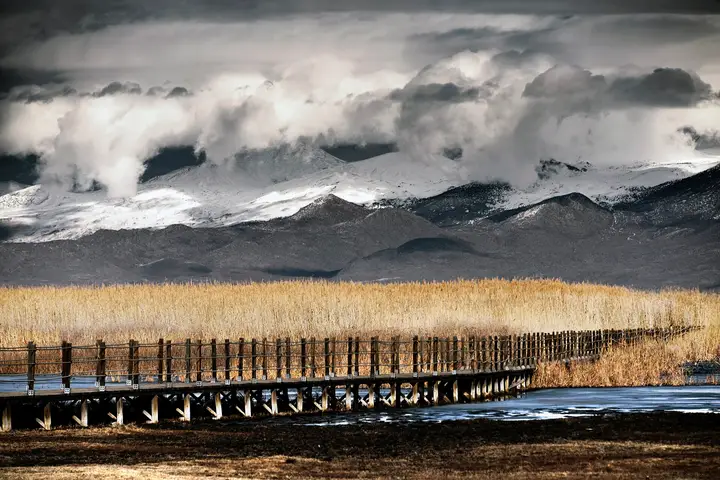 Photo: Emrahuygun (CC BY-SA 4.0) · Source
 Reed beds and lakes between Develi, Yahyalı and Yeşilhisar, ringed by Erciyes and the Aladağlar; it is one of the most important wetlands on the migration route of birds such as flamingos, cranes and pelicans.
View on map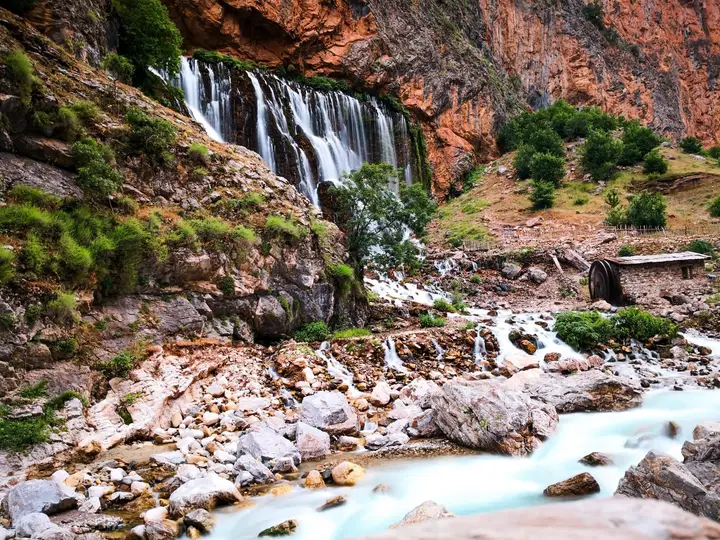 Photo: Wikimedia Commons (CC BY-SA) · Source
 Spring-fed waterfalls in the Zamantı River valley at Kapuzbaşı village in Yahyalı; the highest of them is known as the highest waterfall in Türkiye. It is about 145 km from Kayseri.
View on mapA mountain area on the borders of Kayseri, Niğde and Adana, containing the highest peaks of the Taurus Mountains and declared a national park in 1995; it is famous for its mountaineering and trekking routes.
View on map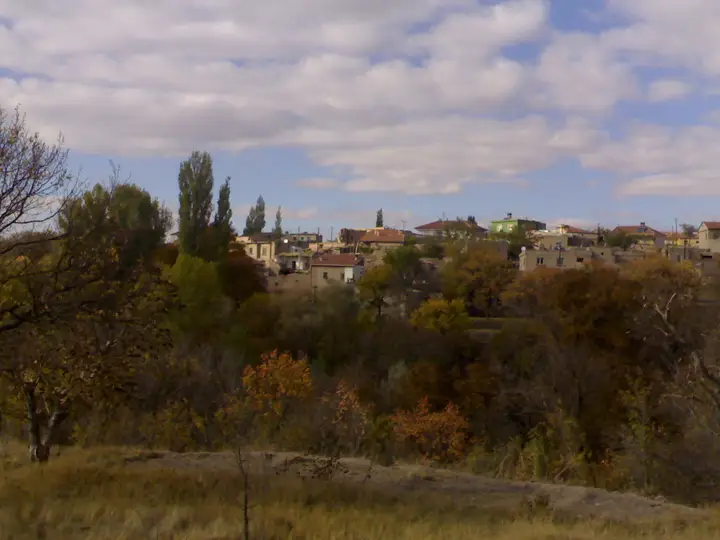 Photo: cankurtaran (CC BY 3.0) · Source
 A village in the Melikgazi district where Mimar Sinan was born; the house in which he was born has been turned into a museum, and the village also has an underground city.
View on mapKayseri lies in the south-east of Central Anatolia at an altitude of about 1,050 metres, on the northern slopes of Mount Erciyes (3,916 m), the highest mountain in Central Anatolia. The city’s history goes back a very long way: Kültepe (Kaniş), 20 km to the north-east, was the centre of a trading colony (karum) founded by Assyrian merchants in the early 2nd millennium BC; the tens of thousands of cuneiform tablets found here are the earliest known written documents in Anatolia.
In antiquity it was Mazaka, capital of the Kingdom of Cappadocia, and in the Roman period it took the name Caesarea, from which the modern name Kayseri comes. In the 11th century it became an important city of the Danishmendids and then of the Anatolian Seljuks. The monuments left from the Seljuk period make Kayseri one of the cities with the richest Seljuk heritage in Anatolia: the Gevher Nesibe Hospital, built in 1206, is counted among the world’s first combinations of medical school and hospital; the Hunat Hatun Complex (1238), the Sahabiye Madrasa and the tombs are also from this era. Mimar Sinan, the greatest architect of the Ottomans, was born in the village of Ağırnas in Kayseri.
Today Kayseri is one of Türkiye’s important industrial and trading cities; its organised industrial zone stands out for furniture, textiles and metalworking. The city’s tradition of enterprising merchants, together with products such as pastırma and sucuk, is part of Kayseri’s identity.
Kayseri has a continental climate: winters are cold and snowy, summers hot and dry. Averages for 1931–2025 from the Turkish State Meteorological Service:
| Month | Avg. high | Avg. low | Rainfall | Rainy days |
|---|---|---|---|---|
| January | 4.3 °C | −6.7 °C | 36 mm | 13 |
| February | 6.3 °C | −5.1 °C | 36 mm | 11 |
| March | 11.6 °C | −1.3 °C | 44 mm | 13 |
| April | 17.8 °C | 3.3 °C | 51 mm | 13 |
| May | 22.6 °C | 6.9 °C | 52 mm | 13 |
| June | 27.0 °C | 9.9 °C | 41 mm | 9 |
| July | 30.8 °C | 12.1 °C | 10 mm | 2 |
| August | 30.9 °C | 11.7 °C | 9 mm | 2 |
| September | 26.7 °C | 7.6 °C | 15 mm | 4 |
| October | 20.5 °C | 3.6 °C | 27 mm | 7 |
| November | 13.2 °C | −0.8 °C | 32 mm | 9 |
| December | 6.7 °C | −4.2 °C | 37 mm | 12 |
May–June and September–October are ideal for a city visit, and December–March for skiing. The ski season at Erciyes generally runs from December to April. In summer the days are hot and the nights cool; the difference between night and day can reach 18–20 °C. Bird migration at Sultansazlığı is at its busiest in spring and autumn.
By air: Kayseri Airport (ASR) is about 8 km north of the city centre; a new terminal building opened in 2025. There are frequent flights from Istanbul and Ankara, and it is one of the airports often used by visitors heading for Cappadocia.
By train: Kayseri is on the Ankara–Sivas and Kayseri–Adana railway lines; the Eastern Express (Doğu Ekspresi) passes through Kayseri.
By road: It is about 320 km from Ankara and about 75 km from Nevşehir/Ürgüp. Within the city there is an extensive tram network (Kayseray).
Day 1 – Seljuk Kayseri: Kayseri Castle, the Hunat Hatun Complex and the Covered Bazaar; mantı for lunch. In the afternoon, the Seljuk Civilisation Museum in the Gevher Nesibe Hospital and the Döner Tomb; in the evening, shop for pastırma and sucuk.
Day 2 – Kültepe and Ağırnas: Kültepe archaeological site in the morning, then the mansions of Talas and Mimar Sinan’s house in Ağırnas.
Day 3 – Erciyes or the south: Skiing at Erciyes in winter; in summer, the Soğanlı Valley, Sultansazlığı and the Kapuzbaşı Waterfalls (a full day).
The symbols of Kayseri cuisine are Kayseri pastırması, dried in a coating of çemen (fenugreek paste), and the spicy Kayseri sucuğu. The tiny Kayseri mantısı, of which 40 are expected to fit on a spoon, is also the pride of the city. Other delicacies with registered geographical indications are Kayseri yağlaması, Kayseri nevzinesi, Kayseri katmeri, Kayseri gül baklavası, Kayseri tandır böreği, Kayseri fırın ağzı kebabı, Kayseri pöç kebabı, Kayseri kavurması, Kayseri tepsi mantısı, purov mantısı and yağ mantısı, börek aşı and kurşun aşı çorbası, Kayseri çemeni and sucuk içi, Develi cıvıklısı and gaceri, Talas çörekotlu çömlek peyniri (Talas nigella-seed pot cheese), Talas Zincidere kuru kaymağı (Talas Zincidere dried clotted cream), Pınarbaşı Uzunyayla Çerkes peyniri (Pınarbaşı Uzunyayla Circassian cheese), Erkilet kedi bacağı (grapes), İncesu karaevrek üzümü (İncesu karaevrek grapes), Yamula patlıcanı (Yamula aubergine), Kayseri cırgalan biberi (Kayseri cırgalan pepper), Akkışla and Bünyan gilaburusu (Bünyan guelder rose), Tomarza kabak çekirdeği (Tomarza pumpkin seeds) and Özvatan çiçek balı (Özvatan flower honey).
Bünyan hand-woven carpets and Yahyalı hand-woven carpets are important examples of Anatolian carpet-making; the Soğanlı rag dolls (Soğanlı bez bebekleri) made by the villagers of Soğanlı also have a registered geographical indication.
Kayseri province has 16 districts. Explore the places to visit, local dishes and transport in each one.
Mantı with a registered geographical indication, famous for its tiny parcels.
A dish with a registered geographical indication, made with layers of yufka and minced meat.
A dessert with a registered geographical indication, made with tahini and walnuts.
A kebab with a registered geographical indication.
A baklava with a registered geographical indication.
The main stops are Kayseri Castle, the Hunat Hatun Complex, the Gevher Nesibe Hospital, the Döner Tomb, Kültepe, Ağırnas, the Talas houses, the Erciyes Ski Resort, Sultansazlığı, the Kapuzbaşı Waterfalls and the Soğanlı Valley.
Pastırma, sucuk, mantı, yağlama and nevzine. Kayseri has 35 registered geographical indications.
The cuneiform tablets found at Kaniş-Karum, the trading colony of the Assyrian merchants, are the earliest known written documents in Anatolia.
It generally runs from December to April; the resort is about 25 km from the city centre.
He was born in the village of Ağırnas in Kayseri; the house where he was born has been turned into a museum.
May–June and September–October are the best times for the city, and December–March for skiing.
The information in this guide has been compiled from and checked against the sources below (last checked: 8 October 2026). If you spot an error, please let us know.