Bünyan Grand Mosque
One of Bünyan's historic monuments surviving from the Hittite, Seljuk and Ottoman periods, the Bünyan Grand Mosque.
View on map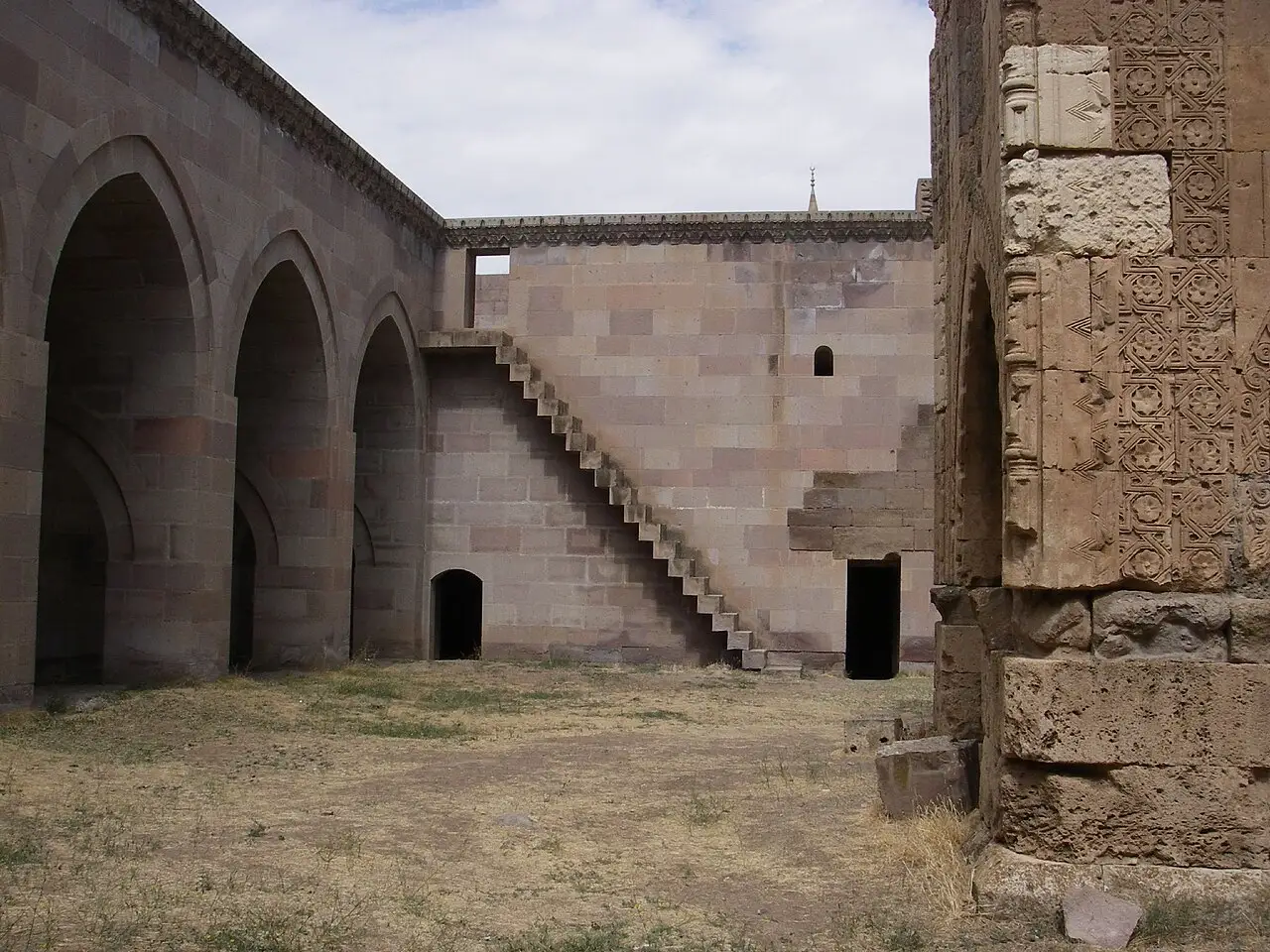 Photo: Jean & Nathalie (CC BY 2.0) · Source
 5 places to visit in the Bünyan district of Kayseri: Bünyan Grand Mosque, Sultanhanı and Karatay Caravanserai. Plan your trip to Bünyan with local food, practical tips and transport information.
The history of Bünyan and its surroundings goes back to the Hittite period, between 4000 and 1200 BC, as shown by the caves, mounds and archaeological remains near the district. From the 11th century the region came under Anatolian Seljuk rule and began to become Turkish during this period. It was incorporated into Ottoman territory in 1515, during Sultan Selim I’s campaign in Eastern Anatolia. With the proclamation of the Second Constitutional Era in 1908, the word “Hamid” was dropped from the name, and the district continued to be known as Bünyan.
Bünyan town centre is built on the northern slope of Koramaz Mountain, 40 km from the provincial centre. The district has an area of 1,302 km². The average elevation of Bünyan town centre is 1,338 metres above sea level.
The climate is continental. Summers are hot and dry, and winters are cold with snowfall. Rain falls mainly in April, May and October, and snow in December, January and February. The average annual rainfall is 35 cm.
The district’s economy is made up of agriculture, livestock farming, seasonal construction work and carpet weaving. Gilaburu production is one of the important sources of income. Carpet weaving remains a craft practised in the town centre and villages, contributing to the economy.
There are very old traces of settlement in the district, as evidenced by caves and remains in the villages. The district was once known as Sarımsaklı, and in 1895 it became a district under the name Bünyan-ı Hamid. In 1912 the district was separated from Sivas province and attached to Kayseri province. The region was incorporated into Ottoman territory by Sultan Selim I in 1515. Carpet weaving remains a craft practised in the town centre and villages. The historic monuments in the region date from the Hittite and Seljuk periods.
Last updated:
One of Bünyan's historic monuments surviving from the Hittite, Seljuk and Ottoman periods, the Bünyan Grand Mosque.
View on map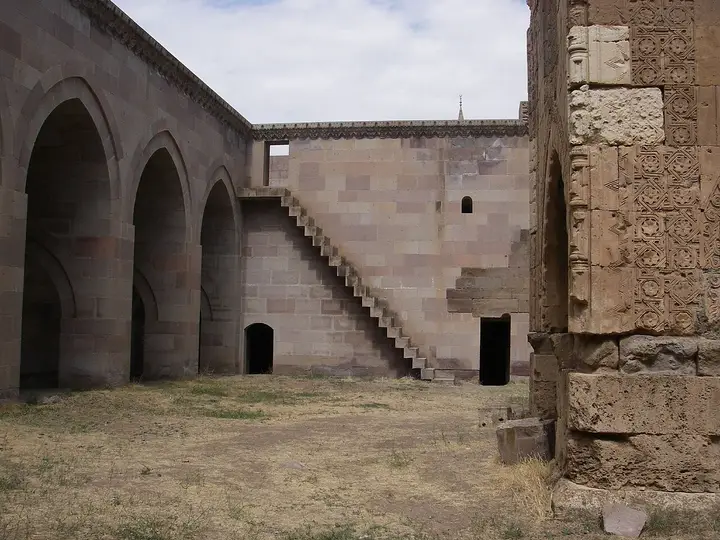 Photo: Jean & Nathalie (CC BY 2.0) · Source
 While you are in Bünyan, you can also see the highlights of Kayseri province. These places are in other districts.
Small pieces of dough filled with minced meat, boiled and served with yoghurt and garlic sauce. Prepared by local people for special occasions, this dish is a symbol of hospitality.
Tarhana, prepared with yoghurt, wheat and vegetables, is an essential soup on winter tables. Every household has its own tarhana recipe; some are more sour, others more spicy.
A fruit known locally as Giraboğlu, and one of the district's important sources of income.
Bünyan has been known for carpet weaving for centuries. Traditional hand-woven carpets form the basis of the district's cultural identity.
Bünyan's economy is based on agriculture and livestock farming. Bünyan's economy rests on agriculture, livestock farming and carpet weaving. Small and large livestock are important sources of livelihood. Beekeeping and forestry are also carried out in the district.
Bünyan is 50 km from Kayseri. Bus services run from Kayseri.
The highlights of Bünyan are 5 places: Bünyan Grand Mosque, Sultanhanı, Karatay Caravanserai, Kayabaşı Caves and Şammaspir Church.
Kayseri Mantısı, Tarhana Çorbası and Gilaboru fruit are the standout flavours on Bünyan's tables.
Bünyan is known for Bünyan El Halısı and its carpet-weaving tradition. It is registered with TÜRKPATENT as a protected geographical indication product.
Bünyan is 50 km from Kayseri. Bus services run from Kayseri.
Suggested visit length: half a day. Best time to visit: spring and autumn.