 Photo: Dosseman (CC BY-SA 4.0) · Source
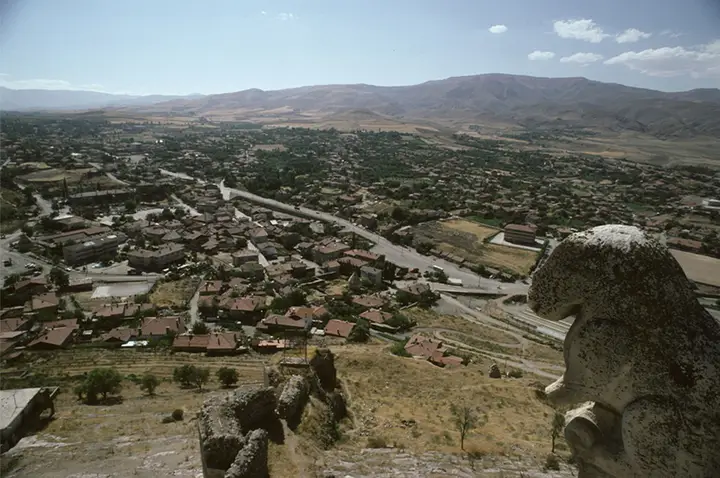
 Divriği Castle
A castle looking down on Divriği (1,013 m) from above the valley of the Çaltı Stream; it offers views over the town and the valley.
View on map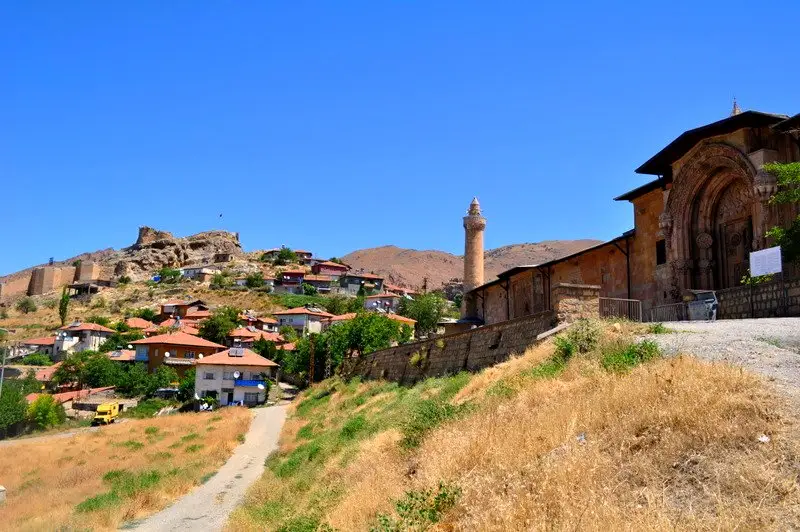 Photo: Panegyrics (CC BY-SA 2.0) · Source
 Sivas is one of the largest provinces in Türkiye by area, home to masterpieces of Anatolian Seljuk and Ilkhanid architecture, the UNESCO-listed Divriği Grand Mosque and Hospital, the Sivas Congress of 4 September 1919, and Kangal, famous for its Balıklı Hot Spring and the Kangal dog. The Gök Madrasa, Çifte Minareli Madrasa, Buruciye and Şifaiye madrasas, Sivas köftesi, katmer and pastırma are all registered.
Last updated:
11 places worth seeing in Sivas, from historic monuments to natural wonders, grouped by type. Open any of them on the map with a single click.
Photo: Dosseman (CC BY-SA 4.0) · Source A castle looking down on Divriği (1,013 m) from above the valley of the Çaltı Stream; it offers views over the town and the valley.
View on map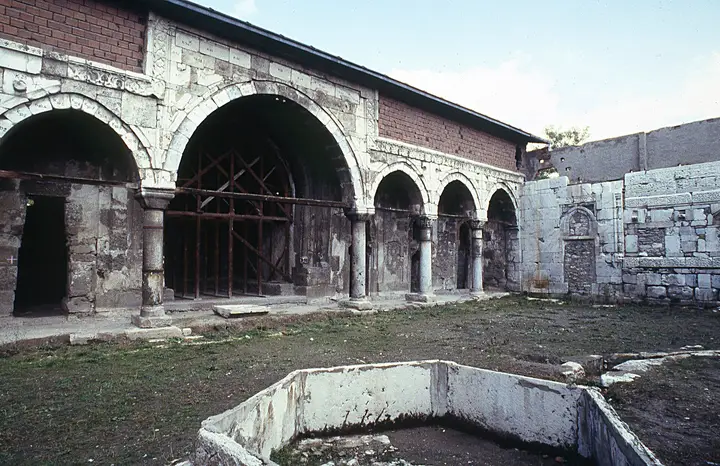 Photo: Dosseman (CC BY-SA 4.0) · Source
 Also known as the Sahibiye Madrasa; it was built in 1271 in the reign of Gıyâseddin Keyhüsrev III as a foundation of the vizier Sahip Ata Fahreddin Ali, by the architect Kaluyan el-Konevî, and takes its name from its turquoise tiles.
View on map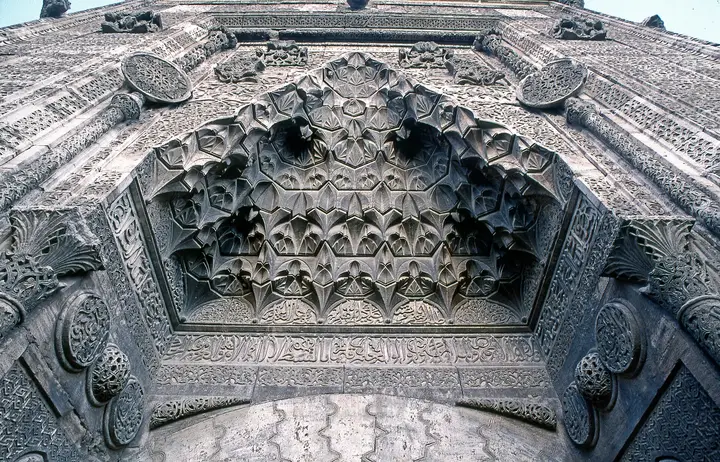 Photo: Dosseman (CC BY-SA 4.0) · Source
 A madrasa built in 1271 by Muzafferüddin Burucirdî of Burucird, regarded as one of the finest examples of Seljuk stone carving.
View on mapA madrasa built in 1271 by the Ilkhanid vizier Şemseddin Cüveyni, known for its portal and its two minarets of brick and tile; its covered section has been lost.
View on mapA hospital (darüşşifa) built in 1217 by İzzeddin Keykâvus I; at about 3,400 m² it is the largest of the Seljuk hospitals in Türkiye, and one of the oldest surviving hospitals in the world.
View on mapA district at 1,350 metres; the Battle of Kösedağ, in which the Anatolian Seljuks were defeated by the Mongols in 1243, was fought here.
View on map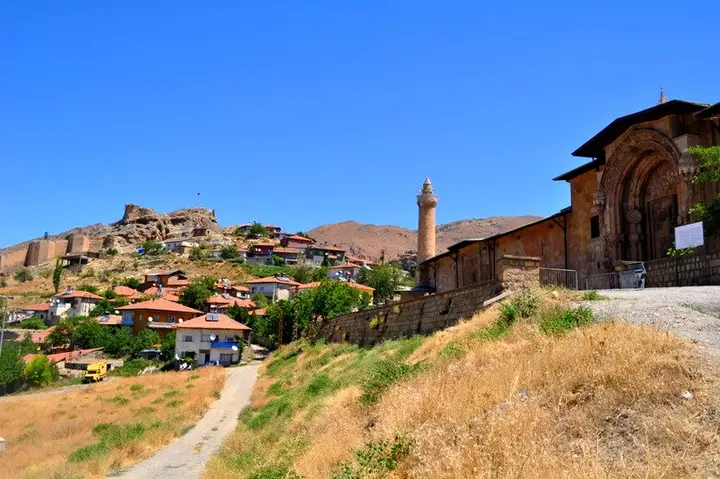 Photo: Panegyrics (CC BY-SA 2.0) · Source
 In Divriği, a mosque built in 1228–29 for the Mengücek ruler Ahmed Şah and a hospital (darüşşifa) built for his wife Turan Melek; they are attributed to the architect Ahlatlı Hürrem Şah. It is on the UNESCO World Heritage List.
View on mapA mosque built in 1196–97; İzzeddin Keykâvus I had it repaired in 1212 and built its minaret in 1213.
View on map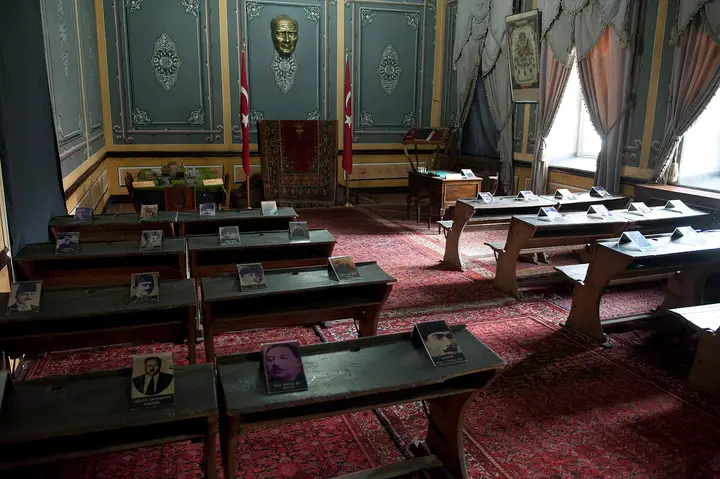 Photo: Dosseman (CC BY-SA 4.0) · Source
 The Sivas Congress met from 4 to 12 September 1919 in this building, which opened as a high school in 1887; the congress hall can be visited today as a museum.
View on mapA karstic lake of about 80 hectares at an altitude of 1,295 metres, north of the Hafik district (also called Büyük Göl or Koçhisar Lake).
View on map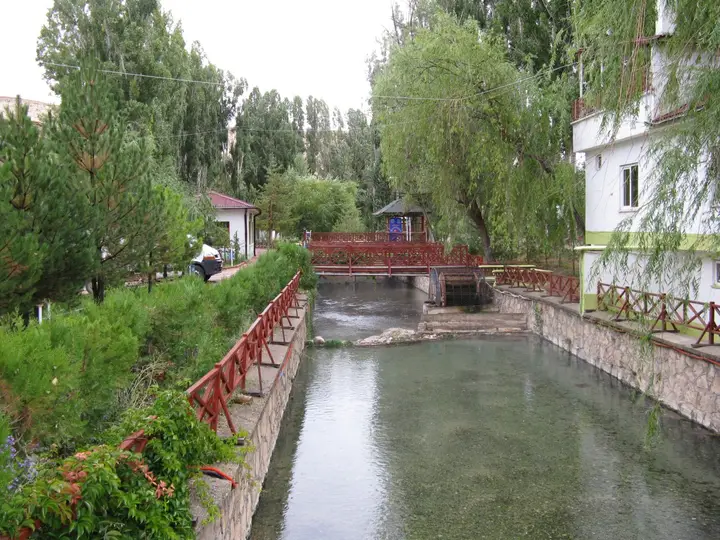 Photo: Alen Ištoković (CC BY 3.0) · Source
 13 km from the centre of Kangal district, one of the rare thermal springs where fish live in the water; its designation of origin is registered.
View on mapSivas lies in the east of Central Anatolia, in the valley of the Kızılırmak, on the old trade routes that lead into Eastern Anatolia. Known in antiquity as Sebasteia (Sebastia), the city is one of the oldest settlements in Anatolia; finds show that the first settlement in the area goes back to the Neolithic (8000–5500 BC). In the 17th century BC it lay within Hittite borders, and in the Late Hittite period it was known as Tilgarimmu.
The Seljuk Turks brought Sivas firmly under Turkish rule soon after the Malazgirt Victory (Manzikert). In the 13th century Sivas became an important city under the Anatolian Seljuk State and then the Ilkhanids; the Şifaiye Madrasa (1217), Gök Madrasa (1271), Çifte Minareli Madrasa (1271) and Buruciye Madrasa (1271) are relics of that era. The Divriği Grand Mosque and Hospital (1228–29) in the south-east of the province, built by the Mengücek ruler Ahmed Şah and his wife Turan Melek, were inscribed on the UNESCO World Heritage List for their stonework.
Sivas was also a key stop in the War of Independence: Mustafa Kemal Paşa convened the Sivas Congress on 4 September 1919, and it met from 4 to 12 September in the former Sivas Sultani School (Mekteb-i Sultânî), today’s Sivas Atatürk and Congress Museum. Atatürk left Sivas for Ankara on 18 December 1919.
Sivas has a continental climate: winters are cold and snowy, summers hot and dry. Averages for 1929–2025 from the Turkish State Meteorological Service:
| Month | Avg. high | Avg. low | Rainfall | Rainy days |
|---|---|---|---|---|
| January | 1.0 °C | −7.2 °C | 43 mm | 13 |
| February | 2.7 °C | −6.2 °C | 39 mm | 12 |
| March | 8.1 °C | −2.0 °C | 46 mm | 13 |
| April | 15.2 °C | 3.1 °C | 56 mm | 13 |
| May | 20.1 °C | 7.0 °C | 60 mm | 14 |
| June | 24.1 °C | 9.7 °C | 35 mm | 9 |
| July | 27.9 °C | 11.8 °C | 10 mm | 2 |
| August | 28.7 °C | 11.8 °C | 7 mm | 2 |
| September | 24.7 °C | 8.2 °C | 18 mm | 4 |
| October | 18.6 °C | 4.2 °C | 33 mm | 8 |
| November | 10.9 °C | −0.2 °C | 40 mm | 9 |
| December | 3.8 °C | −4.2 °C | 43 mm | 12 |
The best time to visit is May to September. June to September is ideal for Divriği and Kangal; in winter the city centre is very cold and snowfall is frequent.
By air: Sivas Nuri Demirağ Airport opened in 1957 for military use and began serving civilian air traffic in 1990; its 3,811 × 45-metre runway is the second longest in Türkiye.
By train: The Ankara–Sivas high-speed line and the lines to Kars and Kayseri pass through Sivas; Sivas Station is the centre of the city’s railway heritage (the Cer Workshop).
By road: Sivas lies at the junction of the Ankara–Erzurum and Kayseri–Samsun roads.
Day 1 – Seljuk Sivas: The Şifaiye, Çifte Minareli, Buruciye and Gök madrasas and Sivas Grand Mosque; in the afternoon the Congress Museum, and Sivas köftesi in the evening.
Day 2 – Divriği: The portals of the Divriği Grand Mosque and Hospital, and views of the town from Divriği Castle.
Day 3 – Kangal: The Balıklı Hot Spring, the Kangal dog and the Kangal sheep.
Sivas cuisine is known for its meat dishes and pastries. The delicacies with a registered geographical indication are Sivas köftesi (Sivas meatballs), Sivas katmeri (flaky pastry), Sivas pastırması (cured beef), Sivas kellesi (Sivas lamb’s head), Sivas pezik turşusu (Sivas pezik pickle), Divriği pilavı (Alatlı pilavı) (Divriği rice pilaf), Tonus köftesi (tonus meatballs), Ulaş etli pidesi (Ulaş meat pide), Ulaş yaprak döneri (Ulaş leaf döner), Zara sac ekmeği (Zara griddle bread) and Suşehri kuru fasulyesi (Suşehri dried beans). The registered products are Zara balı (Zara honey), Gemerek gilaburusu (Gemerek gilaburu), Gürün dut pekmezi (Gürün mulberry molasses), Koyulhisar domatesi (Koyulhisar tomatoes) and Kangal koyunu (Kangal sheep).
Sivas el halısı (Sivas handmade carpet), Şarkışla kilimi (Şarkışla kilim), Sivas bıçağı (Sivas knife), Sivas kemik tarağı (Sivas bone comb) and Yenihan bebekleri (Yenihan dolls) have registered geographical indications. The Kangal Balıklı Hot Spring, meanwhile, is a registered designation of origin.
Sivas province has 17 districts. Explore the places to visit, local dishes and transport in each one.
Meatballs with a registered geographical indication.
Katmer (flaky pastry) with a registered geographical indication.
Pastırma (cured beef) with a registered geographical indication.
A pilaf with a registered geographical indication, also known as Alatlı pilavı.
Döner with a registered geographical indication.
Bread with a registered geographical indication.
The main stops are the Divriği Grand Mosque and Hospital, the Gök Madrasa, Çifte Minareli Madrasa, the Buruciye and Şifaiye madrasas, the Congress Museum and the Kangal Balıklı Hot Spring.
Sivas köftesi, katmer, pastırma, the Kangal dog, the Kangal Balıklı Hot Spring and the Seljuk madrasas.
It met from 4 to 12 September 1919 in the former Sivas Sultani School (Mekteb-i Sultânî); the building is today the Sivas Atatürk and Congress Museum.
The mosque and hospital, built in 1228–29, are on the UNESCO World Heritage List for their stonework.
May to September is the best time; winters are very cold.
The information in this guide has been compiled from and checked against the sources below (last checked: 8 October 2026). If you spot an error, please let us know.