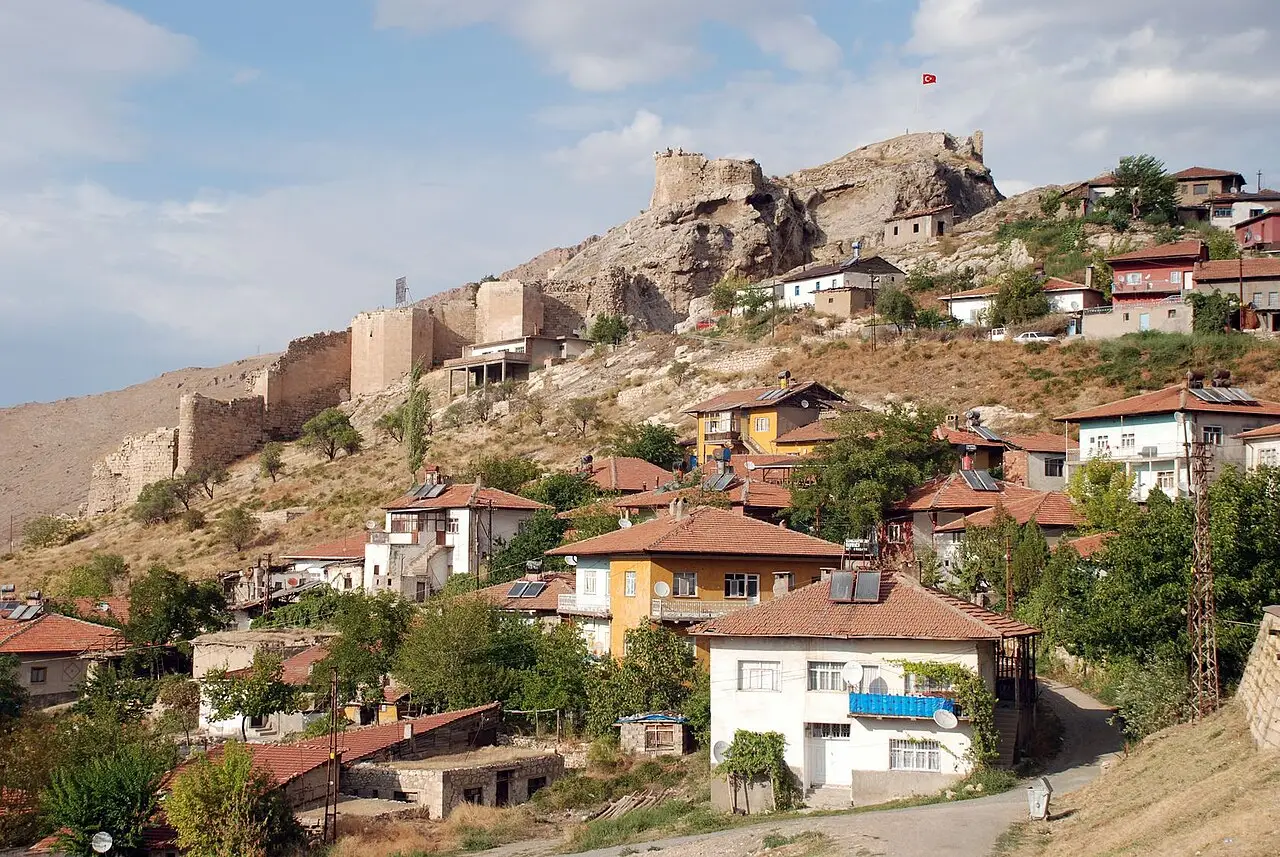
5 places to visit in the Divriği district of Sivas: Hüseyin Gazi Tomb, Divriği Grand Mosque and Hospital (UNESCO) and Divriği Castle. Plan your trip to Divriği with local food, practical tips and transport information.
Divriği is a district in the west of Sivas province, founded on the banks of the Çaltı Stream Valley, a tributary of the Euphrates. The district’s land holds rich iron deposits, and mining companies are active there.
History
Divriği has been a major settlement since the Hittite Empire. Known in Hittite times as a settlement, the name Divriği appears in ancient Greek manuscripts as Apbrike. After the Battle of Manzikert, Divriği passed under Turkish rule and was given to Mengücek Gazi. The castle built by Süleyman Şah in 1224 and the Grand Mosque commissioned by his son Ahmetşah in 1228 are the major works of this period from the Seljuk era.
Geography
The district covers a very mountainous region, with small branches of the Euphrates flowing in steep, deep valleys between the mountains. Its main plateaus are Yama, Sarıçiçek, Göldağı, Eğrisu, Demirli and Dumluca, and many villages have their own plateaus. The district’s major mountains are Çengelli Dağı (2,650 m) and Deli Dağ (2,150 m) to the north, and Yama, Demirli, Geyikli and Sarıçiçek mountains to the south.
History and Culture
Divriği has been settled since the Hittite Empire and is one of the important settlement centres of Anatolia. Ancient Greek sources called Divriği Apbrike, and in the Byzantine period it was named Teprike. After the Battle of Manzikert, Divriği came under Turkish rule and was given to Mengücek Gazi. In the past, the region grew wealthy by exporting iron to Mesopotamia. Its high, cool mountains provided an environment well suited to the development of highland pastoralism.
Last updated: