Getting to Know Konya
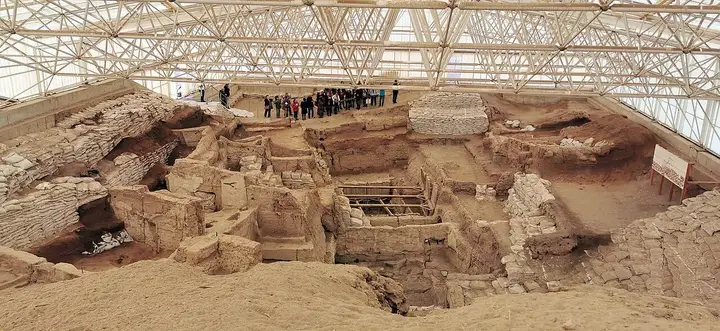
Konya lies on the broad Konya Plain in the south of Central Anatolia and, at about 40,000 km², is the largest province in Türkiye by area. Çatalhöyük (Çumra), one of the oldest urban settlements in human history, was inhabited for about two thousand years from around 7400 BC; with its wall paintings and adjoining houses entered through the roof, it was added to the UNESCO World Heritage List in 2012. In antiquity the city was known as Ikonion; Saint Paul also preached in Ikonion and in nearby Lystra (Kilistra).
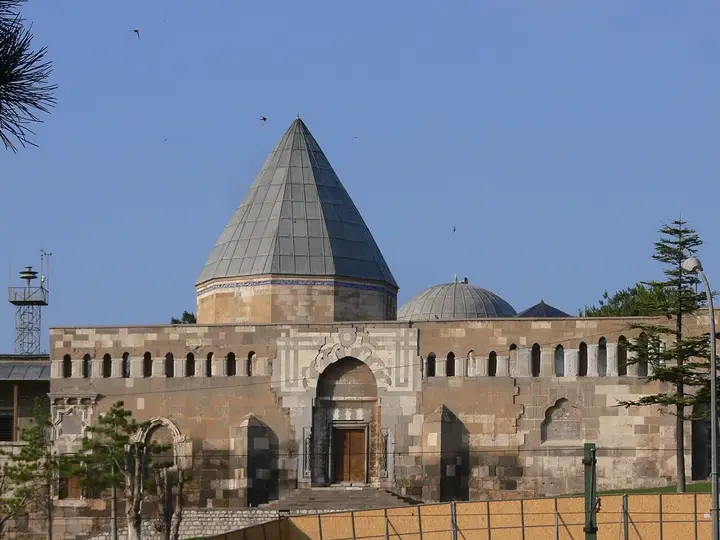
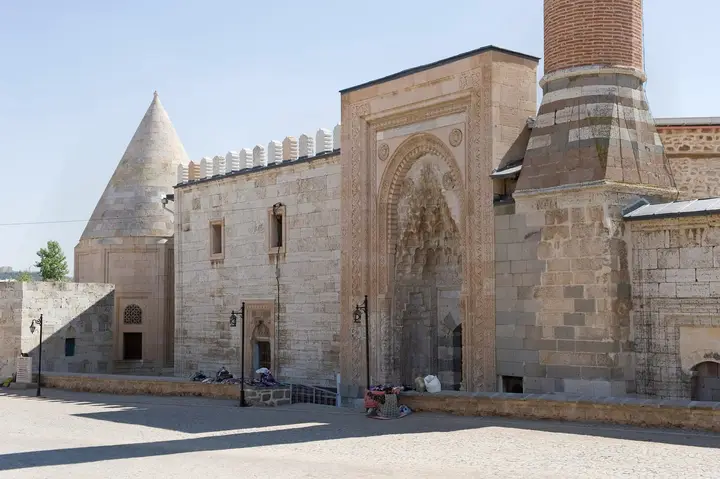
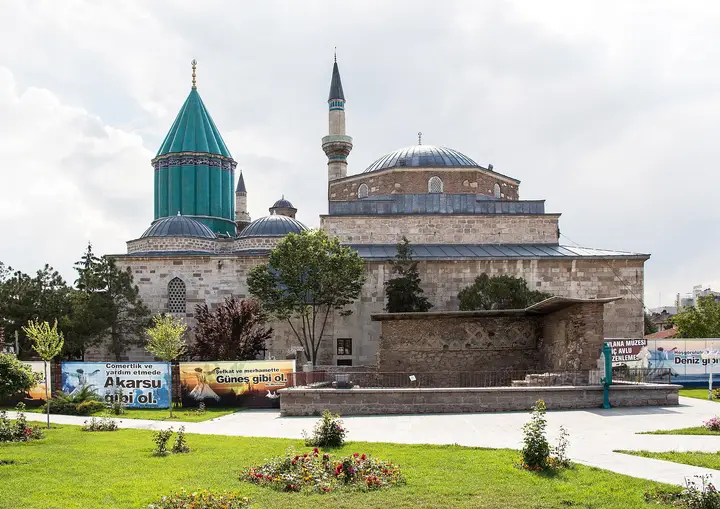
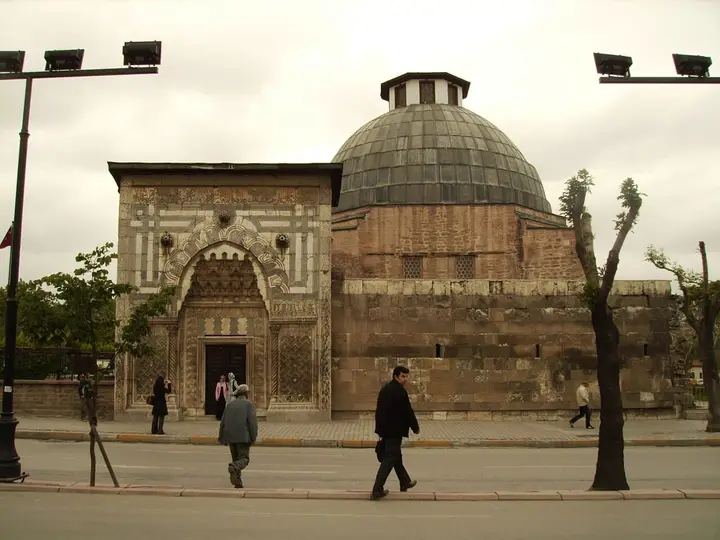
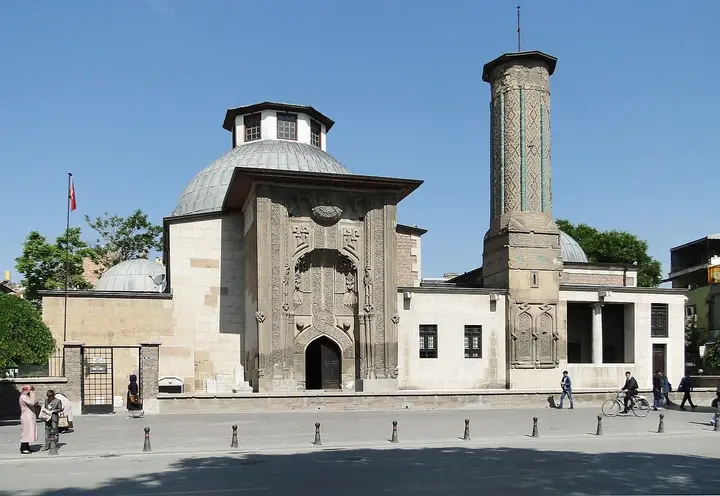
Konya’s golden age came in the 12th and 13th centuries, when it was the capital of the Anatolian Seljuk State. The mosque and pavilion remains on Alaeddin Hill, the Karatay Madrasa (1251), the İnce Minareli Madrasa (1264) and the Sırçalı Madrasa are the masterpieces of this period. Mevlânâ Celâleddîn-i Rûmî (1207–1273), who came from Balkh and settled in Konya, lived and died here; his dervish lodge is now the Mevlânâ Museum, one of the most visited museums in Türkiye. 17 December, the anniversary of Mevlânâ’s death, is commemorated with the Şeb-i Arûs ceremonies.
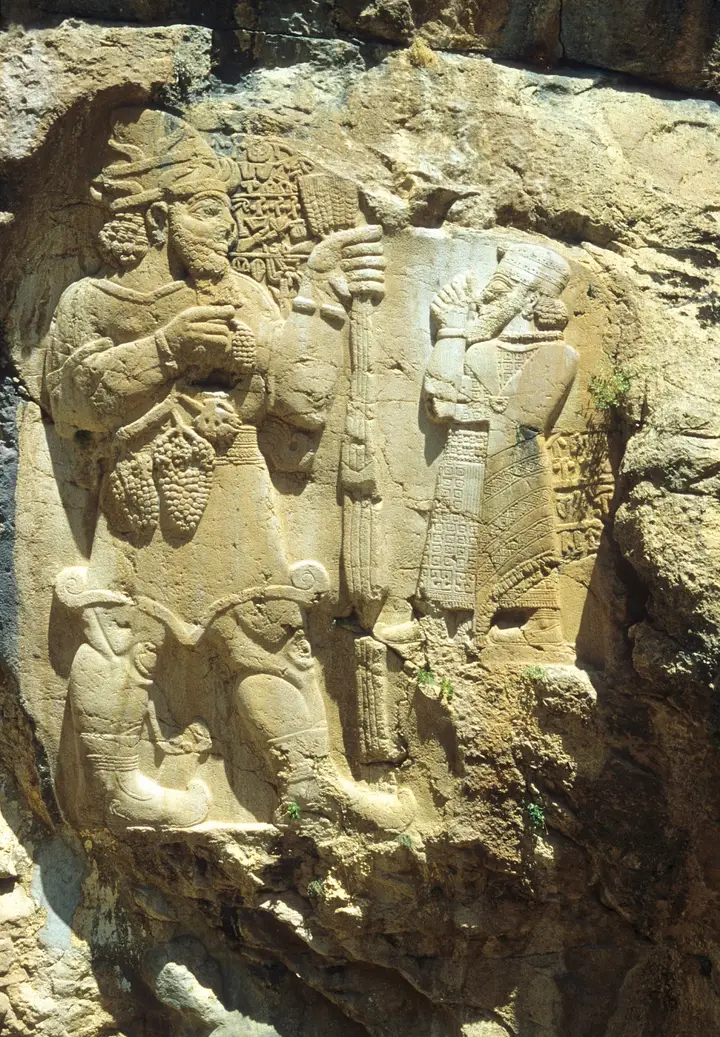
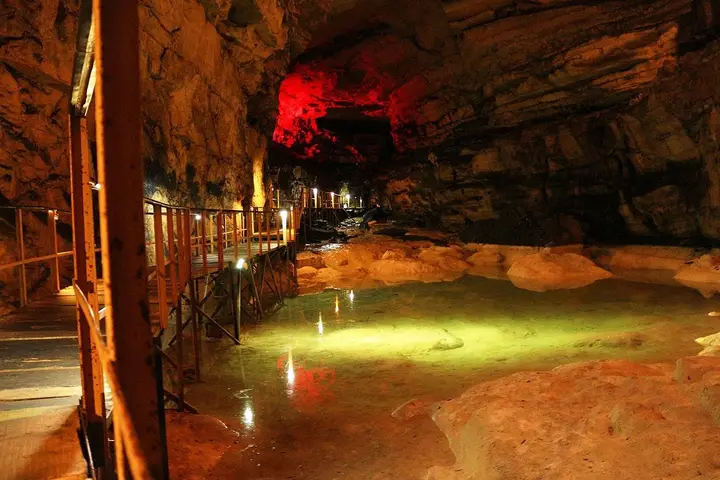
After the Seljuks, Konya passed to the Karamanids and, from 1467, to Ottoman rule. Today, with agriculture (wheat, sugar beet), industry and services, it is one of the major cities of Türkiye. The Eşrefoğlu Mosque and Kubadabad Palace in Beyşehir, the Nasreddin Hoca Tomb in Akşehir, the İvriz relief in Ereğli and Tınaztepe Cave in Seydişehir are treasures scattered across the province’s wide territory.
When to Go
Konya has a continental climate: winters are cold, and summers are hot and very dry. Averages for 1927–2025 from the Turkish State Meteorological Service:
| Month |
Avg. high |
Avg. low |
Rainfall |
Rainy days |
| January |
4.8 °C |
−4.1 °C |
37 mm |
10 |
| February |
7.0 °C |
−3.3 °C |
28 mm |
8 |
| March |
11.8 °C |
−0.2 °C |
29 mm |
9 |
| April |
17.6 °C |
4.4 °C |
31 mm |
9 |
| May |
22.3 °C |
8.6 °C |
43 mm |
10 |
| June |
26.7 °C |
12.7 °C |
25 mm |
7 |
| July |
30.2 °C |
16.0 °C |
8 mm |
2 |
| August |
30.3 °C |
15.8 °C |
6 mm |
1 |
| September |
26.1 °C |
11.1 °C |
14 mm |
3 |
| October |
19.9 °C |
5.9 °C |
29 mm |
6 |
| November |
13.2 °C |
0.9 °C |
32 mm |
6 |
| December |
6.7 °C |
−2.2 °C |
43 mm |
10 |
April to June and September to October are ideal for a city visit. Annual rainfall is only about 325 mm. The Şeb-i Arûs ceremonies are held every year between 7 and 17 December; buy tickets for the sema performances in advance. In summer, days are hot and nights are cool.
How to Get to Konya
By high-speed train: Konya has been linked to Ankara by YHT since 2011 (about 1 hour 45 minutes), and there are also direct high-speed train services to Istanbul.
By air: Konya Airport (KYA) is about 15 km north-east of the city centre; there are regular flights from Istanbul.
By road: Konya lies at the junction of the roads to Ankara (about 260 km), Antalya (about 300 km), Aksaray, Karaman and Afyonkarahisar. The tram network within the city is extensive.
Konya Area by Area
- Karatay and Meram (historic centre): the Mevlânâ Museum, Selimiye Mosque, Karatay Madrasa (Museum of Tile Works), Alaeddin Hill and Mosque, İnce Minareli Madrasa (Museum of Stone and Wood Works), Sırçalı Madrasa, Sahip Ata Complex, Aziziye Mosque and the bedesten bazaar.
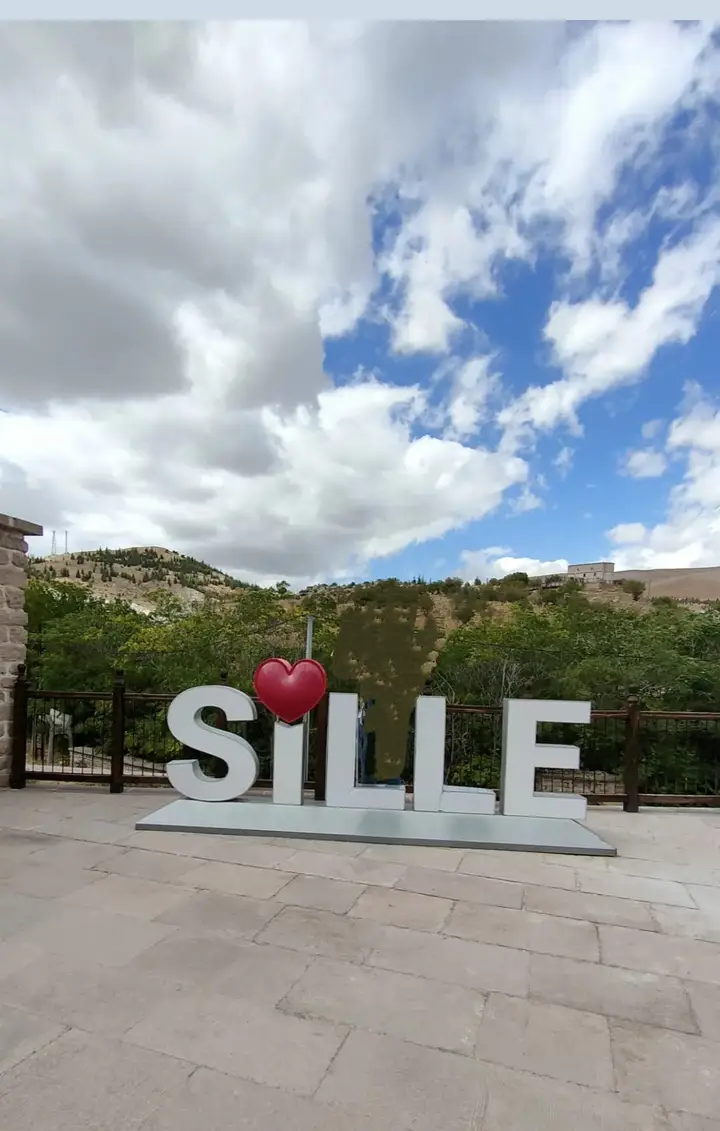
- Selçuklu and Sille: in Sille, 8 km north-west of the city, the Aya Eleni Church and rock-cut structures; the Japanese Park and the Tropical Butterfly Garden.
- Çumra: the Neolithic city of Çatalhöyük.
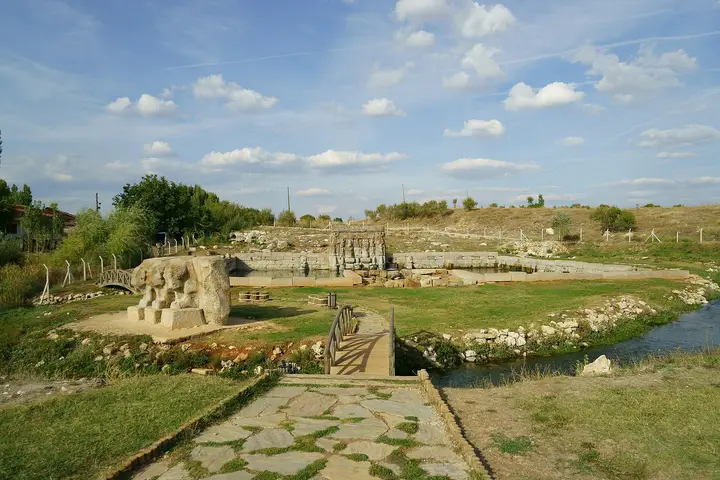
- Beyşehir and Seydişehir: Eşrefoğlu Mosque, Kubadabad Palace, Eflatunpınar Hittite Water Monument and Lake Beyşehir; Tınaztepe Cave and Lake Suğla.
- Akşehir: the Nasreddin Hoca Tomb, the Stone Madrasa (Taş Medrese) and the registered Akşehir cherries.
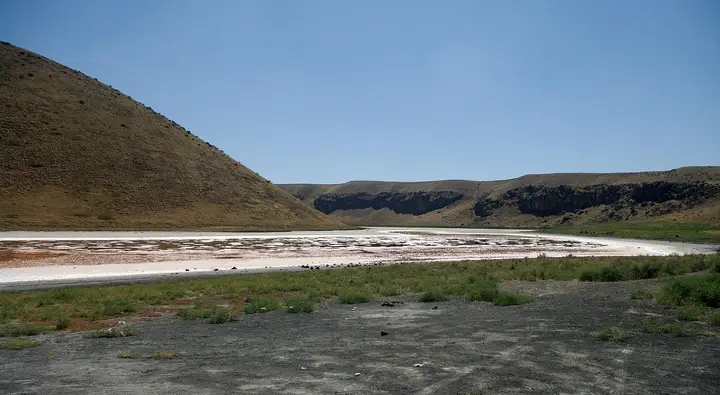
- Ereğli and Karapınar: the İvriz Hittite relief; Lake Meke and volcanic Karapınar.
- Bozkır and Hadim: the ancient city of Zengibar (Isaura) and the Göksu valley.
Suggested Itineraries
Day 1 – Seljuk Konya: In the morning, the Mevlânâ Museum and Selimiye Mosque, then the Karatay Madrasa and Alaeddin Hill. Etliekmek for lunch; in the afternoon, the İnce Minareli Madrasa and Sahip Ata Complex. In the evening, fırın kebabı and a sema performance (Mevlânâ Culture Centre).
Day 2 – Çatalhöyük and Sille: In the morning, the Çatalhöyük excavation site and the experimental houses; in the afternoon, the Aya Eleni Church and rock structures in Sille.
Day 3 – Beyşehir: The wooden columns of the Eşrefoğlu Mosque, Eflatunpınar and sunset on Lake Beyşehir; Kubadabad for those who wish.
Konya Cuisine
In TÜRKPATENT records, Konya cuisine, with 92 geographical indications, is among the provinces with the most registered products in Türkiye. The best-known flavours are the long Konya etliekmeği (meat-topped flatbread), made with wafer-thin dough and minced meat; Konya fırın kebabı (oven-roasted lamb), in which lamb is cooked in large ovens; Konya bamya çorbası (okra soup); Konya tiridi; the Konya sac arası dessert; Konya etli düğün pilavı (wedding rice with meat); Konya höşmerimi (a milk-based dessert); Konya tandır çorbası (tandır soup); Konya kıtırlı mantı (crispy dumplings); Konya peynir şekeri (cheese candy); Konya badem helvası (almond halva); and Sille kurabiyesi (Sille biscuits). From the districts, Akşehir tandır kebabı (Akşehir tandır-roasted meat), Akşehir peynir baklavası (Akşehir cheese baklava), Kadınhanı tahinli pidesi (Kadınhanı tahini flatbread), Ilgın haşhaşlı kömbe (Ilgın poppy-seed bread), Karapınar kavurgası (Karapınar fried meat), Seydişehir leblebisi (Seydişehir roasted chickpeas) and Bozkır tahini (Bozkır tahini) are registered.
Products: Akşehir kirazı (Akşehir cherries), Ereğli beyaz kirazı (Ereğli white cherries), Hüyük and Seydişehir çileği (Hüyük and Seydişehir strawberries), Çumra kavunu (Çumra melons), Ereğli siyah havucu (Ereğli black carrots), Derbent and Derebucak Gembos şeker fasulyesi (Derbent and Derebucak Gembos sugar beans), Atlantı Dededağ tulum peyniri (Atlantı Dededağ goatskin-cured cheese) and Karapınar koyun yoğurdu (Karapınar sheep’s-milk yoghurt).
Handicrafts
Konya has a deep-rooted tradition of carpet and kilim weaving: the Karapınar halısı (Karapınar carpet), Karapınar tülü dokuması (Karapınar tülü weaving), Emirgazi halısı (Emirgazi carpet), Nuzumla kilimi (Nuzumla kilim) and Nuzumla yatak halısı (Nuzumla bed carpet) have registered geographical indications.
Practical Tips
- The Mevlânâ Museum is free of charge but very crowded; go when it opens in the morning, and keep quiet in the mausoleum.
- Sema ceremonies can be watched free of charge on Saturday evenings at the Mevlânâ Culture Centre; ticketed performances are held during the Şeb-i Arûs period.
- Eat etliekmek hot, fresh out of the oven; also try the “bıçakarası” (knife-cut) variety.
- Çatalhöyük is about 50 km from the city centre; public transport is limited.
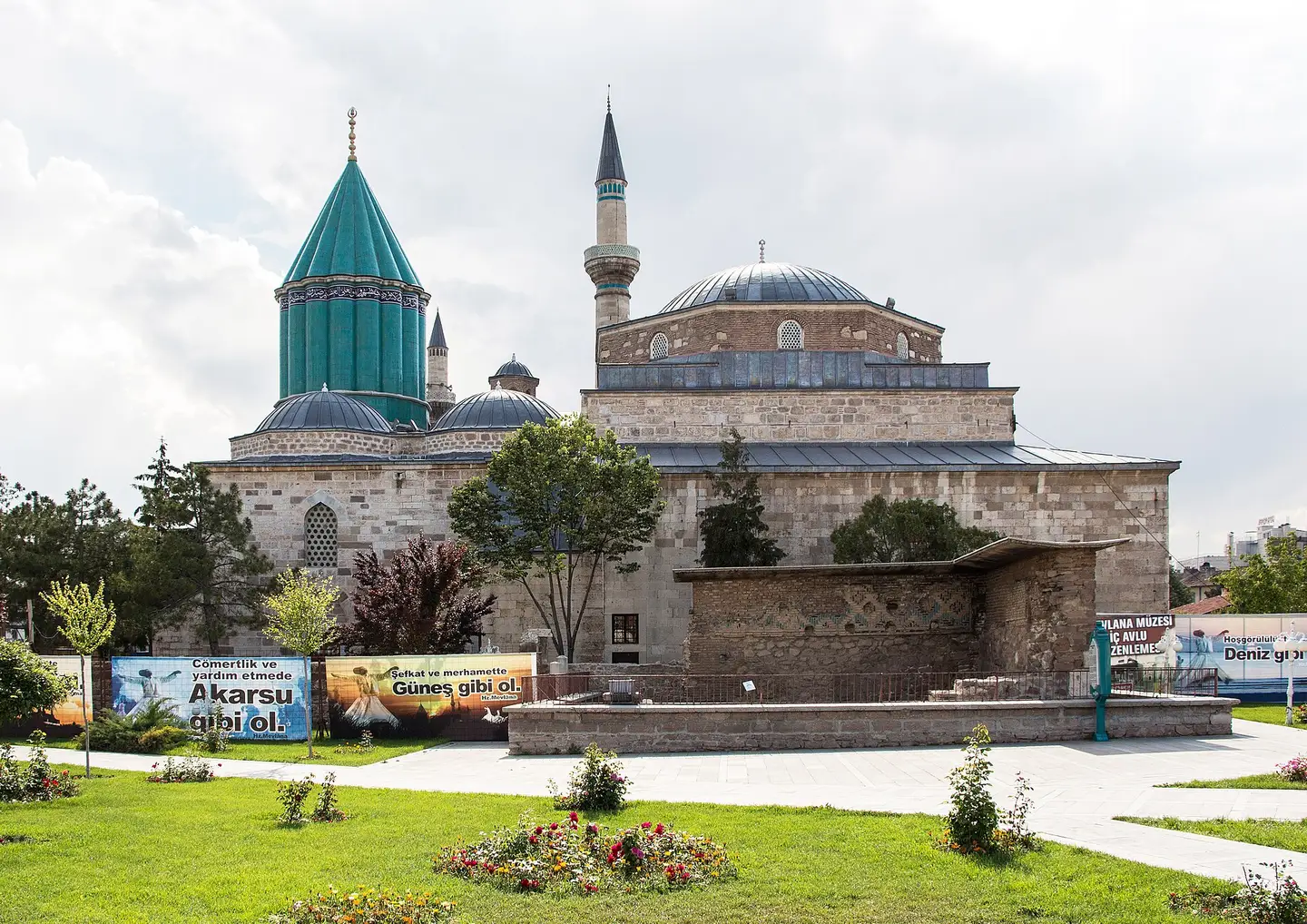
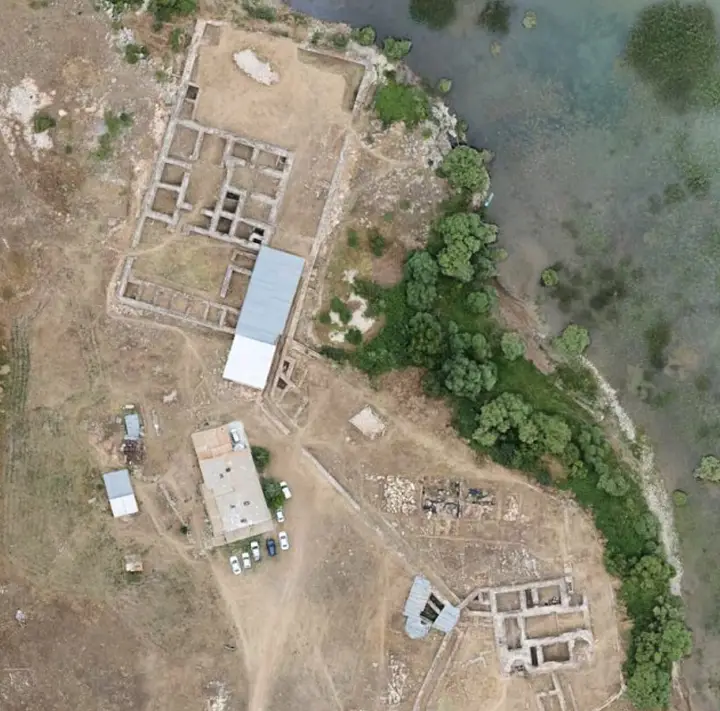 Photo: Saadet Armağan Güleç Korumaz, Ferruh Yıldız (CC BY-SA 4.0) · Source