Derbent Boğazı (Derbent Pass)
In the Ottoman period, the guard posts at mountain passes and gorges were called derbent.
View on map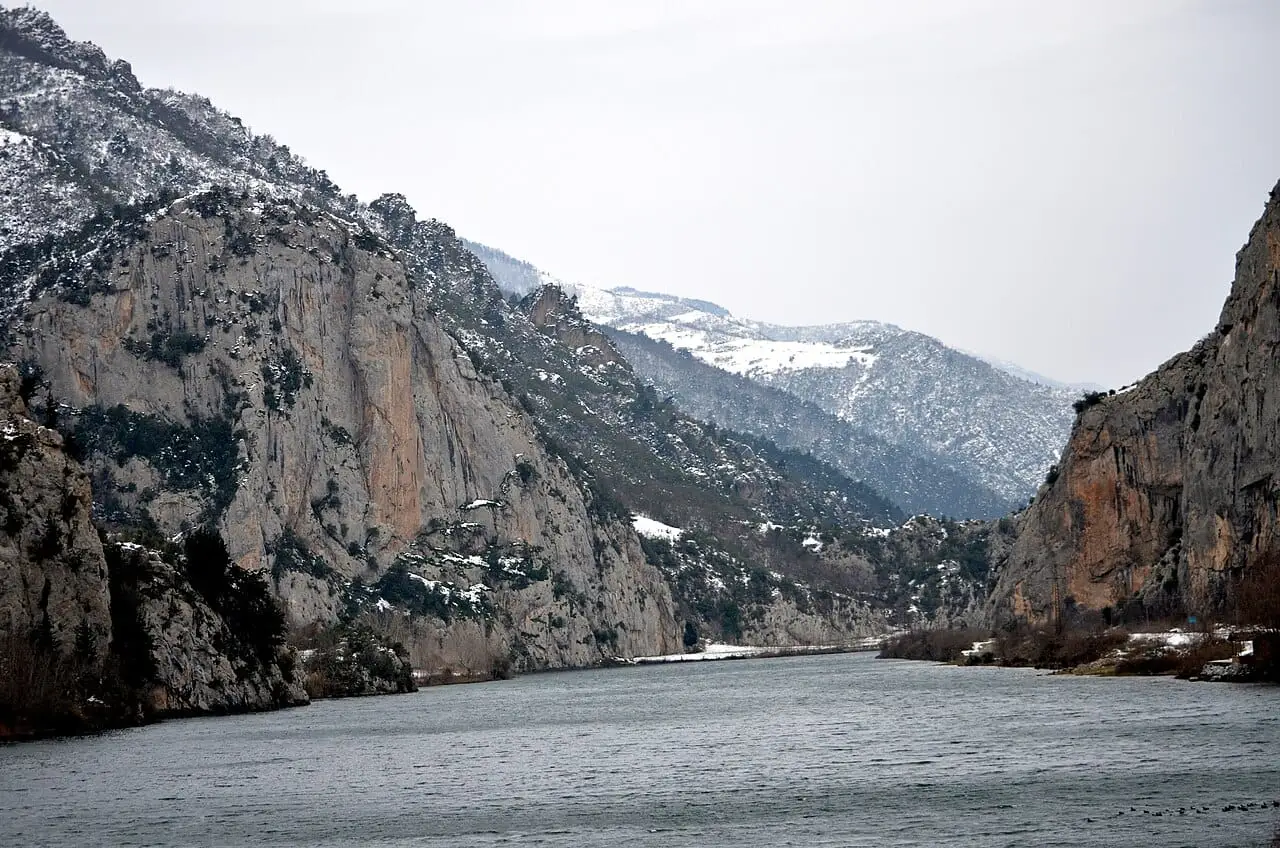 Photo: sami yılmaz (CC BY 3.0) · Source
 2 places to visit in the Derbent district of Konya: Derbent Boğazı (Derbent Pass) and Derbent Dam. Plan your trip to Derbent with local food, practical tips and transport information.
Derbent is 78 km from Konya.
It became a town in 1930, and in 1959 it became a nahiye (sub-district) attached to the district of Ilgın. The Derbent bucak (sub-district), attached to Konya’s central district, was joined to the district of Selçuklu in 1987. It separated from Selçuklu district and became a district in 1990.
Of the district’s total area of 156 km², about 10 km² is irrigable and the rest is agricultural land. The average elevation of the district centre above sea level is 1,477 metres.
Derbent remained within the borders of the Eşrefoğulları Beylik in the Seljuk period. In the Ottoman period, the word derbent was used for the guard posts at passes and gorges in the mountains.
Derbent was founded in 1722. It became a town in 1930.
Last updated:
In the Ottoman period, the guard posts at mountain passes and gorges were called derbent.
View on map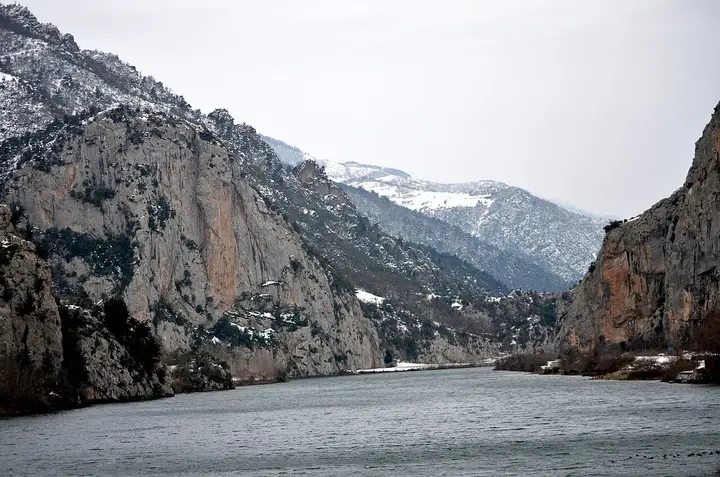 Photo: sami yılmaz (CC BY 3.0) · Source
 Dam built for irrigation. With the green areas around it, it is a suitable place for picnics and nature walks.
View on mapWhile you are in Derbent, you can also see the highlights of Konya province. These places are in other districts; Derbent is about 90 km from the provincial centre.
Keşkek is prepared by pounding wheat and meat after long boiling, and is the traditional dish of wedding feasts. Pounding the wheat and boiling it with meat for hours is a process that requires patience.
Traditional bread baked in a clay tandır oven, still made in Derbent's villages.
The name Derbent means 'narrow pass' in Turkish. For centuries the district was a strategic passage linking the interior of Anatolia to the south.
The economy of Derbent is based on farming and livestock. Wheat, barley and small-livestock farming are the main sources of livelihood.
Derbent is 90 km from Konya city centre. Access is by road.
The 2 highlights of Derbent are the Derbent Pass and the Derbent Dam.
Keşkek and Tandır Ekmeği are the standout dishes on Derbent's tables.
Derbent is known for Derbent Beans and its mountain-pass culture. It is a protected designation of origin registered with TÜRKPATENT.
Derbent is 90 km from Konya city centre. Access is by road.
Suggested visit: half a day. Best time to visit: spring and summer.