Doğanhisar Castle
A castle on the hill near the district centre, built in the Seljuk period; part of its walls still stands.
View on map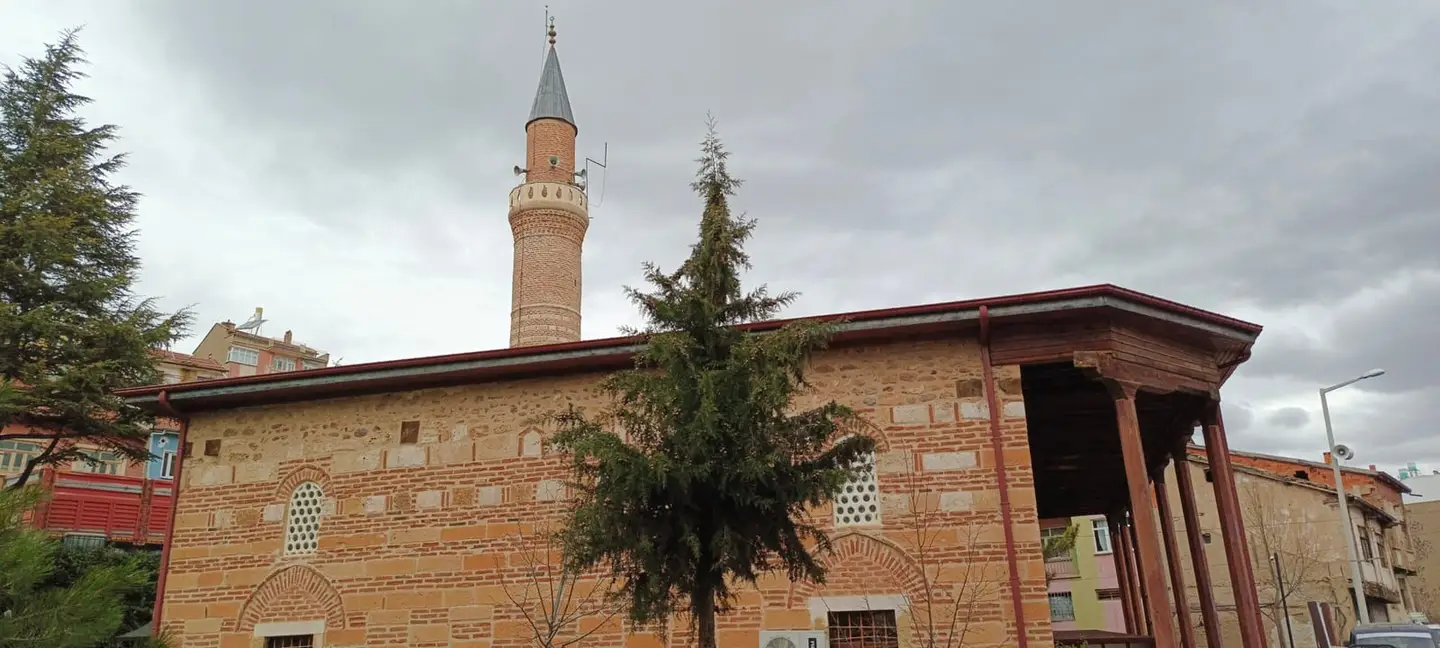 Photo: Wikipedia (CC BY-SA) · Source
 7 places to visit in the Doğanhisar district of Konya: Doğanhisar Castle, Doğanhisar Grand Mosque and Grand Mosque. Plan your trip to Doğanhisar with local food, practical tips and transport information.
Doğanhisar is a district of Konya province.
In antiquity, Doğanhisar lay in the region called Phrygia Parōreia. It was founded in Konya around 500 BC under the name Meteos (Metyos). The district was captured by the Byzantine Empire in 395. After the Battle of Malazgirt in 1071, and with the Seljuks’ westward expansion, Doğanhisar came under Turkish rule in 1110. There are two views on the origin of the name. According to the first, the name symbolises the falcon (doğan), the emblem of the Seljuks. In the Republican period, Doğanhisar became a district under a law published in the Official Gazette on 27 June 1957.
Doğanhisar town centre lies on the north-east-facing foothills of the Sultan Mountains. The district covers 482 km² and sits at an altitude of 1,200 metres.
Doğanhisar’s clay is suitable for making ceramics, bricks, roof tiles, bowls and pottery. The district’s high-quality, productive clay beds have made possible a traditional terracotta tradition that goes back 9,000 years. The local economy is based on agriculture and livestock farming. The district has illite deposits, and the illite that is extracted is usually sold to ceramics factories in Bilecik province.
Doğanhisar was founded around 500 BC under the name Metyos. The town was renamed Doğan Castle after the falcon on the Seljuk coat of arms. Most of the written stones, sculptures and sarcophagi found to date are displayed in the archaeology museums of Konya and Akşehir, and many are exhibited outdoors in the district. The municipality was established in 1912, and the district status was granted in 1957. The pottery on the district’s coat of arms symbolises this tradition. Pottery making was revived in Doğanhisar around the 1850s.
Last updated:
A castle on the hill near the district centre, built in the Seljuk period; part of its walls still stands.
View on map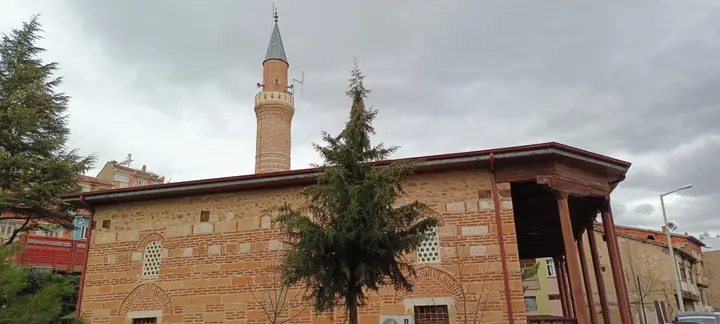 Photo: Wikipedia (CC BY-SA) · Source
 A mosque built in the Seljuk period, notable for its stonework. The building reflects the local architectural style and is important both religiously and culturally.
View on mapA single-chamber, roofed mosque in the district centre, in the neighbourhood of the same name.
View on mapA single-chamber mosque in the bazaar of the district centre, with thick stone walls and a timber roof.
View on mapThe tomb of Seyyid Ahmet, who died as a martyr, located at the Kızılışık site.
View on mapWhile you are in Doğanhisar, you can also see the highlights of Konya province. These places are in other districts; Doğanhisar is about 100 km from the provincial centre.
Konya's famous meat flatbread, also made in the traditional bakeries of Doğanhisar. It has an important place at local tables and is prepared using traditional recipes.
Fırın kebabı, made by slow-cooking lamb in a clay oven, is one of Doğanhisar's most popular dishes.
Doğanhisar was an important settlement in the Seljuk period. The castle and mosque ruins bear traces of this era.
Doğanhisar's economy is based on agriculture and livestock farming. Wheat, barley and lentils are the main crops.
Doğanhisar is 100 km from Konya city centre. Access is by road.
The 7 highlights of Doğanhisar are Doğanhisar Castle, Doğanhisar Grand Mosque, Grand Mosque, Orta Mosque, Çarşı Mosque, Koçaş Mosque and the Tomb of Seyyid Ahmet (Kızılışık site).
Etli Ekmek and Fırın Kebabı are the standout dishes at Doğanhisar's tables.
Doğanhisar is known for wheat and its Seljuk heritage. Wheat grown on the fertile soils of the Konya Plain is the district's main agricultural product.
Doğanhisar is 100 km from Konya city centre. Access is by road.
Suggested visit length: half a day. Best time to visit: spring.