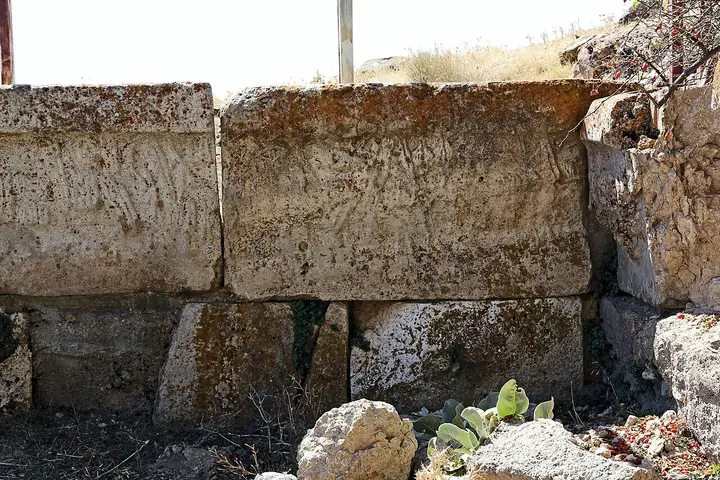
 Photo: Klaus-Peter Simon (CC BY-SA 3.0) · Source
 Yalburt
An ancient city founded by the Hittites between 1500 and 1200 BC, 25 km north-east of the district centre.
View on map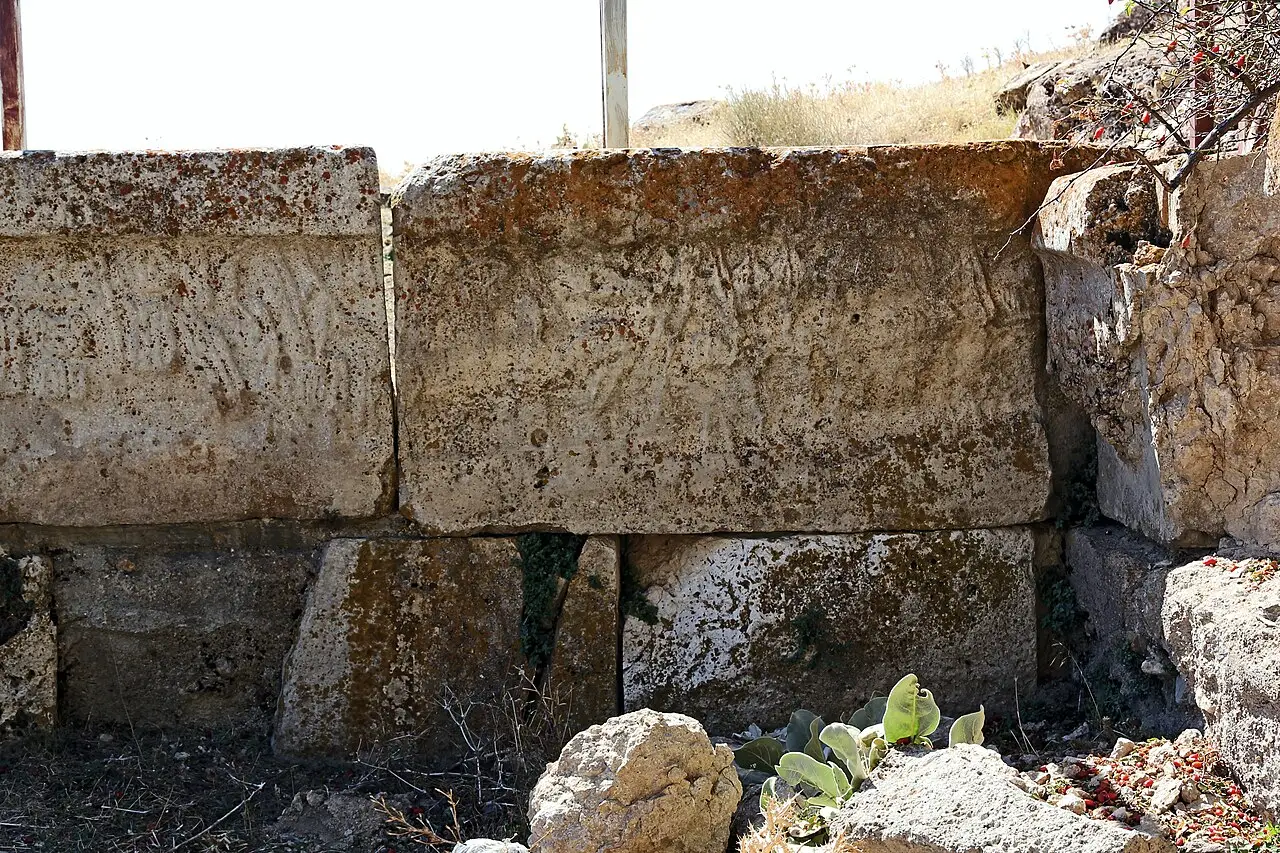 Photo: Klaus-Peter Simon (CC BY-SA 3.0) · Source
 6 places to visit in the Ilgın district of Konya: Yalburt, Lageina and Ilgın Thermal Springs (Ilgın Kaplıcaları). Plan your trip to Ilgın with local food, practical tips and transport information.
Ilgın is a district of Konya Province, with an area of 1,636 km². The district centre lies at an elevation of 1,033 metres above sea level.
Around 25 km north-east of the district, the Hittites founded a city called Yalburt between 1500 and 1200 BC. The district centre was built on Lageina, an ancient Lycaonian city. In 1932, the Scottish archaeologist William Moir Calder put forward the view that Ilgın was in fact a city of Lageina. Over time the district was ruled by the Hittites, Phrygians, Lydians, Romans, Byzantines, Anatolian Seljuks, Karamanids and Ottomans. Ilgın was attached to the Anatolian Seljuks from 1077 until 1308. After the fall of the Anatolian Seljuks, it came under the Eşrefoğulları Beylik. It passed to Ottoman rule in 1381. Mustafa Kemal Atatürk stayed in Ilgın for a time before the Great Offensive.
After Emir Timur, the Kara Tatars who remained in the region gradually assimilated into the Turkmens. Even today, people who are not fully assimilated and who identify themselves as Kara Tatars can be found.
Ilgın’s city of Yalburt was founded by the Hittites between 1500 and 1200 BC, 25 km north-east of the district. The district centre was built on the ancient Lycaonian city of Lageina, and the name “Ilgın” is derived from this. Taken back under Ottoman protection by Mehmed II in 1467, Ilgın was listed as a kaza (sub-province) in the time of Bayezid II.
Ilgın and its surroundings were ruled in turn by the Hittites, Phrygians, Lydians, Romans, Byzantines, Anatolian Seljuks, Karamanids and Ottomans. Ilgın was under the Anatolian Seljuks between 1077 and 1308 and passed to Ottoman rule in 1381. In 1932, William Moir Calder found an inscription at Ilgın and put forward the view that the place was in fact a city of Lageina and that the name Ilgın came from it. After the Battle of Ankara, part of the Kara Tatars remained in the Ilgın region.
Ilgın was founded by the Hittites as the city of Yalburt between 1500 and 1200 BC. The Ilgın Thermal Springs and the lignite coal around Gölyaka add to the district’s economic vitality.
Last updated:
Photo: Klaus-Peter Simon (CC BY-SA 3.0) · Source An ancient city founded by the Hittites between 1500 and 1200 BC, 25 km north-east of the district centre.
View on mapAn ancient Lycaonian city on which the present district centre of Ilgın was built.
View on mapThermal springs at 42°C. They are believed to help with rheumatism, skin conditions and respiratory ailments. Used since the Roman period, the baths now offer health tourism with modern facilities.
View on mapA complex built in 1576 by Mimar Sinan for Grand Vizier Lala Mustafa Paşa, consisting of a mosque, a madrasa and a hammam. It is one of Mimar Sinan's important works in Central Anatolia.
View on mapIlgın Lake, north of the district, is a suitable area for birdwatching and nature walks.
View on mapA complex commissioned by Lala Mustafa Paşa and built in Ilgın in the second half of the 16th century. The complex stands in the town centre, within the bazaar.
View on mapWhile you are in Ilgın, you can also see the highlights of Konya province. These places are in other districts; Ilgın is about 90 km from the provincial centre.
Konya's famous meat flatbread is also made in Ilgın's traditional bakeries. This dish, prepared using traditional recipes, has an important place on local tables.
Prepared by slow-cooking lamb in a clay oven, fırın kebabı is one of Ilgın's best-loved dishes.
A bakery product with a protected geographical indication belonging to Ilgın, registered on 19 September 2023 at the request of the Ilgın Chamber of Commerce and Industry. The product group is bakery and pastry products.
Ilgın's thermal springs have been used for healing since the Roman period. The spa tradition is an important part of the district's social life.
The Lala Mustafa Paşa Complex, one of Mimar Sinan's important works in Central Anatolia, enriches Ilgın's cultural heritage.
Ilgın's economy is based on agriculture, thermal tourism and livestock. Wheat, barley and sugar beet are the main crops. The spa facilities generate income from health tourism.
Ilgın is 90 km from Konya city centre. The Konya-Afyon road passes through the district. There are regular bus services.
The highlights of Ilgın are 6 places: Yalburt, Lageina, Ilgın Thermal Springs, Ilgın Lala Mustafa Paşa Complex, Ilgın Lake and Lala Mustafa Paşa Complex.
Etli Ekmek, Fırın Kebabı and Ilgın Poppy Seed Kömbe are the standout dishes on Ilgın's tables.
Ilgın is known for Ilgın Poppy Seed Kömbe and its thermal spa culture. Registered with TÜRKPATENT as a protected geographical indication product.
Ilgın is 90 km from Konya city centre. The Konya-Afyon road passes through the district. There are regular bus services.
Recommended trip length: 1-2 days. Best time to visit: all year (spas), spring and autumn (nature).