İvriz Dam
Dam built on the İvriz River. It is the district's most important structure for irrigating farmland and meeting drinking water needs.
View on map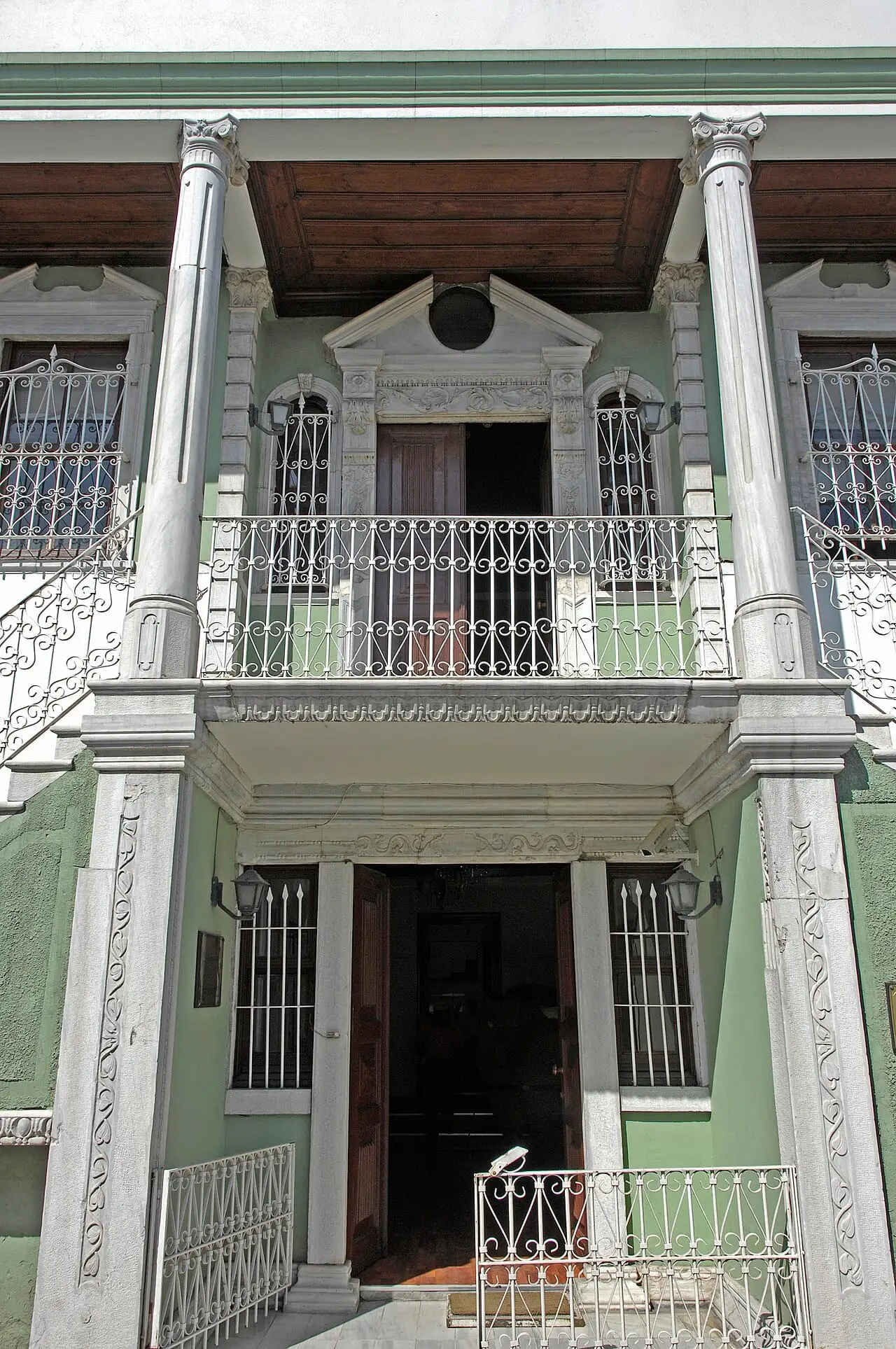 Photo: Dosseman (CC BY-SA 4.0) · Source
 5 places to visit in the Ereğli district of Konya: İvriz Dam, İvriz Rock Relief and Ereğli Museum. Plan your trip to Ereğli with local food, practical tips and transport information.
Ereğli is located in the south-east of Konya province. The district centre is at an altitude of 1,055 metres above sea level.
The district takes its name from the Byzantine Emperor Heraclius.
The district became part of the Ottoman lands during the reign of Fatih Sultan Mehmet. In 1553, on his return from the Iran campaign, Suleiman the Magnificent stayed in Ereğli.
Founded at the foot of the Taurus Mountains, the district is a large settlement with many neighbourhoods. Its most important river is the İvriz Stream, which the İvriz Dam on it uses to irrigate farmland and meet drinking water needs. Pulses, industrial crops, fruit, vegetables and fodder crops are grown in the district.
The district is an area where nomadic communities settled heavily. The Beğdili, Afşar and Varsak Turkmen tribes are concentrated here. The Horzum, Işıklı, Honamlı and Tekeli Yörük tribes are also thought to have settled in the district.
Suleiman the Magnificent stayed in Ereğli in 1553 on his return from the Iran campaign. The Baghdad Railway passing through the district increased Ereğli’s importance.
The name Ereğli comes from Heraclius, a Byzantine emperor, while the name Herakles comes from Greek mythology, a semi-divine hero. The Tuwana Kingdom (Tyana-Heraklia) was one of these city-states, ruled from 1200 to 742 BC with its centre at Ereğli. Ottoman and Republican-era kitchenware, jewellery, weapons and one handwritten Quran are displayed in a hall with 2 display cases.
Last updated:
Dam built on the İvriz River. It is the district's most important structure for irrigating farmland and meeting drinking water needs.
View on mapLate Hittite rock relief dating to the 8th century BC, depicting King Warpalawas of Tuwana giving thanks to Tarhunzas, the god of fertility. The relief, 4.20 metres high, is one of Anatolia's most important Hittite monuments.
View on map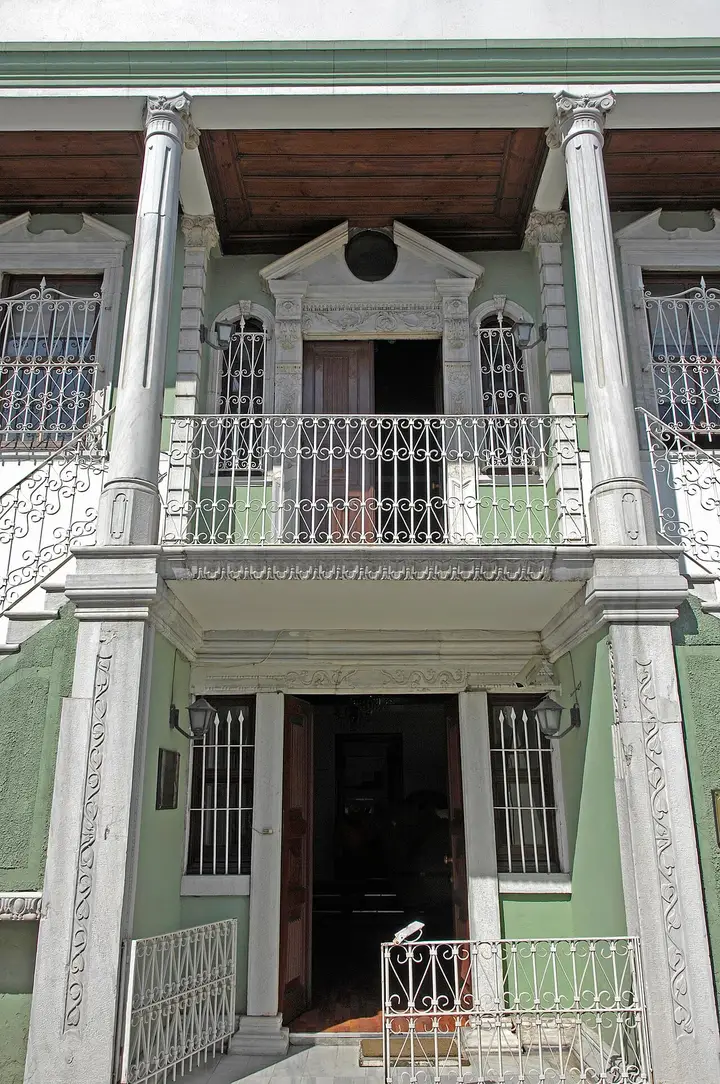 Photo: Dosseman (CC BY-SA 4.0) · Source
 Museum serving the district centre, displaying archaeological artefacts from the Hittite, Roman and Ottoman periods, including a replica of the İvriz Rock Relief.
View on mapCastle built on the remains of the ancient city of Kybistra/Herakleia. Its walls from the Roman and Byzantine periods show the district's historical importance.
View on mapZengibar Castle, rising south of Ereğli, dates to the Byzantine period. Its strategic position made it an important defensive structure controlling the Cilician Gates.
View on mapWhile you are in Ereğli, you can also see the highlights of Konya province. These places are in other districts; Ereğli is about 150 km from the provincial centre.
Ereğli bread, baked in a traditional stone oven, is the best-known bread variety in the region, with its thick and soft texture.
Traditional soup made with chicken stock, flour and butter. It is an essential of Ereğli's winter tables.
Oven kebab, prepared by slow-cooking lamb in a clay oven, and one of Ereğli's best-loved dishes.
The İvriz Rock Relief shows that Ereğli has been an important settlement centre since the Hittite period. This monument is one of the best-preserved Late Hittite reliefs in Anatolia.
Ereğli has been located at the northern entrance of the Cilician Gates (Gülek Pass), the route linking Anatolia to the Mediterranean since ancient times. This strategic position has shaped the district's history.
Ereğli is one of the most populous districts of Konya. Farming, industry and trade are the main economic activities. Wheat, barley and sugar beet are produced. The Ereğli Iron and Steel Works (ERDEMİR) is one of the largest industrial enterprises in the region.
Ereğli is 150 km from Konya city centre and 200 km from Adana. The Konya–Adana road passes through the district. The railway station is on the Konya–Adana line. Regular bus services operate.
The 5 highlights of Ereğli are the İvriz Dam, the İvriz Rock Relief, the Ereğli Museum, the Ereğli Castle Ruins and Zengibar Castle.
Ereğli Bread, Arabaşı Çorbası and Fırın Kebabı are the standout dishes on Ereğli's tables.
Ereğli is known for the Ereğli white cherry and its Hittite heritage. It is a protected designation of origin registered with TÜRKPATENT.
Ereğli is 150 km from Konya city centre and 200 km from Adana. The Konya–Adana road passes through the district. The railway station is on the Konya–Adana line. Regular bus services operate.