 Photo: Tınaztepe (CC BY-SA 4.0) · Source
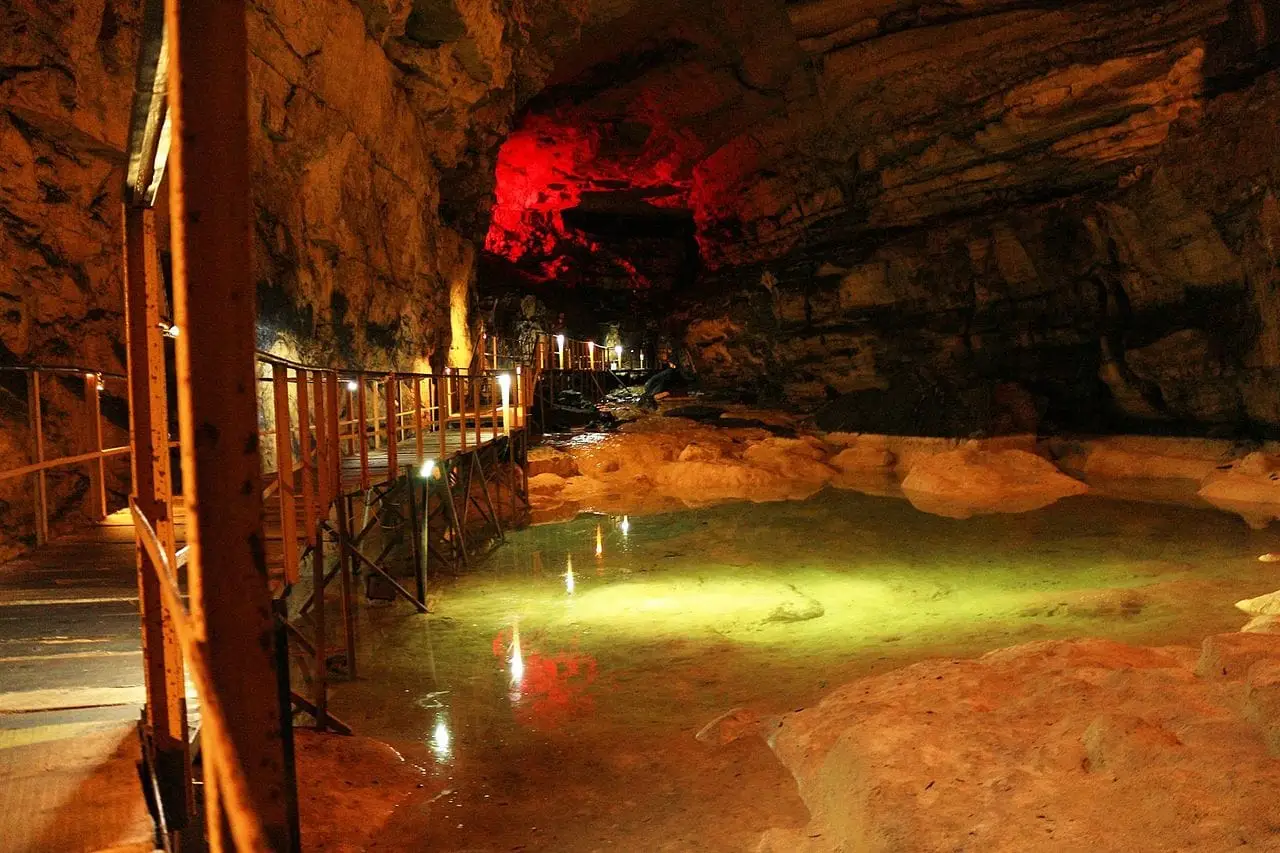
 4 places to visit in the Seydişehir district of Konya: Tınaztepe Cave, Suğla Lake and Vasada Ancient City. Plan your trip to Seydişehir with local food, practical tips and transport information.
Seydişehir is a district in the Lakes Region of the Mediterranean Region, located south-west of Konya. The district covers 1,458 km², stands at an altitude of 1,131 m and has a population of 66,079. It was established before the Republic.
History
The history of Seydişehir goes back to around 5500 BC. The existence of a Neolithic settlement from 5500-5000 BC was revealed by excavations at the Suberde mound, 10 km south-east of Seydişehir. Monuments and settlement sites from the Hittites between 2000 and 700 BC are found between Seydişehir and Beyşehir. In the Classical period, the existence of famous cities such as Amblada, Vasada, Arvana, Elita and Dalisandus has been established. In 1301, Seyyid Harun Veli set out with his brother Seyyid Bedreddin and the local people, by divine command, and founded Seydişehir. In 1381 it came under Ottoman rule under Sultan Murad I. Construction of the aluminium factory began in 1967 and it opened in 1974.
Geography
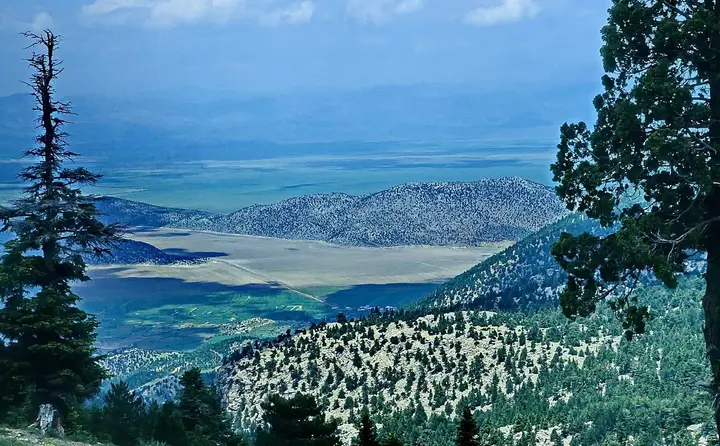
The district lies on the Suğla Plain, along the Çarşamba Stream, on the Ankara-Konya-Antalya road, at the northern foothills of the Taurus Mountains. The district centre is 85 km from Konya and 215 km from Antalya. It is bordered by Konya (Meram) to the north-east, Akören to the east, Ahırlı, Yalıhüyük and Akseki (Antalya) to the south, Derebucak to the west and Beyşehir to the north-west. The highest point in the region, the Geyik Mountains, rises above 2,500 metres; they are less than 100 km away as the crow flies, so the mild Mediterranean climate is barely felt in the district. The district’s climate is a transition between Mediterranean and continental types, with heavy snowfall in winter.
Population
Until the Republican period, the population of Seydişehir was around 3,000. In the first census in 1927, the population of the district centre was 3,779. With the opening of the aluminium factory in 1969, the population grew very rapidly.
History and Culture
Seydişehir is a very ancient settlement dating back to around 5500 BC. The aluminium factory in the district opened in 1974.
Highlights
The Neolithic (Chalcolithic) settlement from 5500-5000 BC was uncovered in excavations at the Suberde (Gölyüzü Village) mound, 10 km south-east of Seydişehir. Rock reliefs and mound finds from the Hittite period in Seydişehir and Beyşehir show that the Hittites established suitable settlements between Beyşehir and Seydişehir.
Last updated: