3 places to visit in the Derebucak district of Konya: Derebucak Plateau, Derebucak Canyon and Derebucak Çamlık Caves National Park. Plan your trip to Derebucak with local food, practical tips and transport information.

Share with friends

The average elevation of Derebucak district centre above sea level is 1,228 metres. It became a district in 1987, separating from the Gencek subdistrict of Beyşehir district.

History and Culture

Derebucak was previously a village attached to the Gencek subdistrict of Beyşehir and became a town in 1967. Derebucak Municipality is the first municipal administration founded in the surrounding area.

Highlights

It is believed that Derebucak was founded by tribes who gathered from the places known as Bayramyeri, Yukarıköy, Balat, Çukurlar and Seniryeri, between 1200 and 1300. Derebucak district lies between 37°24′ North latitude and 31°30′ East longitude.

Last updated:

Places to Visit in Derebucak

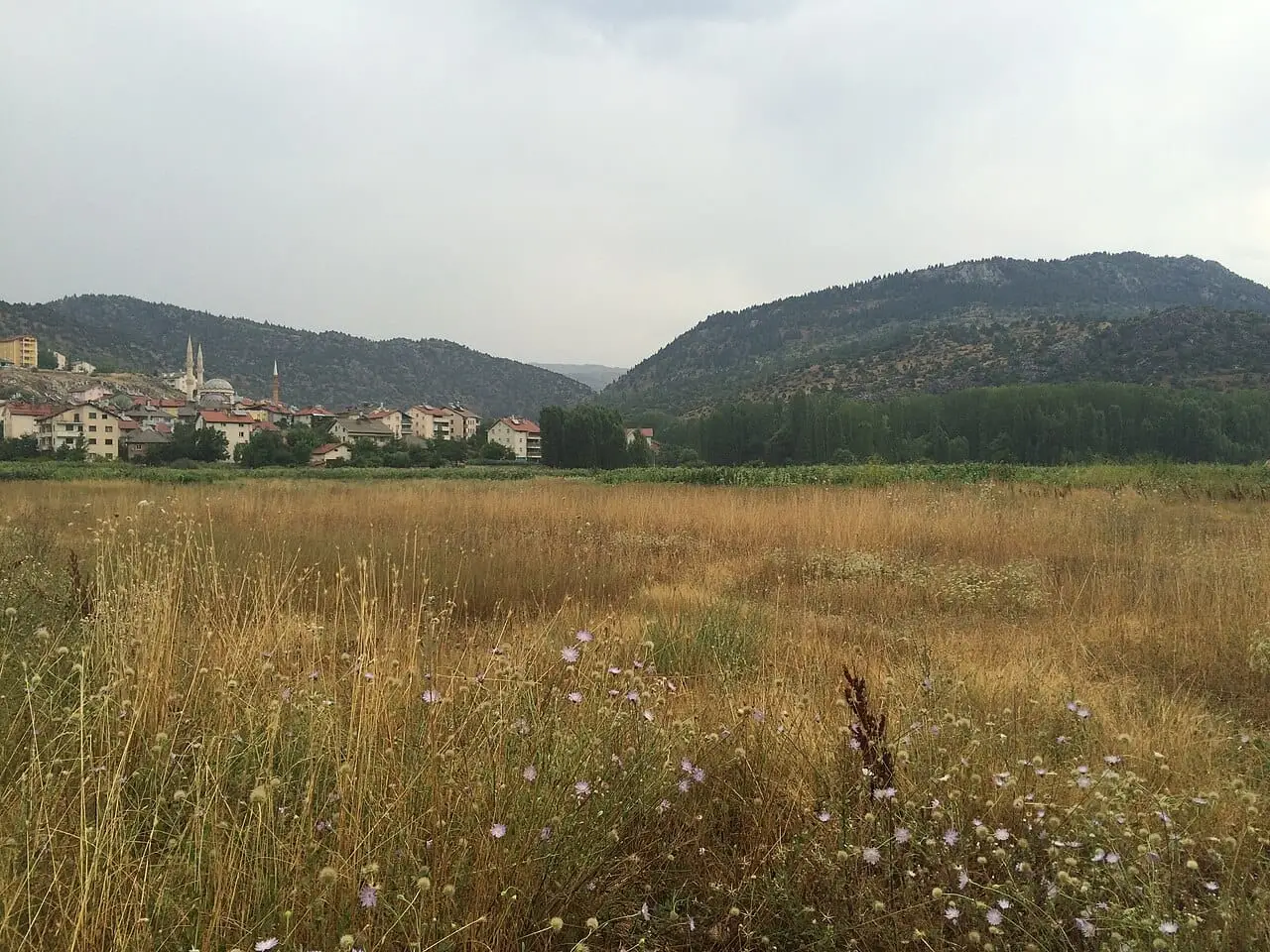
Derebucak Plateau - Derebucak Photo: Anakinci (CC BY-SA 4.0) · Source
Nature

Derebucak Plateau

A highland pasture at the foot of the Taurus Mountains. Its cool summer air and green meadows make it an ideal resting place for nature lovers. Every summer the local community holds traditional plateau festivals to keep its cultural heritage alive.

View on map
Nature

Derebucak Canyon

The canyon around the district, with its deep valley and natural beauty, is a suitable spot for trekking.

View on map
Nature

Derebucak Çamlık Caves National Park

Declared a national park within the boundaries of Çamlık Neighbourhood in Derebucak district, Konya province.

View on map

Places to Visit Around Konya Province

See all →

While you are in Derebucak, you can also see the highlights of Konya province. These places are in other districts; Derebucak is about 120 km from the provincial centre.

  • Mevlana Museum and Mausoleum — The mausoleum and dervish lodge of Mevlânâ Celâleddîn-i Rûmî, a museum since 1926. With the tomb known as the Green Dome, the semahane (whirling hall), the dervish cells and manuscripts of the Masnavi, it is one of the most visited museums in Türkiye.
  • Çatalhöyük — A Neolithic city in Çumra, inhabited for about two thousand years from around 7400 BC. With its adjoining houses entered through the roof, its wall paintings and its figurines, it is one of the first urban settlements in human history.
  • Karatay Madrasa (Museum of Tile Works) — A madrasa built in 1251 by Emir Celaleddin Karatay; its dome, covered in turquoise and navy-blue tiles, is a masterpiece of Seljuk tile art.
  • İnce Minareli Madrasa — A darülhadis (hadith school) built in 1264 by the vizier Sahip Ata, with Kölük bin Abdullah as its architect; it is famous for its richly carved portal.
  • Alaeddin Hill and Mosque — On the hill in the city centre, the Alaeddin Mosque, which houses the tombs of the Seljuk sultans, and the remains of the Kılıçarslan II Pavilion; this is the oldest settled area of the city.
  • Sille — A village 8 km north-west of the city where Greeks and Turks lived together for centuries; it is known for the Aya Eleni Church, which goes back to the 4th century, its rock-cut chapels and its stone houses.

Practical Information for Visiting Derebucak

Suggested time
1 day
Best time to visit
Summer months (June–August)
Places to visit
3 places

What to Eat in Derebucak

Food guide →
  • Keşkek

    Made by boiling cracked wheat and meat for a long time and then pounding them together. Keşkek is the traditional dish of wedding feasts. Serving it with melted butter poured over it is part of the tradition.

  • Tandır Ekmeği (tandoor bread)

    Traditional bread baked in a clay tandoor oven, still produced in Derebucak's villages.

Culture, Local Products and Economy of Derebucak

  • Plateau Culture

    In Derebucak the tradition of migrating to the highland pastures in the summer months continues. This tradition is passed down through the generations as an important part of the local community's cultural identity.

Local Products

  • Derebucak Gembos Şeker Fasulyesi (Gembos sugar beans) — Derebucak Gembos Şeker Fasulyesi was registered as a protected designation of origin on 10 October 2024 (TÜRKPATENT registration no. 1649). Product group: processed and unprocessed fruits, vegetables and mushrooms. Registered by: Göynem Agricultural Development Cooperative Ltd.
  • Honey — Honey obtained from the rich flora of the Taurus Mountains is a valuable natural product of Derebucak.

Economy

The economy of Derebucak is based on agriculture and livestock farming. Derebucak's economy rests on agriculture, livestock and beekeeping. Small and large livestock farming are important sources of livelihood. Beekeeping and forestry are also carried out in the district.

How to Get to Derebucak

Derebucak is 120 km from Konya city centre. Transport is by road.

Get directions on Google Maps Getting to Konya

Derebucak: Frequently Asked Questions

What are the best things to see in Derebucak?

The highlights of Derebucak are 3 places: Derebucak Plateau, Derebucak Canyon and Derebucak Çamlık Caves National Park.

What should I eat in Derebucak?

Keşkek and Tandır Ekmeği are the standout dishes on Derebucak's tables.

What is Derebucak famous for?

Derebucak is known for Derebucak Gembos Şeker Fasulyesi (Gembos sugar beans) and Plateau Culture. The product is registered as a protected designation of origin with TÜRKPATENT.

How do I get to Derebucak?

Derebucak is 120 km from Konya city centre. Transport is by road.

How much time should I set aside for a visit to Derebucak?

Suggested visit length: 1 day. Best time to visit: summer months (June–August).

Continue Your Trip

Other Districts of Konya

Search 81 province guides and 968 district guides.