 Photo: Volker Höhfeld (CC BY-SA 4.0) · Source
 6 places to visit in the Kulu district of Konya: Düden Lake, Gökgöl Lake and Samsam Lake. Plan your trip to Kulu with local food, practical tips and transport information.
Kulu is a district of Konya province. The district covers 2,234 km², and the district centre lies at an elevation of 994 metres above sea level.
History
The district’s history goes back to the Polished Stone Age and passes through the Chalcolithic, Early Bronze Age, Hittite, Phrygian, Galatian, Hellenistic, Roman and Byzantine periods. The district takes its name from its founder, Kuluboğlu Mustafa Bey (Kulu Bey). Kuluboğlu was a Yörük bey who came from the area of Karabağ near Afyonkarahisar. The district became a municipality in 1923 and gained district status in 1954. The first mayor of Kulu was İsmail Efendi Özbaran (1926–1932). A large community of people from Kulu lives in Sweden.
Geography
Kulu lies between Ankara and Konya. It is 111 km south of Ankara and 150 km north of Konya. Historic caves are found in the Kozanlı and Karacadağ towns, which are part of the district.
Nature and Lakes
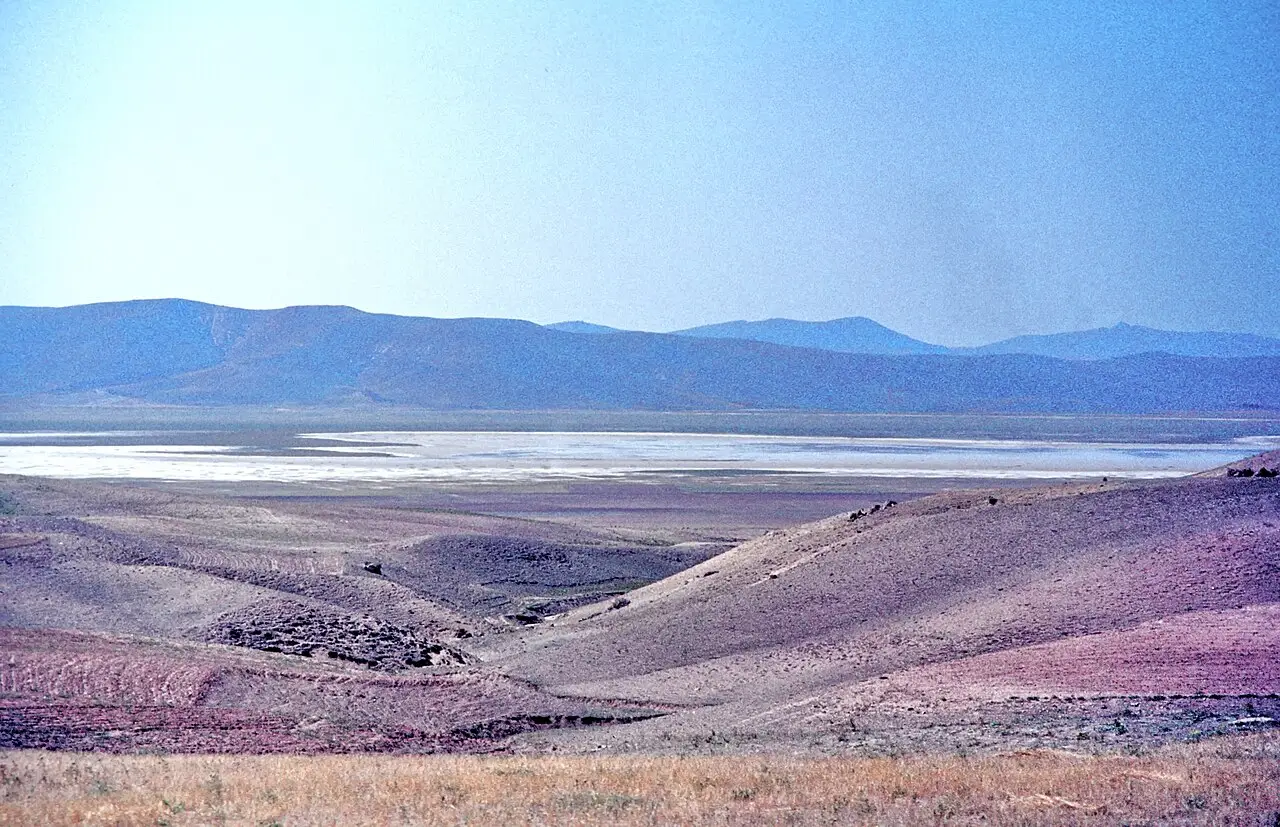
Düden Lake, 3 km east of the district, is a natural wonder that is home to 183 bird species. Gökgöl, near Kozanlı, is a natural beauty where many bird species can be observed, and it is a popular destination for locals thanks to the festivals held there each year. Samsam Lake is a wetland near the Haymana border.
Population and Social Structure
Kurdish tribes from various parts of the Eastern Anatolia and Southeastern Anatolia regions were later settled in the district. Many Nogai Turks who migrated after the Crimean War of 1853–1856 between the Ottoman Empire and Russia were also settled here. For these reasons, the district has a cosmopolitan character.
History and Culture
Modern Kulu was built over the ancient Galatian city of Drya. Kulu lies about 110 km south of Ankara and 150 km from Konya city centre. From 1965 onwards, migration movements created a large Kulu community in Sweden.
History and Culture
The area around Düden Lake was declared a protected site (sit alanı) in 1992. According to sources, Kulu is a district that experienced the Polished Stone Age and the Hittite, Phrygian, Galatian, Hellenistic, Roman and Byzantine periods. The district takes its name from its founder, Kuluboğlu Mustafa Bey (Kulu Bey). Kulu became a municipality in 1923 and gained district status in 1954.
Highlights
In classical times, Kulu was built on the “Drya Ruins”. The district has a 300-year history. Settlement began in 1708, when Kulupoğlu Mustafa Bey came to the present site of Kulu from the Afyon area (Afyon-Karabağ) with his family and the tribal chiefs under him. In 1954, several villages belonging to the Ankara districts of Haymana and Bala were included within Kulu’s borders, and it became a district of Konya province.
Last updated: