 Photo: Murat Özsoy 1958 (CC BY-SA 4.0) · Source
 Çatalhöyük
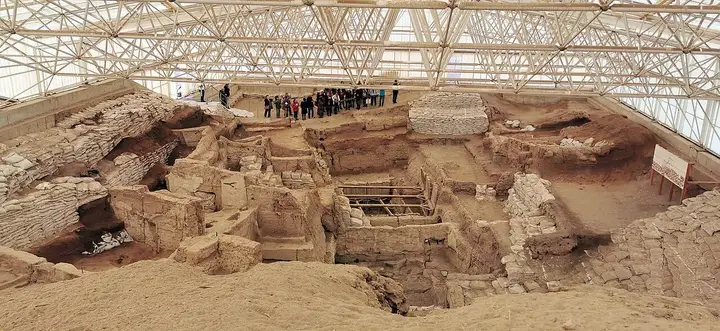
An ancient site dating to around 8000 BC, uncovered in excavations carried out in 1961. Çumra's history goes back 9,000 years.
View on map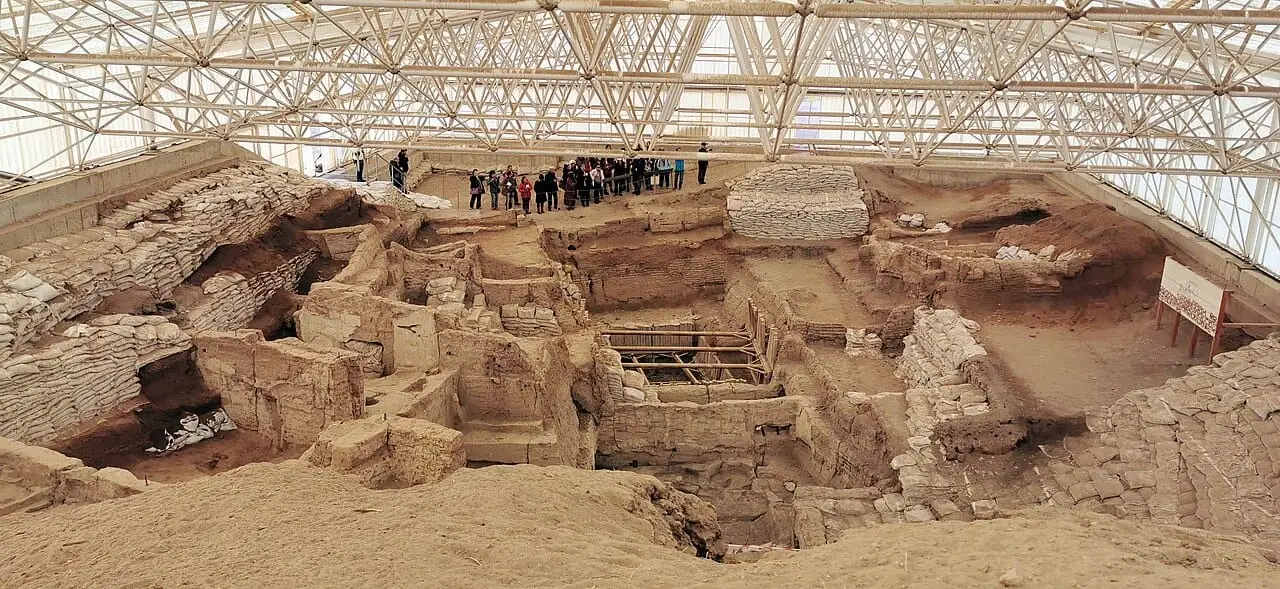 Photo: Murat Özsoy 1958 (CC BY-SA 4.0) · Source
 5 places to visit in the Çumra district of Konya: Çatalhöyük, Çumra Plain and Çumra Grand Mosque. Plan your trip to Çumra with local food, practical tips and transport information.
Çumra is a district in Konya province, on the Konya Plain. It covers 2,089 km², has an elevation of 1,016 m and a population of 68,803.
Delibaş Mehmet, who led the Konya Uprising during the National Struggle, also attempted an uprising in Çumra, but was executed. Mustafa Kemal Atatürk, travelling to Adana by train, looked around from Çumra station, saw the irrigation installations and staff housing, and ordered that it be made a district. On 26 June 1926, through Law No. 877 published in Official Gazette No. 404, Çumra became a district centre. In 1936, 300 immigrant families who came to Anatolia from the Balkans settled in Çumra. The Çatalhöyük settlement, uncovered in excavations carried out in 1961, is dated to around 8000 BC, and Çumra’s history goes back 9,000 years. Yavuz Sultan Selim, passing through Çumra on his way to the Egyptian campaign, gave the area the name Çumra, derived from the word çemre.
Around Çumra and in its surroundings there are many mounds from the Neolithic period.
On 26 June 1926 Çumra was made a district centre by Law No. 877. It is known that settled life in Çumra, around Çatalhöyük, goes back to around 7000 BC. In total, there are 13 mounds in Çumra district.
Last updated:
Photo: Murat Özsoy 1958 (CC BY-SA 4.0) · Source An ancient site dating to around 8000 BC, uncovered in excavations carried out in 1961. Çumra's history goes back 9,000 years.
View on map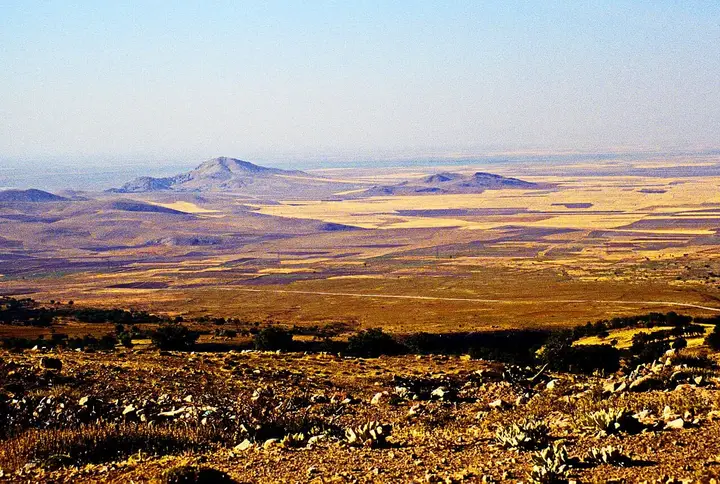 Photo: Volker Höhfeld (CC BY-SA 4.0) · Source
 The most fertile part of the Konya Plain. With extensive farmland supported by irrigation canals, the Çumra Plain is Türkiye's granary.
View on mapBuilt in the Ottoman period, the mosque, with its stonework and wooden minbar, is the district's most important place of worship.
View on mapLocated on an area of about 14 hectares on the Southern Anatolian Plateau, within the boundaries of Çumra district in Konya. It was inscribed on the UNESCO World Heritage List in 2012.
View on mapIn Çumra district, it is known as a recreational spot visited by local people in the summer months.
View on mapWhile you are in Çumra, you can also see the highlights of Konya province. These places are in other districts; Çumra is about 45 km from the provincial centre.
Konya's famous etli ekmek is also made in Çumra's traditional ovens. This dish holds an important place at local tables and is prepared using traditional recipes.
Prepared by slow-cooking lamb in a clay oven, fırın kebabı is one of Çumra's best-loved dishes.
Çatalhöyük was inscribed on UNESCO's World Heritage List in 2012 as one of the oldest settlements in human history. With its 9,000-year history, it sheds light on the origins of farming, art and social life.
Çumra lies in the most fertile part of the Konya Plain, and farming culture forms the basis of the district's identity. Festivals held during the harvest season keep this tradition alive.
Çumra is one of Konya's most important farming districts. Wheat, barley, sugar beet and maize are the main agricultural products. Çumra Sugar Factory is the region's largest industrial establishment. Çatalhöyük's UNESCO heritage status is increasing its tourism potential.
Çumra is 45 km from Konya city centre. The Konya–Karaman highway passes through the district. Regular minibus and bus services operate.
The 5 highlighted places in Çumra are: Çatalhöyük, Çumra Plain, Çumra Grand Mosque, Çatalhöyük Neolithic Settlement and Apa Dam.
Etli Ekmek and Fırın Kebabı are the standout flavours on Çumra's tables.
Çumra is known for Çumra Melon and UNESCO World Heritage: Çatalhöyük. It is a product registered as a protected designation of origin with TÜRKPATENT.
Çumra is 45 km from Konya city centre. The Konya–Karaman highway passes through the district. Regular minibus and bus services operate.
Suggested visit length: 1 day. Best time to visit: spring and autumn months (April–June, September–October).