Getting to Know Nevşehir
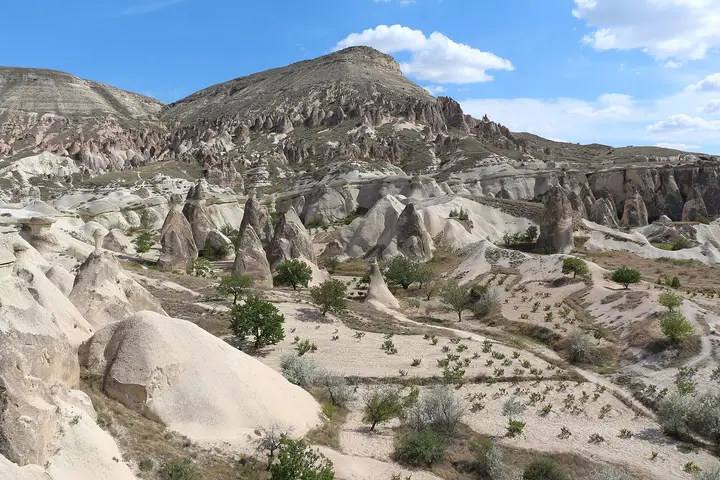
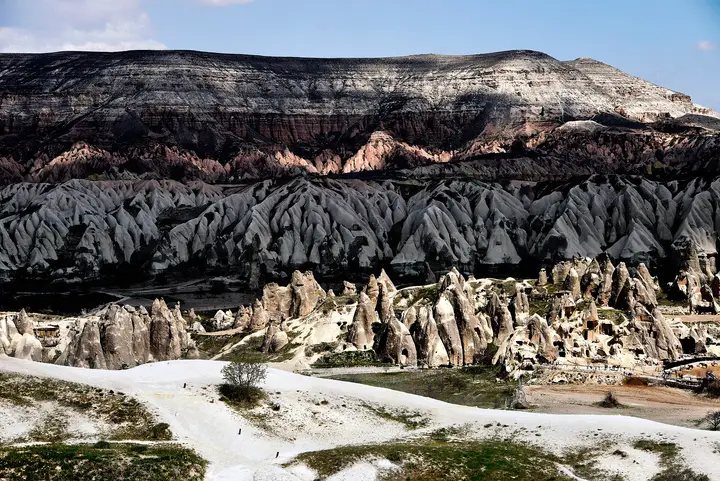
Nevşehir lies in the middle of Central Anatolia, in the heart of the Cappadocia region. Layers of soft tuff, formed millions of years ago from the ash and lava thrown out by the volcanoes of Erciyes, Hasan Dağı and Göllüdağ, were eroded by wind, rain and the Kızılırmak into fairy chimneys and deep valleys. For thousands of years people carved this soft rock into houses, dovecotes, churches and underground cities. Göreme National Park and the Rock Sites of Cappadocia were added to the UNESCO World Heritage List in 1985.
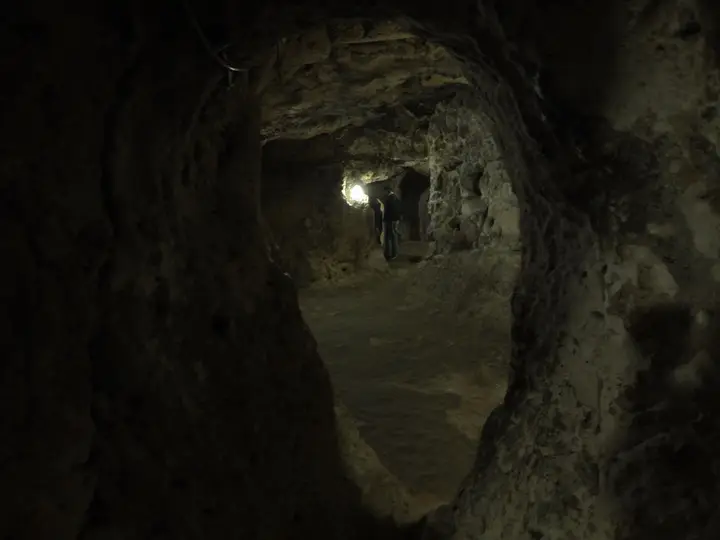
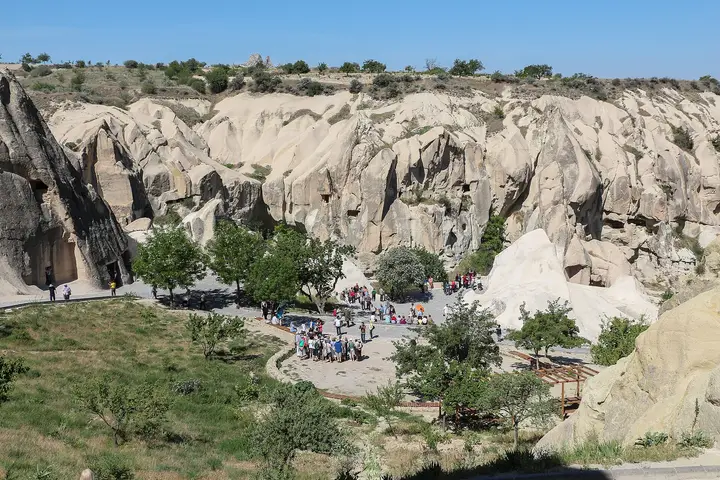
From the 4th century onwards Cappadocia became one of the important centres of Christianity; monks and communities carved hundreds of rock-cut churches and monasteries into the valleys around Göreme, Zelve and beyond. The 10th- to 12th-century frescoes of the Dark Church, the Apple Church and the Tokalı Church in the Göreme Open-Air Museum are among the masterpieces of Byzantine painting. Multi-storey underground cities such as Derinkuyu and Kaymaklı are large enough to have sheltered thousands of people during raids.
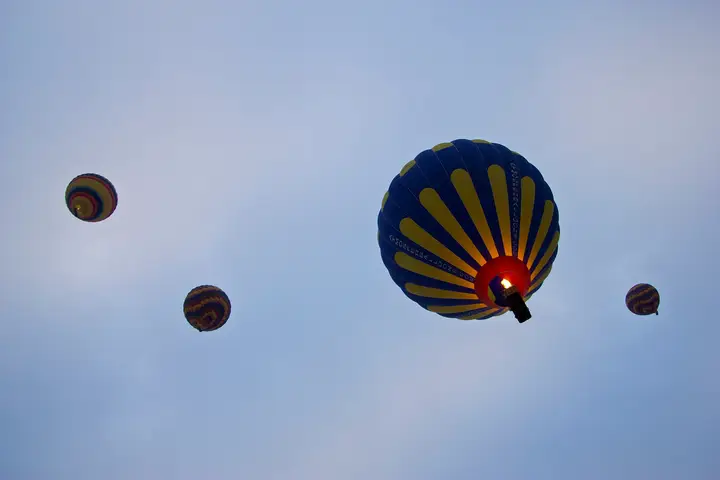
The present city of Nevşehir grew when the grand vizier Nevşehirli Damat İbrahim Paşa, who was born in this land in the 18th century, developed the village of Muşkara and gave it the name “new city” (Nevşehir). Hacıbektaş, in the north of the province, is home to the Hacı Bektaş-ı Veli Complex, the centre of the Alevi-Bektashi tradition. Today Cappadocia is one of the most visited tourist regions in Türkiye, with hundreds of hot-air balloons filling the sky at sunrise.
When to Go
Nevşehir has a continental climate: winters are cold and snowy, summers hot and dry, and the difference between day and night temperatures is large. Averages for 1959–2025 from the Turkish State Meteorological Service:
| Month |
Avg. high |
Avg. low |
Rainfall |
Rainy days |
| January |
4.0 °C |
−3.6 °C |
45 mm |
12 |
| February |
5.5 °C |
−2.6 °C |
41 mm |
12 |
| March |
10.3 °C |
0.7 °C |
48 mm |
13 |
| April |
16.0 °C |
5.1 °C |
50 mm |
12 |
| May |
20.6 °C |
8.9 °C |
58 mm |
13 |
| June |
24.9 °C |
11.7 °C |
38 mm |
8 |
| July |
28.5 °C |
13.7 °C |
9 mm |
2 |
| August |
28.7 °C |
13.6 °C |
8 mm |
2 |
| September |
24.5 °C |
10.5 °C |
14 mm |
3 |
| October |
18.3 °C |
6.8 °C |
28 mm |
7 |
| November |
11.8 °C |
2.5 °C |
34 mm |
9 |
| December |
6.2 °C |
−1.3 °C |
48 mm |
12 |
The best times are April to June and September to October. In these months the weather is mild for walking and balloon flights are less likely to be cancelled. In summer the days are hot and the nights cool. Fairy chimneys covered in snow are very impressive in winter; however, morning temperatures fall below zero and balloon flights may often be cancelled because of wind. The Hacı Bektaş-ı Veli Commemoration Ceremonies are held every year on 16–18 August.
How to Get to Nevşehir
By air: Nevşehir Cappadocia Airport (NAV) is near Gülşehir, about 40 km from Göreme. The other most widely used airport for the region is Kayseri Airport (about 75 km from Göreme). There are shuttle services to hotels from both airports.
By road: Nevşehir is about 280 km from Ankara, about 80 km from Kayseri and about 75 km from Aksaray. Municipal buses and dolmuşes run between Göreme, Ürgüp, Avanos and Uçhisar.
Nevşehir Area by Area
- Göreme: Göreme Open-Air Museum, Tokalı Church, the Pigeon, Kılıçlar and Güllüdere valleys, balloon launch sites.
- Uçhisar and Ortahisar: Uçhisar Castle, the highest point in Cappadocia, Ortahisar Castle and the lemon stores around it.
- Avanos and Zelve: the potters’ workshops on the Kızılırmak, Zelve Open-Air Museum, Paşabağ (Monks Valley), Devrent (Imagination) Valley and the Özkonak Underground City.
- Ürgüp and Mustafapaşa: Ürgüp’s cave hotels and Temenni Hill, Mustafapaşa (Sinasos) with its Greek architecture, and the Kızılçukur and Meskendir valleys.
- Derinkuyu and Kaymaklı: the largest underground cities in the region.
- Gülşehir: the Açıksaray archaeological site and the Karşı Church (Church of St John).
- Hacıbektaş: the Hacı Bektaş-ı Veli Complex and museum.
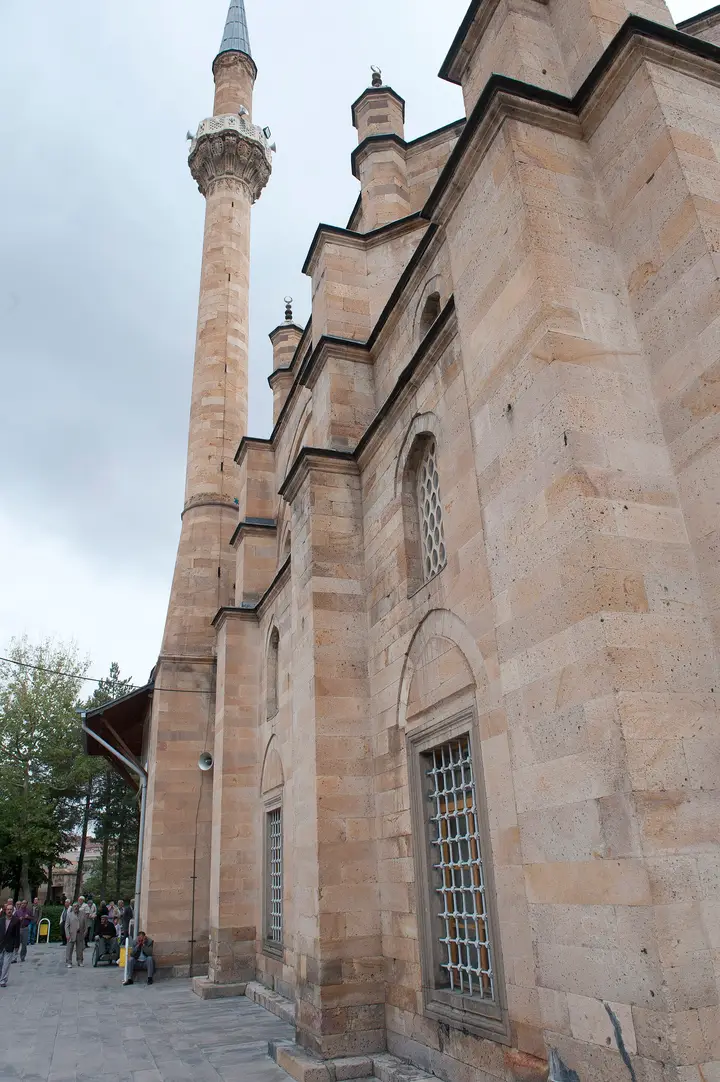
- Nevşehir centre: the Nevşehirli Damat İbrahim Paşa Complex (Kurşunlu Mosque) and the castle.
Suggested Itineraries
Day 1 – Göreme and Uçhisar: In the morning, a balloon flight at sunrise or a viewpoint from which to watch the balloons; then the Göreme Open-Air Museum and the Tokalı Church. In the afternoon, Uçhisar Castle and the Pigeon Valley; testi kebabı in the evening.
Day 2 – Kızılçukur and Zelve: A walk in the Kızılçukur or Güllüdere valley, Paşabağ and Zelve; a pottery workshop in Avanos and an evening on the banks of the Kızılırmak.
Day 3 – The underground cities: The underground cities of Derinkuyu and Kaymaklı; on the way back, Ürgüp and Mustafapaşa.
Day 4 – Hacıbektaş and Gülşehir: The Hacı Bektaş-ı Veli Complex, then the Karşı Church and Açıksaray in Gülşehir.
Nevşehir Cuisine
The symbol of Cappadocian cuisine is Nevşehir testi kebabı (pottery-jug kebab), cooked in a clay jug and served by breaking the jug open at the table; it has a registered geographical indication. The other registered products are Kaymaklı kuru kaymağı (Kaymaklı dried clotted cream), Kaymaklı çöreği (Kaymaklı bun), Nevşehir simidi, Nevşehir tahinli simidi (Nevşehir tahini simit), Nevşehir kabak çekirdeği (Nevşehir pumpkin seeds), Nevşehir parmak üzümü (Nevşehir finger grapes) and Derinkuyu kuru fasulyesi (Derinkuyu dried beans). The region’s volcanic soils are suited to viticulture; grape molasses and produce kept in cool stores carved into the rock are among Cappadocia’s traditional flavours.
Handicrafts
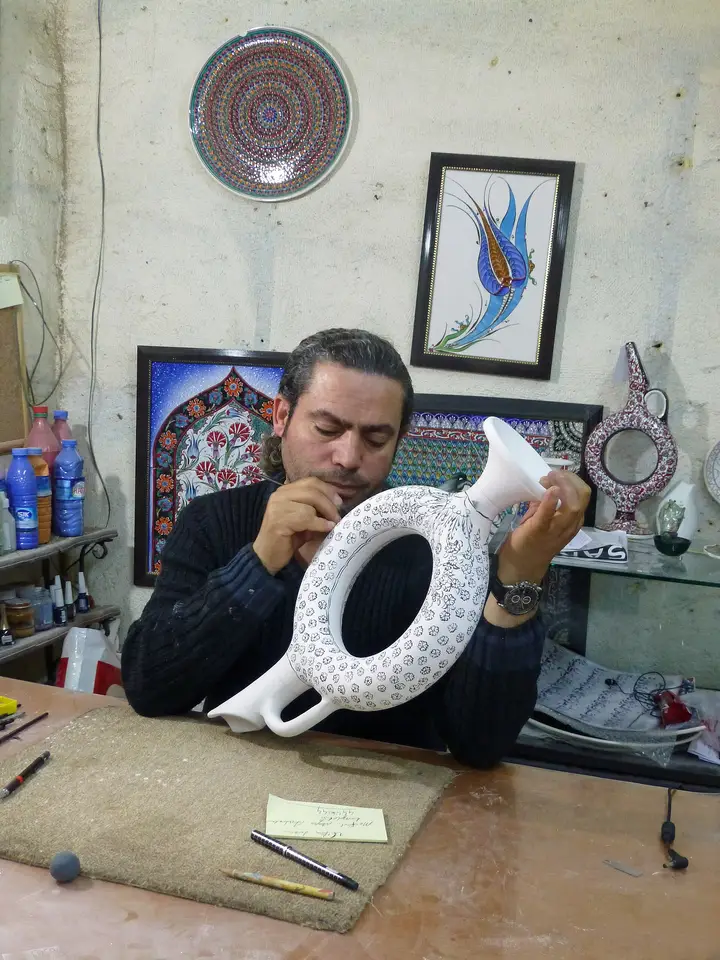
Avanos pottery (Avanos çömleği), made from the red clay of the Kızılırmak, is the product of a tradition thought to have continued since the Hittites, and it has a registered geographical indication; in Avanos you can watch masters working at foot-powered wheels. Nevşehir pomzası (Nevşehir pumice) is also a registered product.
Practical Tips
- Balloon flights depend on weather conditions; book the first morning of a stay of several days so that you have another chance if a flight is cancelled.
- The Dark Church in the Göreme Open-Air Museum requires a separate ticket; photography is forbidden to protect the frescoes.
- The corridors of the underground cities are narrow and low; those who are claustrophobic should take care.
- For walking in the valleys, take non-slip shoes and, in summer, plenty of water; some paths are unmarked.
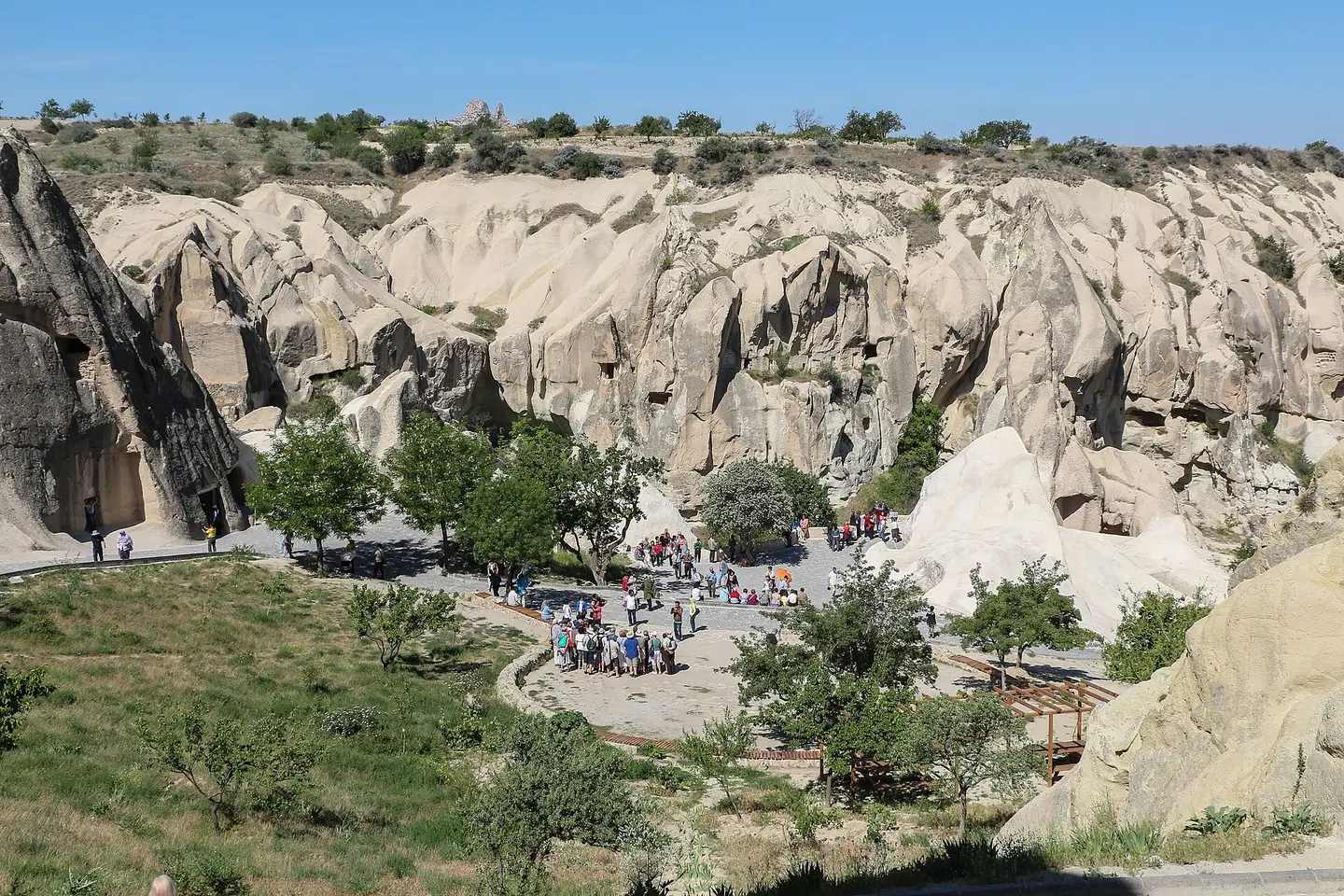
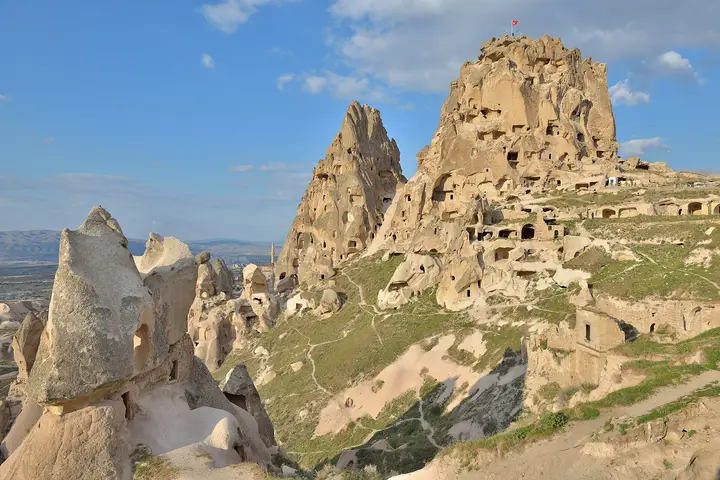 Photo: Wikimedia Commons (CC BY-SA 3.0) · Source