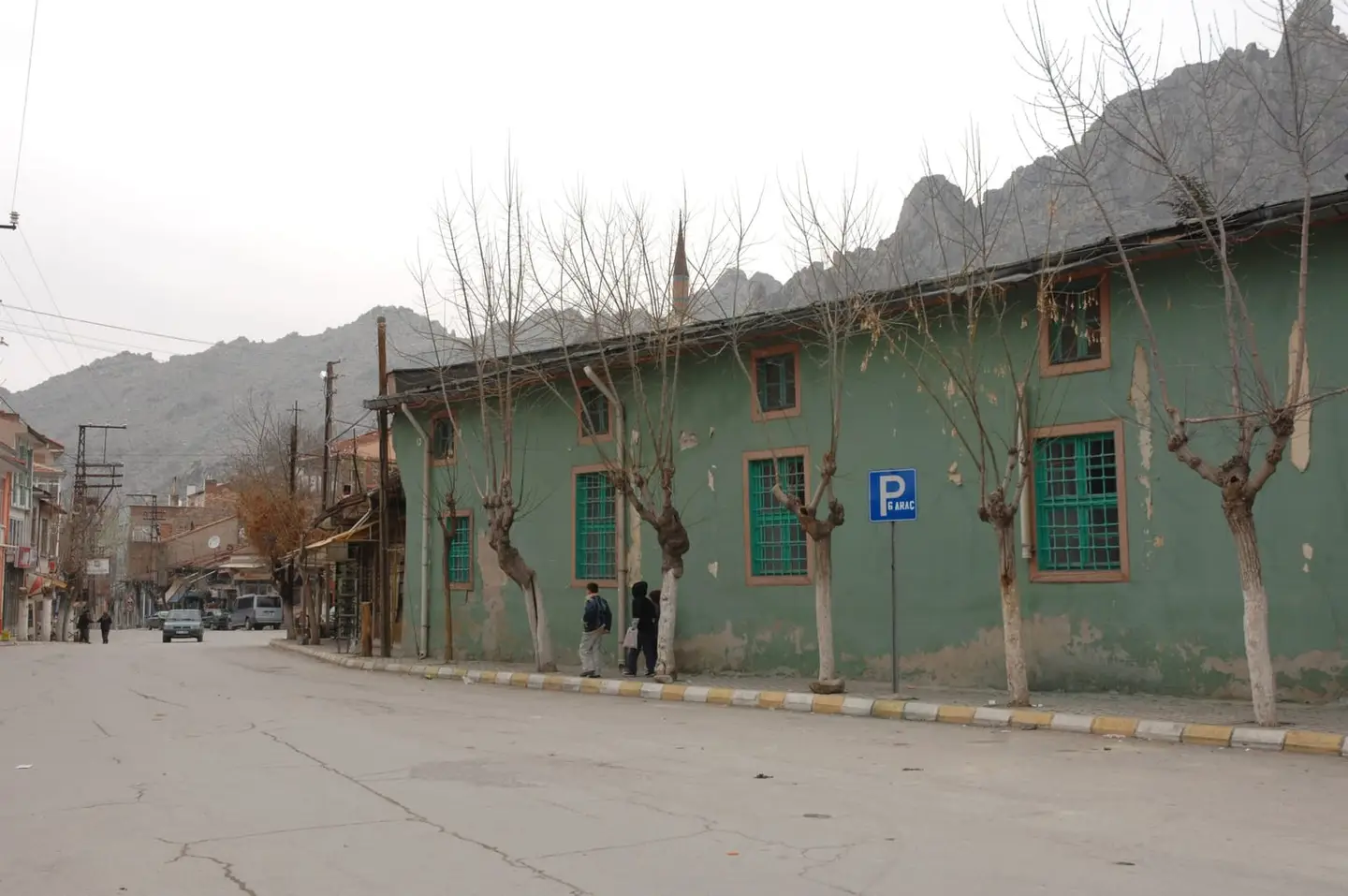
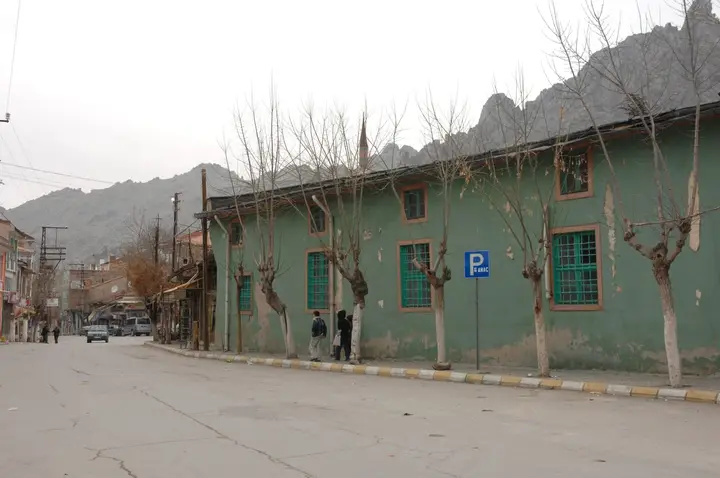
Sivrihisar is the largest district of Eskişehir province by area. The district covers 2,748 km², lies at an altitude of 1,108 metres and has a population of 20,189. Sivrihisar is associated with historical figures such as Nasreddin Hoca, Yunus Emre, Aziz Mahmut Hüdai and Hızır Bey.
Geography and Etymology
The district centre lies at the junction of the Ankara, Eskişehir and İzmir roads. Located at the foot of a volcanic rock mass that is an extension of Çal Mountain, the district stands out for its pointed rocks rising into the sky.
History
Settlement in the district goes back to the Hittite period, and from around the 700s BC the Phrygians began to settle there. The district’s commercial and military importance grew in the Roman period. It was repaired by the Byzantine Emperor Justinian and took the name Justinianopolis. In 1074 the Seljuks captured the district, named it Karahisar and turned it into a cultural centre with mosques, caravanserais, hammams and madrasas. In 1289 it came under Ottoman rule. Osman Bey later gave the administration of Sivrihisar, together with the whole Eskişehir area, to his brother Gündüz Bey. An administrative district was established in Sivrihisar in 1684, and in 1912 it was attached to Eskişehir province.
Culture and Architecture
The historic Surp Yerrortutyun Armenian Church, dating from 1650, has been restored. The Grand Mosque, built in 1275 by Eminiddin-i Mikail, one of Mevlana’s disciples, is one of the largest wooden-columned mosques in Anatolia, its roof supported by 67 wooden columns. The Ministry of Culture and Tourism had a representative Nasreddin Hoca house built, and it is open to the public.
History and Culture
Sivrihisar is the largest district of Eskişehir province by area. The Seljuks took the district in 1074 and a building drive followed. The Grand Mosque was built in 1275 by Eminiddin-i Mikail, one of Mevlana’s disciples. Sivrihisar Grand Mosque is one of five medieval wooden hypostyle mosques added to UNESCO’s World Heritage List in 2023. Nasreddin Hoca was born in Hortu village in Sivrihisar in 1208.