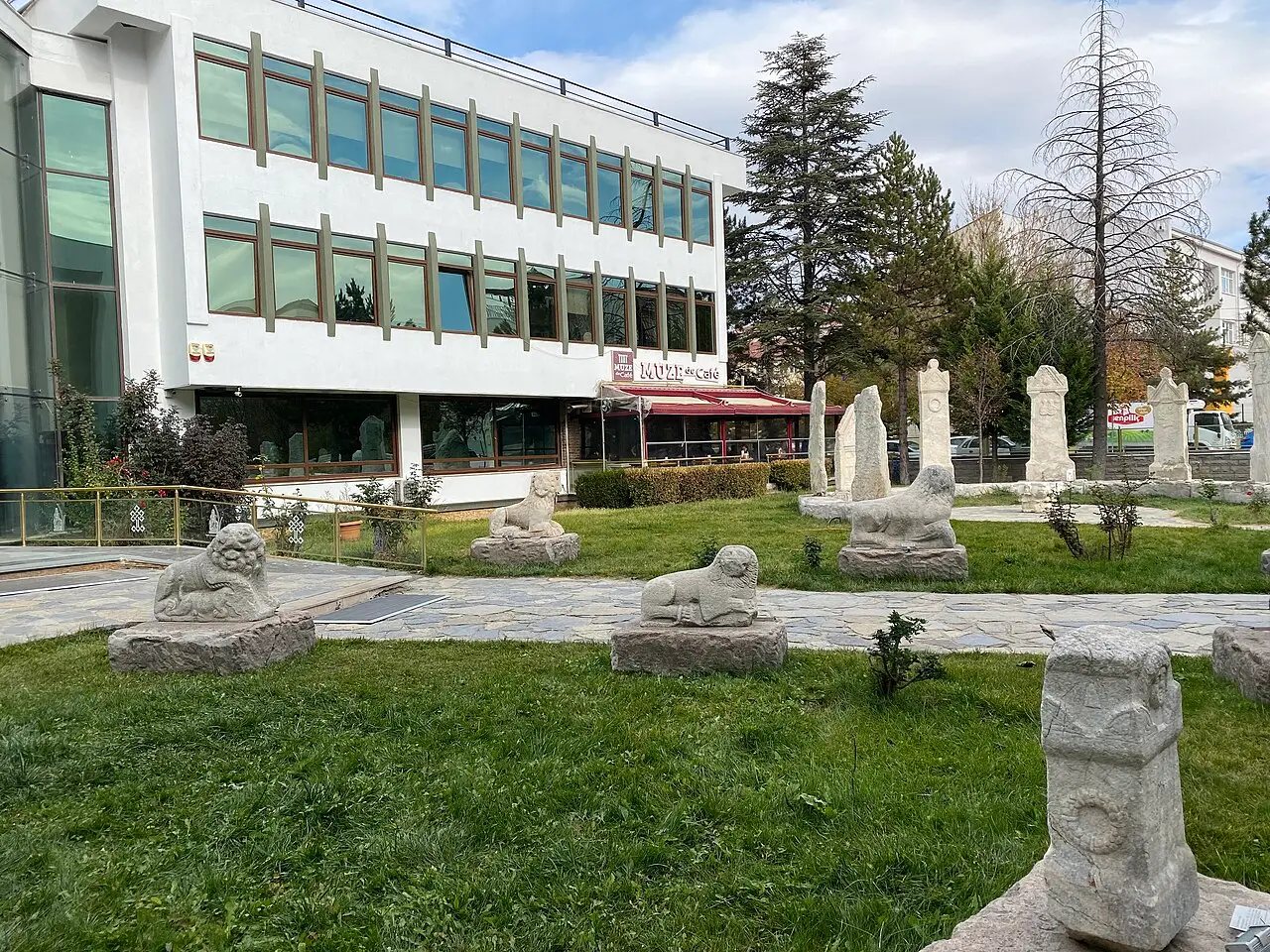
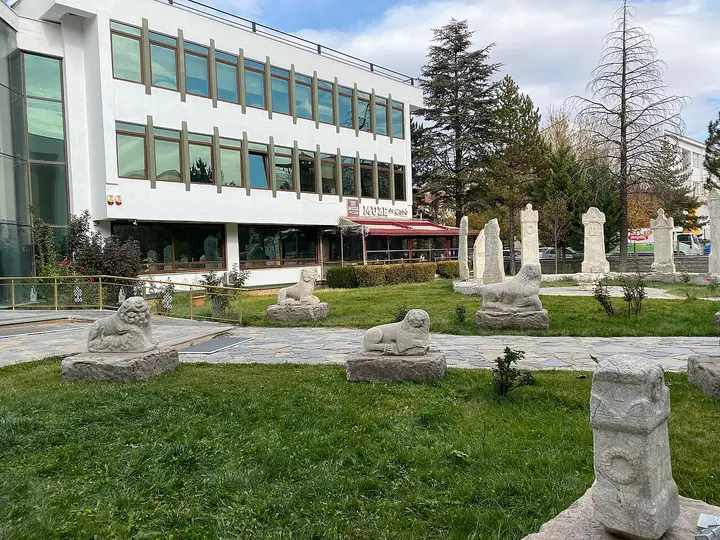
Eskişehir was founded on a wide plain in north-western Central Anatolia, which is divided in two by the Porsuk River. The origins of the city lie in the ancient Dorylaion at Şarhöyük, north-east of today’s city.
Ancient and Historic Periods
From the 12th century BC onwards, the region became the heartland of the Phrygian civilisation. Known as Sultanönü during the Seljuk period, the area was the scene of battles with the Crusader armies. Karacahisar Castle was one of the first fortresses taken by Osman Bey. From the Ottoman period survive the Kurşunlu Complex (1525) and the bay-windowed houses of Odunpazarı.
Modern Period
The arrival of the Anatolian railway in 1894 turned the city into a junction and industrial centre. Three of the five great battles of the War of Independence, the Battles of İnönü and Kütahya–Eskişehir, took place on Eskişehir’s territory. Today Eskişehir has a large student population, gondola and boat tours along the Porsuk, a tram network and a lively café culture.
Lületaşı
The world’s finest lületaşı (meerschaum) deposits are found in Eskişehir. When extracted, lületaşı is soft and easily carved, and the craftsmen of Eskişehir are known to make the most valuable meerschaum pipes in the world.
History and Culture
In 2013, Eskişehir held the titles of Turkic World Culture Capital and UNESCO Capital of Intangible Cultural Heritage. Odunpazarı hosted four hundred years of the Mevlevi order. The Odunpazarı Historic City Centre was added to UNESCO’s World Heritage Tentative List in 2012. The city’s name is thought to have been given to the ruins of Dorylaion.