10 places to visit in the Ardanuç district of Artvin: Gevhernik Castle, Ardanuç Castle and Bulanık Church. Plan your trip to Ardanuç with local food, practical tips and transport information.

Share with friends

The district covers 958 km² and lies at an altitude of 482 metres.

History

Ardanuç, on the bank of the Ardanuç Stream, a branch of the Çoruh River, was a settlement even before Christ. In 1080, the Great Seljuks captured and burned the town.

History and Culture

Ardanuç is one of the oldest settlements in the historic Klarceti region. In the Middle Ages, it became one of the important centres of the Bagrationi dynasty. Ardanuç Castle was restored in the 810s by the Georgian King Ashot I. The İskender Paşa Mosque was built in 1553-1554. Archaeological excavations at Ardanuç Castle began in 2021.

Last updated:

Places to Visit in Ardanuç

  • 5 Historic
  • 1 Religious
  • 4 Nature

Historic Sites 5

Historic

Gevhernik Castle

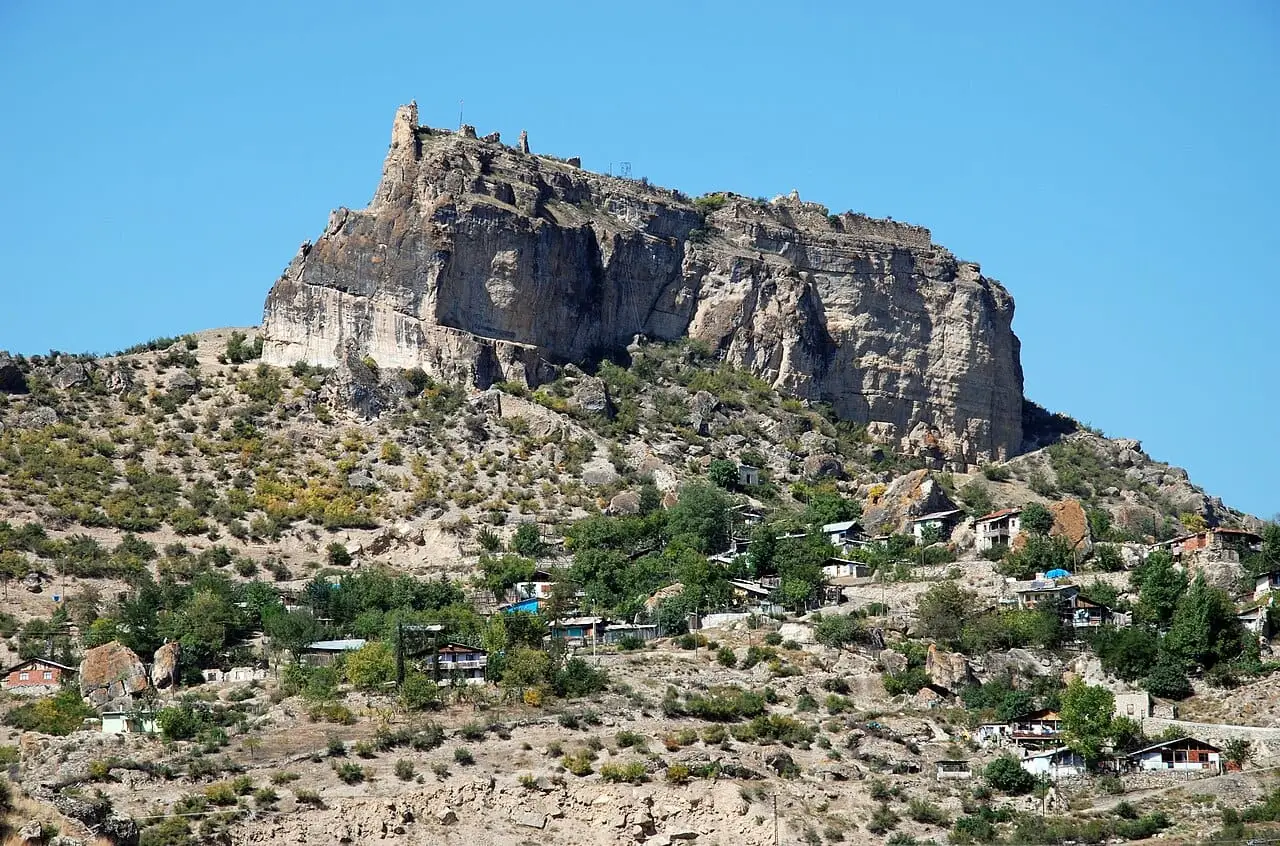
Built in the 9th century during the Georgian Bagrationi dynasty, Gevhernik Castle is Ardanuç's most important historic structure. Archaeological excavations in 2024 uncovered the tomb of the Georgian King Ashot the Great.

View on map
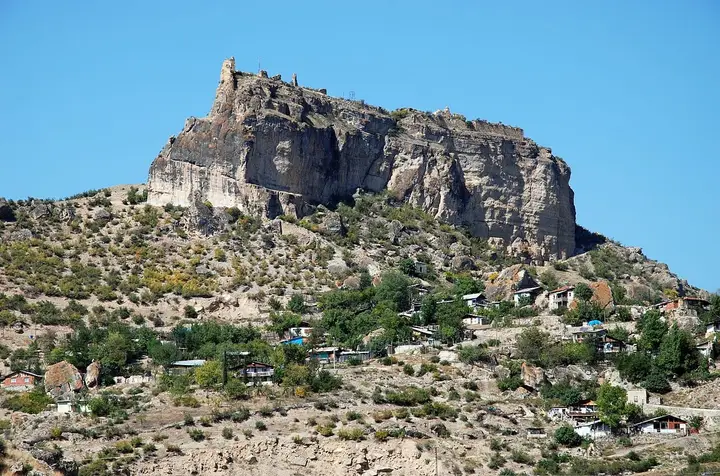
Ardanuç Castle - Ardanuç Photo: Bertramz (CC BY-SA 3.0) · Source
Historic

Ardanuç Castle

Ardanuç Castle, near the centre of the district, is dated to the Middle Ages. Built during the Georgian Kingdom period, the castle was also used in the Ottoman period and is notable for its strategic position.

View on map
Historic

Bulanık Church

This Georgian church in Bulanık village, attached to Ardanuç district, is dated to the 10th century. With its stonework and architectural details, it is one of the important religious buildings of the Tao-Klarjeti period.

View on map
Historic

Ardanuç Castle (Gevhernik)

A castle on a high hill in Ardanuç district.

View on map
Historic

Ferhatlı Castle

A castle built on bedrock beside the Ardanuç stream.

View on map

Religious Buildings 1

Religious

Rabat (Bulanık) Church

The church in Çamlık (Rabat) Neighbourhood, in Bulanık Village attached to Ardanuç.

View on map

Natural Wonders 4

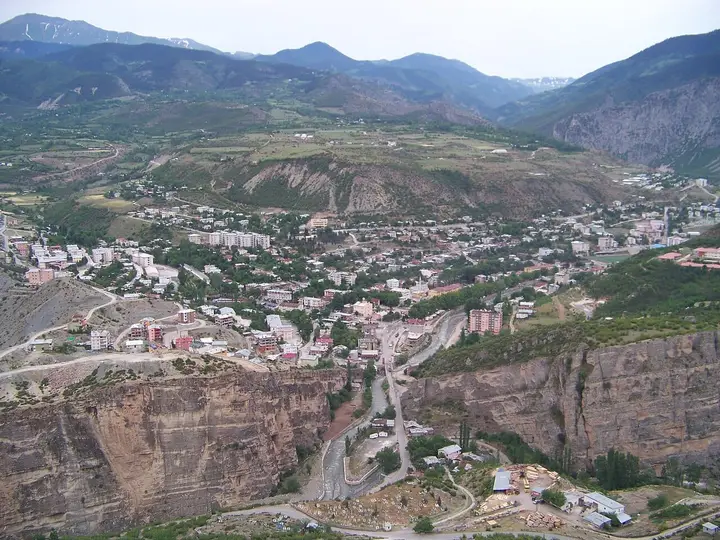
Ardanuç Valley - Ardanuç Photo: Jaba1977 (Attribution) · Source
Nature

Ardanuç Valley

The Ardanuç Valley, formed by one of the branches of the Çoruh River, is an ideal walking route for nature lovers with its deep canyons and green forests. Georgian-era castle and church ruins can be found along the valley.

View on map
Nature

Cehennem Deresi Canyon

A canyon about 7 km north-west of Ardanuç district centre.

View on map
Nature

Bilbilan Plateau

A plateau 51 km east of Ardanuç district, reached via Şavşat-Ardahan.

View on map
Nature

Çurisbil Plateau

A forested plateau 15 km from Ardanuç district centre, within the boundaries of Konaklı Village.

View on map

Places to Visit Around Artvin Province

See all →

While you are in Ardanuç, you can also see the highlights of Artvin province. These places are in other districts.

  • Artvin Castle — Known locally as Livane Castle, it was built in 937 by the Georgian king Ashot the Great and controlled the approach to the town and traffic along the Çoruh.
  • Kafkasör Plateau — A forest-ringed highland pasture at an altitude of about 1,200 metres, 12 km from the city centre; it hosts the bull wrestling of the annual Kafkasör Culture, Tourism and Arts Festival.
  • Hatila Valley National Park — A narrow V-shaped valley, in places a canyon, 10 km from Artvin centre; slopes reach gradients of up to 100 per cent in places.
  • İşhan Monastery — A Georgian monastery in the village of İşhan in Yusufeli; it was founded in the 9th century by the monk Saba on the site of a 7th-century church and renovated in 1032 by the architect Ivane Morchaisdze.
  • Dörtkilise (Othta Eklesia) — A 10th-century Georgian monastery 5 km from the village of Tekkale in Yusufeli; its name is a translation of the Georgian Othta Eklesia ("four churches").
  • Barhal (Parhali) Church — The main church of the monastery in the village of Altıparmak in Yusufeli, built between 961 and 973 by the Georgian king David III; a three-aisled basilica measuring 28 × 19 metres, it is one of the best-preserved Georgian buildings in the region.

Practical Information for Visiting Ardanuç

Suggested time
1-2 days
Best time to visit
Spring and summer months (May-September)
Places to visit
10 places

What to Eat in Ardanuç

Food guide →
  • Kuymak

    Kuymak is prepared by stirring cornmeal and butter continuously over a fire. With civil cheese added, it becomes stringy, and it is the traditional flavour of Ardanuç.

  • Karalahana Soup

    Made with kale, cornmeal and beans, this soup is an indispensable dish in Ardanuç's winter months. It is favoured on cold days for its nourishing and filling qualities.

  • Corn Bread

    A traditional bread made from cornmeal, cooked on a griddle or in an oven. It is a staple of Ardanuç tables and is eaten with cheese and butter.

  • Cağ Kebabı (horizontal spit-roasted lamb)

    One of Ardanuç's important dishes.

Culture, Local Products and Economy of Ardanuç

  • Tao-Klarjeti Heritage

    Ardanuç was one of the important centres of the Georgian Tao-Klarjeti region in history. Gevhernik Castle and the surrounding church ruins are evidence of the rich cultural heritage of this period.

  • Archaeological Discoveries

    Archaeological excavations at Gevhernik Castle have uncovered medieval tomb chambers, kitchen remains, cisterns and coins. These discoveries shed light on the history of the region.

Local Products

  • Honey — Honey obtained from Ardanuç's forest and plateau areas is known for its variety and quality. Chestnut honey and wildflower honey are the most valuable products of the region.
  • Walnut — Walnuts, grown in the mild microclimate of the Ardanuç valley, are an important agricultural product of the region. Walnut trees are common along the length of the valley.

Economy

The economy of Ardanuç rests on agriculture, livestock farming and forestry. Walnuts, apples and pears are grown in the mild microclimate of the valley. Large livestock farming and beekeeping are important sources of livelihood. Archaeological excavations at Gevhernik Castle are increasing the district's potential for cultural tourism.

How to Get to Ardanuç

Ardanuç is reached by road, 55 km from Artvin provincial centre. The nearest airport is Rize-Artvin Airport (220 km). Regular minibus services run from Artvin.

Get directions on Google Maps Getting to Artvin

Ardanuç: Frequently Asked Questions

What are the main things to see in Ardanuç?

The highlights of Ardanuç are ten places: Gevhernik Castle, Ardanuç Castle, Bulanık Church, Ardanuç Valley, Cehennem Deresi Canyon, Ardanuç Castle (Gevhernik), Bilbilan Plateau, Rabat (Bulanık) Church, Ferhatlı Castle and Çurisbil Plateau.

What should I eat in Ardanuç?

Kuymak, Karalahana Soup, Corn Bread and Cağ Kebabı are the standout dishes on Ardanuç's tables.

What is Ardanuç famous for?

Ardanuç is known for honey and the Tao-Klarjeti Heritage. Honey obtained from Ardanuç's forest and plateau areas is known for its variety and quality. Chestnut honey and wildflower honey are the region's most valuable products.

How do I get to Ardanuç?

Ardanuç is reached by road, 55 km from Artvin provincial centre. The nearest airport is Rize-Artvin Airport (220 km). Regular minibus services run from Artvin.

How long should I spend in Ardanuç?

Suggested visit length: 1-2 days. Best time to visit: spring and summer months (May-September).

Continue Your Trip

Other Districts of Artvin

Search 81 province guides and 968 district guides.