8 places to visit in the Söğüt district of Bilecik: Ertuğrul Gazi Tomb, Söğüt Ethnography Museum and Halime Hatun Tomb. Plan your trip to Söğüt with local food, practical tips and transport information.

Share with friends

The district lies at an elevation of 682 metres. It is 31 km from Bilecik city centre and 52 km from Eskişehir.

History

During the War of Independence, Söğüt was occupied three times by Greece and was liberated from occupation in 1922.

Administration

The district consists of 23 villages and 5 neighbourhoods.

History and Culture

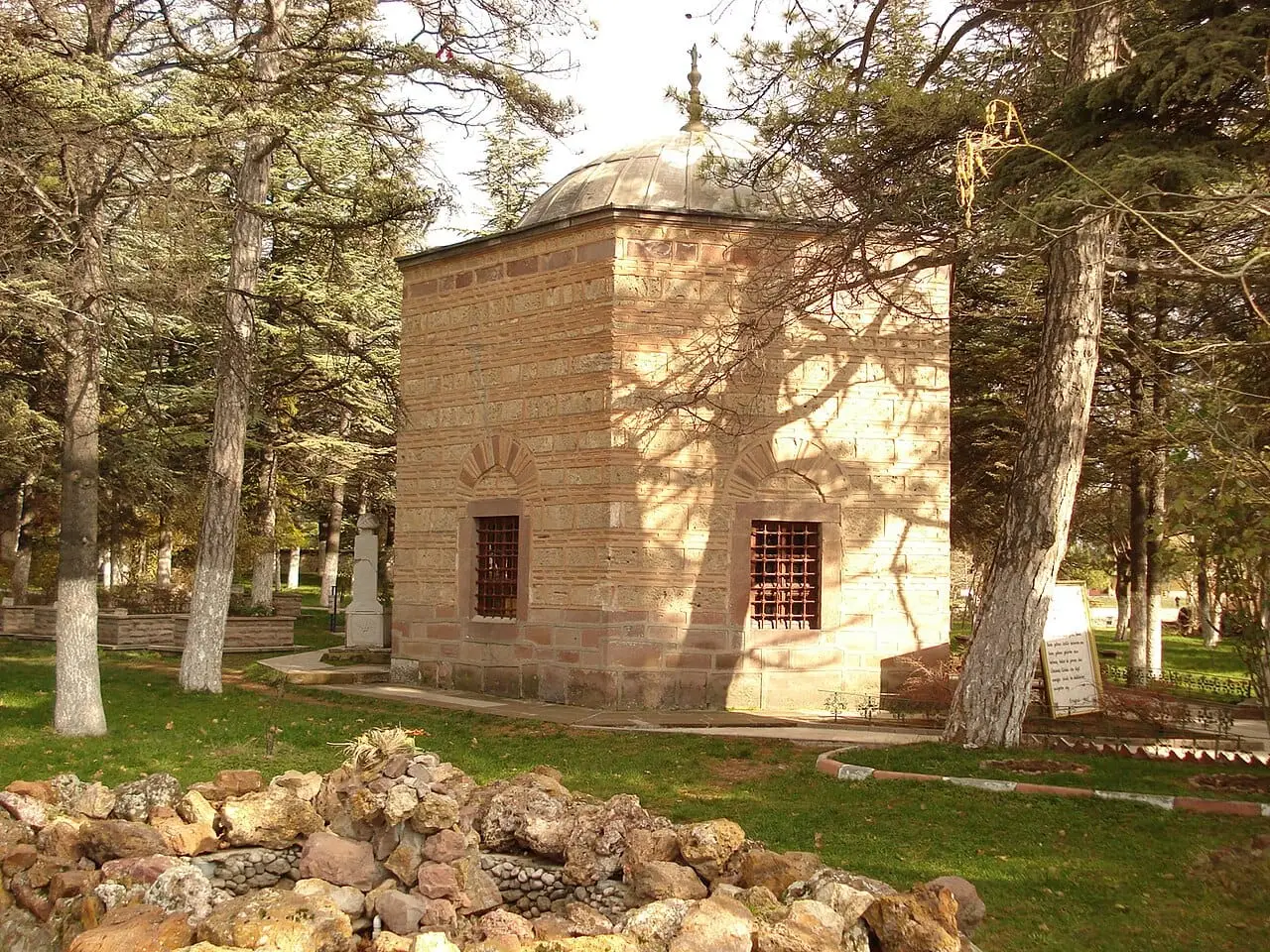
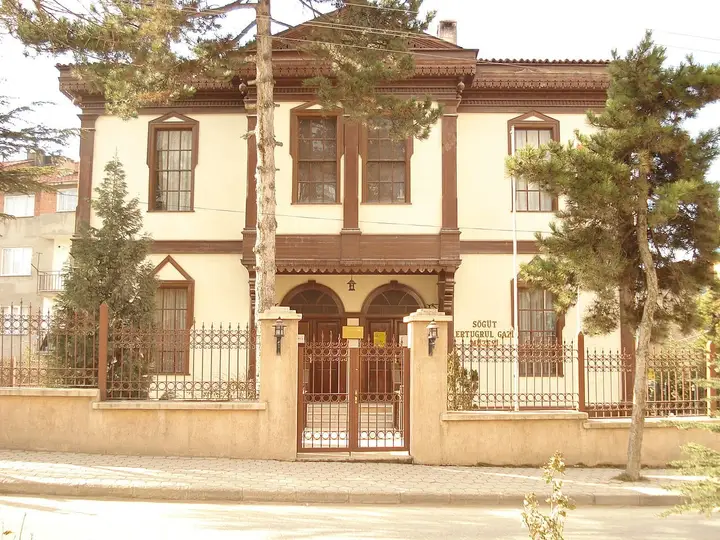
Ertuğrul Gazi Tomb was first built by Osman Gazi as an open grave, and was later turned into a tomb by Mehmed I Çelebi. It was restored by Mustafa III in 1757 and by Abdülhamid II in 1886. Ertuğrul Gazi Tomb, Kuyulu Masjid and the Hamidiye Complex are cited as important stops for understanding the roots of the Ottoman State. The Söğüt Ertuğrul Gazi Museum, housed in a building restored in the style of an old Turkish house, opened as a museum in 2001.

Last updated:

Places to Visit in Söğüt

  • 2 Historic
  • 3 Religious
  • 1 Museum
  • 2 Attraction

Historic Sites 2

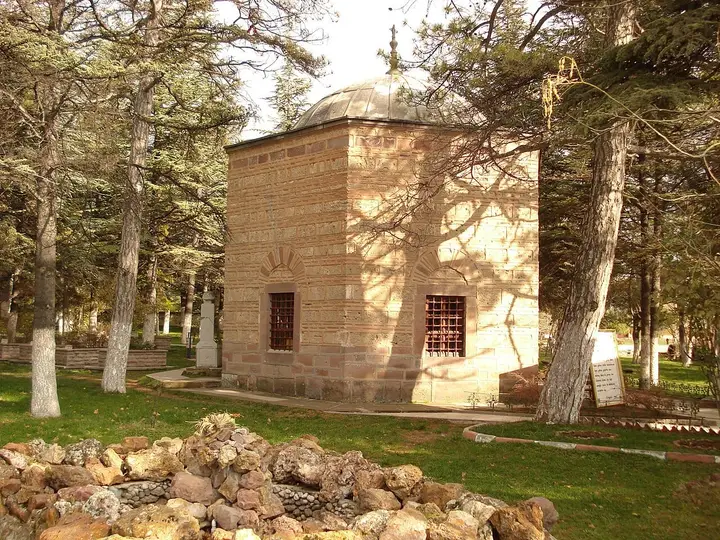
Ertuğrul Gazi Tomb - Söğüt Photo: Maderibeyza (CC BY-SA 3.0) · Source
Historic

Ertuğrul Gazi Tomb

The tomb of Ertuğrul Gazi, father of Osman Gazi, the founder of the Ottoman State, is the most important place to visit in Söğüt. The monumental tomb of Ertuğrul Gazi, who died in the 13th century, welcomes hundreds of thousands of domestic and foreign tourists every year.

View on map
Historic

Halime Hatun Tomb

The tomb of Halime Hatun, wife of Ertuğrul Gazi and mother of Osman Gazi, is located near the Ertuğrul Gazi Tomb. One of the first female figures of the Ottoman dynasty, Halime Hatun is the focus of visitors' interest here.

View on map

Religious Buildings 3

Religious

Dursun Fakih Tomb

The tomb of Dursun Fakih, the first kadı (judge) of the Ottoman State, is in Söğüt. Dursun Fakih, who delivered the first sermon (khutba) in the time of Osman Gazi, laid the foundations of the Ottoman judicial system.

View on map
Religious

Çelebi Mehmet Mosque

Built by Sultan Mehmed I Çelebi between 1414 and 1420, a rectangular-looking mosque with 12 domes. It is one of the earliest examples of the Ottoman domed building type.

View on map
Religious

Hamidiye Mosque

Built by Abdülhamid II in 1903–1905, a square-plan, neo-classical mosque with two minarets.

View on map

Museums 1

Museum

Söğüt Ertuğrul Gazi Museum

Opened as a museum in 2001 in a building restored in the style of an old Turkish house, it displays ethnographic objects belonging to Söğüt and the surrounding Yörük people.

View on map

Attractions 2

Söğüt Ethnography Museum - Söğüt Photo: Maderibeyza (CC BY-SA 3.0) · Source
Attraction

Söğüt Ethnography Museum

This museum, which displays life-size statues of Ottoman sultans, introduces Ottoman history and Turkish way of life. It holds Kayı tribe objects, traditional clothing and weapons.

View on map
Attraction

Kayı Boyu Encampment (Re-enactment Area)

The re-creation of Kayı tribal life in Söğüt introduces visitors to the 13th-century Turkmen nomadic life. There are tents (otağ), traditional handicraft workshops and areas for equestrian shows.

View on map

Places to Visit Around Bilecik Province

See all →

While you are in Söğüt, you can also see the highlights of Bilecik province. These places are in other districts; Söğüt is about 30 km from the provincial centre.

  • Şeyh Edebali Tomb — The tomb in Bilecik where Şeyh Edebali, father-in-law and teacher of Osman Gazi, and his daughter Rabia Bala Hatun are buried; it was built by Orhan Gazi as a tomb and zawiya.
  • Orhan Gazi Mosque (Bilecik) — An early Ottoman mosque attributed to Orhan Gazi, standing on the site of the masjid that Osman Gazi had built after taking Bilecik; together with the Şeyh Edebali Tomb it is one of the oldest Ottoman buildings in the city.
  • Köprülü Mehmed Paşa Caravanserai — A caravanserai measuring 101.5 × 27.2 metres in the town of Vezirhan on the Bilecik–Adapazarı road, a foundation of Köprülü Mehmed Paşa thought to have been built in 1655 or 1665; it was turned into a 36-room hotel in a restoration carried out in 2007–2010.
  • Söğüt Çelebi Mehmet Mosque — A historic mosque in the centre of the Söğüt district, attributed to Çelebi Mehmet.
  • Ertuğrul Gazi Museum (Söğüt) — A museum in Söğüt devoted to the founding period and the ethnography of the area.
  • Bilecik City and Old Castle — The old city, built on a rocky outcrop between the Hamsu and Debbağhane streams; this area, where the Byzantine castle of Belekoma stood, was taken by Osman Gazi in 1299. The ancient settlement of Agrilion lies 4 km south-west of the city.

Practical Information for Visiting Söğüt

Suggested time
1 day
Best time to visit
September (Ertuğrul Gazi Commemoration Festivals)
Places to visit
8 places

What to Eat in Söğüt

Food guide →
  • Söğüt Kebabı (wood-fired lamb)

    Söğüt kebab is a traditional local dish of lamb marinated in special spices and cooked over a wood fire. It is served with lavash bread and charred vegetables.

  • Keşkek (wheat and meat dish)

    Made with cracked wheat and meat cooked for a long time and then pounded, keşkek is the traditional dish at weddings and festival tables in Söğüt. It is also served at Ertuğrul Gazi commemoration ceremonies.

  • Höşmerim (fried cheese dessert)

    Made by frying fresh lor cheese with flour and sugar in a pan, höşmerim is a dessert particular to Söğüt and the Bilecik region. It is at its most delicious when served hot.

  • Ertuğrul Gazi Pilavı (bulgur pilaf)

    A pilaf prepared by Söğüt's cooks with bulgur and a mixture of bone broth and meat stock.

  • Ertuğrul Gazi Çorbası (cut noodle soup)

    A soup made with cut noodles in Söğüt; it is also known by the name yörük çorbası (Yörük soup).

Culture, Local Products and Economy of Söğüt

  • Founding Site of the Ottoman State

    Söğüt was the first capital of the Ottoman Beylik between 1281 and 1335. The valley where Ertuğrul Gazi settled with the Kayı tribe has entered history as the land where the Ottoman Empire was born.

  • Ertuğrul Gazi Commemoration and Yörük Festivals

    Held every year in the second week of September, these festivals are among the largest cultural events in Türkiye. Equestrian shows, traditional sports, re-enactments of the Yörük migration and folk concerts are held.

  • Kayı Tribe Heritage

    Söğüt is the settlement of the Kayı branch of the Oghuz Turks. These lands, given as a homeland to Ertuğrul Gazi by the Seljuk Sultan Alaeddin Keykubad, are a turning point in Turkish history.

Local Products

  • Söğüt Honey — Flower and pine honey obtained from the district's rich forest cover is Söğüt's best-known natural product. Beekeeping holds an important place in the district's economy.
  • Handwoven Kilims — Woven in Söğüt as a continuation of the Yörük tradition, the kilims are made with traditional motifs and natural dyes. Kilims with the Kayı tribe pattern attract strong interest from tourists.

Economy

Söğüt's economy consists of agriculture, livestock farming and tourism. Grains, fruit and vegetables are grown on the fertile valley lands. Thanks to the Ertuğrul Gazi Tomb and the heritage of the Ottoman founding, cultural tourism is the district's most important source of income. Beekeeping and small livestock farming also contribute to the economy.

How to Get to Söğüt

Söğüt is 30 km from Bilecik city centre. It is 60 km from Eskişehir and 280 km from Ankara. Access to the high-speed train is possible via Bilecik. Regular minibus services run from Bilecik and Eskişehir.

Get directions on Google Maps Getting to Bilecik

Söğüt: Frequently Asked Questions

What are the places to see in Söğüt?

The 8 highlights of Söğüt: Ertuğrul Gazi Tomb, Söğüt Ethnography Museum, Halime Hatun Tomb, Dursun Fakih Tomb, Kayı Boyu Encampment (Re-enactment Area), Söğüt Ertuğrul Gazi Museum, Çelebi Mehmet Mosque and Hamidiye Mosque.

What should I eat in Söğüt?

Söğüt Kebabı, Keşkek, Höşmerim and Ertuğrul Gazi Pilavı are the standout dishes on the tables of Söğüt.

What is Söğüt famous for?

Söğüt is known for Söğüt Honey and the Founding Site of the Ottoman State. The flower and pine honey obtained from the district's rich forest cover is its best-known natural product.

How do I get to Söğüt?

Söğüt is 30 km from Bilecik city centre. It is 60 km from Eskişehir and 280 km from Ankara. Access to the high-speed train is possible via Bilecik. Regular minibus services run from Bilecik and Eskişehir.

How much time should I set aside for a visit to Söğüt?

Suggested visit length: 1 day. Best time to visit: September (Ertuğrul Gazi Commemoration Festivals).

Continue Your Trip

Other Districts of Bilecik

Search 81 province guides and 968 district guides.