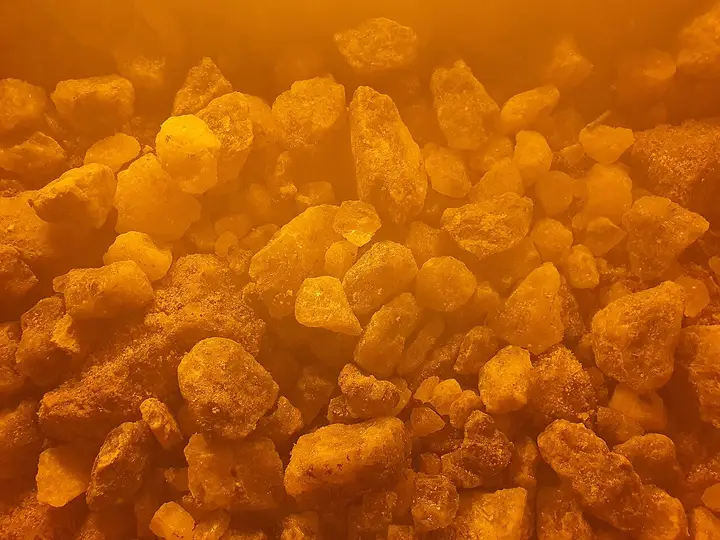
 Photo: efalp00 (CC BY-SA 4.0) · Source
 Tuzluca Salt Caves
Salt caves covering 35 decares of land, including a healing centre that serves asthma patients.
View on map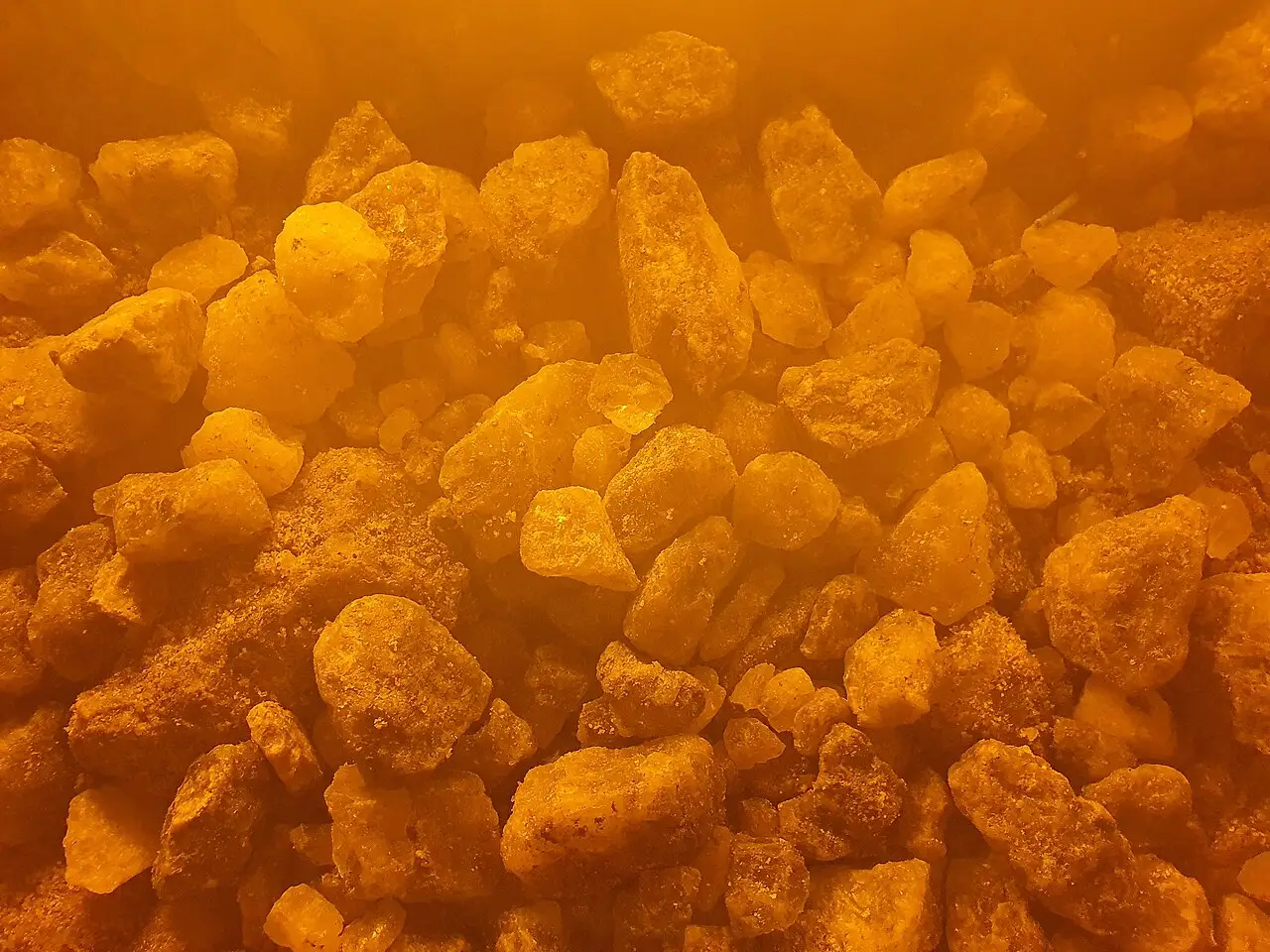 Photo: efalp00 (CC BY-SA 4.0) · Source
 7 places to visit in the Tuzluca district of Iğdır: Tuzluca Salt Caves, Tuzluca Castle and Çilli Lake. Plan your trip to Tuzluca with local food, practical tips and transport information.
By a circular dated 17 October 1928, numbered 4948, the name of Kulp district, which was attached to Bayazıt Province, was changed to Tuzluca to remove the confusion caused by the similarity of names. Tuzluca district left Bayazıt Province in 1934 and was attached to Kars. In 1992, when Iğdır separated from Kars to become a province, Tuzluca was attached to Iğdır province.
Tuzluca is located in the west of the province. Mountains predominate in its landforms. The district has 81 villages. The road linking Türkiye with Iran, Azerbaijan and Armenia passes through Tuzluca. The district centre covers 1,270 km² and makes up about 35.4% of Iğdır province’s land.
It is the rock salt mines that gave Tuzluca its name; its first known name was Kulp. The salt caves cover 35 decares of land. After many years of working this material, a healing centre serving asthma patients has been established in the salt caves.
The economy is based more on livestock farming, mining and plateau pasture farming than on agriculture. Various fruits and vegetables are grown in Tuzluca, along with Iğdır’s famous apricots. South of Tuzluca, along the mountain range that forms the border with Ağrı province, there are many plateaus, including Aslanlı, Kırahtin, Hıdık, Güllük, Yassıbulak, Kızılziyaret, Guh, Davul, Mirgemir, Barbaro and Sinek plateaus. A brick factory and Mount Tuz, which meets the region’s entire salt requirement, are also located here.
The area where Tuzluca is located is very important for transport. Iğdır province, which shares borders with three countries, has its road links with other provinces and regions passing through Tuzluca.
Kulp district was renamed Tuzluca in 1928 to remove confusion over names. Tuzluca was attached to Iğdır province in 1992. The district takes its name from its rock salt mines. The salt caves were opened for health tourism in 2021 as the Tuz Terapi Merkezi (Salt Therapy Centre). The district’s economy is based more on livestock farming, mining and plateau pasture farming than on agriculture.
Last updated:
Photo: efalp00 (CC BY-SA 4.0) · Source Salt caves covering 35 decares of land, including a healing centre that serves asthma patients.
View on mapLocated on a hill overlooking the district centre, Tuzluca Castle has a past going back to the Urartian period. Because of its strategic position, it was also used in the Roman, Byzantine and Ottoman periods.
View on mapLocated to the south of Tuzluca, Çilli Lake stands out for its salty water. During migration periods the lake area is home to waterbirds such as flamingos and pelicans. It is an important stopover for birdwatchers.
View on mapRock tombs near Gaziler village, belonging to the Urartian period, consisting of chamber-shaped tombs carved into rock. They are important archaeological remains that shed light on the region's ancient history.
View on mapA castle on the rocks to the south of Bahçecik village, part of Tuzluca.
View on mapWhile you are in Tuzluca, you can also see the highlights of Iğdır province. These places are in other districts; Tuzluca is about 48 km from the provincial centre.
Lamb is slow-cooked for hours over low heat in a clay tandır oven. The soft texture and deep flavour produced by cooking in its own fat make it Tuzluca's best-known dish.
A traditional soup made with handmade pasta strips, broth and yoghurt. It is never missing from Tuzluca's tables on cold winter days.
Traditional halva made with flour, butter and grape molasses. In Tuzluca it is made especially in the winter months and on special occasions. This energy-rich sweet is served with tea.
Bağa leaf brine, made mostly in Tuzluca district and mountain villages in Iğdır province, has been used since ancient times in the treatment of open wounds as well.
Salt mining in Tuzluca is a tradition that has lasted for centuries. The district was an important salt production centre in the Ottoman period and takes its name from this activity. Today the salt caves are used for both industrial and tourist purposes.
The ancient aşık tradition of Eastern Anatolia is kept alive in Tuzluca too. Aşıks who improvise poetry to the accompaniment of the saz bring local people together at weddings and festive celebrations.
Tuzluca's economy is based on salt mining, agriculture and livestock farming. The salt caves provide both industrial production and tourism income. Wheat, barley and sugar beet are grown in farming. Small livestock farming is also an important source of livelihood.
Tuzluca is 48 km from Iğdır city centre. Iğdır Airport is about 55 km away. The district is reached by road on the Iğdır–Kars highway, with minibus and dolmuş services.
The 7 highlighted places in Tuzluca are: Tuzluca Salt Caves, Tuzluca Castle, Çilli Lake, Gaziler Village Rock Tombs, Rainbow Hills, Bahçecik Village Maiden's Castle and Aslanlı Castle.
Tuzluca Tandır Kebabı, Kesme Çorbası and Pekmezli Helva are the standout flavours on Tuzluca's tables.
Tuzluca is known for Tuzluca Rock Salt and the Salt Mining Tradition. Tuzluca rock salt, mined for centuries, is rich in natural minerals. Pink and white in colour, it is used for table and industrial purposes.
Tuzluca is 48 km from Iğdır city centre. Iğdır Airport is about 55 km away. The district is reached by road on the Iğdır–Kars highway, with minibus and dolmuş services.
Suggested visit length: 1 day. Best time to visit: spring and summer (May–September).