 Photo: Zeynel Cebeci (CC BY-SA 4.0) · Source
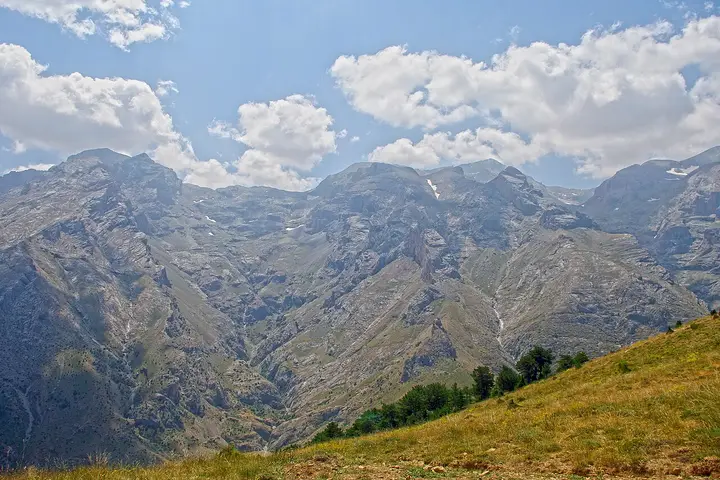
 Bolkar Mountains
An important mountain range of the Central Taurus. It has all the characteristics of the Taurus and contains countless glacial lakes, caves and canyons.
View on map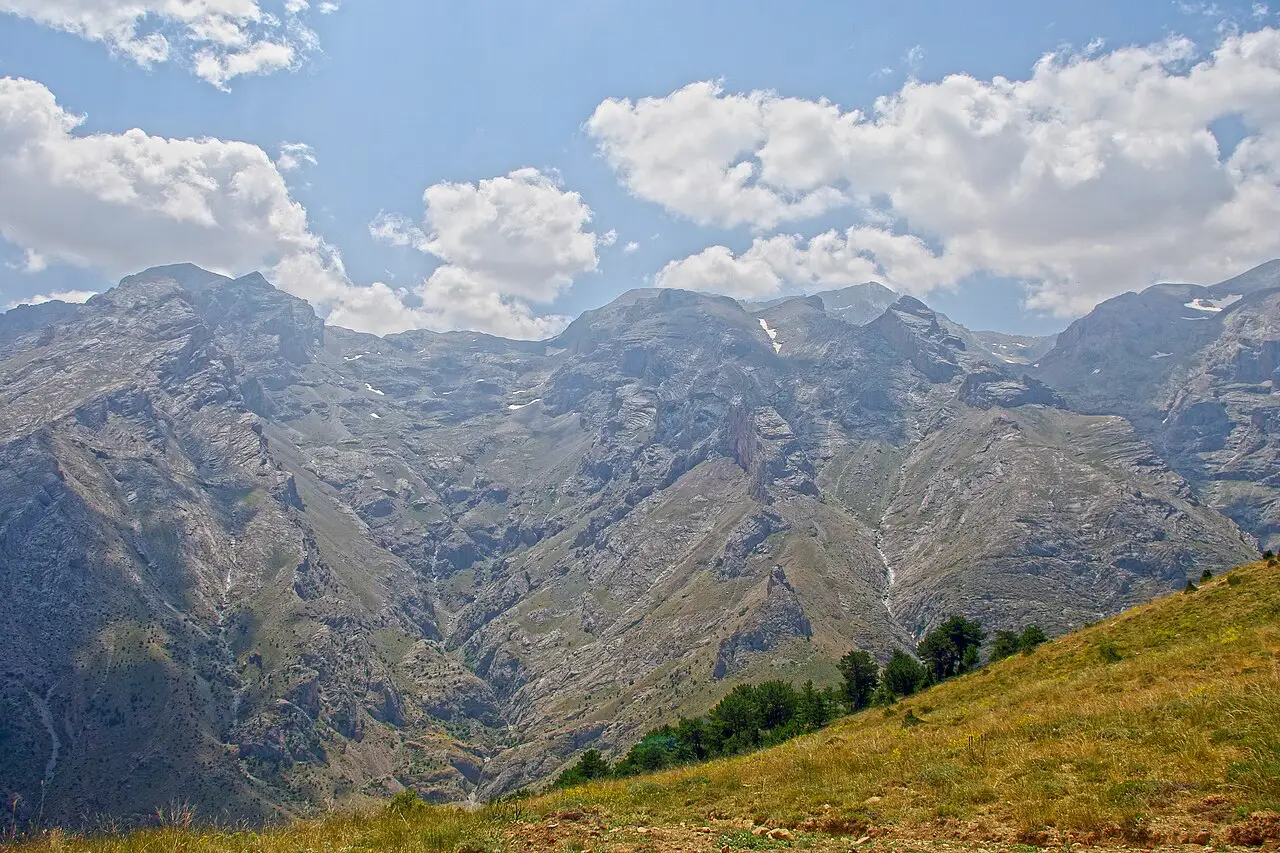 Photo: Zeynel Cebeci (CC BY-SA 4.0) · Source
 7 places to visit in the Ulukışla district of Niğde: Bolkar Mountains, Çiftehan Hot Springs and Ulukışla Railway Station. Plan your trip to Ulukışla with local food, practical tips and transport information.
Ulukışla is a district of Niğde province and is the largest district in Niğde by area. The district covers 1,375 km² and the town centre stands at 1,430 metres.
Remains from the Epipalaeolithic, Hittite and Roman periods have been found in the area. The tomb of Faustina, wife of the Roman emperor Marcus Aurelius, was found in Toraman village. Until 1859 it was a nahiye called Secaaddin attached to Bor, with its centre at Beyağıl village.
The town centre lies at the mouth of the broad gap between the Medetsiz and Bolkar Mountains, which are parts of the Central Taurus. With its flowers, glacial lakes, high peaks and rural life, the Bolkar Mountains are among Türkiye’s most beautiful mountain ranges.
Its economy is based on agriculture, with apples, barley, potatoes, wheat, grapes and sugar beet as the main crops.
Remains from the Hittite and Roman periods have been found in the district. A settlement dating to the 4th century AD was uncovered at Zeyve Höyük near Porsuk village. After the caravanserai built in the 16th century, the district was called Ulukışlak, and later took the name Ulukışla. The district gained district status with the founding of the Republic of Türkiye. During the War of Independence, the district was the furthest point reached by the French occupation.
Last updated:
Photo: Zeynel Cebeci (CC BY-SA 4.0) · Source An important mountain range of the Central Taurus. It has all the characteristics of the Taurus and contains countless glacial lakes, caves and canyons.
View on mapBuilt in 1912 on the Baghdad Railway line, the station is a fine example of Ottoman-era railway architecture. The historic building and platforms are still in use.
View on mapA historic pass across the Taurus Mountains, the most important link between Anatolia and the Mediterranean since ancient times. Alexander the Great passed through this pass, and its strategic importance has made it the scene of many battles throughout history.
View on mapA complex with a single-domed mosque, an arasta (market street), 23 shops and a hammam, known as a caravanserai.
View on mapA höyük within the boundaries of Porsuk village, 9 km from Ulukışla district.
View on mapA crater lake in the Bolkar Mountains, covering about 60 hectares, with its deepest point at around 12 m.
View on mapWhile you are in Ulukışla, you can also see the highlights of Niğde province. These places are in other districts.
Prepared by slowly baking lamb in a clay tandır oven for hours. It is a traditional dish of the mountain villages. The meat takes on a unique aroma as it absorbs the earthy smell of the tandır.
A soup made from tarhana, which is yoghurt, tomato and wheat flour dried together. It is essential to winter tables.
Prepared by boiling cracked wheat and lamb for a long time until it becomes a porridge. Keşkek is an essential dish at weddings and is prepared in a communal spirit.
Cherries grown in Ulukışla have been promoted for 16 years through a cherry festival organised by the district governorship in Darboğaz village.
Gülek Pass is a strategic passage crossed by many armies, from Alexander the Great in the 4th century BC to the Crusades. This historical importance forms the basis of Ulukışla's cultural identity.
The Baghdad Railway crosses the Taurus at Ulukışla. The tunnels and viaducts built at the start of the 20th century are considered engineering marvels.
Ulukışla's economy is based on agriculture, livestock farming and mining. Apple, potato and grain growing are the main farming activities. Chrome and iron mining also contribute to the economy. Rail transport gives the district a logistics advantage.
Ulukışla is 50 km from Niğde and 130 km from Adana. Adana Airport is 130 km away. The railway station is on the Ankara-Adana line.
The 7 highlights in Ulukışla are the Bolkar Mountains, Çiftehan Hot Springs, Ulukışla Railway Station, Gülek Pass (Cilician Gates), Öküz Mehmet Paşa Complex (Grand Vizier Mehmet Paşa Caravanserai), Porsuk Höyük (Zeyve Höyük) and Karagöl Lake.
Ulukışla Tandır Eti, Tarhana Çorbası, Keşkek and Kiraz (Darboğaz) are the standout dishes on Ulukışla's tables.
Ulukışla is known for its apples and the History of the Cilician Gates. Apples grown at high altitude are known for their firm texture and long shelf life.
Ulukışla is 50 km from Niğde and 130 km from Adana. Adana Airport is 130 km away. The railway station is on the Ankara-Adana line.
Suggested visit length: 1 day. Best time to visit: summer months (mountaineering), spring-autumn.