Genç Castle
Genç Castle, on the hill overlooking the district centre, was built in the Urartian period and used by later civilisations. Its wall remains and watchtowers are partly standing.
View on map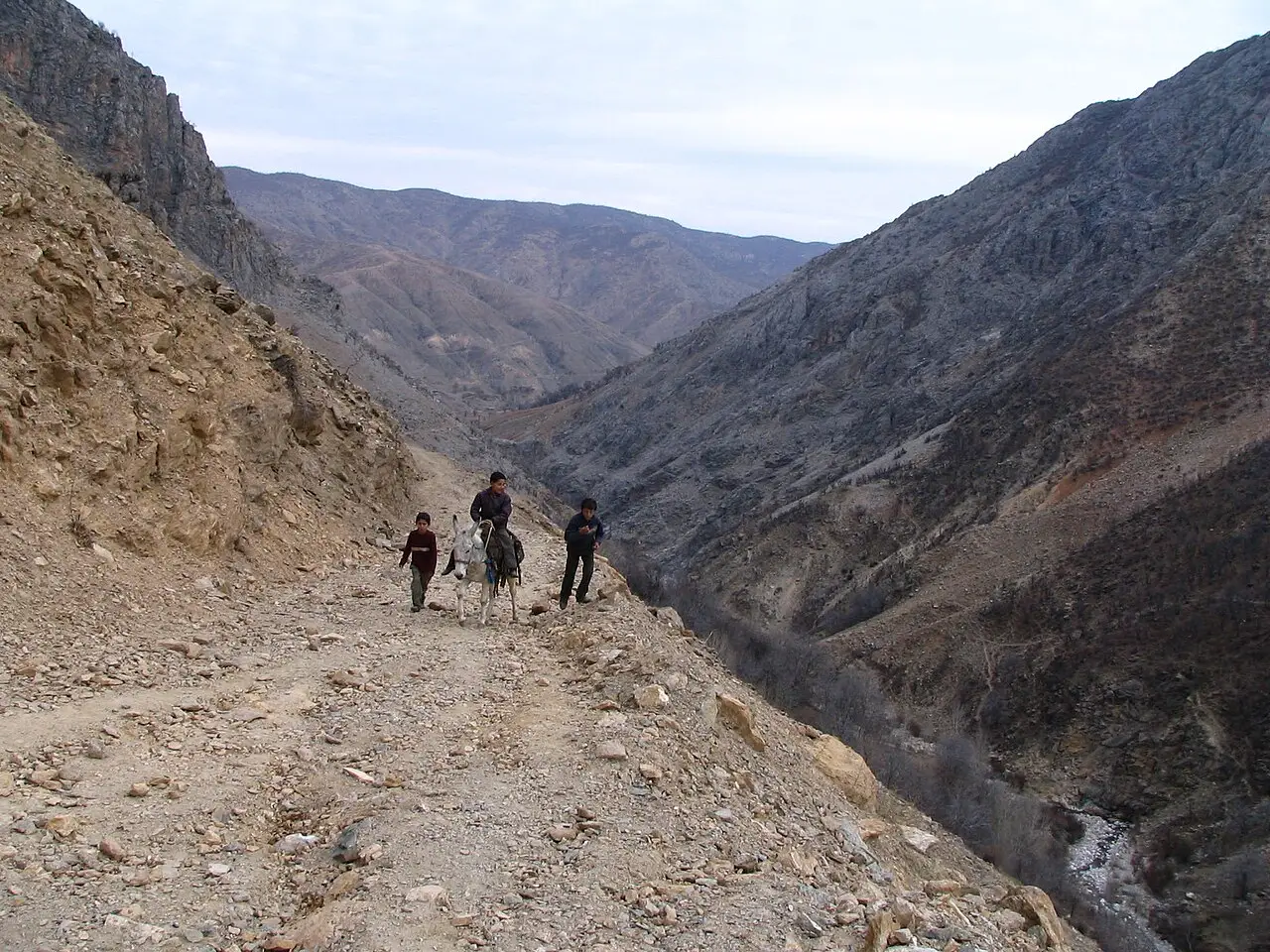
3 places to visit in the Genç district of Bingöl: Genç Castle, Genç Thermal Springs and Çapakçur Valley. Plan your trip to Genç with local food, practical tips and transport information.
Genç became part of Bingöl after Bingöl became a province in 1936.
The district is made up of 68 villages and 13 neighbourhood (mahalle) muhtarlıks, the local headman offices.
Genç district came under Ottoman rule in 1473. When Bingöl became a province in 1936, the district was attached to Bingöl.
The castle on the bank of the Murat River and the castle known as Kral Kızı Kalesi (King’s Daughter Castle) in Genç district are counted among the works of the Aq Qoyunlu period. In 1673 and 1702, Genç district of Bingöl was attached to the Diyarbakır Eyalet (Ottoman province).
Last updated:
Genç Castle, on the hill overlooking the district centre, was built in the Urartian period and used by later civilisations. Its wall remains and watchtowers are partly standing.
View on mapThe thermal springs around the district are known for their healing waters. The springs, said to be good for rheumatism and skin diseases, are heavily used by local people.
View on mapThe valley of the Çapakçur Stream, which passes through the boundaries of Genç district, with its deep canyons and green vegetation, is a focus of interest for nature photographers. Walking routes run along the valley.
View on mapWhile you are in Genç, you can also see the highlights of Bingöl province. These places are in other districts; Genç is about 35 km from the provincial centre.
Rice pilaf wrapped in yufka dough and baked, enriched with chicken and almonds. In Genç it is the traditional dish of wedding tables.
Çiğ köfte, made by kneading fine bulgur with spices, is an indispensable delicacy for welcoming guests in Genç.
Genç has gone down in history as the starting point of the 1925 Sheikh Said Rebellion. In the Ottoman period, the district was an important administrative unit as the centre of the Çapakçur Sanjak.
The tradition of plateau life (yaylacılık) continues in Genç. Families who migrate to the plateaus in summer keep their traditional way of life.
Genç's economy is based on livestock and farming. Small and large livestock farming is the district's main source of livelihood. Grain production and beekeeping also contribute to the economy. The district is one of the most populous in Bingöl.
Genç is 35 km from Bingöl city centre. It lies on the Bingöl–Diyarbakır road. There are regular minibus services from Bingöl.
The 3 standout places in Genç: Genç Castle, Genç Thermal Springs and Çapakçur Valley.
Perde Pilavı and Çiğ Köfte are standout dishes on tables in Genç.
Genç is known for Genç Honey and Historical Past. Flower honey obtained from high-altitude plateaus is the district's most valuable natural product.
Genç is 35 km from Bingöl city centre. It lies on the Bingöl–Diyarbakır road. There are regular minibus services from Bingöl.
Recommended visit length: half a day to 1 day. Best time to visit: summer months.