Peri Çayı Valley
The Peri Stream valley, which runs through Yayladere, is a favourite spot for nature photographers thanks to its deep canyons and green vegetation. Hiking trails and natural viewpoints are found along the valley.
View on map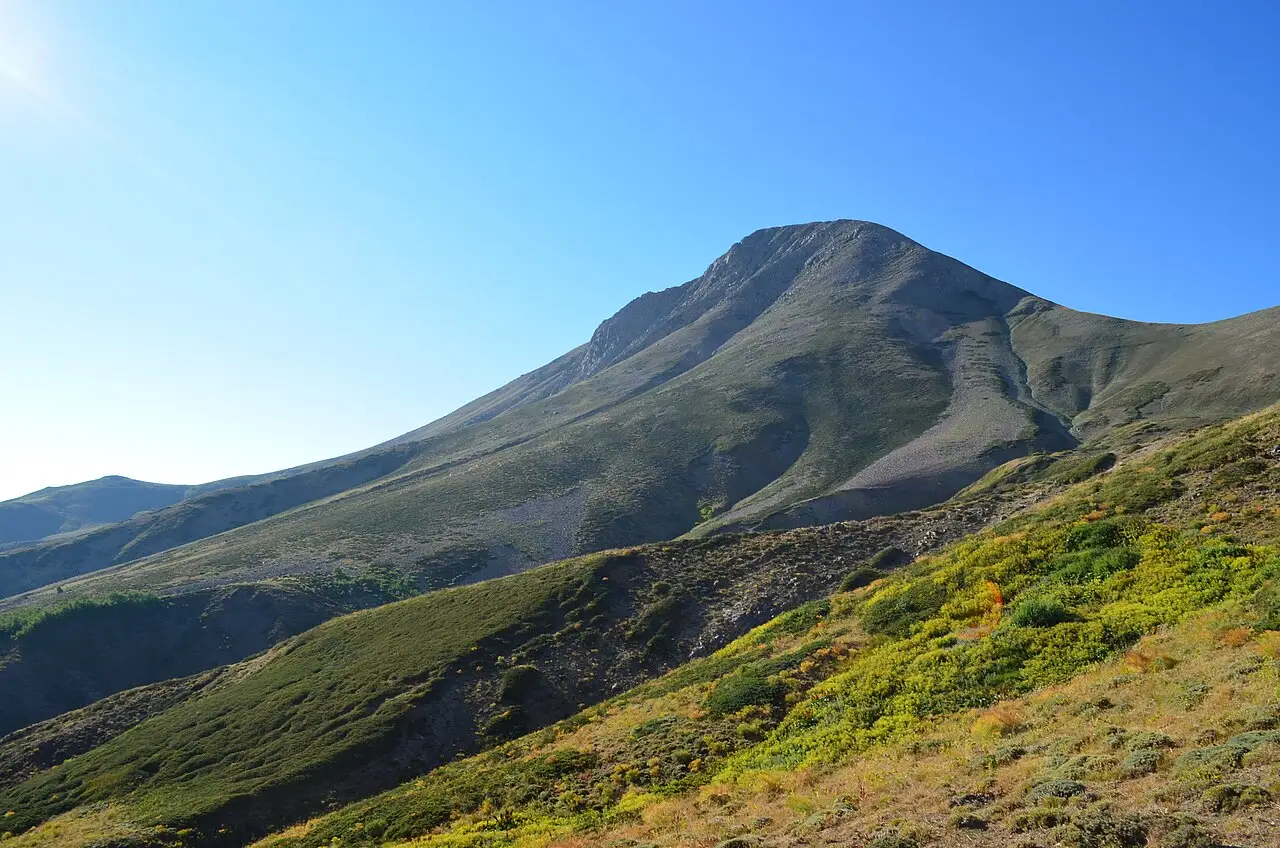 Photo: User:Ulas karakaya (CC BY-SA 3.0) · Source
 5 places to visit in the Yayladere district of Bingöl: Peri Çayı Valley, Yayladere Plateaus and Historic Stone Bridges. Plan your trip to Yayladere with local food, practical tips and transport information.
From around 2100 BC, the area was ruled in turn by the Kummukh, Hurrians, Hittites, Urartians, Persians and Romans. After 1071 it came under the Seljuks, and after 1473 under the Ottomans. The district, formerly called Holhol, was renamed Yayladere in 1959 and was given district status in 1987.
The former name of the district was Holhol; it was changed to Yayladere in 1959. Yayladere and Adaklı became districts in 1987 under the same law. The region was incorporated into Ottoman territory by Yavuz Sultan Selim after the Battle of Çaldıran in 1514.
Last updated:
The Peri Stream valley, which runs through Yayladere, is a favourite spot for nature photographers thanks to its deep canyons and green vegetation. Hiking trails and natural viewpoints are found along the valley.
View on mapThe plateaus in the higher parts of the district attract nature lovers with their cool summer air and endemic plant species. Traditional plateau life continues here.
View on mapStone bridges from the Ottoman period span the streams and rivers around Yayladere. These bridges are important examples of the region's engineering heritage.
View on map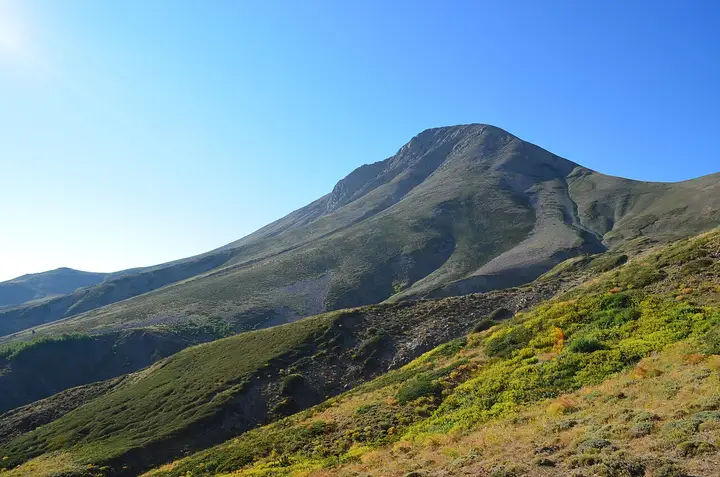 Photo: User:Ulas karakaya (CC BY-SA 3.0) · Source
 While you are in Yayladere, you can also see the highlights of Bingöl province. These places are in other districts; Yayladere is about 90 km from the provincial centre.
Çiğ köfte, made by kneading fine bulgur with spices, is an essential delicacy at guest tables in Yayladere.
Made with dried beans, chickpeas and bulgur, kelecoş is one of Yayladere's traditional winter dishes.
Yayladere takes its name from its plateau tradition. In summer, families who migrate to the plateaus make their living through traditional tent life and livestock farming.
The economy of Yayladere is based on livestock farming and agriculture. Small livestock farming is the district's main source of income. Beekeeping is also an important source of income.
Yayladere is 90 km from Bingöl city centre. Minibus services run from Bingöl. Because of the mountainous terrain, transport can become difficult in winter.
The five highlights of Yayladere are: Peri Çayı Valley, Yayladere Plateaus, Historic Stone Bridges, Mount Sülbüs and Mount Taru.
Çiğ Köfte and Kelecoş are the standout dishes on tables in Yayladere.
Yayladere is known for Yayladere Honey and Plateau Culture. The flower honey obtained from the high mountain plateaus is the most valuable natural product of Yayladere.
Yayladere is 90 km from Bingöl city centre. Minibus services run from Bingöl. Because of the mountainous terrain, transport can become difficult in winter.
Suggested visit time: half a day. Best time to visit: summer months.