7 places to visit in the central district of Isparta: Firdevs Paşa Mosque, Gölcük Lake and Isparta Rose Gardens. Plan your trip with local food, practical tips and transport information.

Share with friends

Isparta is located in the inner part of the Mediterranean Region, in the Lakes Region north of the Taurus Mountains. The city was founded on a volcanic plain at the foot of Gölcük Lake, a former maar; around it are lakes such as Eğirdir, Kovada and Gölcük, and the Davraz, Dedegöl and Barla mountains. In antiquity, the region was known as Pisidia.

History

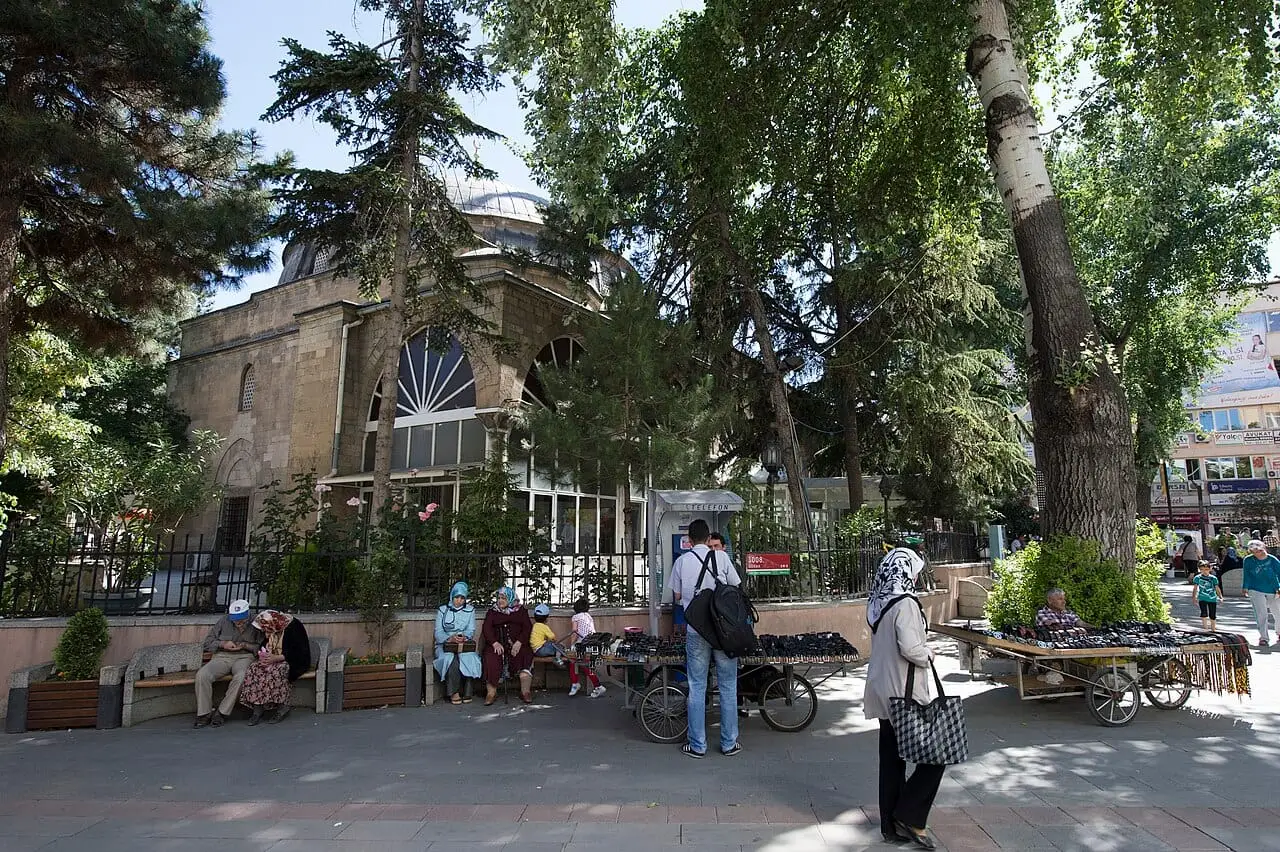
The region gained importance during the Seljuk period, and the Ertokuş Madrasa in Atabey was built in 1224. Eğirdir and Isparta, the centre of the Hamidoğulları Principality, passed to the Ottomans in 1381. Firdevs Paşa (Mimar Sinan) Mosque dates from the 16th century.

Roses and Carpets

Oil rose brought from Bulgaria at the end of the 19th century spread through Isparta’s climate and soil, and today the bulk of Türkiye’s oil rose production is in Isparta. The city is one of the leading centres of the world rose oil market. Hand carpet-weaving, which developed in the 19th century, also made Isparta one of Anatolia’s important carpet centres.

Education and Culture

The city is a student city with Süleyman Demirel University and Isparta University of Applied Sciences. The 9th President of Türkiye, Süleyman Demirel, was born in İslamköy in Atabey.

History and Culture

Firdevs Paşa had the mosque built in the style of Mimar Sinan in 1561.

Last updated:

Places to Visit in Isparta Central District

  • 5 Religious
  • 1 Nature
  • 1 Other
Firdevs Paşa Mosque - Merkez Photo: Dosseman (CC BY-SA 4.0) · Source
Religious

Firdevs Paşa Mosque

A mosque dating from the 16th century.

View on map
Nature

Gölcük Lake

A lake on a volcanic plain, which is a former maar; the city was founded at the foot of this lake.

View on map
Other

Isparta Rose Gardens

Oil rose brought from Bulgaria at the end of the 19th century spread in Isparta, and the city is one of the leading centres of the world rose oil market.

View on map
Religious

Firdevs Bey (Mimar Sinan) Mosque

The Firdevs Bey (Mimar Sinan) Mosque at the Kutlubey address in Isparta Merkez.

View on map
Religious

Aya Payana (Baniya) Church

The Aya Payana (Baniya) Church at the Keçeci address in Merkez district.

View on map
Religious

Kavaklı (Abdi Paşa Peygamber) Mosque

The Kavaklı Mosque at the Çelebiler address in Merkez district.

View on map
Religious

Dalboyunoğlu Mosque

The mosque in Sav Town, Merkez district.

View on map

What to Eat in Isparta Central District

Food guide →
  • Isparta Kebabı (Isparta kebab)

    Prepared by marinating lamb with special spices and cooking it over a wood fire. Isparta kebab is served with finely chopped onion and sumac.

  • Gül Lokumu (rose Turkish delight)

    Turkish delight made with rose water obtained from Isparta's world-famous rose oil, the best-known sweet of the city. It stands out for its pink colour and intense rose aroma.

  • Keşkek

    Wheat and meat are pounded together and cooked for a long time. Keşkek, the traditional dish of weddings and festive tables in Isparta, is served with butter.

  • Sazan Dolması (stuffed carp)

    A local stuffed dish made with carp from Lake Eğirdir.

Culture, Local Products and Economy of Isparta Central District

  • Rose Harvest Festival

    The rose harvest festival, held every year in May and June, is Isparta's most important cultural event. The rose picking tradition, which begins early in the morning, has been maintained for centuries.

  • Carpet-Weaving Tradition

    In Isparta, carpet-weaving has been an important craft since the 19th century. Carpet workshops and factories in the city combine traditional patterns with modern techniques in their production.

Local Products

  • Isparta Gül Yağı (Isparta rose oil) — Isparta rose oil, which covers a large part of the world's rose oil production, is one of the most valuable raw materials of the cosmetics and perfume industries. About 3–4 tonnes of rose petals are needed for 1 kg of rose oil.
  • Isparta Halısı (Isparta carpet) — Isparta carpets, with a century-old tradition, are produced both by hand-weaving and by machine. With their geometric patterns and vivid colours, they are important representatives of Turkish carpet art.

Economy

Isparta Merkez is the administrative, commercial and educational centre of the province. Süleyman Demirel University makes an important academic and economic contribution to the city. Rose oil production, carpet-weaving, agriculture and the service sector are the main sources of income.

How to Get to Isparta Central District

There are direct flights to Istanbul from Isparta Süleyman Demirel Airport. It is 130 km to Antalya and 30 km to Burdur. There are regular services to the big cities of Türkiye from the intercity bus terminal.

Get directions on Google Maps Getting to Isparta

Isparta Central District: Frequently Asked Questions

What are the places to see in Isparta Merkez?

The 7 highlights of Isparta Merkez are: Firdevs Paşa Mosque, Gölcük Lake, Isparta Rose Gardens, Firdevs Bey (Mimar Sinan) Mosque, Aya Payana (Baniya) Church, Kavaklı (Abdi Paşa Peygamber) Mosque and Dalboyunoğlu Mosque.

What is there to eat in Isparta Merkez?

Isparta Kebabı, Gül Lokumu and Keşkek are the standout flavours on the tables of Isparta Merkez.

What is Isparta Merkez famous for?

Isparta Merkez is known for Isparta Rose Oil and the Rose Harvest Festival. Isparta rose oil, which covers a large part of the world's rose oil production, is one of the most valuable raw materials of the cosmetics and perfume industries. About 3–4 tonnes of rose petals are needed for 1 kg of rose oil.

How do I get to Isparta Merkez?

There are direct flights to Istanbul from Isparta Süleyman Demirel Airport. It is 130 km to Antalya and 30 km to Burdur. There are regular services to the big cities of Türkiye from the intercity bus terminal.

Continue Your Trip

Other Districts of Isparta

Search 81 province guides and 968 district guides.