Isparta is the centre of the Lakes District (Göller Yöresi), with rose gardens that supply a major share of the world's rose oil, Lake Eğirdir, one of the largest freshwater lakes in Türkiye, and the Yeşilada, Kovada Lake and Kızıldağ national parks, Yazılı Canyon on the route of St Paul, Antioch of Pisidia (Yalvaç), the Seljuk Ertokuş Madrasa, Mimar Sinan's Firdevs Paşa Mosque, the Davraz ski resort, and Kuyucak, the lavender village of Keçiborlu. Isparta rose and hand-woven carpet are registered products.

Share with friends

Last updated:

Places to Visit in Isparta

13 places worth seeing in Isparta, from historic monuments to natural wonders, grouped by type. Open any of them on the map with a single click.

  • 2 Historic
  • 1 Ancient City
  • 2 Religious
  • 6 Nature
  • 2 Attraction

Historic Sites 2

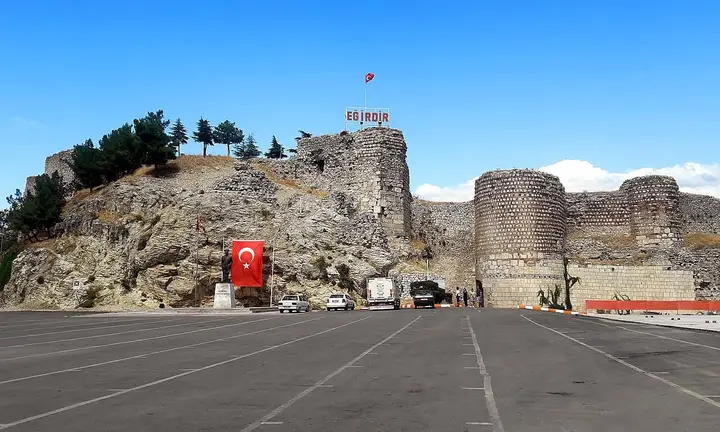
Eğirdir Castle Photo: Nedim Ardoğa (CC BY-SA 4.0) · Source
Historic

Eğirdir Castle

A castle rising at the entrance to the town of Eğirdir, dominating the lake; in the time of the Hamidids it was one of the principality's important centres. Dündar Bey Madrasa nearby was converted from a 13th-century Seljuk caravanserai.

View on map
Historic

Ertokuş Madrasa

A madrasa at Atabey built in 1224 by the Seljuk emir Mübarizeddin Ertokuş during the reign of Alâeddin Keykubad I; it is among the oldest Seljuk buildings in the region.

View on map

Ancient Cities 1

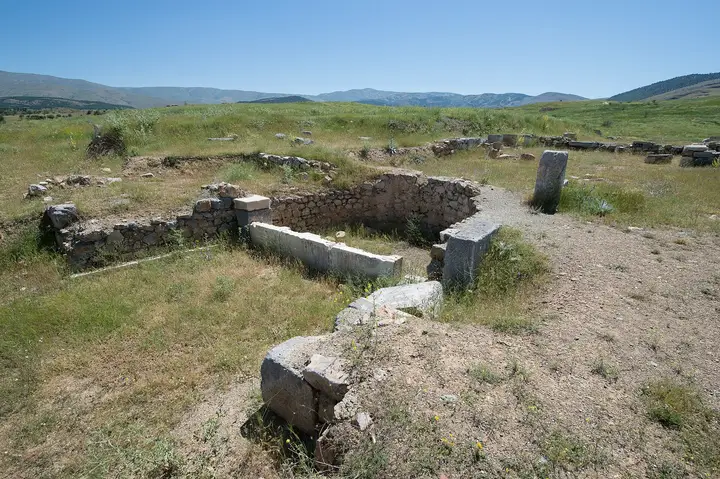
Ruins of Antioch of Pisidia Photo: Dosseman (CC BY-SA 4.0) · Source
Ancient City

Antioch of Pisidia (Yalvaç)

An ancient city at Yalvaç that was the capital of the Pisidia region in the Roman period; it is one of the cities where St Paul preached. You can see the Temple of Augustus, aqueducts, the theatre and the ruins of the Church of St Paul; the finds are in the Yalvaç Museum.

View on map

Religious Buildings 2

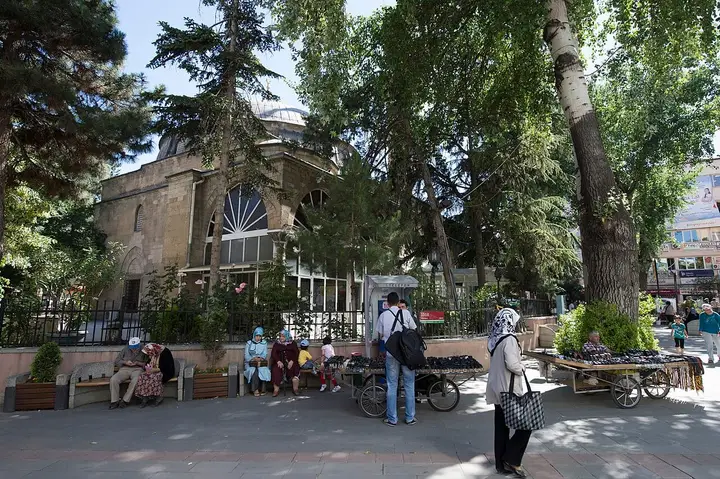
Firdevs Paşa Mosque Photo: Dosseman (CC BY-SA 4.0) · Source
Religious

Firdevs Paşa (Mimar Sinan) Mosque

A 16th-century mosque in the city centre attributed to Mimar Sinan; together with the bedesten next to it, it is among Isparta's most important Ottoman buildings.

View on map
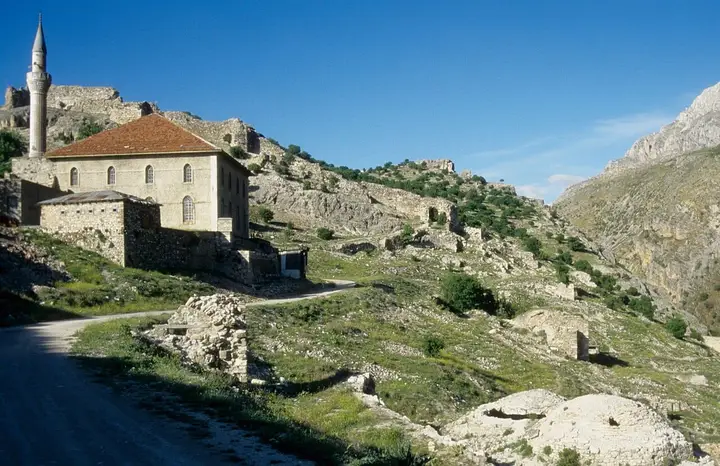
Uluborlu Alaeddin Mosque Photo: Volker Höhfeld (CC BY-SA 4.0) · Source
Religious

Uluborlu Grand (Alaeddin) Mosque

A Seljuk-period mosque in the historic neighbourhood of Uluborlu, at the foot of the castle; it is visited together with the old houses around it.

View on map

Natural Wonders 6

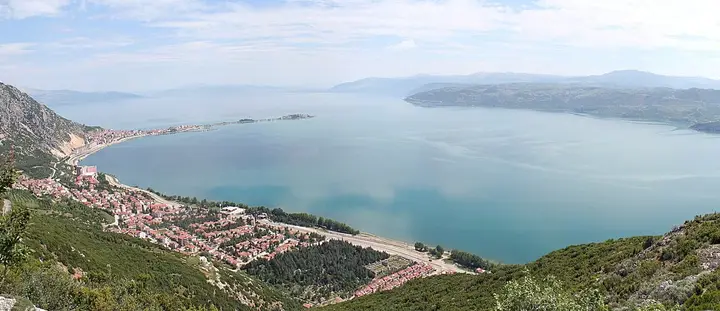
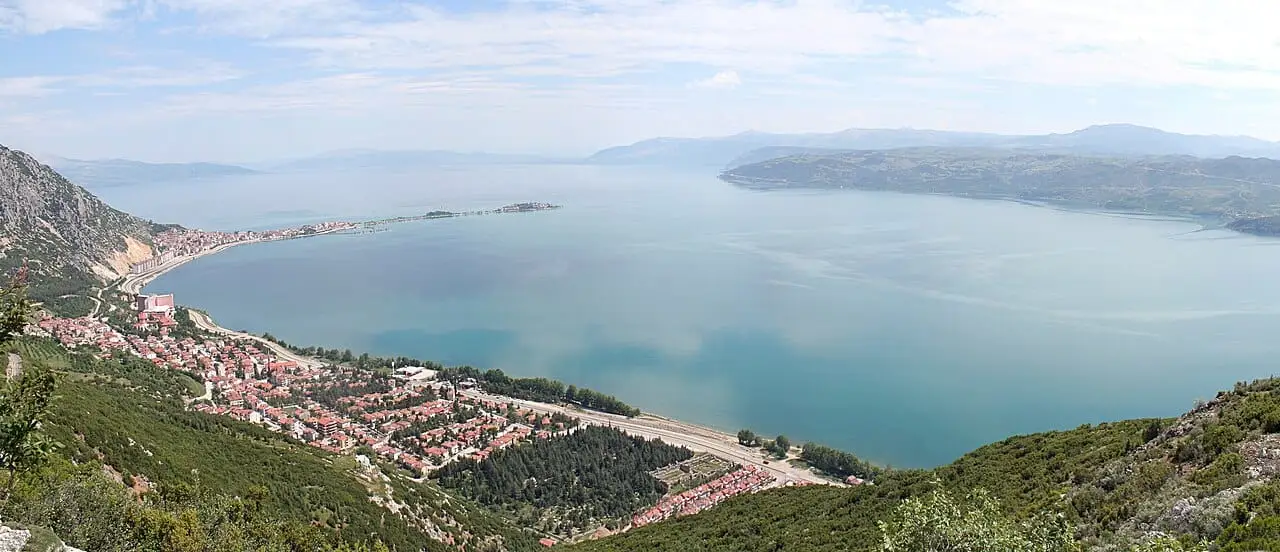
Lake Eğirdir Photo: Ingo Mehling (CC BY-SA 3.0) · Source
Nature

Lake Eğirdir

One of the largest freshwater lakes in Türkiye, of tectonic and karstic origin; the section north of the Kemer Gorge is called Hoyran and the section to the south Eğirdir. The town of Eğirdir on its shore is famous for Yeşilada, linked to it by a causeway, and for its sunset views.

View on map
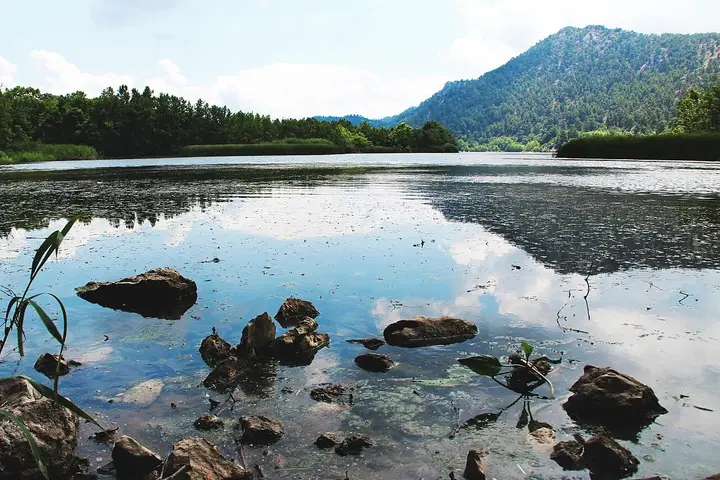
Kovada Lake Photo: BilgeKorkmaz (CC BY-SA 4.0) · Source
Nature

Kovada Lake National Park

A shallow lake south of Eğirdir, reached by the waters of Lake Eğirdir through the Kovada Canal, and the forests around it; ideal for birdwatching, walking and camping.

View on map
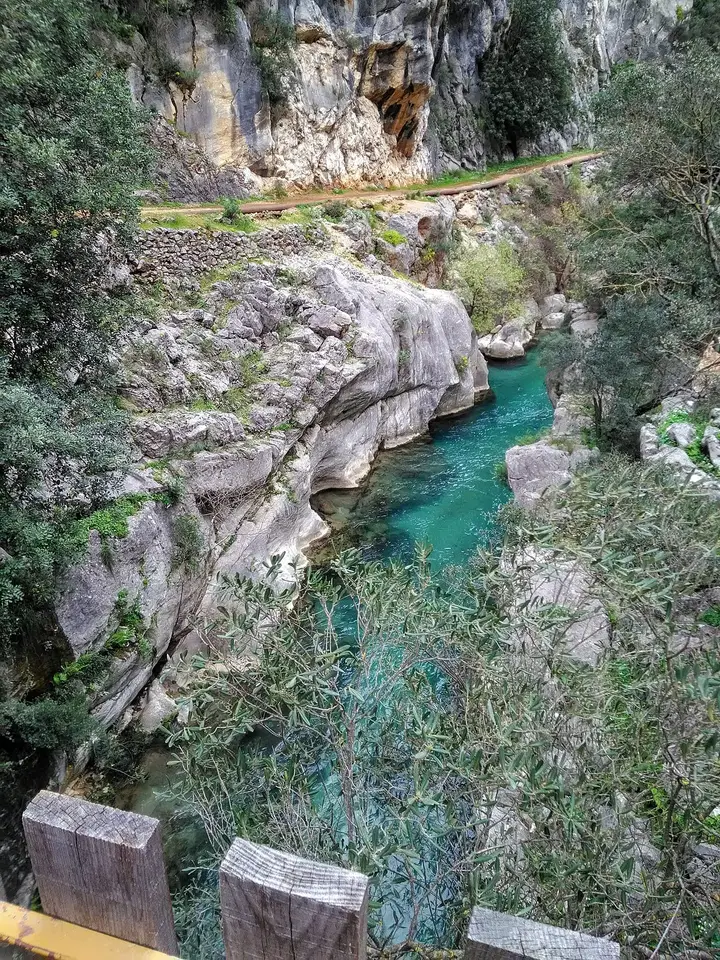
Yazılı Canyon Photo: Anadolugezmeni (CC BY-SA 4.0) · Source
Nature

Yazılı Canyon Nature Park

A canyon at Çandır village in Sütçüler, declared a nature park in 1989; it takes its name from verses written on a rock and attributed to the Stoic philosopher Epictetus. St Paul is believed to have passed through this canyon on his way from Perge to Antioch.

View on map
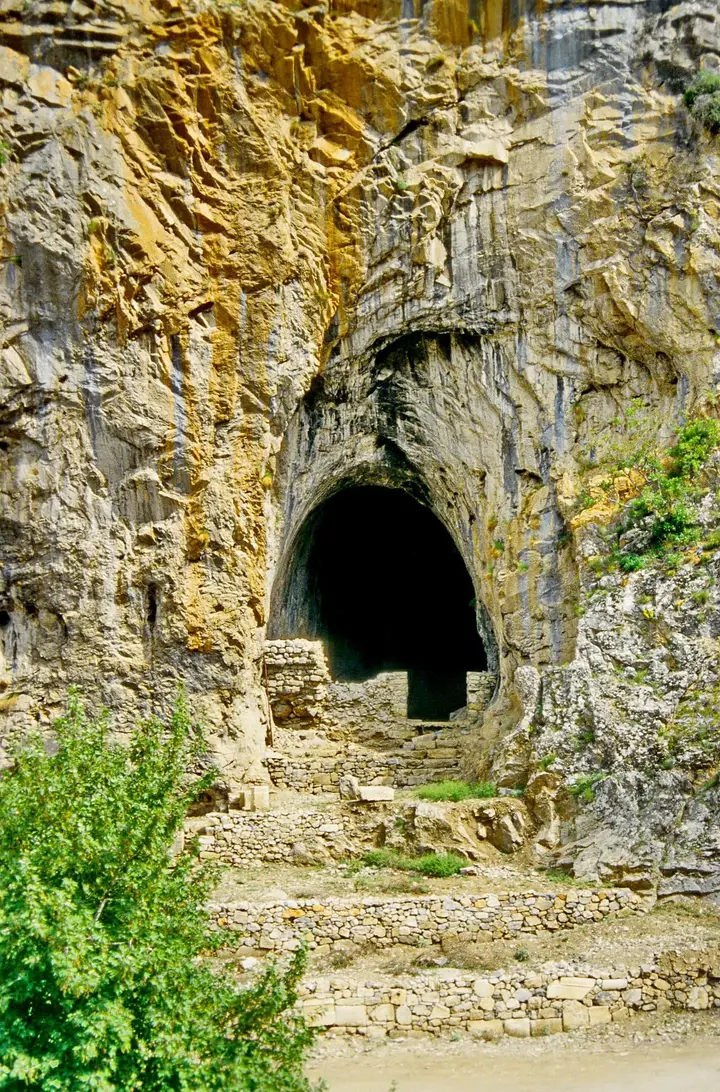
Entrance to Zindan Cave Photo: Volker Höhfeld (CC BY-SA 4.0) · Source
Nature

Zindan Cave

A cave 756 metres long at an altitude of 1,300 metres, 2 km north-east of Aksu; an underground stream flows through it, and its stalactites and stalagmites and the crystal-covered 'hammam' section at the end are of interest. At its entrance there is a mosaic showing the god Eurymedon (Köprüçay).

View on map
Nature

Gölcük Nature Park

A maar lake formed in the explosion crater of a volcano that went extinct about 24,000 years ago, at an altitude of 1,300 metres, 8 km south-west of the city; the area has been a nature park since 1991 and is the city's best-loved place for picnics and walks.

View on map
Nature

Kızıldağ National Park

A mountainous area at Şarkikaraağaç declared a national park in 1993; it is known as the only region in Türkiye with blue-leaved cedar forests. It offers views of Lake Beyşehir.

View on map

Attractions 2

Attraction

Davraz Ski Resort

A ski resort on 2,637-metre Mount Davraz, about 25 km from Isparta and Eğirdir; from the summit you can see both Lake Eğirdir and Lake Kovada.

View on map
Attraction

Kuyucak Lavender Village

Lavender fields that turn purple in July in Kuyucak village in Keçiborlu; in recent years it has become one of the most popular photo stops in Türkiye.

View on map

Getting to Know Isparta

Isparta lies in the interior of the Mediterranean Region, in the Lakes District (Göller Yöresi) north of the Taurus Mountains. The city is built on a volcanic plain at the foot of Lake Gölcük, an old maar (explosion crater); around it rise lakes such as Eğirdir, Kovada and Gölcük, and the Davraz, Dedegöl and Barla mountains.

In antiquity the region was known as Pisidia. Antioch (Antioch of Pisidia), in present-day Yalvaç, became the capital of the region in the Roman period; it is one of the cities where St Paul preached in the 1st century, and today the long-distance St Paul Trail, which starts at Perge, ends at Yalvaç. The region gained importance under the Seljuks: the Ertokuş Madrasa at Atabey was built in 1224 in the time of Alâeddin Keykubad I. Eğirdir and Isparta, the centre of the Hamidid Principality, passed to the Ottomans in 1381. The Firdevs Paşa (Mimar Sinan) Mosque dates from the 16th century.

Isparta’s name today is associated with roses and carpets. The oil rose (Rosa damascena), brought from Bulgaria in the late 19th century, spread across Isparta’s climate and soil; today most of Türkiye’s oil-rose production is in Isparta, and the city is one of the leading centres of the world rose-oil market. Hand carpet weaving, which developed in the 19th century, also made Isparta one of the major carpet centres of Anatolia. With Süleyman Demirel University and Isparta University of Applied Sciences, the city is a student town; the 9th President, Süleyman Demirel, was born in İslamköy in Atabey.

When to Go

Isparta shows features that are transitional between a Mediterranean and a continental climate: winters are cold and snowy, summers hot and dry. Averages for 1929–2025 from the Turkish State Meteorological Service:

Month Avg. high Avg. low Rainfall Rainy days
January 6.4 °C −1.8 °C 81 mm 13
February 7.9 °C −1.2 °C 67 mm 11
March 11.7 °C 1.0 °C 58 mm 11
April 16.8 °C 4.9 °C 52 mm 10
May 21.9 °C 8.7 °C 56 mm 11
June 26.7 °C 12.5 °C 35 mm 7
July 30.5 °C 15.5 °C 16 mm 3
August 30.8 °C 15.4 °C 14 mm 2
September 26.6 °C 11.1 °C 19 mm 4
October 20.7 °C 6.9 °C 37 mm 6
November 14.1 °C 2.8 °C 44 mm 8
December 8.3 °C −0.1 °C 86 mm 12

Late May to early June is ideal for the rose harvest, July for lavender and December to March for skiing. The roses are picked in the early hours of the morning, before the sun rises; the harvest lasts about a month. The lavender fields in Kuyucak village in Keçiborlu turn purple in July. May to October is the best period for the shore of Lake Eğirdir and for Kovada.

How to Get to Isparta

By air: Isparta Süleyman Demirel Airport (ISE) opened in 1997; it lies between Keçiborlu and Gönen, about 30 km from the city. There are regular flights from Istanbul. Antalya Airport is also about 130 km to the south.

By road: Isparta lies at the junction of the roads to Antalya (about 130 km), Burdur (about 50 km), Afyonkarahisar and Konya. It is 35 km from Eğirdir and about 100 km from Yalvaç.

By train: A railway line reaches Isparta, but passenger services are limited.

Isparta Area by Area

  • Central district: Firdevs Paşa Mosque and the bedesten, the Isparta Museum, the Rose and Carpet museums, Gölcük Nature Park and Davraz Ski Resort.
  • Eğirdir: Lake Eğirdir, Yeşilada (Nis), linked by a causeway, Eğirdir Castle, Dündar Bey Madrasa, Barla village.
  • Kovada and Sütçüler: Kovada Lake National Park, Yazılı Canyon Nature Park, the ancient city of Adada, the Aksu Stream valley.
  • Aksu: the 756-metre Zindan Cave and the Eurymedon mosaic.
  • Yalvaç: the Antioch of Pisidia archaeological site, Yalvaç Museum, the historic Çınaraltı and the end of the St Paul Trail.
  • Atabey and Keçiborlu: Ertokuş Madrasa, İslamköy where Süleyman Demirel was born; Kuyucak lavender village.
  • Şarkikaraağaç and Yenişarbademli: Kızıldağ National Park with its blue-leaved cedars, the Dedegöl Mountains.
  • Uluborlu and Senirkent: historic Uluborlu houses, Alaeddin Mosque; registered cherries, grapes and banak.

Suggested Itineraries

Day 1 – Roses and the city: If you are there in the rose season, a harvest in a rose garden early in the morning; then rose oil and rose water workshops, Firdevs Paşa Mosque and the Isparta Museum. In the afternoon Gölcük Nature Park, and kabune pilavı in the evening.

Day 2 – Eğirdir: Eğirdir Castle and Dündar Bey Madrasa, fish by the lake on Yeşilada; views of the lake at sunset.

Day 3 – Kovada and Yazılı Canyon: A walk in Kovada Lake National Park, and in Yazılı Canyon the rock inscribed with Epictetus’s verses and a cool trail along the canyon.

Day 4 – Yalvaç: The Church of St Paul, aqueducts and theatre at Antioch of Pisidia; Yalvaç Museum and Çınaraltı.

Isparta Cuisine

The symbol of Isparta cuisine is Isparta kabune pilavı (lamb and rice pilaf), cooked with lamb and rice in large cauldrons. The flavours with a registered geographical indication include Yalvaç hamursuzu, Senirkent samsa tatlısı, Uluborlu kuyruğu sulu böreği and the wheat-based Senirkent banağı and Uluborlu banağı. Rose products — rose jam, rose sherbet and rose Turkish delight — are sold on every corner of the city.

Registered products: Isparta gülü (Isparta rose), Isparta gülyağı (Isparta rose oil), Isparta gül suyu (Isparta rose water), Isparta elması (Isparta apples), Uluborlu kirazı (Uluborlu cherries), Senirkent dimrit üzümü (Senirkent dimrit grapes) and Senirkent üzüm pekmezi (Senirkent grape molasses), Gelendost çaltı sarımsağı (Gelendost çaltı garlic), Sütçüler kekiği (Sütçüler thyme) and Sütçüler kekik yağı (Sütçüler thyme oil), Çiçekpınar yoncası (Çiçekpınar clover).

Roses and Handicrafts

About 3–4 tonnes of rose blossoms are needed for one kilogram of rose oil, which is why rose oil is among the most valuable essences in the world. The rose water obtained during distillation is also registered. Among the handicrafts, the finely knotted İnce Isparta (Hasgül) hand-woven carpet, Senirkent’s gelin fesi (bridal fez) and Uluborlu çeki oyası (Uluborlu çeki lace) have registered geographical indications.

Practical Tips

  • If you want to see the rose harvest, be in the gardens between 6 and 9 a.m. in late May to early June; picking ends towards noon.
  • Kuyucak lavender village gets very crowded in July; try to go early on a weekday morning.
  • Take non-slip shoes and water for walking in Yazılı Canyon and Kovada; the inside of the canyon is cool in summer.
  • At Davraz the ski season lasts from late December to late March, depending on snow conditions.
Districts of Isparta

Isparta province has 13 districts. Explore the places to visit, local dishes and transport in each one.

What to Eat in Isparta

All dishes →
  • Isparta Kabune Pilavı (lamb and rice pilaf)

    A pilaf cooked with lamb and rice, with a registered geographical indication.

  • Yalvaç Hamursuzu (Yalvaç pastry)

    A pastry with a registered geographical indication.

  • Senirkent Samsa Tatlısı (Senirkent syrupy samsa)

    A syrupy dessert with a registered geographical indication.

  • Uluborlu Kuyruğu Sulu Böreği (Uluborlu boiled-pastry börek)

    A börek with a registered geographical indication.

  • Senirkent Banağı (Senirkent wheat dish)

    A local dish with a registered geographical indication.

What to eat in Isparta: the full food guide

Isparta: Frequently Asked Questions

What are the best places to visit in Isparta?

Lake Eğirdir and Yeşilada, Eğirdir Castle, Kovada Lake National Park, Yazılı Canyon, Antioch of Pisidia (Yalvaç), Zindan Cave, Gölcük Nature Park, Firdevs Paşa Mosque, Davraz and Kuyucak lavender village are the main stops.

When is the rose harvest in Isparta?

It lasts about a month, from late May to early June. The roses are picked in the early hours of the morning.

Where is Kuyucak lavender village?

It is in the Keçiborlu district of Isparta. The lavender blooms in July.

What is Isparta famous for?

Rose oil, rose water and rose products, hand-woven carpets, apples, kabune pilavı and Lake Eğirdir.

Why is Yazılı Canyon called that?

There are verses attributed to the Stoic philosopher Epictetus written on a rock in the canyon.

When is the best time to visit Isparta?

Late May to June is best for roses, July for lavender, May to October for the lakes and December to March for skiing.

More from the Isparta Guide

Other Provinces in the Mediterranean Region

Sources

The information in this guide has been compiled from and checked against the sources below (last checked: 7 October 2026). If you spot an error, please let us know.

  1. Vikipedi – Isparta
  2. Vikipedi – Isparta (il)
  3. Meteoroloji Genel Müdürlüğü – Isparta il istatistikleri
  4. Vikipedi – Isparta gülü
  5. Vikipedi – Eğirdir Gölü
  6. Vikipedi – Kovada Gölü Millî Parkı
  7. Vikipedi – Yazılı Kanyon Tabiat Parkı
  8. Vikipedi – Gölcük Gölü (Isparta)
  9. Vikipedi – Zindan Mağarası
  10. Vikipedi – Davraz Dağı
  11. Vikipedi – Kızıldağ Millî Parkı
  12. Vikipedi – Yalvaç
  13. Vikipedi – Ertokuş Medresesi
  14. Vikipedi – Isparta Süleyman Demirel Havalimanı
  15. Vikipedi – Süleyman Demirel
  16. TÜRKPATENT – Isparta Gülü
  17. TÜRKPATENT – Isparta Gülyağı
  18. TÜRKPATENT – İnce Isparta (Hasgül) El Halısı
  19. TÜRKPATENT – Isparta Kabune Pilavı
  20. Vikipedi – Türkiye'de tescilli coğrafi işaretler listesi

Search 81 province guides and 968 district guides.