Getting to Know Hatay
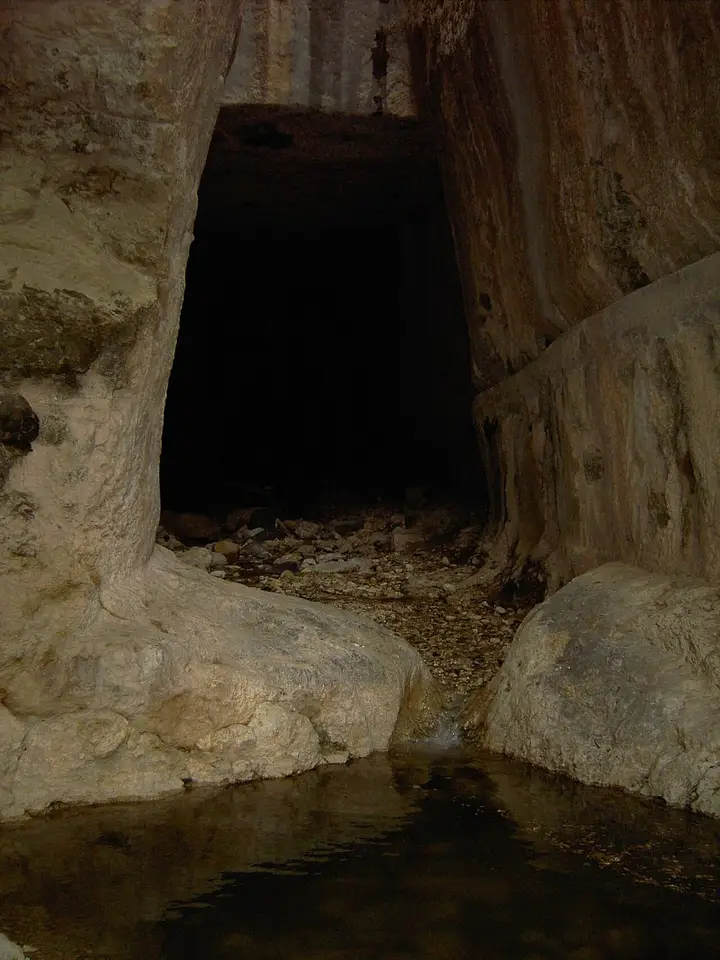
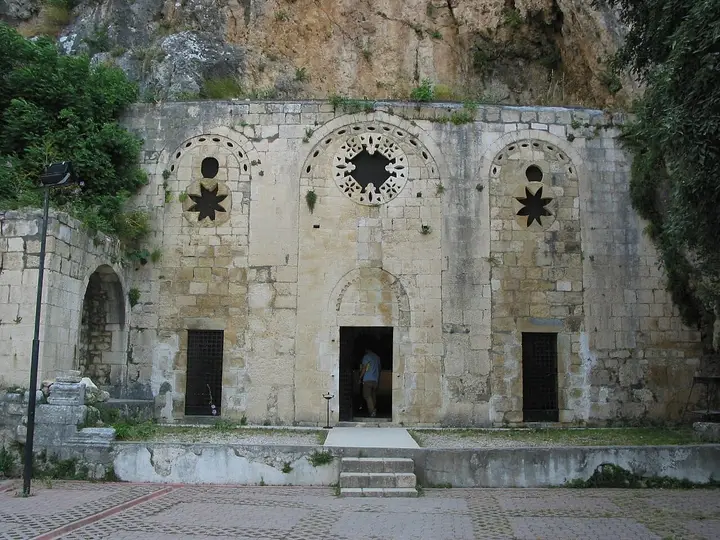
Hatay lies in the far south of Türkiye, between the Amanos Mountains and the Mediterranean, where the Asi River (Orontes) reaches the sea from the Amik Plain. The provincial centre, Antakya, was founded around 300 BC under the name Antiochia by Seleucus I Nicator, one of the generals of Alexander the Great; it was the capital of the Seleucid Kingdom and, in Roman times, one of the largest cities of the empire after Rome and Alexandria. The Church of St Peter in Antakya, regarded as the city where believers were first called “Christians”, is counted among the oldest churches of Christianity. The city’s harbour, Seleucia Pieria, lay in what is now the Çevlik neighbourhood of Samandağ; the Titus Tunnel, opened in the time of the Roman emperors Vespasian and Titus, was cut into the rock to protect this harbour from floodwater.
Antakya passed to the Arabs in 638, back to the Byzantines in 969 and to the Crusaders in 1098, and for two centuries was the centre of the Principality of Antioch; the Mamluks took the city in 1268, and it passed to the Ottomans in 1516. After the First World War the Sanjak of Alexandretta, attached to French-mandate Syria, declared its independence in 1938 as the State of Hatay and joined Türkiye in 1939. Today the province is known for its multicultural character, with Turks, Arabs (Alawite, Sunni and Christian), Armenians and a Jewish community living side by side for centuries.
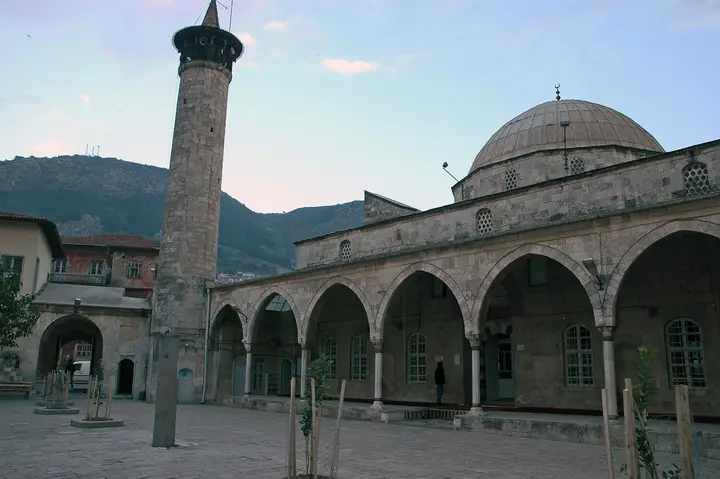
The Kahramanmaraş earthquakes of 6 February 2023 and the Hatay earthquake of 20 February 2023 caused heavy loss of life and destruction in the province, especially in Antakya, Defne, İskenderun, Kırıkhan and Samandağ. Antakya’s historic bazaar, the Habib-i Neccar Mosque and many churches, mosques and mansions collapsed or were badly damaged; reconstruction work is continuing. When planning a visit, check in advance which places are open.
When to Go
Hatay has a Mediterranean climate: summers are hot and humid, winters mild and very wet. Averages for 1940–2025 for Hatay from the Turkish State Meteorological Service:
| Month |
Avg. high |
Avg. low |
Rainfall |
Rainy days |
| January |
12.1 °C |
4.7 °C |
197 mm |
15 |
| February |
14.5 °C |
5.7 °C |
163 mm |
13 |
| March |
18.2 °C |
8.5 °C |
143 mm |
13 |
| April |
22.6 °C |
12.2 °C |
100 mm |
9 |
| May |
26.6 °C |
16.3 °C |
84 mm |
6 |
| June |
29.3 °C |
20.9 °C |
30 mm |
2 |
| July |
31.2 °C |
23.9 °C |
16 mm |
1 |
| August |
32.0 °C |
24.6 °C |
17 mm |
1 |
| September |
31.0 °C |
21.2 °C |
41 mm |
3 |
| October |
27.4 °C |
15.2 °C |
77 mm |
7 |
| November |
20.3 °C |
9.6 °C |
98 mm |
9 |
| December |
13.8 °C |
6.0 °C |
180 mm |
13 |
The best periods are April–May and October–November. In summer temperatures exceed 32 °C and humidity is high; the Harbiye waterfalls and the cool highlands of Yayladağı are popular at this time. December–February are the wettest months. The beaches at Samandağ and Arsuz are suitable for swimming from June to September.
How to Get to Hatay
By air: Hatay Airport (HTY) opened in 2007; it is about 25 km from Antakya and about 45 km from İskenderun. Its runway was damaged in the 2023 earthquakes and it returned to service after repairs. The airports at Adana and Gaziantep are also alternatives.
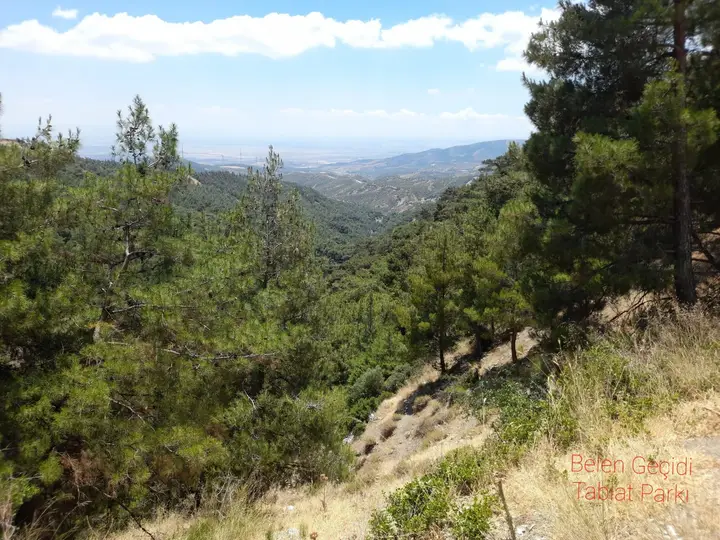
By road: Hatay is reached by the Adana–Osmaniye–İskenderun motorway, and the road descends to Antakya over the Belen Pass. It connects to Gaziantep via Kırıkhan and Islahiye. İskenderun can also be reached by rail.
Hatay Area by Area
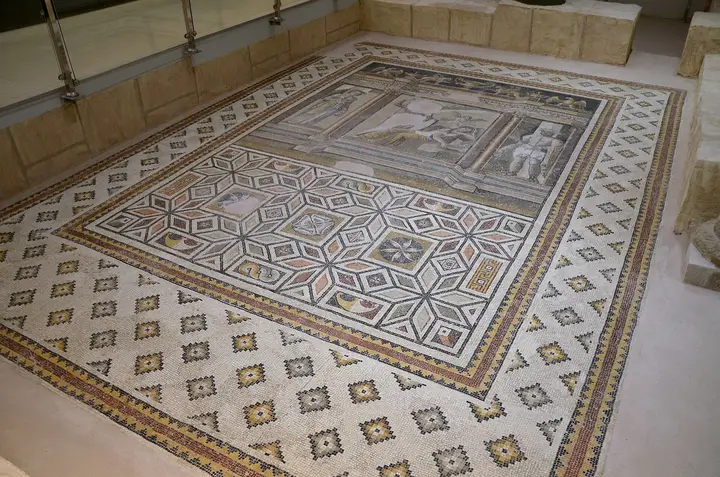
- Antakya and Defne: Hatay Archaeology Museum, Church of St Peter, Habib-i Neccar Mosque, Uzun Çarşı and the historic streets (badly affected by the earthquake), the Harbiye (Daphne) waterfalls and the laurel grove.
- Samandağ: Titus Tunnel and Beşikli Cave (Çevlik), the remains of Seleucia Pieria, Vakıflı, the last Armenian village in Türkiye, at the foot of Mount Musa, and the long beach.
- İskenderun and Arsuz: The port city founded by Alexander the Great, the seafront promenade and Arsuz beach.
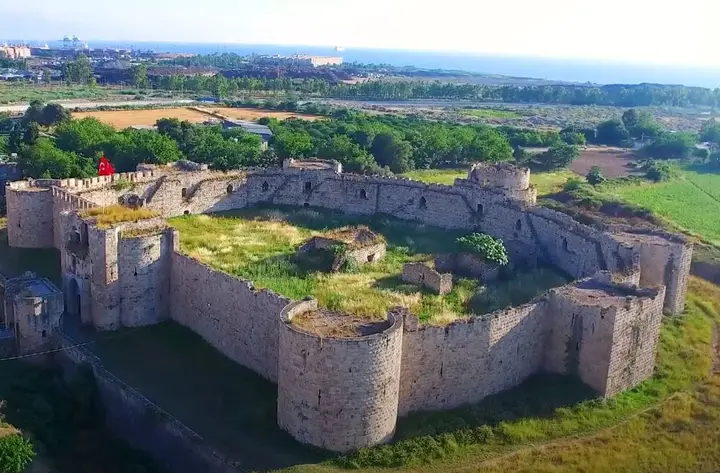
- Belen: The Belen Pass (Syrian Gates), the Crusader castle of Bakras and the registered Belen tava.
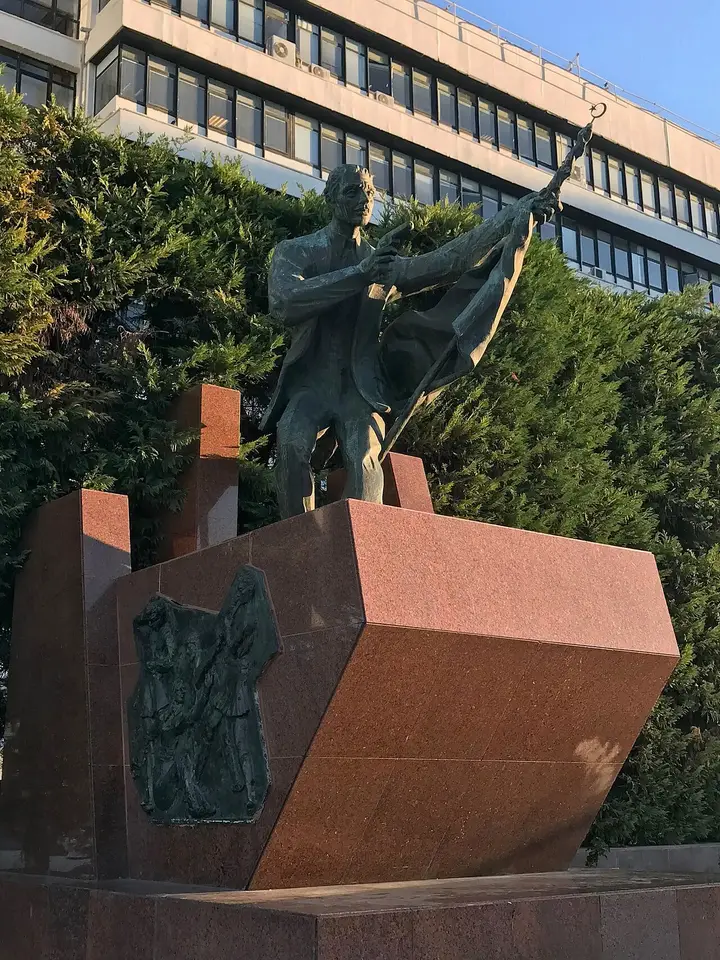
- Payas and Dörtyol: The Sokullu Mehmet Paşa Complex, a work of Mimar Sinan, Payas Castle and the Cin Tower; at Dörtyol, the First Bullet Monument and the mandarin orchards.
- Altınözü, Yayladağı, Kırıkhan and Reyhanlı: Olive groves, the Amik Plain and cool highlands.
Suggested Itineraries
Day 1 — Antakya: The mosaics of the Hatay Archaeology Museum and the Church of St Peter; kağıt kebabı or tepsi kebabı for lunch, künefe in the evening. Find out the current situation in the historic bazaar, which is being rebuilt, on the spot.
Day 2 — Samandağ: The Titus Tunnel and Beşikli Cave, Vakıflı village; Samandağ beach at sunset.
Day 3 — The north: The Harbiye waterfalls, the Belen Pass and Bakras Castle; on the way back, the Sokullu Complex at Payas and the İskenderun seafront promenade.
Hatay Cuisine
Hatay cuisine is where the Mediterranean, Arab, Turkish and Armenian kitchens meet; in 2017 Hatay joined the UNESCO Creative Cities Network in the field of gastronomy, and it has more than 80 registered products in the TÜRKPATENT records. The symbol of the city is Antakya künefesi, baked with unsalted cheese between layers of shredded kadayıf; the Antakya künefelik peyniri (Antakya cheese for künefe) used in it is also registered.
Kebabs: Antakya kağıt kebabı (kebab baked in paper), Hatay tepsi kebabı (tray-baked kebab), Hatay ali nazik (kebab on smoked aubergine purée), Hatay arap kebabı, Hatay halavet kebabı and Hatay yoğurtlu kebap (kebab with yoghurt). Mezes and breakfast items: Hatay humusu, Hatay muhammarası (walnut and pepper dip), Hatay haydari, Hatay zahter salatası (thyme salad), Hatay zeytin salatası (olive salad), Hatay abugannuş (aubergine dip), Hatay bakla ezmesi (broad bean paste), Antakya sürkü (spiced curd cheese) and mouldy sürk, Antakya carra peyniri (carra cheese) and Antakya tuzlu yoğurdu (Antakya salted yoghurt). Pastries and doughs: Hatay kaytaz böreği, Hatay oruğu and Antakya fış oruk, Hatay tepsi oruğu, Antakya külçesi, Antakya simidi and Hatay kömbesi. Desserts: Antakya künefesi, Hatay kabak tatlısı (pumpkin dessert), Hatay müşebbek tatlısı (fried syrupy dessert), Hatay haytalı (milk pudding), Hatay şam tatlısı (Damascus syrup cake), Antakya sakal kaldıran tatlısı (a sweet pastry) and Hatay peynirli irmik helvası (semolina helva with cheese). Products: Hatay nar ekşisi (pomegranate molasses), Hatay biber salçası (pepper paste), Hatay halhalı zeytini (Halhalı olives), Altınözü zeytinyağı (Altınözü olive oil), Dörtyol mandarini (Dörtyol mandarins), Samandağ biberi (Samandağ peppers), Kırıkhan kavunu (Kırıkhan melons) and Hatay defne sabunu (laurel soap).
Handicrafts
Laurel soap (defne sabunu), one of Hatay’s most deep-rooted products, has a registered geographical indication. Hatay silk (Hatay ipeği) and Hatay yellow silk (Hatay sarısı ipeği), from the silk-farming and weaving tradition kept up in Samandağ, and the Samandağ ney (reed flute), among instruments, are registered handicrafts.
Practical Tips
- After the 2023 earthquakes, many historic buildings and museums in Antakya may be closed for reconstruction or repair; check the current visiting situation before you go.
- Künefe is eaten hot; as it is cooked one portion at a time to order, you may have to wait a few minutes.
- Humidity is very high in summer; do your outdoor sightseeing early in the morning or in the late afternoon.
- Vakıflı and the Titus Tunnel fit into the same day; try fish for lunch in Samandağ.
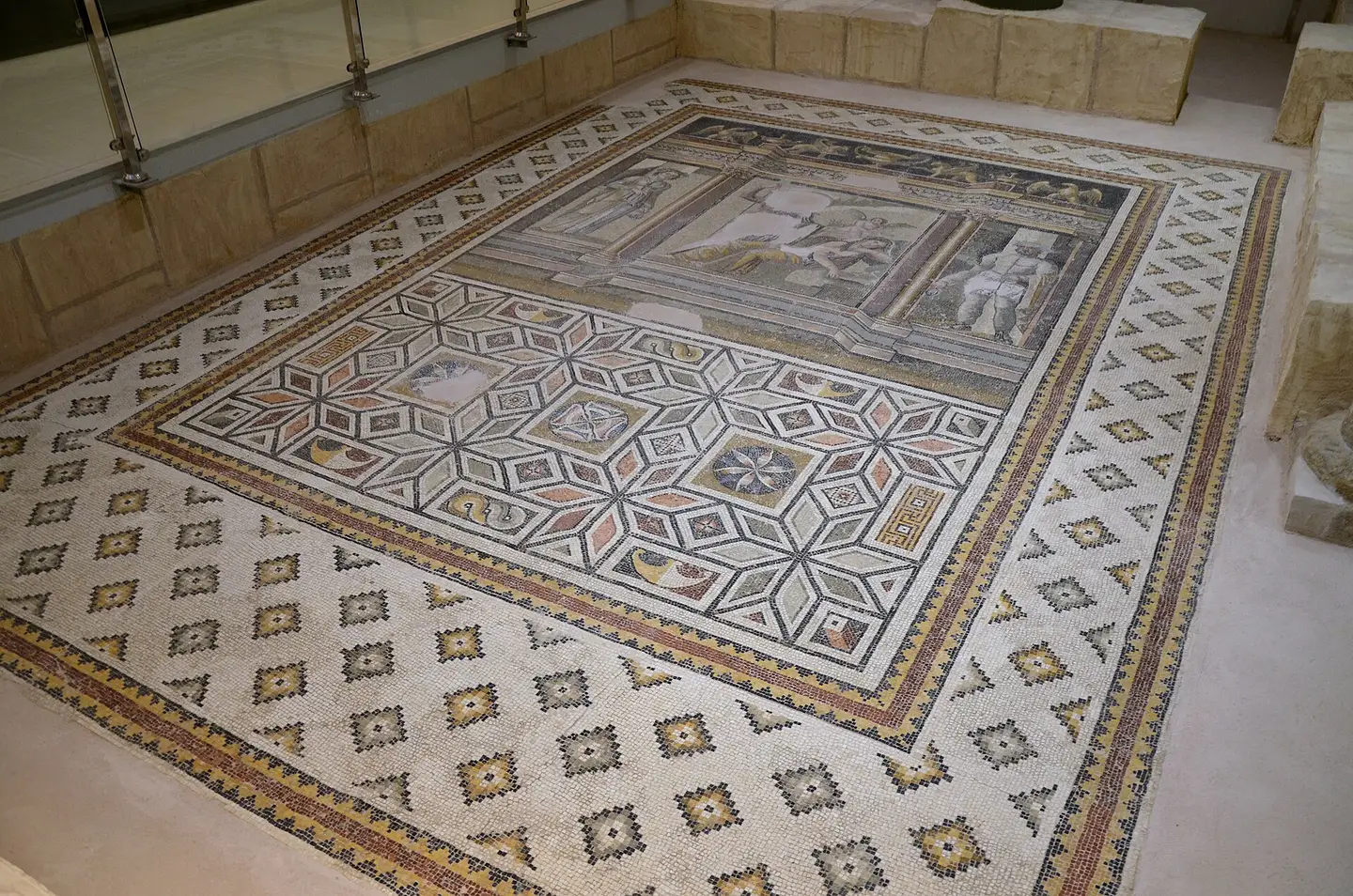
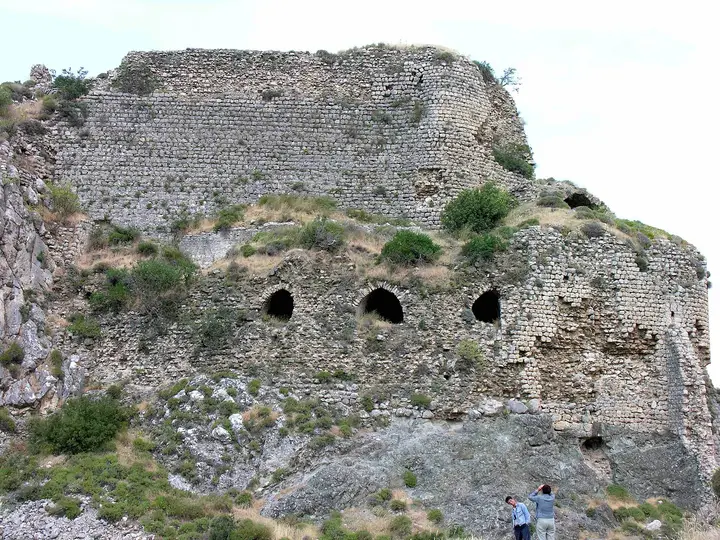 Photo: Godfried Warreyn (CC BY 2.5) · Source