Arsuz Ancient City (Rhossos)
The remains of the ancient city of Rhossos lie around Arsuz. Rhossos, an important harbour city in the Roman period, is being brought to light through archaeological excavations.
View on map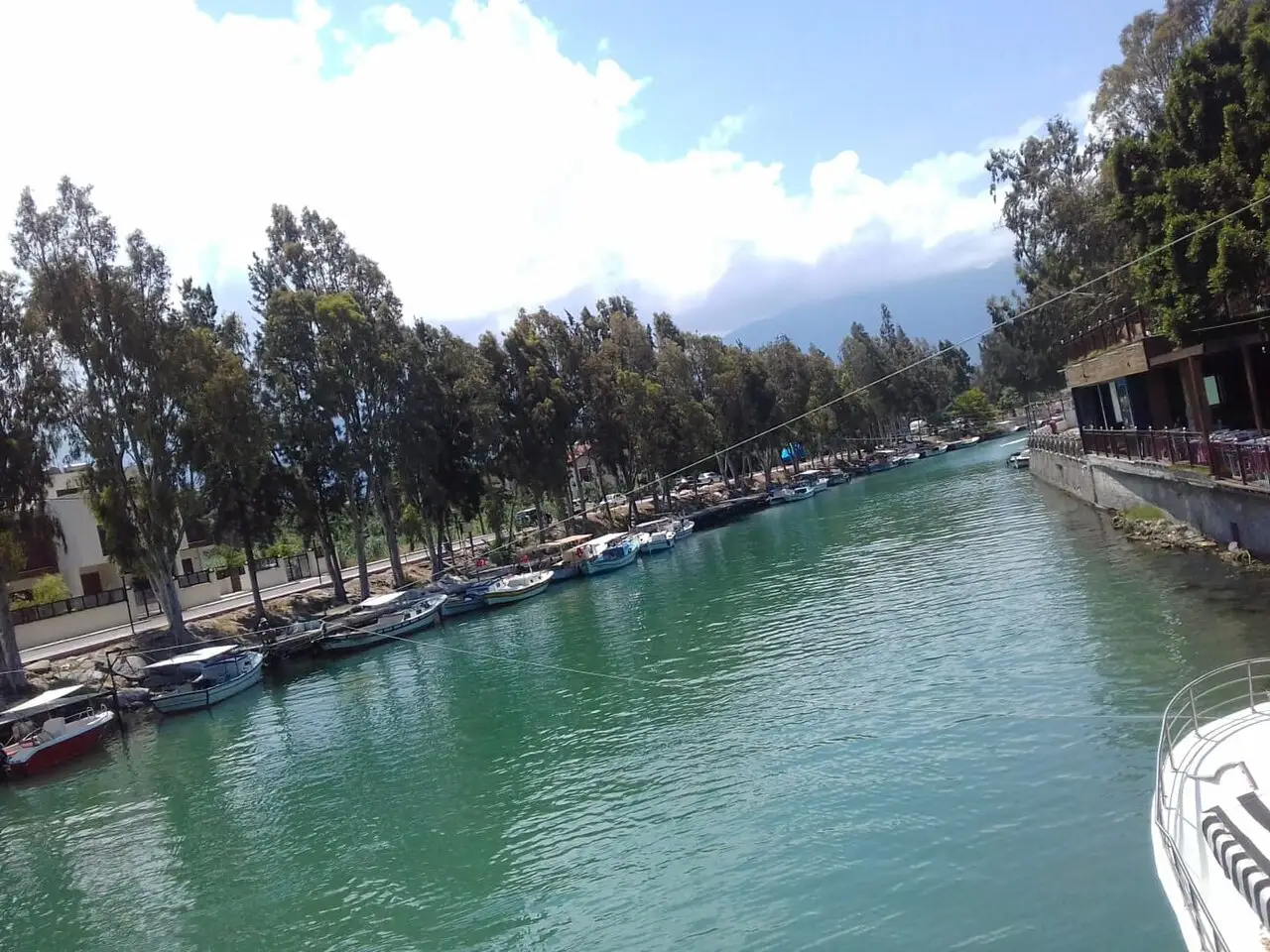 Photo: Hatice (CC BY-SA 4.0) · Source
 10 places to visit in the Arsuz district of Hatay: Amanos Mountains, Arsuz Ancient City and Arsuz Beach. Plan your trip to Arsuz with local food, practical tips and transport information.
Arsuz is a district of Hatay province, lying between the Amanos Mountains and the Mediterranean coast. It covers 462 km², stands at 12 m above sea level and has a population of 115,077. It is the 4th largest district in Hatay by area.
Over its history Arsuz has borne names such as Rhosus, Rhopolis, Port Panel, Kabev and Arsous. Its known history begins with the Seleucids, and it was founded around 300 BC by Seleucus I Nicator. Arsuz was a very important harbour and settlement in the Byzantine and Roman periods. It gained district status by Law No. 6360 on 12 November 2012.
Arsuz is 87 km from Hatay provincial centre. About 20% of Hatay’s coastline lies within the district’s boundaries. The district’s elevation is 3 metres, and in its mountainous parts the highest elevation is over 1,700 metres.
The district has asbestos deposits, with total reserves of 3,523,300 tonnes. It is very suitable for renewable energy sources such as wind, solar, hydroelectric and geothermal power.
Arsuz came under Arab rule in 638, Byzantine rule in 969 and Mamluk rule in 1268. Arsuz was a very important harbour and settlement during the Byzantine and Roman periods. Throughout its history, it has been home to many peoples with various beliefs. Nevruz is celebrated every year on 30 March in Akçalı town. Orthodox Christians hold a festival at the Meryem Ana Pool on 14 August.
Last updated:
The remains of the ancient city of Rhossos lie around Arsuz. Rhossos, an important harbour city in the Roman period, is being brought to light through archaeological excavations.
View on mapA castle in Kale village, believed to have been built during the Seljuk period. It has since collapsed, but its remains can be seen.
View on mapA historic settlement in Arsuz with ancient remains and harbour structures dating from the Seleucid period.
View on mapFrom the city of Rosun, known in the Middle Ages as Port Bonel, remains of a necropolis, ancient buildings and mosaics survive.
View on mapThe remains of a harbour from the Hellenistic period, about 8 km south of Arsuz.
View on mapA natural pool considered holy by Christians, on the road to Hacıahmetli village; it is also known locally as 'Seydi'.
View on mapIn the centre of Arsuz; it is stated to have been built in 1778 and restored in the 19th century.
View on mapThe mountain range to the east of the district, forming its geographical boundary.
View on mapA long sandy stretch of Mediterranean coast with clear sea and fine sand, one of the most popular beaches in Hatay. It is favoured in summer for swimming, sunbathing and water sports.
View on mapThe marina in Arsuz serves yacht and boat owners. The restaurants and cafés around the marina offer pleasant time with sea views.
View on mapWhile you are in Arsuz, you can also see the highlights of Hatay province. These places are in other districts.
Fresh fish caught in the Mediterranean, served grilled or pan-fried. Eating fresh fish at Arsuz's seaside restaurants is one of the district's highlights.
Chickpeas mashed with tahini, lemon juice and olive oil, humus is essential to Arsuz's meze tables.
Arsuz's ancient name was Rhossos, and it was an important harbour city in the Hellenistic and Roman periods. Archaeological remains bear the traces of this rich history.
Arsuz is Hatay's most important centre of coastal tourism. The coastal culture, which comes alive in summer, along with water sports and sea festivals, shapes the district's way of life.
Arsuz's economy is based on tourism, fishing and agriculture. Coastal tourism brings significant income in the summer months. Citrus and olive production are other sources of income.
Arsuz is 20 km from İskenderun and 60 km from Antakya. Hatay Airport is about 40 km away.
The 10 highlights in Arsuz are Amanos Mountains, Arsuz Ancient City, Arsuz Beach, Arsuz Ancient City (Rhossos), Arsuz Marina, Meryem Ana Pool (Seydi), Mario Hanna Church, Kale village castle (Arsuz Castle), Rosun city remains and Sütunlü Harbour.
Arsuz Balığı and Humus are the standout dishes on Arsuz's tables.
Arsuz is known for Fresh Seafood and Ancient Rhossos Heritage. Prawns, sea bass and sea bream caught in the Mediterranean are among Arsuz's important natural products.
Arsuz is 20 km from İskenderun and 60 km from Antakya. Hatay Airport is about 40 km away.
Suggested visit length: 1 day. Best time to visit: summer months (June-September).