 Photo: Nicoleon (CC BY-SA 4.0) · Source
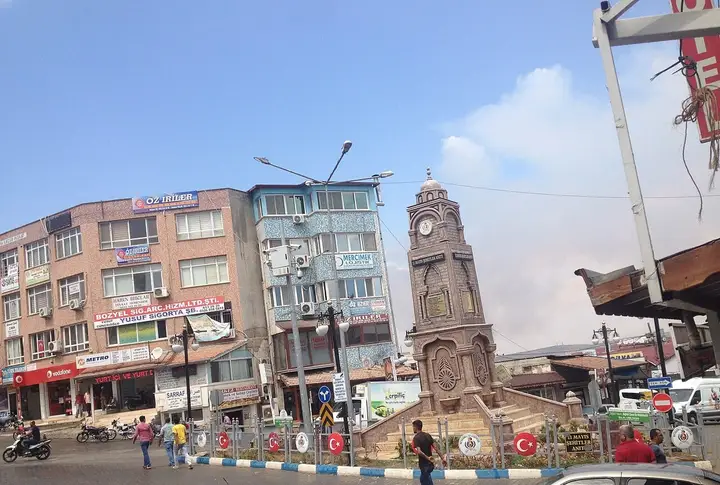
 Reyhanlı Çarşısı (Reyhanlı Bazaar)
The commercial area in the district centre where the weekly market is set up.
View on map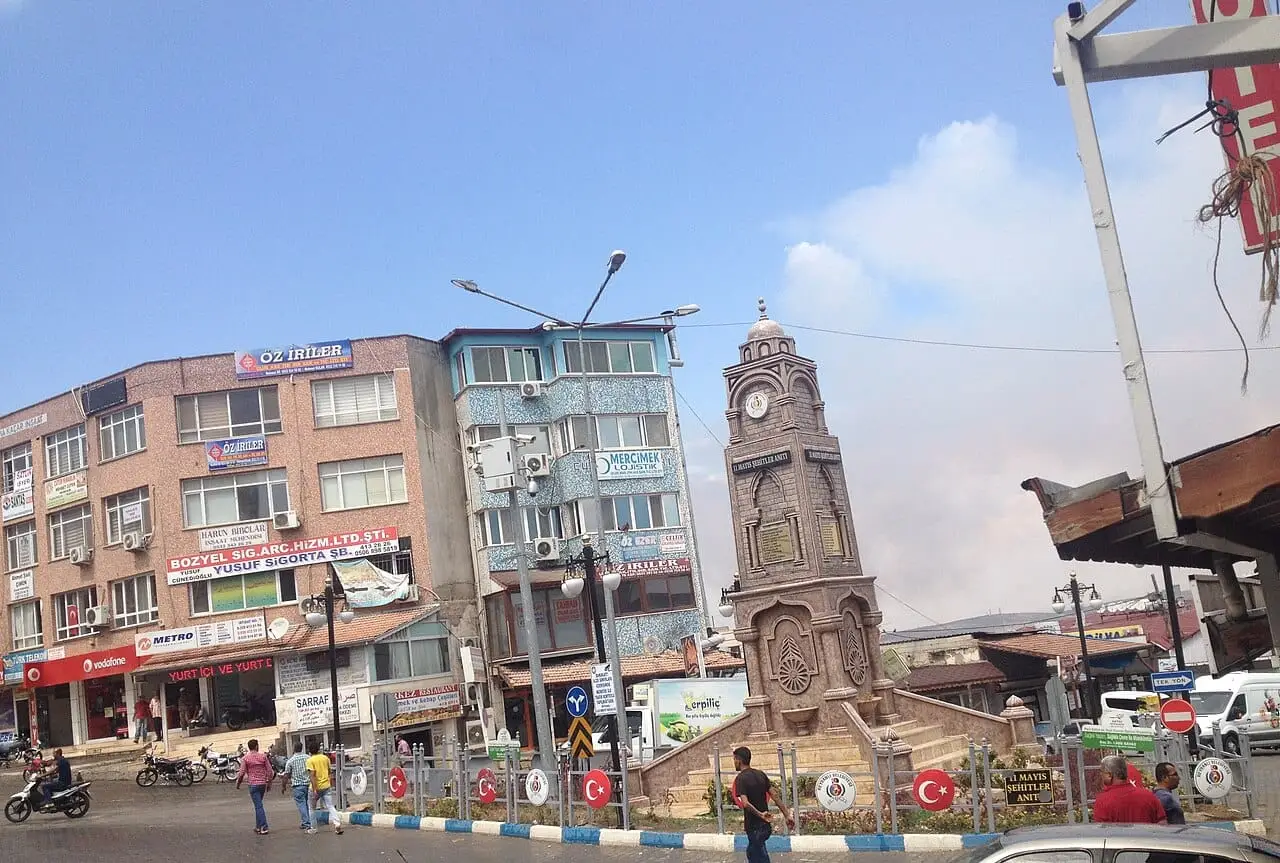 Photo: Nicoleon (CC BY-SA 4.0) · Source
 4 places to visit in the Reyhanlı district of Hatay: Reyhanlı Çarşısı (Reyhanlı Bazaar), Amik Ovası Manzaraları (Views of the Amik Plain) and Yenişehir Gölü (Yenişehir Lake). Plan your trip to Reyhanlı with local food, practical tips and transport information.
Reyhanlı was previously known as İrtah, meaning “resting place”. It was usually a small town inhabited by a few Arab tribes. From the 16th century, Turkmen tribes who came as nomads from the Rey region settled in the town. In 1855, Caucasian and Cypriot migrants brought from Rumelia were settled in the town. Reyhanlı became a district in 1939. The childhood of Cemil Meriç, one of Turkish literature’s leading figures, was spent in this town.
The economy is generally dominated by agriculture, and the drying of Lake Amik in 1972 increased the importance of cotton and wheat farming. The district has agriculture-based industrial facilities such as cotton ginning, pressing and yarn factories.
Reyhanlı became a district in 1939. In 1067, the Karakhanid prince Hanoğlu Harun took the Artah and Imma castles in Reyhanlı from the Byzantines. The Cilvegözü Border Gate is located in Reyhanlı district. Atchana Mound is the remains of the ancient city of Alalah.
Reyhanlı District was called Inta until the early 16th century. On 7 July 1939, by Law No. 3711 passed by the TBMM, Hatay became a province and Reyhanlı a district. Ceremonies are held every year on 8 July in commemoration of the entry of Turkish troops into Reyhanlı.
Last updated:
Photo: Nicoleon (CC BY-SA 4.0) · Source The commercial area in the district centre where the weekly market is set up.
View on mapThe wide agricultural plain surrounding the district.
View on mapOne of the natural beauties worth seeing in Reyhanlı district.
View on mapOn the right-hand side of the Antakya–Reyhanlı highway, at the 22nd kilometre. Foundation remains of the Yarim-Lim and Nigme-Pa palaces and a temple, dating from the 15th and 19th centuries BC, can be found here.
View on mapWhile you are in Reyhanlı, you can also see the highlights of Hatay province. These places are in other districts.
Lamb seasoned with special spices and cooked over charcoal. It is a local kebab and the traditional dish of Reyhanlı.
Chickpeas mashed with tahini, lemon juice and olive oil. Humus is indispensable on Reyhanlı's meze tables.
Fine kadayıf strands layered with fresh cheese, baked and sweetened with syrup. Künefe is also the most loved dessert in Reyhanlı.
A patented dish made in Reyhanlı. The District Governorship counts it among the district's tourism assets.
An application for a geographical indication has been made for Reyhanlı humus and white onion. The registration status is not stated in the source.
A geographical indication is planned for the white onion grown in Reyhanlı.
Reyhanlı, on the Syrian border, is a meeting point of different cultures. Border trade and cultural interaction with the neighbouring country shape the district's way of life.
Reyhanlı's economy rests on agriculture, border trade and services. Olive, grain and vegetable production are the main sources of income. Cilvegözü Border Gate is important for trade.
Reyhanlı is 50 km from Antakya. The Cilvegözü Border Gate, which opens to Bab el-Hava in Syria, is located in the district. Hatay Airport is about 70 km away.
The 4 highlights of Reyhanlı: Reyhanlı Bazaar, Views of the Amik Plain, Yenişehir Lake and Atchana (Açana) Mound.
Reyhanlı Kebabı, Humus, Künefe and Tuzda tavuk (chicken cooked in salt) are the standout dishes on Reyhanlı's tables.
Reyhanlı is known for Reyhanlı olive oil and its border culture. Olive oil obtained from the olive groves around the Amik Plain is an important agricultural product of Reyhanlı.
Reyhanlı is 50 km from Antakya. The Cilvegözü Border Gate, which opens to Bab el-Hava in Syria, is located in the district. Hatay Airport is about 70 km away.
Suggested visit length: half a day. Best time to visit: spring and autumn months (March–May, September–November).