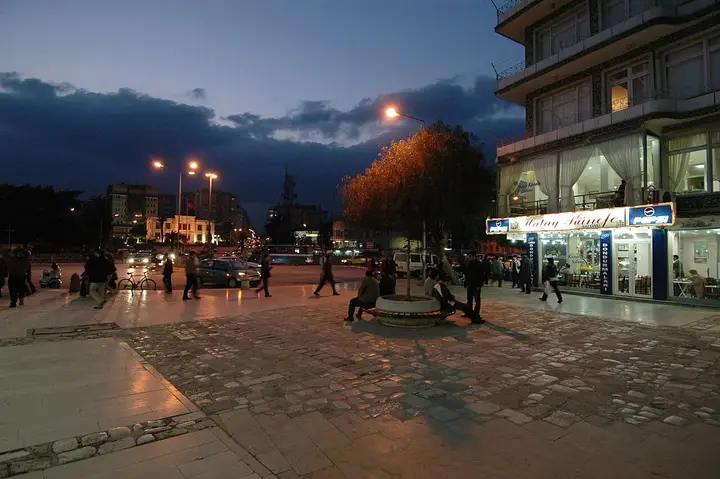
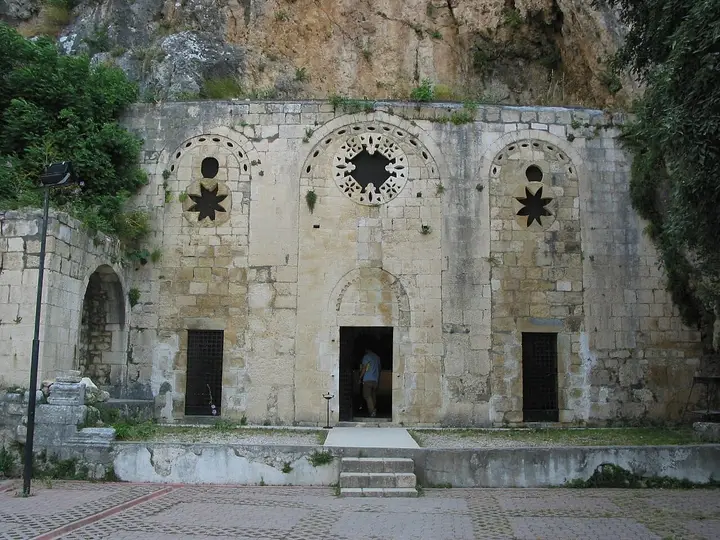
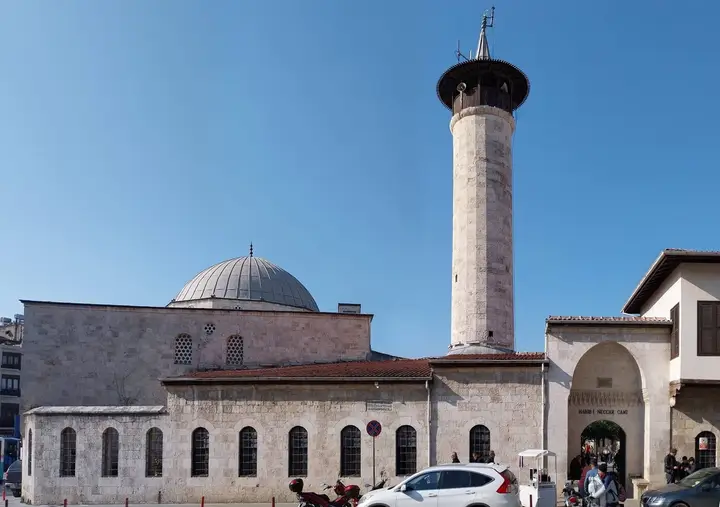
Antakya is the most populous settlement in Hatay province. It covers an area of 703 km², lies at an altitude of 170 m and has a population of 301,855. It is one of the important sacred sites of Christianity. The Asi River flows through its centre.
History
Antakya was founded around 300 BC by Seleucus Nicator, one of Alexander the Great’s commanders. According to ancient sources, with a population of 300,000, Antakya was the third-largest city in the Roman Empire. The city was founded at the foot of Mount Silpius and on the banks of the Asi River. Excavations at the Tell-Açana mound show that the area has been settled since the Chalcolithic Age.
Republican Period
The Hatay State, which existed for 10 months, was established on 2 September 1938, with Tayfur Sökmen as its first and only president. On 23 July 1939, Hatay joined its motherland, Türkiye. With Law No. 6360, enacted in 2012, Antakya became a metropolitan district.
Geography
Antakya is a city located some 22 km inland from the coast, at an elevation of around 80 m above sea level. Habib-i Neccar Mountain is a natural barrier that bounds the city from south-west to north-east.
Asi River
The Asi River forms the Türkiye-Syria border for approximately 30 km flowing north. In antiquity it was known as the Orontes, and its source is in the Lebanon Mountains.
History and Culture
Antakya was founded around 300 BC by Seleucus Nicator. With the establishment of a metropolitan municipality in 2012, Antakya became a metropolitan district. The city was severely damaged in the 2023 earthquakes.
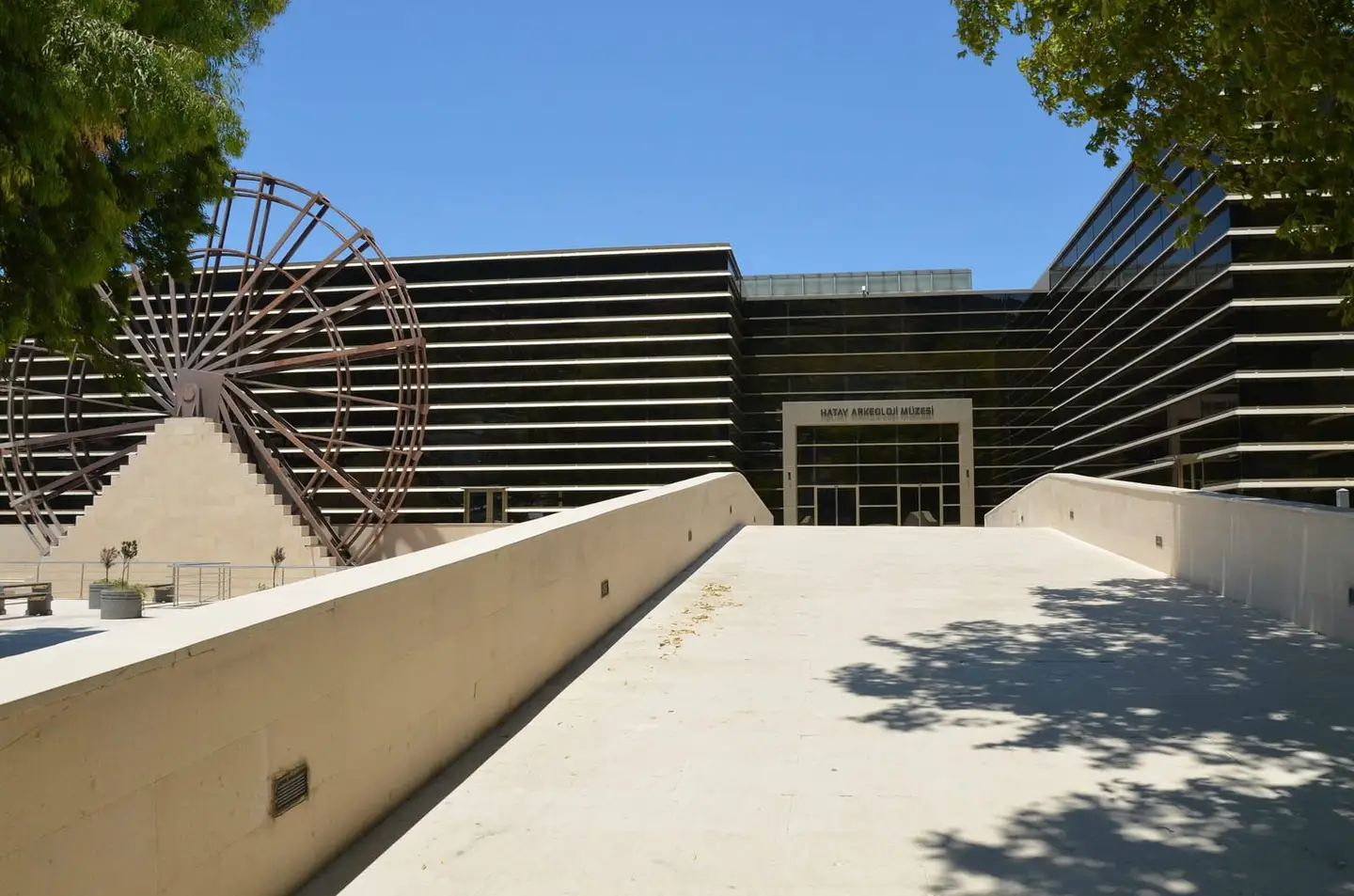
 Photo: Wikipedia (CC BY-SA) · Source