 Photo: Nidayi (CC BY-SA 4.0) · Source
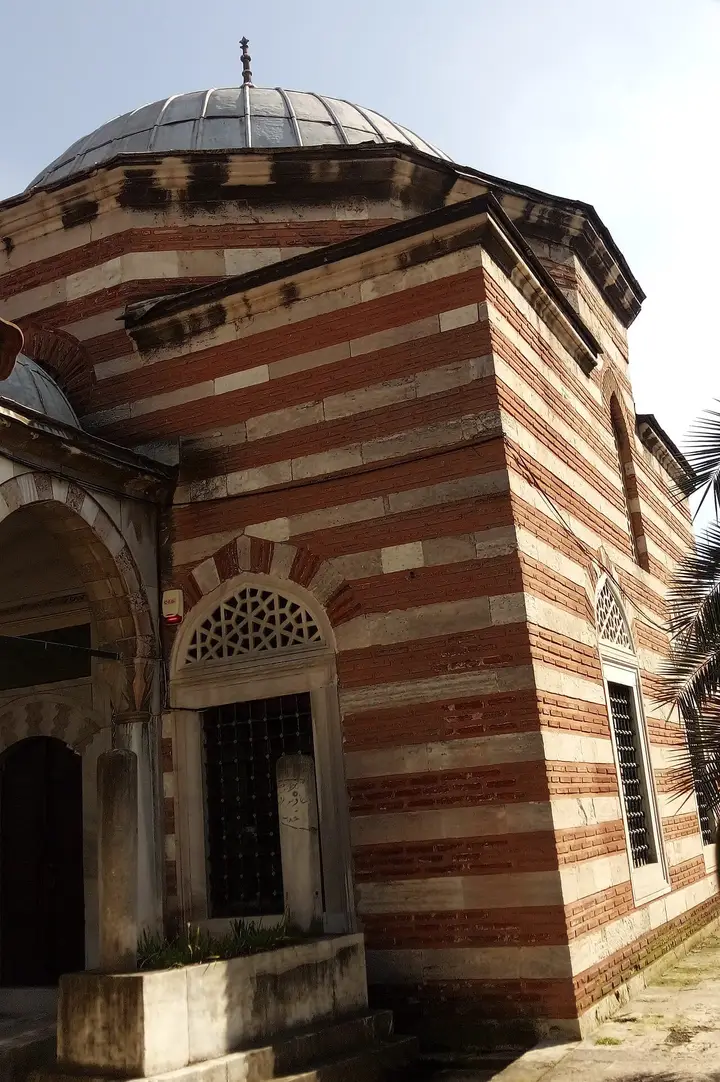
 Sokullu Mehmet Paşa Complex
A complex built in the 16th century by the architect Mimar Sinan, including a caravanserai, bath, madrasa, mosque and bedesten.
View on map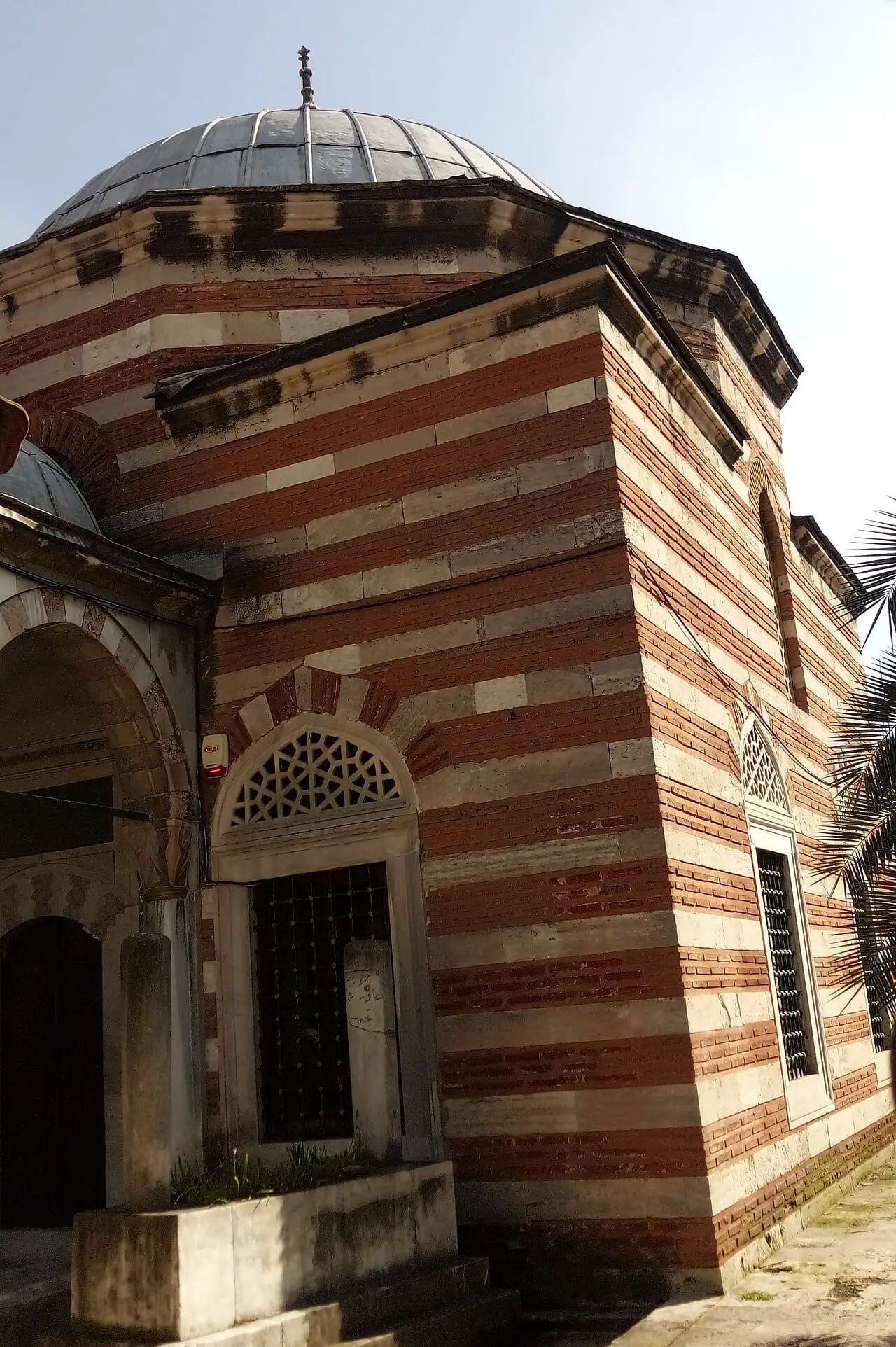 Photo: Nidayi (CC BY-SA 4.0) · Source
 5 places to visit in the Payas district of Hatay: Sokullu Mehmet Paşa Complex, Payas Kalesi (Cin Kulesi) and Payas Coast. Plan your trip to Payas with local food, practical tips and transport information.
Payas was known as Baias in ancient times, and was later called Bayyas, Bayas and finally Payas. In 622, the great battle between the Byzantine Emperor Heraclius and the Persian King Khosrow II took place at Payas. It is known that the First Crusaders set out from Anatolia via Payas, and the Cin Tower is believed to have been built as a lookout in the 13th century.
Payas Castle, together with its caravanserai and port, held strategic importance for a long period. Payas, a farming and horticultural town until the 1970s, grew rapidly with the establishment of the İskenderun Iron and Steel Works, and its population rose from 7,000 to 25,000.
Payas was known as Baias in ancient times. The First Crusades are known to have set out from Anatolia via Payas. The great battle between the Byzantine Emperor Heraclius and the Persian King Khosrow II in 622 is recorded as having taken place at Payas. The Ottomans turned Payas Castle into its present-day castle and moat between 1567 and 1571. Payas came under Ottoman rule with Yavuz Sultan Selim’s Egyptian campaign. In 1939, with the joining of Hatay to the motherland, Payas was attached to Hatay. Payas became a district on 12 November 2012, having been a subdistrict attached to Dörtyol. The Turkmen culture and traditions live on in the district.
Last updated:
Photo: Nidayi (CC BY-SA 4.0) · Source A complex built in the 16th century by the architect Mimar Sinan, including a caravanserai, bath, madrasa, mosque and bedesten.
View on map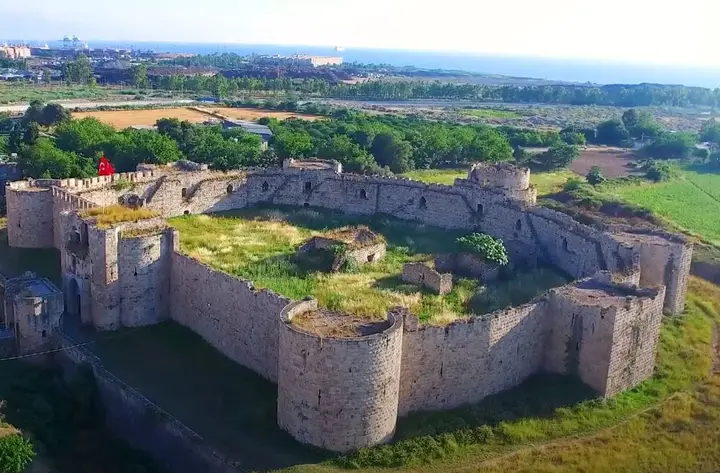 Photo: Zaviye Film (CC BY-SA 4.0) · Source
 A castle built by the Genoese on a commanding hill by the coast, with eight towers, later restored by the Ottomans.
View on map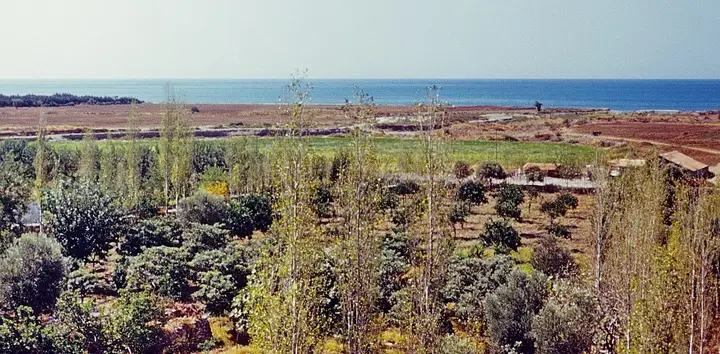 Photo: Volker Höhfeld (CC BY-SA 4.0) · Source
 A structure built on a commanding hill between the Sokullu Mehmet Paşa Complex and the seafront.
View on mapWhile you are in Payas, you can also see the highlights of Hatay province. These places are in other districts.
A local kebab made by preparing lamb with special spices and cooking it over charcoal. It is Payas's traditional speciality.
Humus, made by mashing chickpeas with tahini, lemon juice and olive oil, is indispensable on Payas's meze tables.
The Sokullu Mehmet Paşa Complex was an important stopping point during the Ottoman period, where caravans on the Silk Road and Spice Road stayed overnight.
Payas's economy is based on industry, agriculture and trade. Industrial facilities on the Gulf of İskenderun and iron and steel factories form the basis of the district's economy.
Payas is 20 km from İskenderun and 10 km from Dörtyol. It lies on the Adana–Hatay road. Hatay Airport is approximately 70 km away.
The 5 highlights of Payas are: Sokullu Mehmet Paşa Complex, Payas Castle (Cin Kulesi), Payas Beach, Payas Castle and Cin Tower.
Payas Kebabı and Humus are the standout flavours on Payas's tables.
Payas is known for citrus fruits and its Ottoman caravanserai heritage. The oranges and lemons grown around Payas are the region's important agricultural products.
Payas is 20 km from İskenderun and 10 km from Dörtyol. It lies on the Adana–Hatay road. Hatay Airport is approximately 70 km away.
Suggested visit length: half a day. Best time to visit: spring and autumn (March–May, September–November).