Getting to Know Mersin
Mersin is a province that stretches for about 320 km along the Mediterranean coast between the Taurus Mountains and the sea. In this land, the heart of ancient Cilicia, the mounds of Gözlükule in Tarsus and Yumuktepe in central Mersin are among the oldest settlements in Anatolia. Tarsus is the city where Saint Paul, one of the most important figures of Christianity, was born, and where the legendary meeting of Cleopatra and Mark Antony took place.
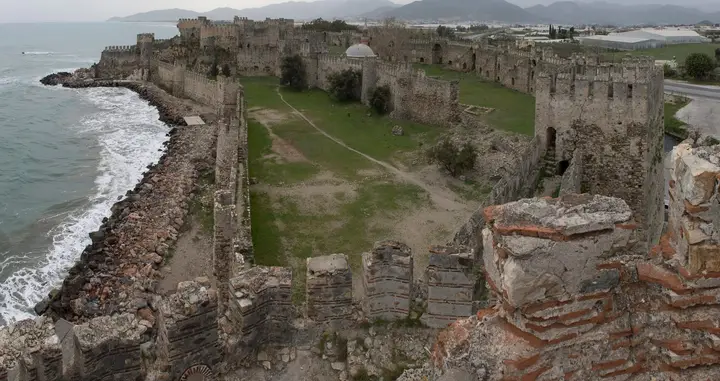
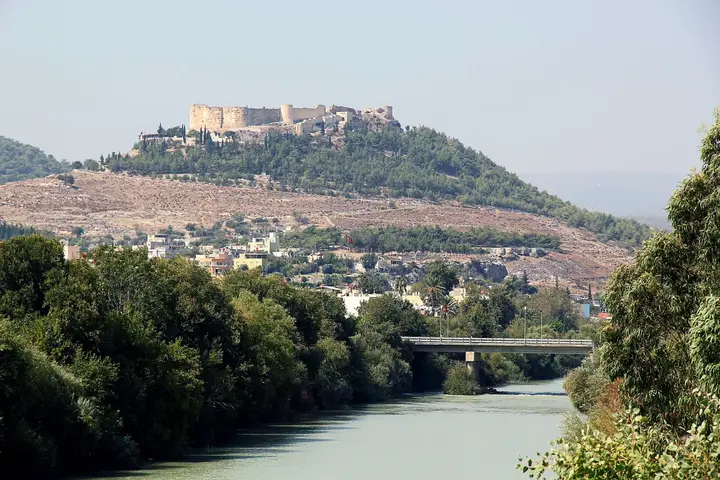
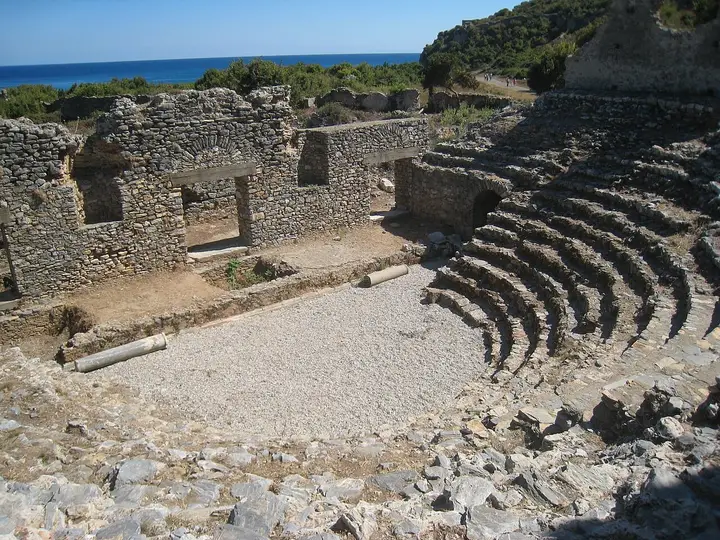
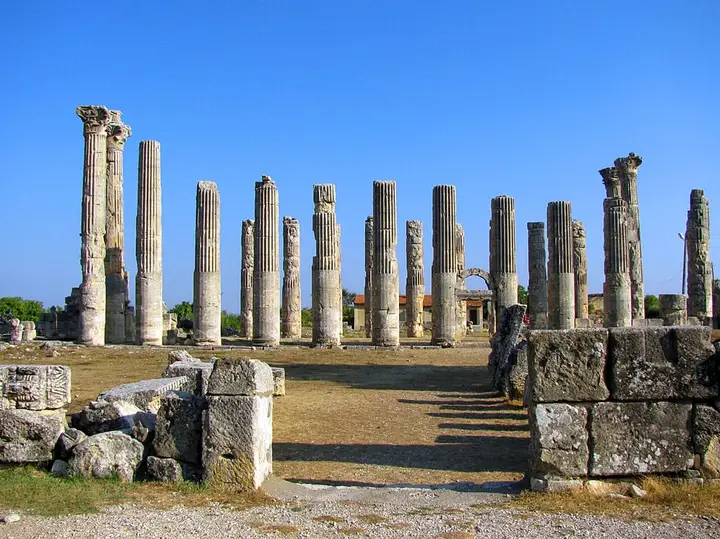
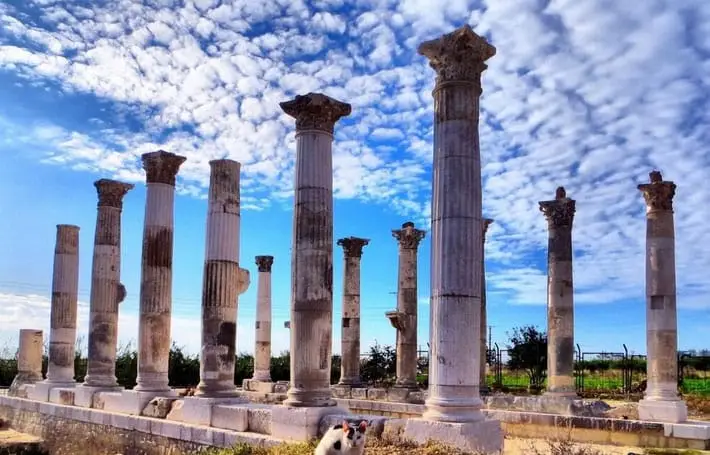
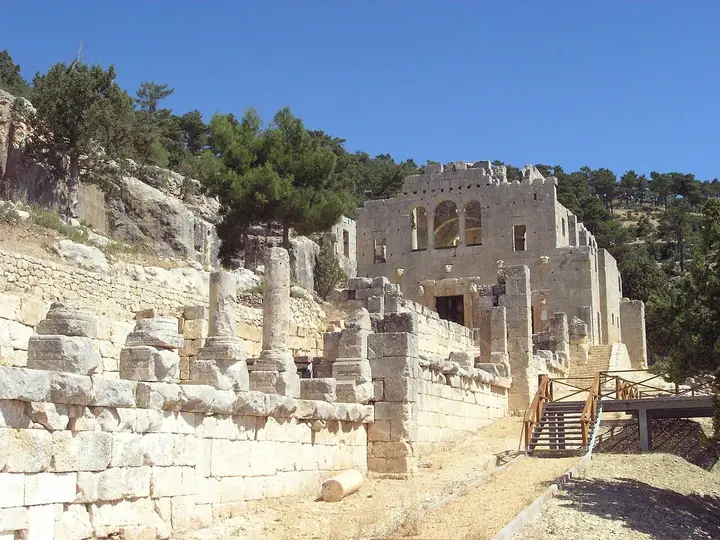
Ancient cities from the Hellenistic, Roman and Byzantine periods line the coast: the colonnaded street of Soli Pompeiopolis, the pilgrimage centre of Aya Tekla in Silifke, Kanlıdivane and Elaiussa Sebaste in Erdemli, Uzuncaburç (Olba–Diocaesarea) with its Temple of Zeus Olbios inland, and the 5th-century Alahan Monastery near Mut. Kızkalesi, Mamure Castle and Silifke Castle remain from the Middle Ages, when the region was ruled by the Armenian Kingdom of Cilicia and the Karamanids.
The modern city of Mersin developed as a port town in the 19th century; it grew with the cotton trade that boomed during the American Civil War and with the arrival of the railway. Mersin Port is today one of the largest ports in Türkiye. The city hosted the 2013 Mediterranean Games.
When to Go
Mersin has a typical Mediterranean climate: summers are hot and humid, and winters are mild and rainy. Averages for 1929–2025 from the Turkish State Meteorological Service:
| Month |
Avg. high |
Avg. low |
Rainfall |
Rainy days |
| January |
14.7 °C |
6.5 °C |
118 mm |
10 |
| February |
15.6 °C |
7.0 °C |
85 mm |
9 |
| March |
18.2 °C |
9.4 °C |
55 mm |
8 |
| April |
21.7 °C |
13.1 °C |
33 mm |
6 |
| May |
25.1 °C |
17.0 °C |
23 mm |
5 |
| June |
28.3 °C |
21.0 °C |
10 mm |
2 |
| July |
30.9 °C |
24.2 °C |
11 mm |
1 |
| August |
31.7 °C |
24.5 °C |
7 mm |
1 |
| September |
30.2 °C |
21.2 °C |
12 mm |
2 |
| October |
26.8 °C |
16.5 °C |
38 mm |
5 |
| November |
21.7 °C |
11.8 °C |
77 mm |
6 |
| December |
16.6 °C |
8.1 °C |
137 mm |
10 |
March to May and October to November are ideal for the ancient cities, and June to October for the sea. The sea is warm enough for swimming from the end of May to the beginning of November. Humidity is high in summer; the highland pastures of Gözne, Çamlıyayla and Ayvagediği in the Taurus are popular for cooling off. The citrus harvest takes place in autumn and winter.
How to Get to Mersin
By air: Çukurova International Airport, within the boundaries of Tarsus, opened in 2024; it is about 45 km from Mersin and about 35 km from Adana.
By train: The Mersin–Adana commuter line links the two cities via Tarsus.
By road and sea: Mersin lies at the junction of the roads to Adana (about 70 km), Antalya (about 480 km along the coast road) and Konya–Karaman. Ferries and sea buses run from Taşucu to Northern Cyprus (Kyrenia).
Mersin Area by Area
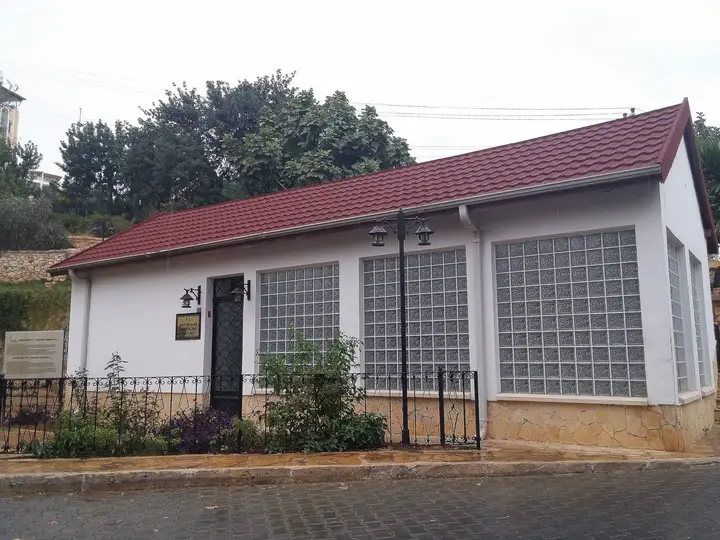
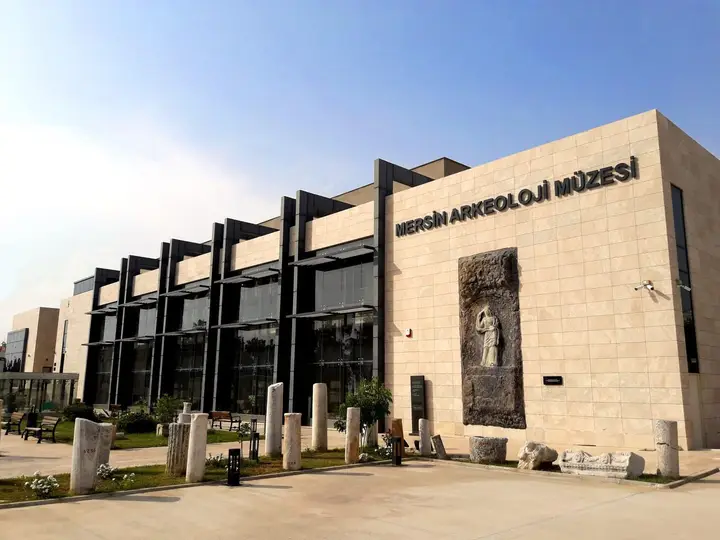
- Mersin centre (Yenişehir, Mezitli, Akdeniz, Toroslar): the seafront promenade and marina, Mersin Archaeology Museum, Atatürk House, Mersin Maritime Museum, Soli Pompeiopolis and Yumuktepe.
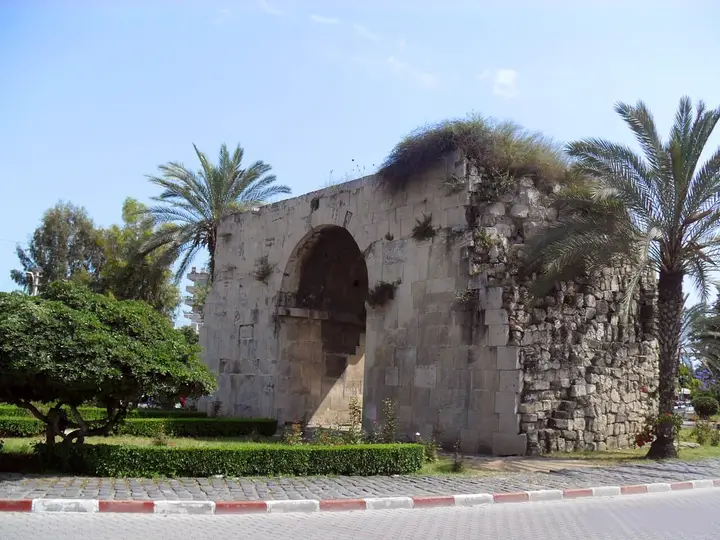
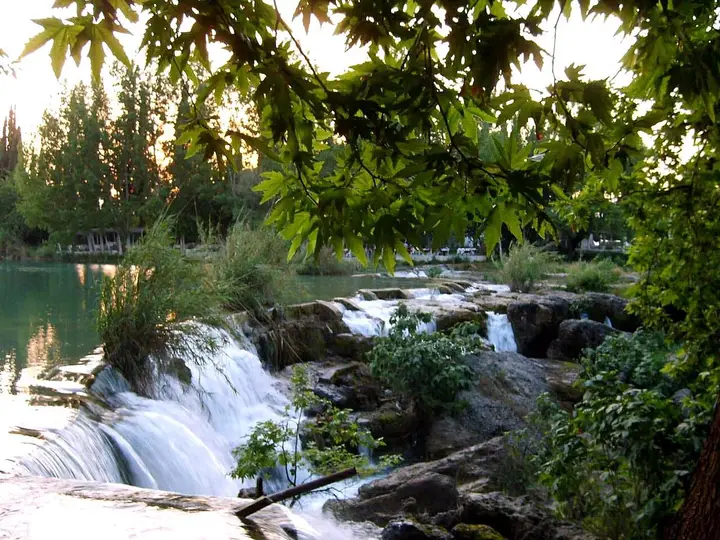
- Tarsus: Cleopatra’s Gate, Saint Paul’s Church and Well, the Roman road, the old houses of Tarsus, Tarsus Waterfall and the Makam-ı Şerif (Prophet Daniel).
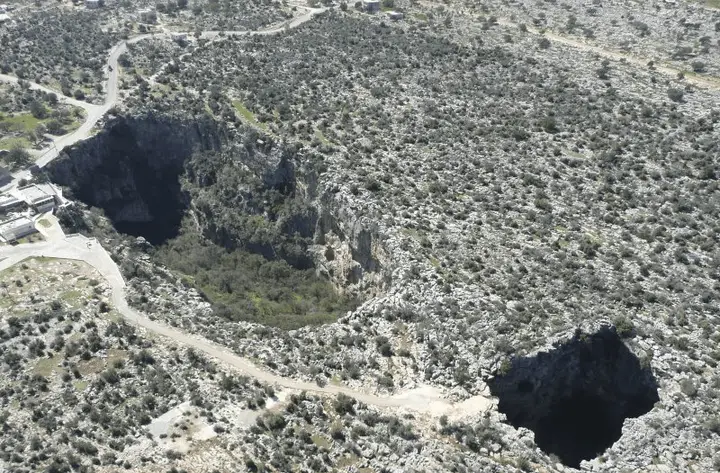
- Erdemli: Kızkalesi and Korykos Castle, Narlıkuyu Mosaic Museum, the Heaven and Hell sinkholes, Astım Cave, Kanlıdivane, Elaiussa Sebaste and Limonlu (Lamas) Canyon.
- Silifke: Silifke Castle, Aya Tekla, Uzuncaburç, the Göksu Delta and Taşucu.
- Mut: Alahan Monastery, Mut Castle and the apricot orchards.
- Anamur and Bozyazı: Mamure Castle, the ancient city of Anemurium, banana plantations and turtle beaches.
- Aydıncık and Gülnar: ancient Kelenderis and Gilindire Cave.
Suggested Itineraries
Day 1 – Tarsus: Cleopatra’s Gate, Saint Paul’s Church and Well, the Roman road and the old houses of Tarsus; Tarsus kebabı and hummus for lunch. Tarsus Waterfall in the early evening.
Day 2 – Erdemli: Kanlıdivane and the Heaven and Hell sinkholes in the morning, the Three Graces mosaic at the Narlıkuyu Mosaic Museum; in the afternoon, the sea and sunset at Kızkalesi.
Day 3 – Silifke and Uzuncaburç: The Temple of Zeus Olbios at Uzuncaburç, then Aya Tekla and Silifke Castle on the way back; bird-watching in the Göksu Delta.
Day 4 – Anamur: Mamure Castle and the ancient city of Anemurium; banana plantations and the coast.
Mersin Cuisine
The symbol of Mersin is Mersin tantunisi, in which finely minced beef is cooked on a copper griddle with cottonseed oil and wrapped in lavaş; it has a registered geographical indication. Mersin cezeryesi (a sweet made from carrots and coconut), Mersin kerebici (soapwort halva served with its foam), Tarsus humusu (Tarsus hummus), Tarsus kebabı, Tarsus fındık lahmacunu (Tarsus small lahmacun), Tarsus şalgamı (Tarsus turnip-carrot drink), Tarsus yayla bandırması (Tarsus highland dipping dish), Anamur batırığı (Anamur batırık), Bozyazı kavutu (Bozyazı roasted-flour sweet) and Silifke yoğurdu (Silifke yoghurt) are also registered.
Mersin is Türkiye’s centre for citrus and bananas: Anamur muzu (Anamur bananas), Erdemli muzu (Erdemli bananas), Erdemli Lamas limonu (Erdemli Lamas lemons), Mersin kan portakalı (Mersin blood oranges), Silifke çileği (Silifke strawberries), Mut kayısısı (Mut apricots), Gezende eriği (Gezende plums), Gülnar kuş üzümü (Gülnar currants), Tarsus beyazı (topacık) üzümü (Tarsus white grapes), Tarsus sarıulak zeytini (Tarsus Sarıulak olives) and olive oil, Mut zeytinyağı (Mut olive oil) and Tarsus biberiyesi (Tarsus rosemary) all have registered geographical indications.
Practical Tips
- The descent into the Heaven Sinkhole involves more than 400 steps; wear comfortable shoes and take water.
- Kızkalesi can be reached from the shore by boat or by swimming; the sea castle is open to visitors in the summer months.
- You can order tantuni spicy or mild, as a “half loaf” (yarım ekmek) or a “wrap” (dürüm); it is served with ayran and pickles.
- The beaches at Anamur and the Göksu Delta are nesting grounds for sea turtles; do not use lights on the beach at night.
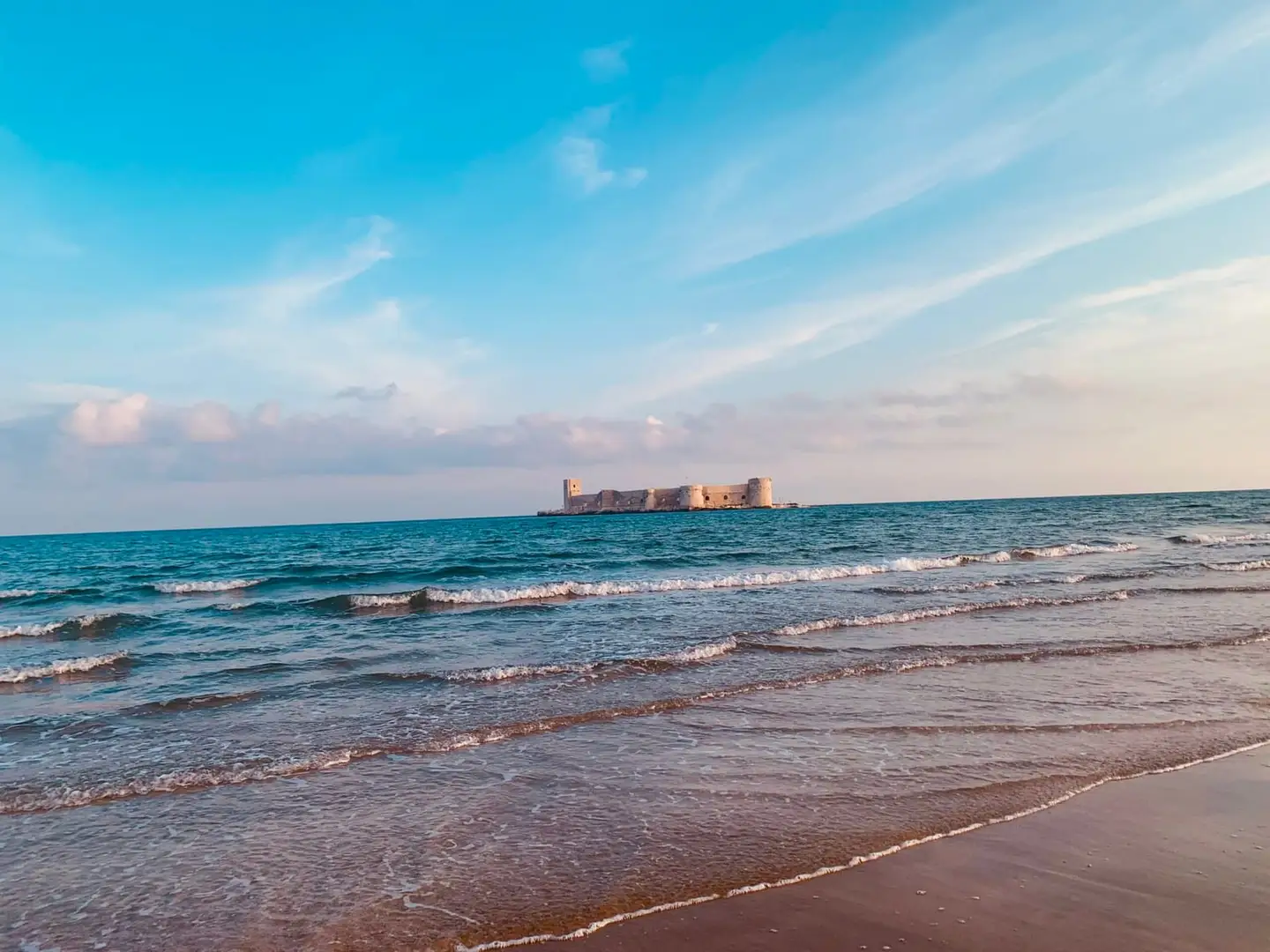
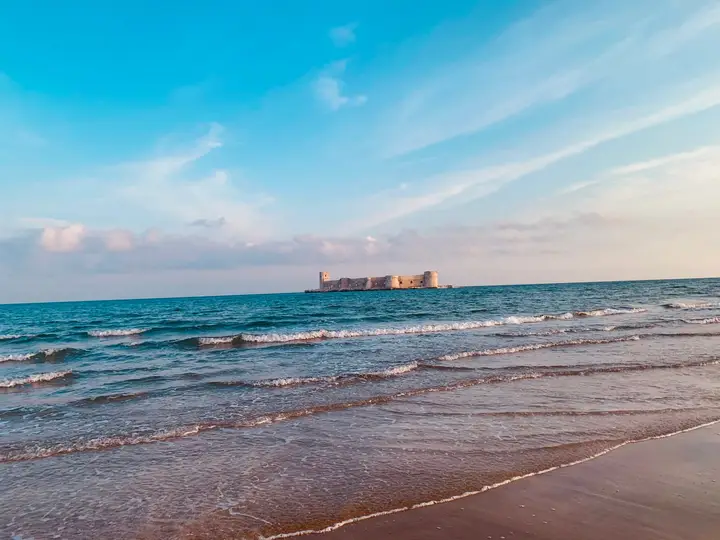 Photo: Wikimedia Commons (CC BY-SA) · Source