Getting to Know Kahramanmaraş
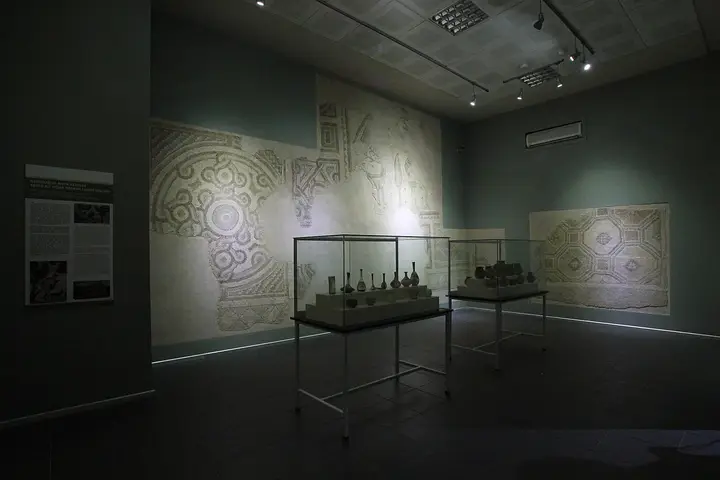
Kahramanmaraş lies in the east of the Mediterranean region, on the southern foothills of Mount Ahır, at the junction of the roads linking Çukurova with Eastern and Southeastern Anatolia. The city’s name first appears in the Late Hittite period, as Marqas, the capital of the Kingdom of Gurgum; in Assyrian inscriptions it is Markasi. In the Roman period the city took the name Germanicia; the Roman villa mosaics uncovered in excavations in the Dulkadiroğlu district are the most striking remains of this era.
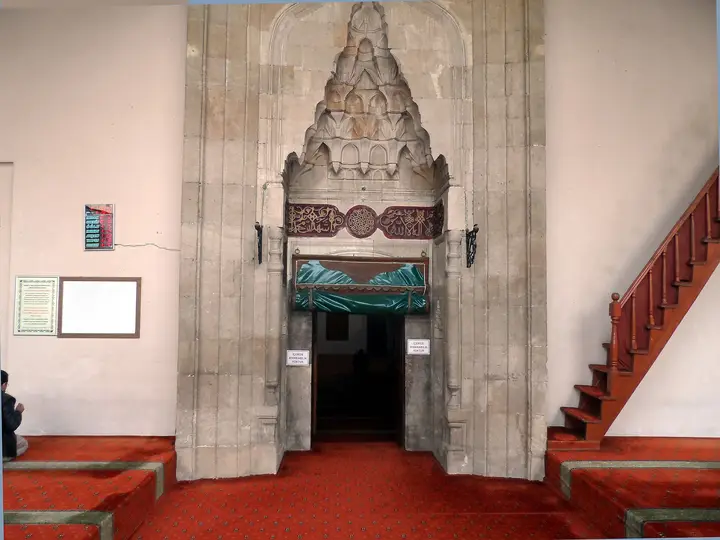
Maraş passed through Byzantine, Arab, Seljuk and Mamluk rule in the Middle Ages, and in the 14th century became the capital of the Dulkadirid Principality; the Grand Mosque, the Stone Madrasa and the covered bazaar belong to this period. The principality was joined to the Ottoman Empire in 1522. After the First World War the city was occupied by the British and then the French; the resistance that began with the Sütçü İmam incident on 31 October 1919 ended the occupation through the fighting of 21 January–12 February 1920. In 1973 the Grand National Assembly of Türkiye gave the city the title “Kahraman” (Heroic).
On 6 February 2023, two major earthquakes centred on Pazarcık and Elbistan deeply affected the province and neighbouring provinces; the city suffered heavy loss of life and destruction, and rebuilding continues. For its tradition of producing poets and writers, Kahramanmaraş joined the UNESCO Creative Cities Network in the field of literature on 31 October 2025.
When to Go
Kahramanmaraş has a Mediterranean climate: summers are very hot and dry, and winters are mild and wet; in the northern districts such as Göksun and Elbistan a continental climate prevails. Averages for 1930–2025 from the Turkish State Meteorological Service (provincial centre):
| Month |
Avg. high |
Avg. low |
Rainfall |
Rainy days |
| January |
9.4 °C |
1.5 °C |
122 mm |
10 |
| February |
11.2 °C |
2.5 °C |
112 mm |
10 |
| March |
16.0 °C |
5.8 °C |
95 mm |
10 |
| April |
21.4 °C |
9.9 °C |
73 mm |
9 |
| May |
26.9 °C |
14.1 °C |
39 mm |
7 |
| June |
32.1 °C |
18.8 °C |
9 mm |
2 |
| July |
35.8 °C |
22.2 °C |
3 mm |
<1 |
| August |
36.2 °C |
22.3 °C |
2 mm |
<1 |
| September |
32.7 °C |
18.5 °C |
11 mm |
2 |
| October |
26.2 °C |
13.0 °C |
45 mm |
5 |
| November |
17.9 °C |
7.2 °C |
78 mm |
7 |
| December |
11.3 °C |
3.4 °C |
131 mm |
10 |
The best times are April to May and October to November. In July and August the temperature exceeds 36 °C; in these months the Başkonuş and Göksun highland pastures are preferred for cooling off. 12 February, Liberation Day, is the most important day in the city.
How to Get to Kahramanmaraş
By air: Kahramanmaraş Airport (KCM) is close to the city centre; there are flights from Istanbul and Ankara. Gaziantep Airport is also about 80 km to the south.
By road: Kahramanmaraş lies at the junction of the roads to Gaziantep (about 80 km), the Adana–Osmaniye motorway link and the Malatya–Kayseri roads. The Göksun–Kayseri road passes through the Binboğa Mountains.
By train: The city is linked to the rail network via Narlı; passenger services are limited.
Kahramanmaraş Area by Area
- Dulkadiroğlu and Onikişubat (city centre): Kahramanmaraş Castle, the Grand Mosque and Stone Madrasa, the covered bazaar and the coppersmiths, the Kahramanmaraş Archaeology Museum, the Germanicia mosaics, Kapıçam Nature Park, the Döngel caves and the Başkonuş Plateau.
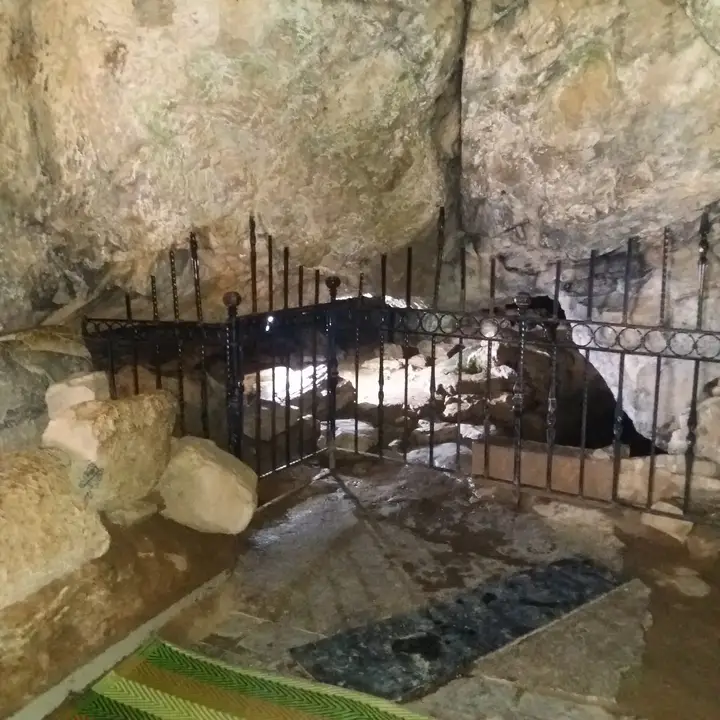
- Afşin and Elbistan: the Ashab-ı Kehf Complex, the broad Elbistan Plain and the sources of the Ceyhan River.
- Göksun: the Binboğa Mountains, highland pastures and a cool summer climate.
- Andırın and Çağlayancerit: wooded valleys, the registered Andırın tirşiği (Andırın pickled-vegetable dish) and Çağlayancerit walnuts.
- Pazarcık and Türkoğlu: the Neolithic mound (höyük) of Domuztepe and the plains.
Suggested Itineraries
Day 1 – The city centre: For breakfast, eli böğründe or tarhana soup; then Kahramanmaraş Castle, the Grand Mosque, the Stone Madrasa and the coppersmiths’ bazaar. In the afternoon, the Archaeology Museum; in the evening, pounded ice cream and Maraş çöreği at an ice-cream shop.
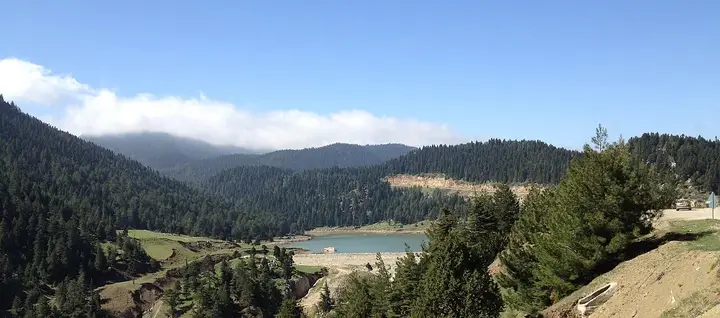
Day 2 – Nature: Kapıçam Nature Park and the cedar forests of the Başkonuş Plateau.
Day 3 – Afşin: The Ashab-ı Kehf Complex; on the way back, Afşin tava.
Kahramanmaraş Cuisine
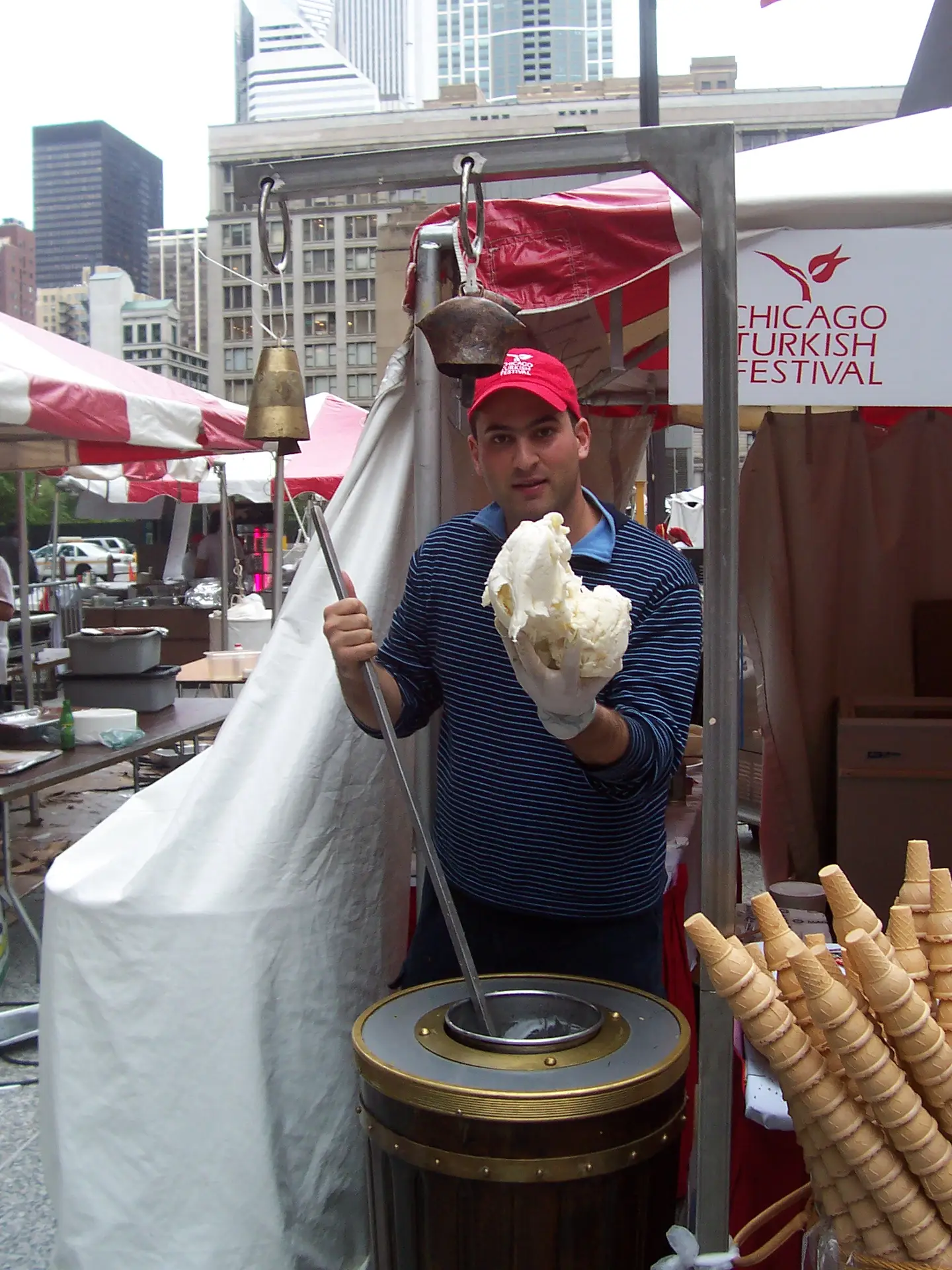
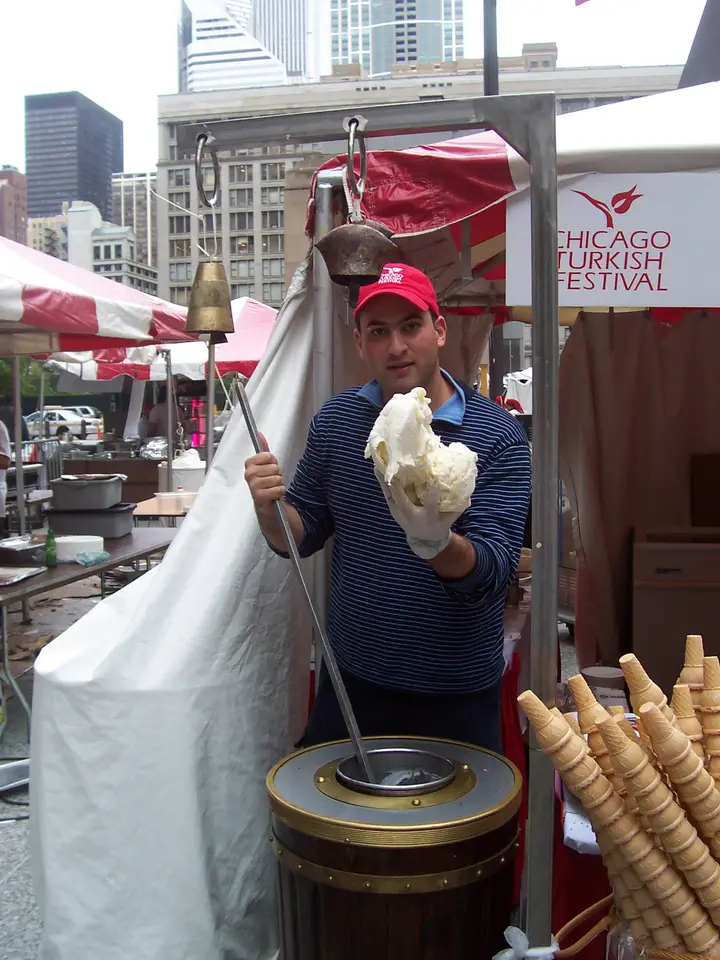
The city’s world-famous flavour is Maraş ice cream: it is made with the milk of goats fed on the foothills of Mount Ahır, salep obtained from the root tubers of wild orchids, and sugar; because it is given its texture by pounding with long iron paddles, it is firm enough to be cut with a knife and has a stretchy consistency. Maraş ice cream has a registered geographical indication.
Other registered delicacies are Maraş tarhanası (Maraş tarhana), Maraş eli böğründe (yanyana) (meat and chickpea stew), Maraş ekşili çorba (Maraş sour soup), Maraş samsası (Maraş samsa pastry), Maraş çöreği (Maraş bread roll), Maraş kelle paçası (Maraş head-and-trotter soup), Kahramanmaraş çiriş böreği (çiriş pastry), Afşin tava (Afşin pan-fried meat), Andırın tirşiği (Andırın pickled-vegetable dish), Maraş ravanda şerbeti (Maraş ravanda sherbet) and Maraş fıstık ezmesi (Maraş pistachio paste). Products: Maraş biberi (Maraş chilli), which made the city’s name known to the world, Maraş sumak ekşisi akıtı (Maraş sumac sour sauce) and ekşi külü (sour ash), Maraş parmak (sıkma) peyniri (Maraş finger cheese), Elbistan kelle peyniri (Elbistan head cheese), Çağlayancerit cevizi (Çağlayancerit walnuts), Andırın andız pekmezi (Andırın juniper molasses), Afşin Koçovası sarımsağı (Afşin Koçovası garlic) and Bertiz kabarcık üzümü (Bertiz bubble grapes).
Handicrafts
Kahramanmaraş is also rich in handicrafts: Maraş işi (Maraş embroidery), worked on velvet with silver and gold thread, Maraş file nakışı (Maraş net embroidery), Maraş gülü motifi (Maraş rose motif), Kahramanmaraş yemenisi (Kahramanmaraş headscarf), Maraş bakır el işlemesi (Maraş hand-worked copper), Maraş burma bileziği (Maraş twisted bracelet), Kahramanmaraş hartlap bıçağı (Kahramanmaraş hartlap knife), the walnut-wood Maraş rahlesi (Maraş book stand), Maraş camekânı (Maraş glass cabinet) and the Kahramanmaraş oyma çeyiz sandığı (Kahramanmaraş carved dowry chest) all have registered geographical indications.
Practical Tips
- Rebuilding continues in the city centre after the 2023 earthquakes; some historic buildings may be closed for restoration.
- Try eating the ice cream on a plate at an ice-cream shop, cut with a knife; in winter it is also served with hot salep.
- When buying Maraş chilli, ask separately for the pul biber (flaked) and isot (oily, dried) varieties.
- In summer, avoid the midday heat and head for the highland pastures; Başkonuş lies to the west of the city on the Andırın road.