Getting to Know Osmaniye
Osmaniye lies in the east of the Mediterranean Region, where the Çukurova plain meets the Amanos (Nur) Mountains. In antiquity the province lay in the eastern part of Cilicia, on the roads linking Anatolia with Syria and Mesopotamia. Karatepe-Aslantaş, near Kadirli, is the fortress city founded in the 8th century BC by the Late Hittite ruler Azatiwada; the Phoenician and Luwian bilingual inscriptions here played a key role in deciphering Hittite hieroglyphs.
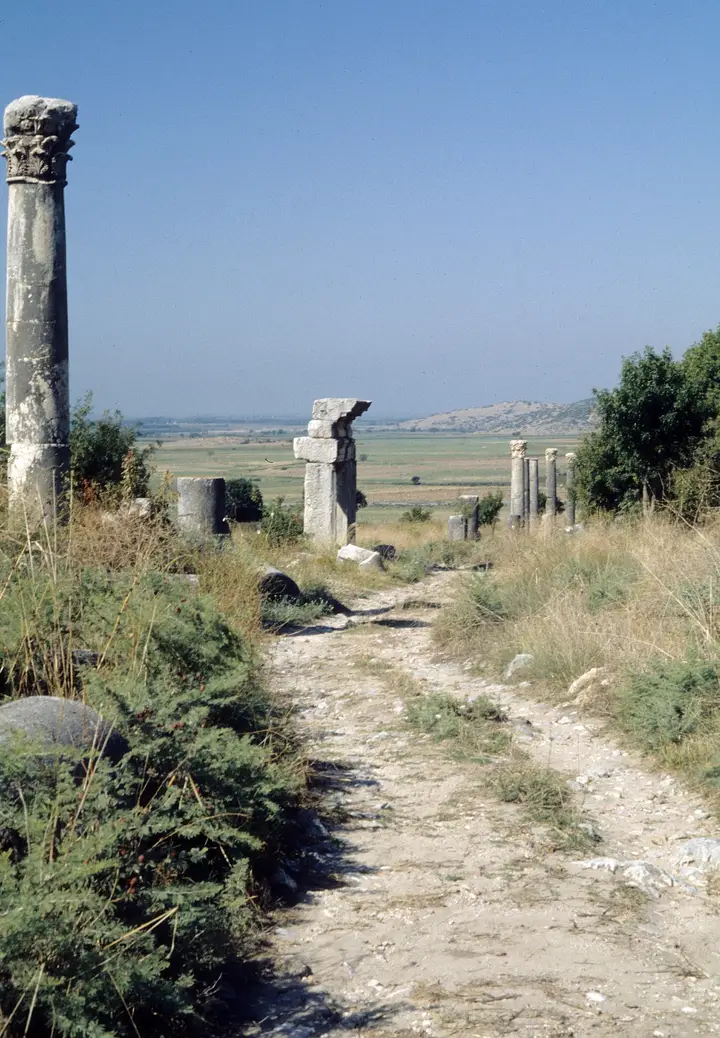
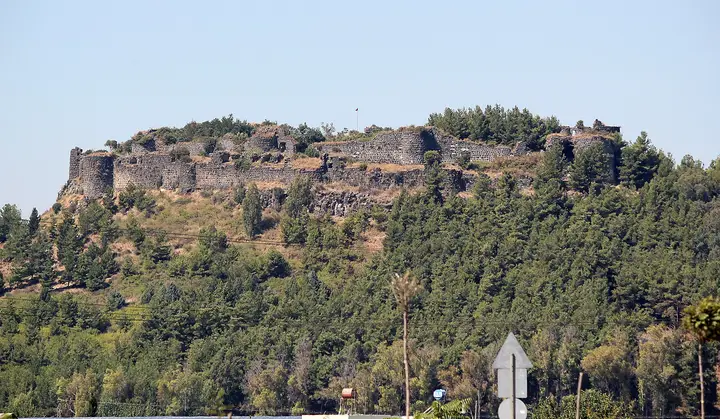
In Roman times Kastabala (Hierapolis), on the bank of the Ceyhan River, was one of the region’s important cities, with its colonnaded street and its castle on the hilltop. In the Middle Ages, under the Armenian Kingdom of Cilicia and the Crusaders, castles such as Toprakkale, Hemite (Amouda) and Bahçe controlled the strategic passes. Osmaniye, which became the centre of the Cebel-i Bereket sanjak in the 19th century, became Türkiye’s 80th province in 1996.
Today Osmaniye is the centre of Türkiye’s peanut production, and peanut fields cover the Ceyhan plain. Zorkun, in the Amanos Mountains, is one of the oldest highland pastures of Çukurova.
When to Go
Osmaniye has a Mediterranean climate: summers are hot and humid, and winters are mild and rainy. Averages for 1986–2025 from the Turkish State Meteorological Service:
| Month |
Avg. high |
Avg. low |
Rainfall |
Rainy days |
| January |
14.8 °C |
3.7 °C |
104 mm |
9 |
| February |
16.2 °C |
4.7 °C |
91 mm |
9 |
| March |
19.2 °C |
7.4 °C |
116 mm |
10 |
| April |
23.8 °C |
11.1 °C |
80 mm |
9 |
| May |
27.9 °C |
15.0 °C |
75 mm |
7 |
| June |
31.4 °C |
19.1 °C |
39 mm |
3 |
| July |
33.7 °C |
22.6 °C |
18 mm |
1 |
| August |
34.4 °C |
23.3 °C |
10 mm |
1 |
| September |
32.3 °C |
19.6 °C |
34 mm |
3 |
| October |
28.3 °C |
14.5 °C |
65 mm |
6 |
| November |
21.9 °C |
8.5 °C |
86 mm |
7 |
| December |
16.5 °C |
5.2 °C |
90 mm |
9 |
March to May and October to November are ideal for the ancient cities, and June to September for Zorkun Plateau. Summers on the plain are hot and humid; this is when the people of Çukurova go up to the highland pastures. The peanut harvest takes place in September–October.
How to Get to Osmaniye
By air: There is no airport in the province; the nearest airports are Çukurova International Airport (Tarsus) and Gaziantep Airport.
By train and road: Osmaniye lies on the Adana–Gaziantep motorway and the Adana–Fevzipaşa railway; it is about 90 km from Adana and about 125 km from Gaziantep.
Osmaniye Area by Area
- Central district: The ancient city of Kastabala (Hierapolis), the Osmaniye Archaeology Museum, Zorkun Plateau and Fakıuşağı.
- Kadirli: Karatepe-Aslantaş Open-Air Museum and National Park, Aslantaş Dam Lake, the registered Kadirli sucuk ekmek and radish.
- Toprakkale: Toprakkale Castle, overlooking the Ceyhan plain.
- Düziçi: Hemite (Amouda) Castle.
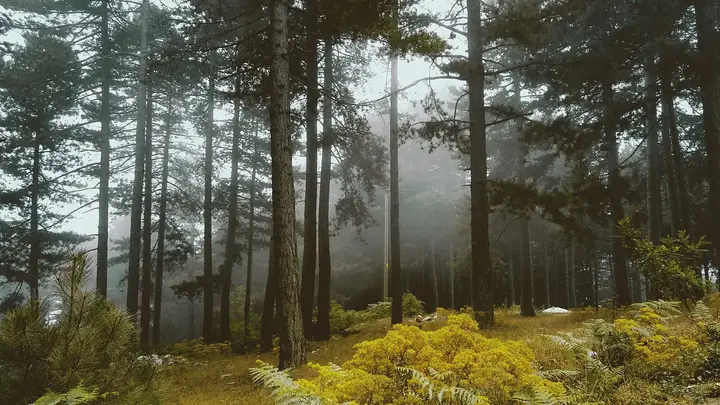
- Bahçe and Hasanbeyli: The forests of the Amanos Mountains and Bahçe Castle.
Suggested Itineraries
Day 1 – Osmaniye city centre and Toprakkale: The colonnaded street and castle of Kastabala, Toprakkale Castle; in the evening, local kömbe and tava in Osmaniye.
Day 2 – Karatepe: The bilingual inscriptions at Karatepe-Aslantaş and the gates with lion and sphinx statues; in the afternoon, the shore of Aslantaş Dam Lake and sucuk ekmek in Kadirli.
Day 3 – Zorkun: In summer, cool air and nature walks on Zorkun Plateau.
Osmaniye Cuisine
Osmaniye cuisine combines the products of Çukurova and the Taurus highland pastures. The registered delicacies with geographical indications are Osmaniye Zorkun tava (Zorkun pan dish), Osmaniye bayram kömbesi (festival kömbe), Osmaniye yoğurtlu kömbesi (yoghurt kömbe) and Kadirli sucuk ekmek (sucuk in bread). The products are Osmaniye yer fıstığı (Osmaniye peanuts), the most heavily produced peanut in Türkiye, Osmaniye zeytinyağı (Osmaniye olive oil) and Kadirli turpu (Kadirli radish). In the local cuisine, şırdan (stuffed tripe), tırşik soup and hummus are also common.
Handicrafts
The Karatepe kilim (Karatepe kilimi) and the Kadirli andız prayer beads (Kadirli andız tespihi), made from andız (juniper) wood, are registered handicrafts with geographical indications.
Practical Tips
- At Karatepe-Aslantaş National Park, some of the statues are under cover for protection; a torch can be useful for examining the inscriptions.
- In summer the humidity on the plain is very high; do your outdoor sightseeing in the morning.
- You can buy peanuts, roasted and in the shell, at local markets.
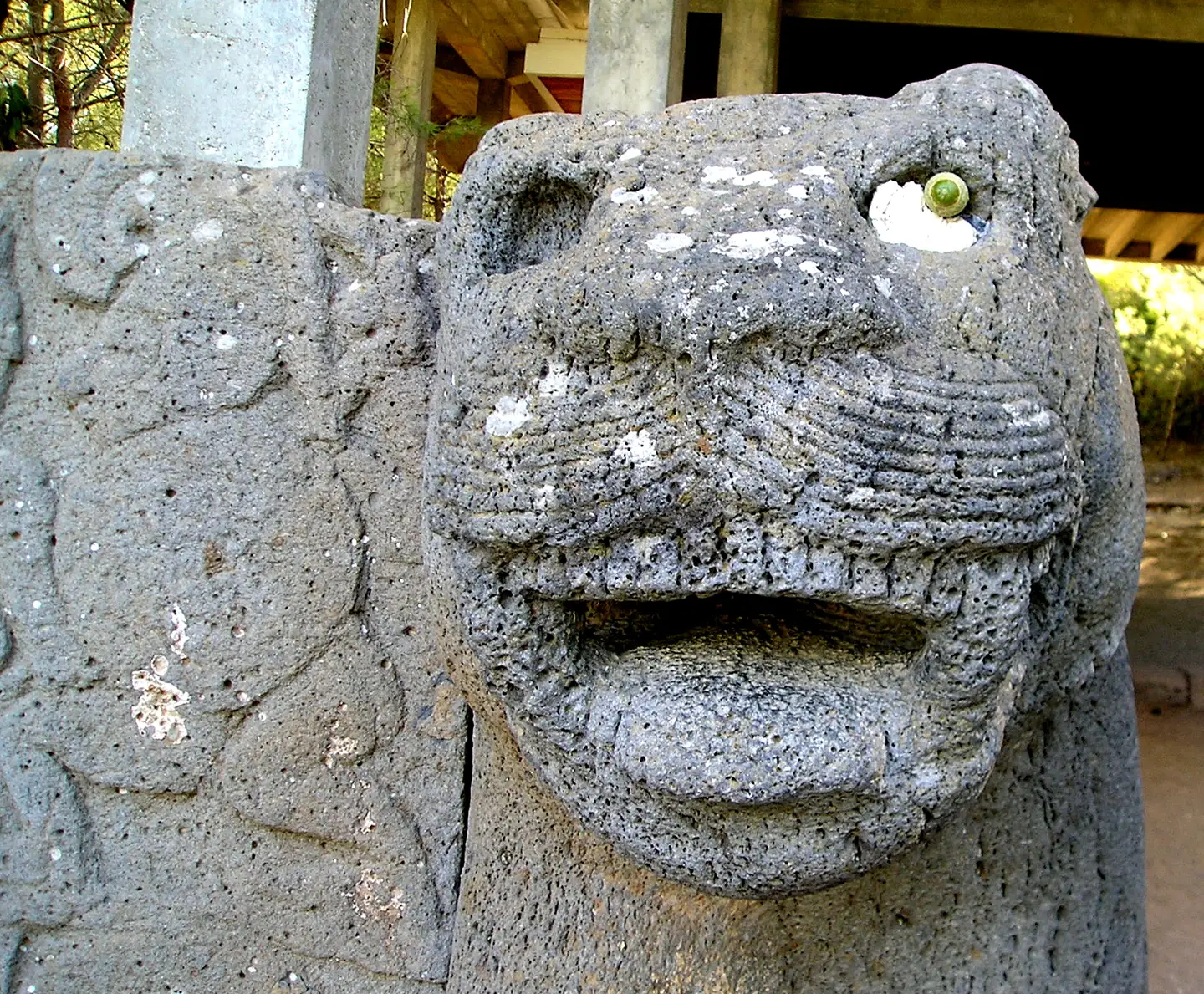
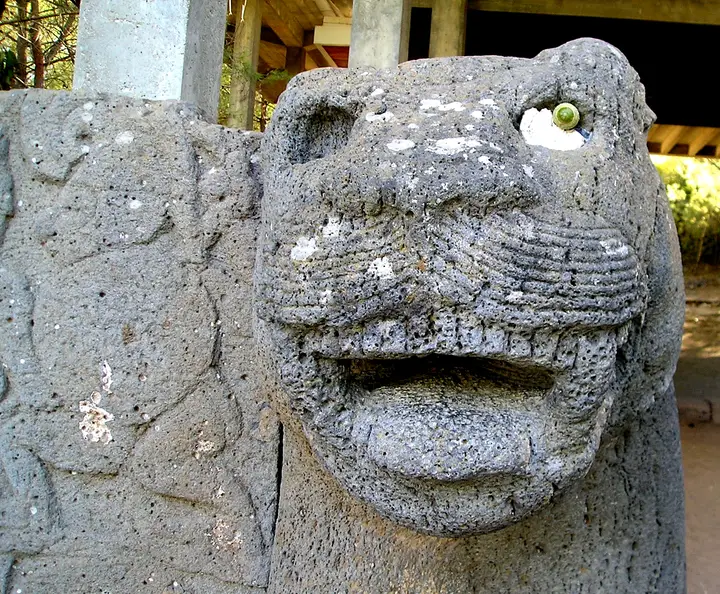 Photo: Verity Cridland (CC BY 2.0) · Source