Taş Köprü (Stone Bridge)
A historic bridge over the Sabun River, 4 km from the district centre. It was commissioned by Mehmet Bey of the Fettahoğulları family, one of the district's leading families.
View on map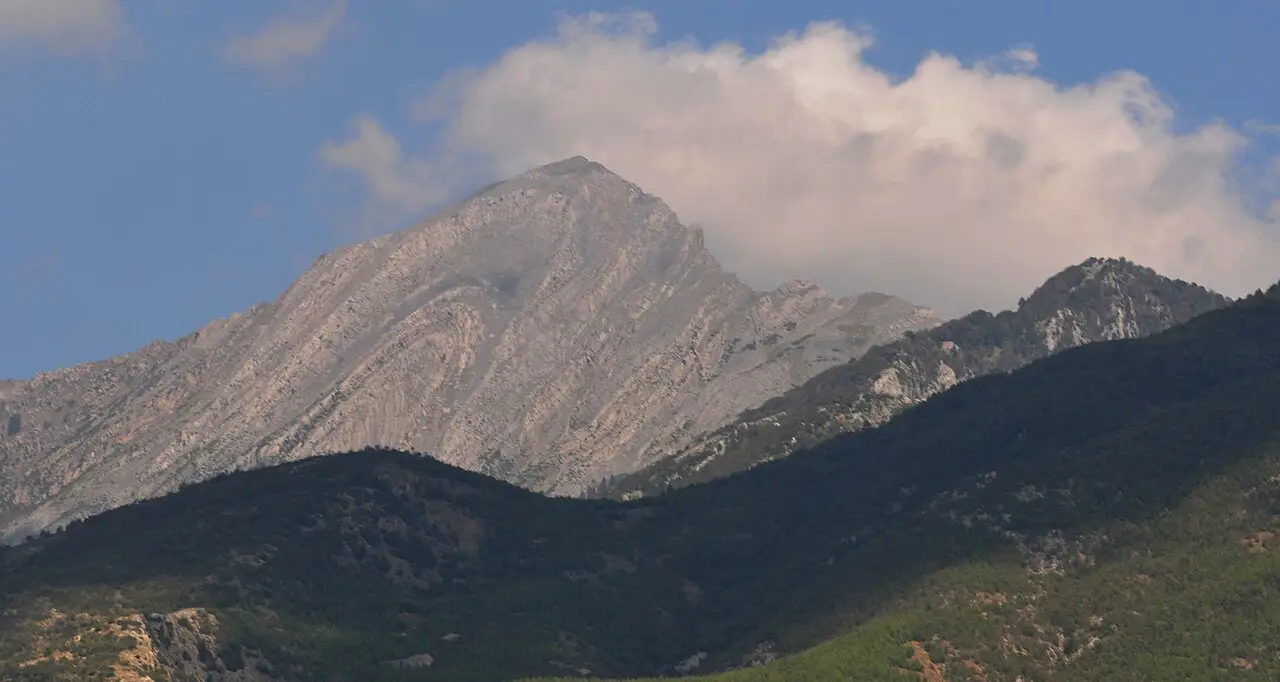 Photo: Zeynel Cebeci (CC BY-SA 4.0) · Source
 8 places to visit in the Düziçi district of Osmaniye: Harun Reşit Castle, Haruniye Hot Springs and Mount Düldül. Plan your trip to Düziçi with local food, practical tips and transport information.
Today’s Düziçi was first founded in the 8th century by Faraç Bey, frontier lord of Abbasid Caliph Harun Reşit, who built a castle in the area and declared it a settlement. In 797, Turkish settlers from Khorasan were settled here, and the town was then called Şuguru Saimiye.
Düziçi is a district of 595 km², with an average elevation of 389 metres above sea level. It lies on the edge of the Düziçi Plain and is surrounded by mountains.
According to the Köppen climate classification, Düziçi has a Mediterranean climate, with very hot, dry summers and mild winters. The natural vegetation is maquis. Above 700–800 metres there are forests of pine and broadleaf trees.
The district produces wheat, maize, olives, peanuts, barley, oats, vetch, cotton, tobacco, sunflowers, pomegranates and citrus.
The historical origins of Düziçi have not been fully clarified. Harun Reşit Castle was built in 799 by Faraç Bey, frontier lord of Abbasid Caliph Harun Reşit, to protect the region and the strategic roads passing through it. The castle was restored by the Ministry of Culture and Tourism in 2011 and opened to visitors. The historic Anatolia–Syria trade route passes near Düziçi and its surroundings.
Last updated:
A historic bridge over the Sabun River, 4 km from the district centre. It was commissioned by Mehmet Bey of the Fettahoğulları family, one of the district's leading families.
View on mapCaves in Böcekli village, believed to date from the Neolithic period.
View on mapLocated in Kurtbeyoğlu Quarter, 3 km north-east of Düziçi district centre. The castle was built in 799 by Faraç Bey to protect important trade routes in the region.
View on mapRemains in Çerçioğlu village, counted among the historic remains uncovered by excavations around the district.
View on map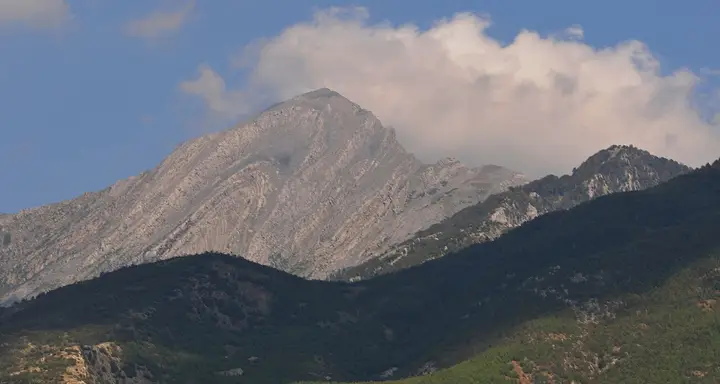 Photo: Zeynel Cebeci (CC BY-SA 4.0) · Source
 At 2,448 metres, it is the highest peak of the Amanos Mountains and lies in Düziçi. A cable car is being built up the mountain.
View on mapLying to the east of the district, they form a major mountain system that shapes the district's geography.
View on mapA waterfall about 10 metres high, located on the Sabun River at the foot of Mount Düldül, 7 km from the district centre.
View on mapLocated in Kuşçu village, 15 km north of Düziçi, at the foot of Mount Düldül. The thermal water contains minerals such as calcium, magnesium and bicarbonate.
View on mapWhile you are in Düziçi, you can also see the highlights of Osmaniye province. These places are in other districts.
Prepared by grilling lamb on skewers. This dish holds an important place at the tables of local people and is made with traditional recipes. Prepared by local people on special occasions, it is a symbol of hospitality.
A sour soup made with wheat, yoghurt and local herbs. Prepared from recipes passed down through generations, this dish is an important part of the region's culinary culture. Prepared by local people on special occasions, it is a symbol of hospitality.
Thick bread baked in traditional tandır ovens. Made with local ingredients, this dish reflects the region's gastronomic richness. The meat's flavour is given a unique aroma as it absorbs the earthy scent of the tandır.
Düziçi's former name was Haruniye, which is attributed to the Abbasid Caliph Harun Reşid. Throughout history the district has been an important crossing point.
Communities living on the slopes of the Amanos Mountains maintain mountain culture and traditional ways of life.
Düziçi's economy is based on agriculture. Peanuts, cotton and citrus are the main agricultural products. Olive growing and livestock farming are also sources of livelihood.
It is 30 km from Osmaniye. It is 130 km from Adana Airport.
The 8 highlighted places in Düziçi are: Harun Reşit Castle, Haruniye Hot Springs, Mount Düldül, Amanos Mountains, Karasu Waterfall, Taş Köprü, Domuztepe Ruins (Çerçioğlu Village) and Böcekli Village Caves.
Düziçi Kebabı, Tırşik Çorbası and Tandır Ekmeği are the standout flavours on Düziçi's tables.
Düziçi is known for Düziçi Peanuts and Haruniye History. Peanuts grown in the district are Osmaniye's geographically indicated product.
It is 30 km from Osmaniye. It is 130 km from Adana Airport.
Suggested visit length: 1 day. Best time to visit: spring and autumn.