Göksun Castle
Built in the Roman period, the castle stands on a hill overlooking the Göksun Plain. It was also used in the Byzantine and Seljuk periods.
View on map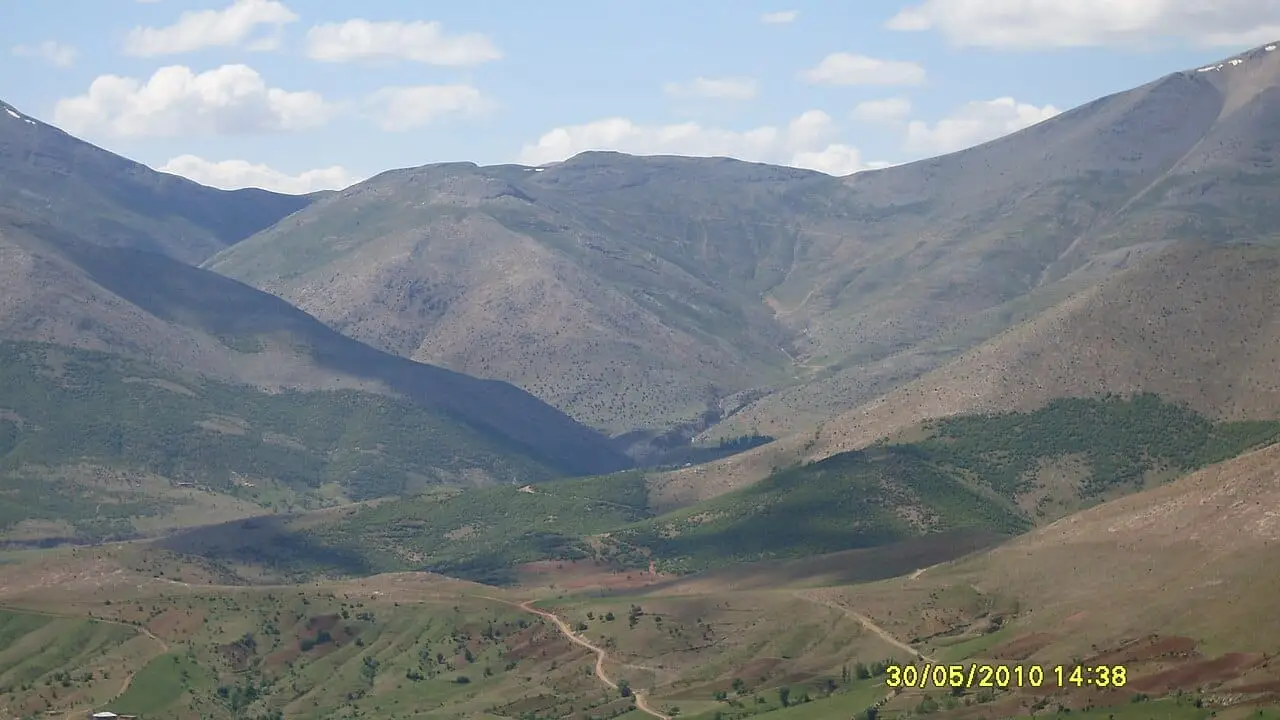 Photo: hüseyin yeşil (CC BY 3.0) · Source
 9 places to visit in the Göksun district of Kahramanmaraş: Binboğa Mountains, Kapıçam Nature Park and Göksun Castle. Plan your trip to Göksun with local food, practical tips and transport information.
Göksun is a district of Kahramanmaraş province.
Göksun’s known history goes back to the Assyrian and Neo-Hittite periods. It was attached to Kahramanmaraş province in 1908, and the district municipality was also founded in 1908. During the Dulkadiroğulları Principality (1337–1515), Göksun became one of the most important centres of the Dulkadiroğulları.
Göksun apple is famed for its distinctive aroma. The main agricultural products are wheat, sugar beet, beans, chickpeas, apples and grapes. Thanks to the dual carriageway that opened on 7 November 2020, the distance between Göksun and Kahramanmaraş has been considerably reduced.
Archaeological work at Kırıkkilise, Kazandere, Hacıkodal and other settlement areas in Göksun has revealed many remains from the Hittite period, including mounds, rock tombs, temples and altars.
Göksun was attached to Kahramanmaraş province in 1908. In 1515 it was incorporated into Ottoman territory after the Battle of Turnadağı. Göksun lies on one of the north–south transit routes of Anatolia.
Göksun’s former name appears in Roman, Byzantine and Crusader sources in forms such as Cocusus and Cocussos. In the 16th century, Göksun was used as a summer pasture by tribes belonging to the Dulkadirli Confederation.
Last updated:
Built in the Roman period, the castle stands on a hill overlooking the Göksun Plain. It was also used in the Byzantine and Seljuk periods.
View on mapA neighbourhood 5 km from Göksun town centre, which is a 1st-degree protected site.
View on mapA castle at the midpoint of the Hançer Canyon, 35 km from the district centre.
View on mapNumerous mounds from the Hittite period are found in and around Göksun.
View on mapA castle from the Roman period in Fındıklıkoyak neighbourhood, 12 km from the district centre.
View on mapThe ruins of a villa on Hacıyusuflu hill in Temurağa neighbourhood. They were uncovered as a result of illegal excavation.
View on mapAn ancient city ruin 25 km from the district centre, between Küçükçamurlu neighbourhood and Büyükkutu Mezrası.
View on map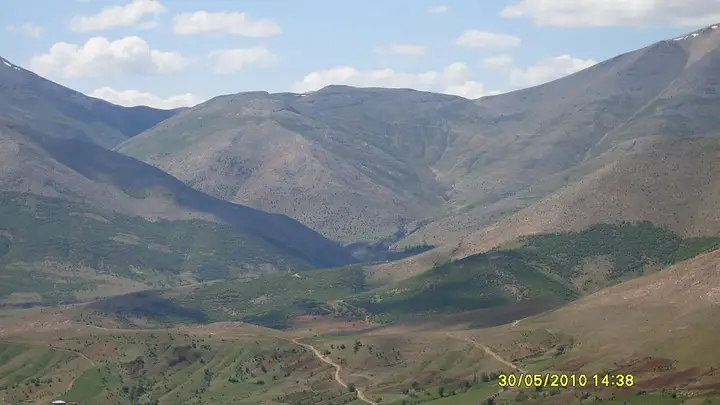 Photo: hüseyin yeşil (CC BY 3.0) · Source
 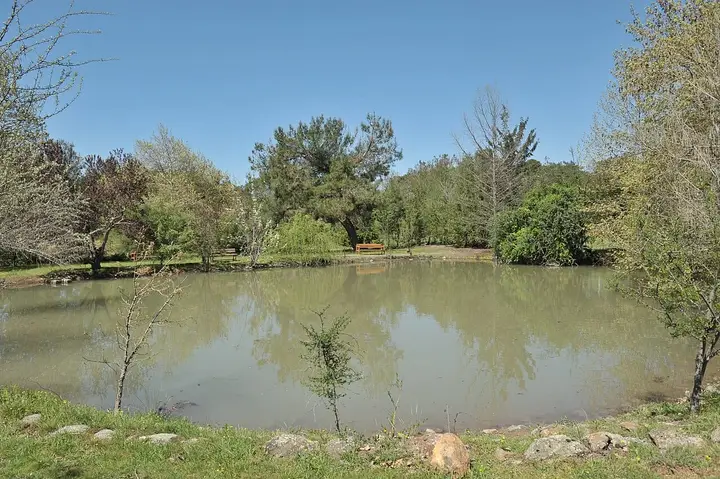 Photo: Kırımlı46 (CC BY-SA 4.0) · Source
 Kapıçam Nature Park, north of Göksun, is covered with cedar and black pine forests. It offers walking trails, picnic areas and camping facilities.
View on mapWhile you are in Göksun, you can also see the highlights of Kahramanmaraş province. These places are in other districts.
Small pieces of dough filled with minced meat and boiled, Göksun mantısı is served with yoghurt and a butter sauce.
Tarhana made with yoghurt, wheat and vegetables is the soup most eaten in Göksun on cold winter days.
An apple grown among the district's main agricultural products, known for its distinctive aroma.
Göksun is a mountain town set at the foot of the Binboğa and Tahtalı mountains. Migration to the highland pastures and livestock farming traditions shape the district's cultural identity.
Göksun's economy is based on agriculture and livestock farming. Apples, walnuts and grain are the main agricultural products. Livestock farming and forestry are also important sources of livelihood.
Göksun is 75 km from Kahramanmaraş. Bus services run from Kahramanmaraş and Kayseri.
The 9 leading places in Göksun: Binboğa Mountains, Kapıçam Nature Park, Göksun Castle, Taşoluk, Aybastı Castle, Kızılkale, Villa Rustika, Hamamgözü and Mounds in and around Göksun.
Göksun Mantısı, Tarhana Çorbası and Göksun apples are the standout foods on Göksun's tables.
Göksun is known for Göksun Apple and Mountain and Highland Pasture Culture. Apples grown in Göksun's cool climate are known for their firm, aromatic character. Starking and Golden are the most widely grown varieties.
Göksun is 75 km from Kahramanmaraş. Bus services run from Kahramanmaraş and Kayseri.
Suggested visit length: 1 day. Best time to visit: summer months.