 Photo: Wikipedia (CC BY-SA) · Source
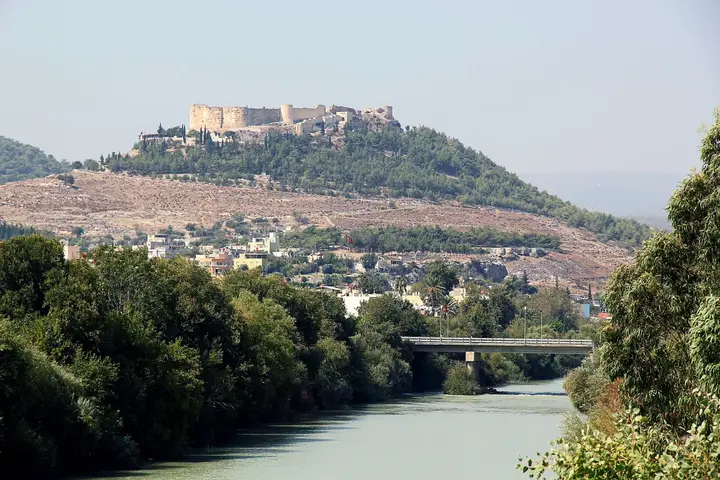
 Silifke Castle
Silifke's historic castle, mentioned among the ancient remains in the History section.
View on map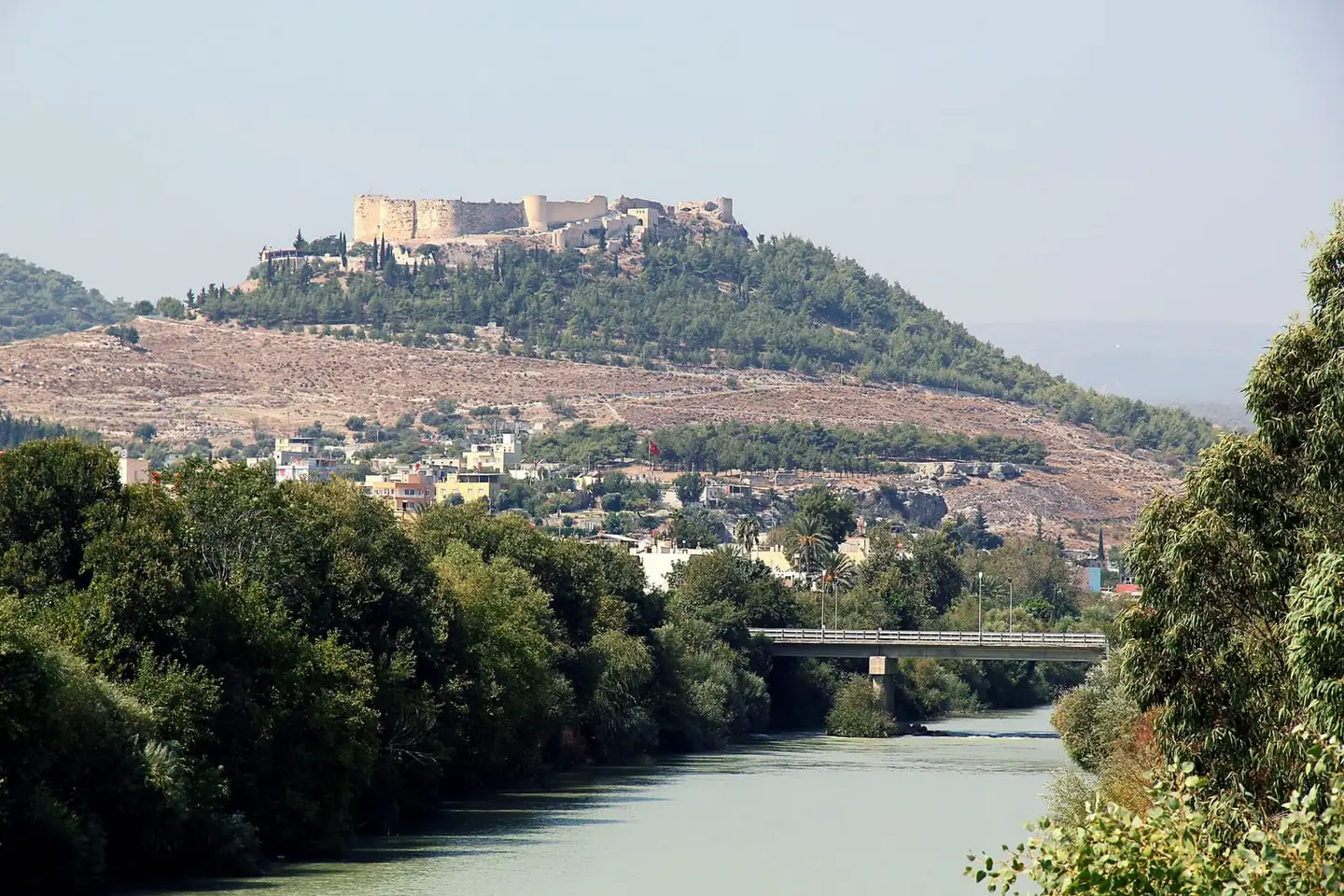 Photo: Wikipedia (CC BY-SA) · Source
 9 places to visit in the Silifke district of Mersin: Silifke Castle, Cennet and Cehennem Obrukları (Heaven and Hell Sinkholes) and Uzuncaburç (Olba/Diocaesarea). Plan your trip to Silifke with local food, practical tips and transport information.
The district covers 2,692 km². The average altitude of Silifke district centre above sea level is 25 metres.
After the Roman Empire was split in two in AD 395, Seleucia came under Byzantine rule and, because of the presence of Saint Thecla (Ayatekla), became an important pilgrimage centre. In the Republican period, after the War of Independence, Silifke became the centre of İçel Province and, after 1933, it was merged with Mersin Province and became a district.
The Göksu River divides the district in two. In the delta where the river reaches the sea, the Akgöl and Paradeniz lagoons form one of the world’s major bird gathering sites. The breeding area of the Mediterranean monk seal lies within the boundaries of Yeşilovacık belde.
The Silifke Plain is an alluvial plain with very fertile soil, and because greenhouse farming is widespread, up to 3 crops a year can be harvested. The district grows many fruits and vegetables, including tomatoes, cucumbers, strawberries, paddy rice, peanuts, squash, green beans and yer kirazı.
Silifke was founded on the site of the ancient city of Seleucia ad Calycadnum. Because of the presence of Saint Thecla (Ayatekla), it became an important pilgrimage centre in the Byzantine period. The district governor’s office building is a work of the reign of Sultan Reşat.
Last updated:
Photo: Wikipedia (CC BY-SA) · Source Silifke's historic castle, mentioned among the ancient remains in the History section.
View on map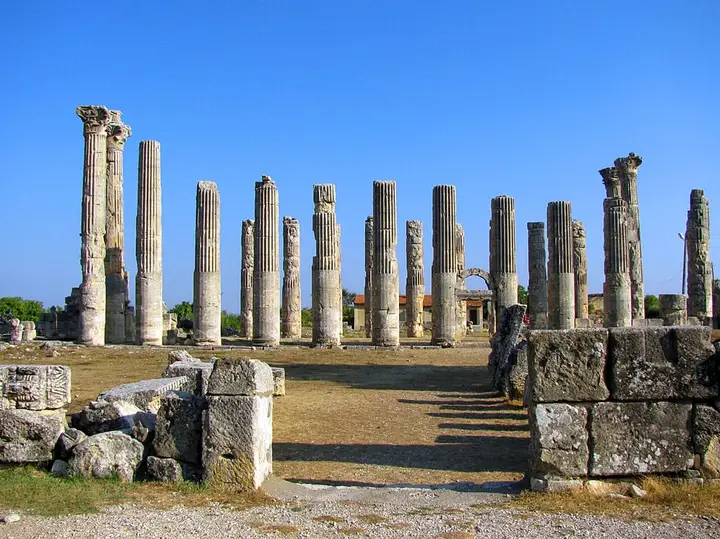 Photo: Yılmaz Kilim (CC BY 3.0) · Source
 Ancient city 30 km north of Silifke, known for the Temple of Zeus Olbios and its Roman colonnaded streets.
View on mapWell-preserved ancient city with colonnaded streets, a Temple of Zeus and a theatre.
View on mapHellenistic-period city with a fountain building, an aqueduct and a theatre.
View on mapOne of the early centres of Christianity, home to the cave church of Saint Thecla (Ayatekla).
View on mapThree-aisled, well-preserved Byzantine church dating from the 5th century.
View on mapMuseum built on the spot where the floor mosaic of a Roman bath was found.
View on mapMuseum set up in the house where Atatürk spent the night in 1925.
View on map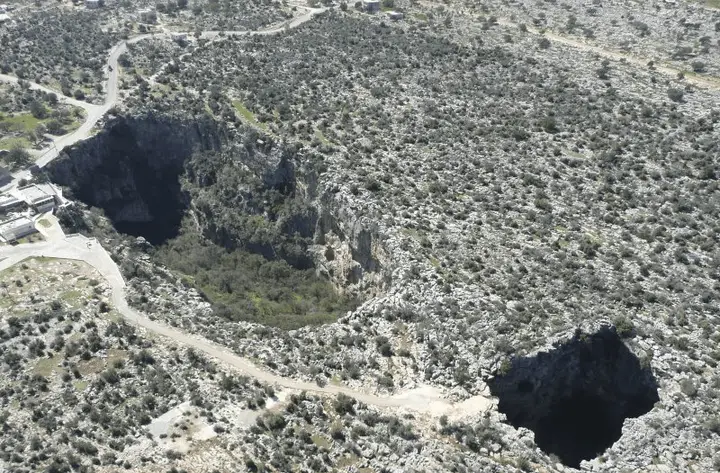 Photo: Martincarpio1973 (CC BY-SA 4.0) · Source
 Two large sinkholes near Silifke, among the most striking examples of karst formations. At the bottom of Cennet Obruğu (Heaven Sinkhole) is a 5th-century church.
View on mapWhile you are in Silifke, you can also see the highlights of Mersin province. These places are in other districts; Silifke is about 80 km from the provincial centre.
Finely chopped beef, fried in oil and wrapped in lavash bread. The recipe, passed down through generations, varies slightly in each household.
Traditional sweet made with carrot, sugar and pistachios, and one of the best-known treats of the Mersin region.
Held every year in May, the Silifke International Music and Folklore Festival and the Strawberry Festival are the district's most important cultural events.
The economy of Silifke is based on farming and tourism. Strawberries, citrus fruits and bananas are the main crops. Ancient cities and natural beauty bring in tourism revenue.
Silifke is 80 km from Mersin city centre. It lies on the Antalya-Mersin coastal road.
The 9 highlights of Silifke are: Silifke Castle, Cennet and Cehennem Obrukları, Uzuncaburç (Olba/Diocaesarea), Uzuncaburç (Diokaisareia) Ancient City, Narlıkuyu Mosaic Museum, Ayatekla Archaeological Site, Olba (Ura) Ancient City, Cambazlı Church and Silifke Atatürk House and Ethnography Museum.
Tantuni and Cezerye are the standout dishes on Silifke tables.
Silifke is known for Silifke Çileği and the Strawberry Festival. Silifke Çileği is registered with TÜRKPATENT as a protected designation of origin.
Silifke is 80 km from Mersin city centre. It lies on the Antalya-Mersin coastal road.
Suggested visit length: 1-2 days. Best time to visit: spring and autumn.