Namrun Castle
A defensive castle built on a high hill in the district centre of Çamlıyayla. It has been restored and is open to visitors.
View on map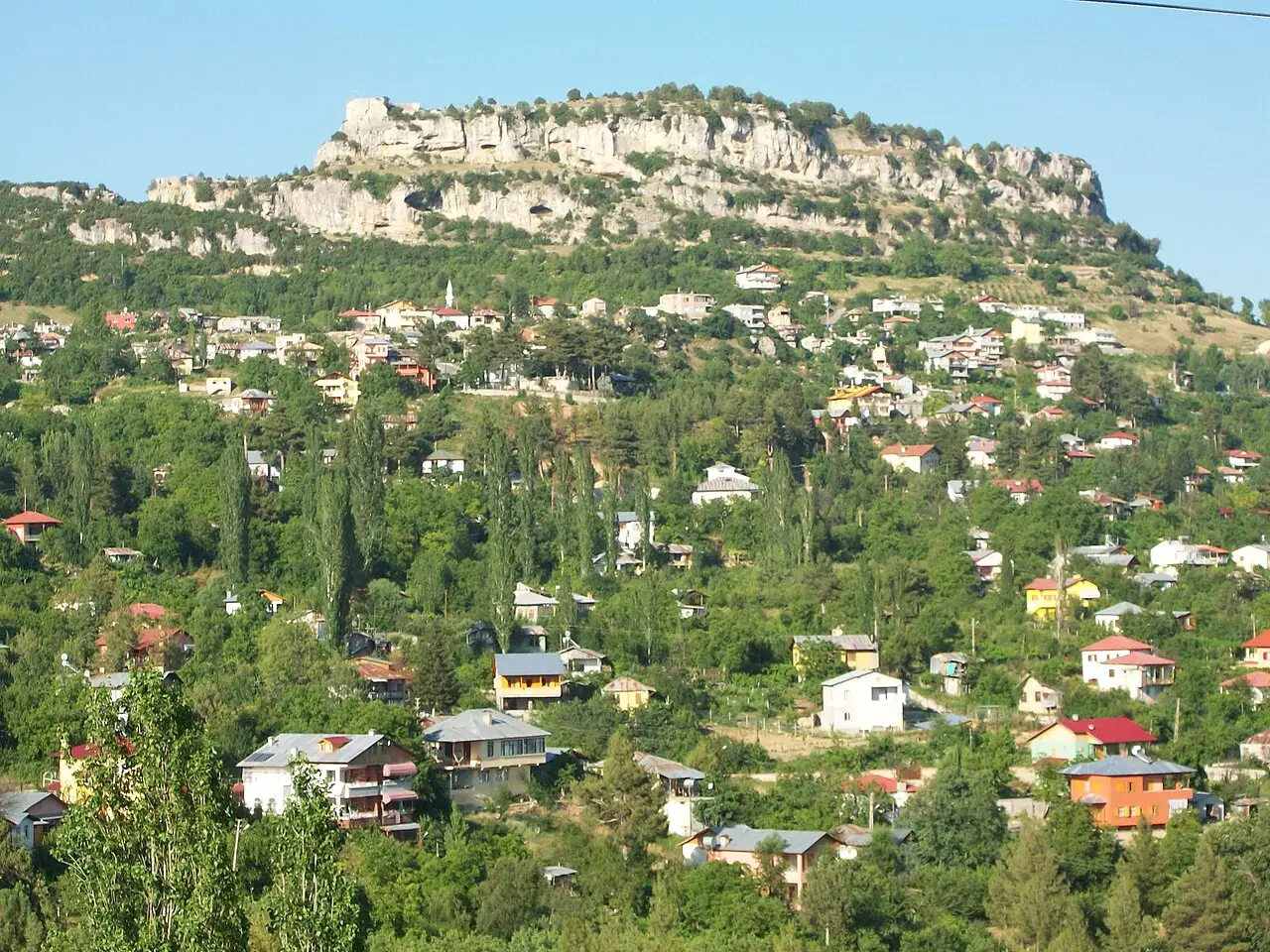 Photo: Zizod at Turkish Wikipedia (CC BY 2.5) · Source
 8 places to visit in the Çamlıyayla district of Mersin: Çamlıyayla Plateaus, Çamlıyayla Mosque and Namrun Castle. Plan your trip to Çamlıyayla with local food, practical tips and transport information.
Çamlıyayla is a district of Mersin province, also known locally as Namrun. The district became a separate district in 1990, when it was separated from Tarsus. The district covers an area of 602 km² and its elevation is 1,163 metres.
In Hittite sources the name Çamlıyayla appears as İlibru. Namrun Castle, which gave the district its name, remained in Armenian hands for a long period, from the time of the Crusaders’ arrival in the region and from the Seljuk dynasty onwards. The castle was taken and restored in 1488 by the Ottoman vizier Davut Pasha. The name of the Namrun subdistrict, attached to Tarsus district in İçel province, was changed to Çamlıyayla in 1965, and on 20 May 1990 it became a district.
The average elevation of Çamlıyayla district centre above sea level is 1,150 metres. The district is bordered by Ulukışla to the north, Tarsus to the east and south, Halkapınar to the north-west, and Mersin city centre to the west. The forests within the boundaries of Çamlıyayla contain pine, Calabrian pine, Turkish red pine, stone pine, juniper and other tree species. The Ana Juniper (Anıt Ardıç) is around 1,100 years old and is the oldest juniper in Türkiye.
In summer, the district sees activity related to plateau tourism. The district is rich in trekking, mountain and water sports.
Çamlıyayla became a district on 20 May 1990 after separating from the subdistrict attached to Tarsus. Namrun Castle was built as a defensive castle in 1045.
Last updated:
A defensive castle built on a high hill in the district centre of Çamlıyayla. It has been restored and is open to visitors.
View on mapThe second-largest historic structure in the district after Namrun Castle. A fountain to its south provides drinking water all year round.
View on mapThe mosque in the district centre was built in the traditional Anatolian architectural style. The building, which reflects local architectural character, is important both religiously and culturally. Local people keep their cultural heritage alive by holding traditional plateau festivals every summer.
View on mapPlateaus in the upper reaches of the Taurus Mountains, known for their cool summer climate and pine forests. Ideal for camping and nature walks.
View on mapA registered monumental tree, 22 metres tall and 3.5 metres in diameter, at the foot of the Bolkar Mountains, north of the Kadıncık valley.
View on mapA picnic area in Çamlıyayla, within a valley, where waterfalls and trout ponds are found.
View on mapA crater lake at an altitude of 2,500 metres in the Bolkar Mountains, within the boundaries of Çamlıyayla. There is a camping area on its shore.
View on mapA canyon near Sebil town; it is one of the suitable routes for walking (trekking).
View on mapWhile you are in Çamlıyayla, you can also see the highlights of Mersin province. These places are in other districts; Çamlıyayla is about 60 km from the provincial centre.
Finely chopped beef is fried in oil and wrapped in lavash bread. It can be tasted in its most authentic form at local markets and home-style restaurants.
A traditional dish prepared by simmering cracked wheat and meat for a long time. Prepared from recipes handed down from generation to generation, this dish is an important part of the local culinary culture. Pounding the wheat and simmering it with meat for hours is a process that requires patience.
As its name suggests, Çamlıyayla is known for its plateaus covered with pine forests. Plateau culture and the tradition of livestock farming form the basis of the district's identity.
The economy of Çamlıyayla is based on agriculture and livestock farming. The economy of Çamlıyayla is based on forestry, livestock farming and plateau tourism. Small and large livestock farming are among the important sources of livelihood. Beekeeping and forestry are also carried out in the district.
Çamlıyayla is 60 km from Mersin city centre. It lies in the high parts of the Taurus Mountains.
The 8 highlights of Çamlıyayla are: Çamlıyayla Plateaus, Çamlıyayla Mosque, Namrun Castle, Ana Juniper, Papazın Bahçesi, Sinap Castle, Çini Lake and Cehennemderesi Canyon.
Tantuni and Keşkek are the standout dishes on tables in Çamlıyayla.
Çamlıyayla is known for its Forest Products and Plateau Culture. Timber and firewood are produced thanks to the rich forest resources of Çamlıyayla.
Çamlıyayla is 60 km from Mersin city centre. It lies in the high parts of the Taurus Mountains.
Suggested visit length: 1 day. Best time to visit: summer months (June–August).