Gölcük Naval Command and Naval Museum
The headquarters and museum complex of the Turkish Navy, established in 1926.
View on map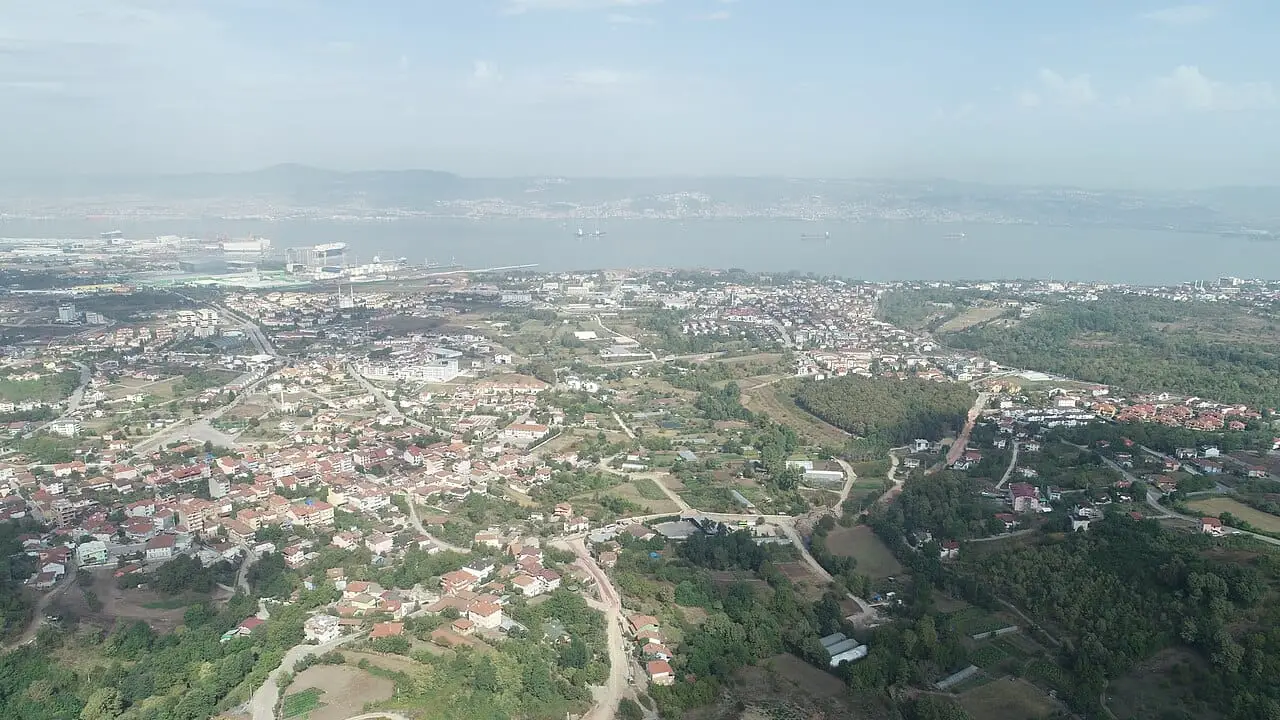 Photo: Ucandairebaskani (CC BY-SA 4.0) · Source
 4 places to visit in the Gölcük district of Kocaeli: Gölcük Naval Command and Naval Museum, Earthquake Museum and Memorial Park and Gölcük Seafront. Plan your trip to Gölcük with local food, practical tips and transport information.
Gölcük is a district of Kocaeli province, on the southern shore of the Gulf of İzmit.
The history of Gölcük is best approached through the region that included İzmit and its surroundings, which the ancient Greeks and Romans called Bithynia. In 1927, the decision to repair the battlecruiser Yavuz led to the establishment of a naval shipyard in Gölcük. On 19 August 1930, a sub-district centre and gendarmerie organisation were set up in the village of İhsaniye. On 19 July 1936, the İhsaniye sub-district was abolished and the Gölcük district was founded in its place. The earthquake centred on Gölcük on 17 August 1999 caused very heavy damage to the district.
The district is home to the Turkish Navy and its shipyard, which were founded in 1926. The presence of the Naval Command and the Gölcük Shipyard Command in the district has boosted the social, cultural and economic development of the city.
The Ministry of Naval Affairs was established in Gölcük in 1924. The tomb of a Turkish-Islamic figure said to have lived during the reign of Bayezid II, and known locally as “Sultan Baba”, is in Gölcük. Roman and Byzantine tombs are located in the village of Saraylı.
Last updated:
The headquarters and museum complex of the Turkish Navy, established in 1926.
View on mapA memorial and museum dedicated to the earthquake of 17 August 1999.
View on map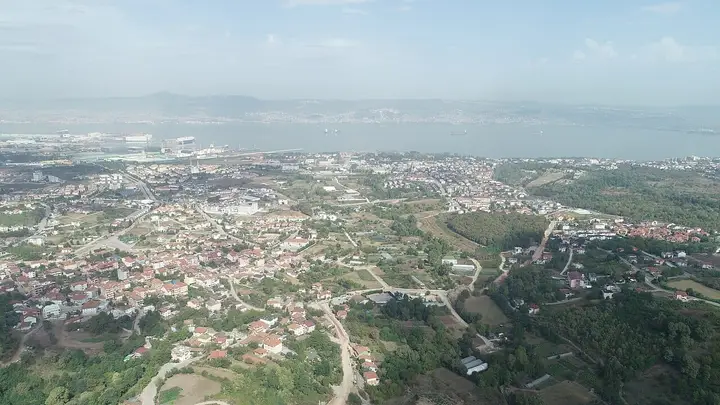 Photo: Ucandairebaskani (CC BY-SA 4.0) · Source
 A seafront strip along the shore of the Gulf of İzmit, laid out with walking routes and seating areas. It offers a place to rest with views over the gulf.
View on mapDeğirmendere, a town in Gölcük, with its seafront strip and fishing harbour, is an ideal spot for those who want to spend time by the sea.
View on mapWhile you are in Gölcük, you can also see the highlights of Kocaeli province. These places are in other districts.
Fresh fish from the Gulf of İzmit are served grilled or steamed in Gölcük's seaside restaurants.
Pişmaniye, the famous sweet of Kocaeli, is also widely produced and eaten in Gölcük.
Pide, which became widespread in Gölcük under the influence of Black Sea migrants, is known for its buttery dough and generous fillings.
This hazelnut, grown in the Değirmendere area of Gölcük for around 150 years, differs from Black Sea hazelnuts in having a green shell and a pointed or flat shape.
Gölcük is home to the main base of the Turkish Navy. This military tradition has deeply influenced the social and cultural character of the district.
Gölcük was the epicentre of the 17 August 1999 earthquake and carries the social memory of that disaster. The earthquake museum and commemorative events keep this awareness alive.
Gölcük's economy rests on the defence industry, maritime activities and services. The Naval Command is the district's largest employer. Gölcük Shipyard carries out shipbuilding and maintenance work. Seaside tourism and fishing are also sources of income.
Gölcük is 20 km from İzmit and 120 km from Istanbul. The D-100 highway passes through the district. There are regular municipal bus services to İzmit. There is a sea connection to Istanbul.
The highlights of Gölcük are 4 places: Gölcük Naval Command and Naval Museum, Earthquake Museum and Memorial Park, Gölcük Seafront and Değirmendere Seafront.
Gulf Fish, Pişmaniye and Black Sea Pide are the standout flavours on Gölcük's tables.
Gölcük is known for its Seafood and its Naval Tradition. Fresh fish and seafood from the Gulf of İzmit are Gölcük's most important local products.
Gölcük is 20 km from İzmit and 120 km from Istanbul. The D-100 highway passes through the district. There are regular municipal bus services to İzmit. There is a sea connection to Istanbul.
Suggested visit length: 1 day. Best time to visit: spring and summer (May to September).