Pazar Castle
Castle remains on the hill east of the district centre, dating to the Byzantine period and notable for its strategic position. From the castle, the wide view of the Kelkit Valley can be seen.
View on map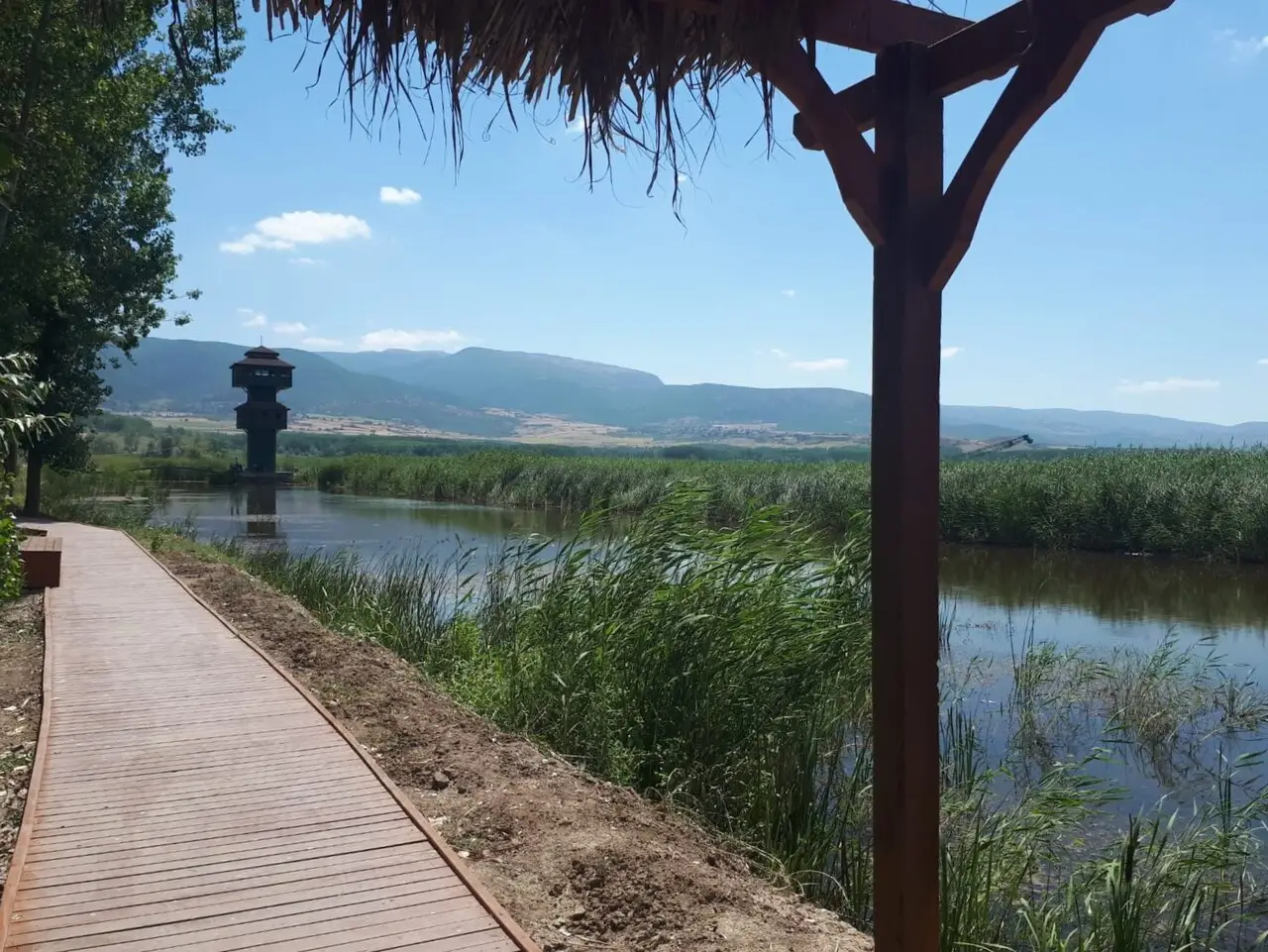 Photo: Yahya Emir Kaya (CC BY-SA 4.0) · Source
 8 places to visit in the Pazar district of Tokat: Ballıca Cave, Pazar Castle and Çamiçi Plateau. Plan your trip to Pazar with local food, practical tips and transport information.
In antiquity the Kazova area lay on the King’s Road and was known as Dazimonitis. The region came under Seljuk rule in 1073, changed hands among various beyliks, and came under Ottoman rule in 1399. Pazar became a district on 4 July 1987.
To the south of the district lies a range of mountains running east–west, while the Yeşilırmak river and the Kazova plain lie to the north. A large part of the district’s land is irrigated by the Yeşilırmak.
The district has around ten artificial mounds within its boundaries, of which Endiz Mound on the eastern side dates to the Hellenistic period. On the eastern exit of Pazar stands a caravanserai built in 1238 by Mahperi Hatun. The Halil Bey Mosque in the district centre was built in 1334 during the reign of the Ilkhanid ruler Abu Said Bahadur Khan. Ballıca Cave, estimated to be about 3.4 million years old, holds a special place among its kind in the world for its size and geological features.
Pazar became a district by law on 4 July 1987. It came under Seljuk rule in 1073 and passed to the Ottomans in 1399. Previously a nahiye (subdistrict) centre attached to Turhal, Pazar gained municipal status in 1956.
Last updated:
Castle remains on the hill east of the district centre, dating to the Byzantine period and notable for its strategic position. From the castle, the wide view of the Kelkit Valley can be seen.
View on mapA Seljuk caravanserai at kilometre 29 of the Tokat–Pazar road, about 1 km from Pazar. Restored in 1999.
View on mapThe 1334 mosque in the district centre, commonly known locally as the Cuma Mosque.
View on mapThe cave, 7 km south of the district centre, is estimated to be about 3.4 million years old and holds a special place among its kind worldwide.
View on mapA plateau at 1,500 metres altitude, surrounded by pine forests. Its cool summer climate and natural beauty make it popular for camping and nature walks.
View on mapA wetland where migratory birds stop. It has bird-watching towers and a visitor house.
View on mapWhile you are in Pazar, you can also see the highlights of Tokat province. These places are in other districts; Pazar is about 42 km from the provincial centre.
A traditional dish made by simmering cracked wheat and lamb for a long time. In Pazar it is indispensable at weddings and festival tables.
A dish made by frying the wild madımak herb, which grows naturally in the area, with onion and oil. It is a traditional taste of the spring months.
Ballıca Cave, on the UNESCO World Heritage Tentative List, attracts thousands of visitors a year. Events and nature tours organised around the cave bring vitality to the district's cultural life.
Pazar's economy consists of farming, livestock and tourism. Ballıca Cave's place on the UNESCO list has increased tourism revenue. Wheat, barley and fodder crops are the main crops. Beekeeping and small livestock farming are also important sources of income.
Pazar is 42 km from Tokat city centre. Transport is by road, and there are regular minibus services from Tokat. Ballıca Cave is 12 km from the district centre.
The top 8 places in Pazar are: Ballıca Cave, Pazar Castle, Çamiçi Plateau, Ocaklı Waterfall, Kaz Gölü Wildlife Development Area, Endiz Mound, Mahperi Hatun Caravanserai and Halil Bey Mosque.
Keşkek and Madımak Yemeği are the standout dishes on Pazar's tables.
Pazar is known for its honey and the cultural tourism of Ballıca Cave. Flower honey gathered from Pazar's plateaus is known in the region for its natural, unadulterated quality. Beekeeping is one of the district's main livelihoods.
Pazar is 42 km from Tokat city centre. Transport is by road, and there are regular minibus services from Tokat. Ballıca Cave is 12 km from the district centre.
Suggested visit length: 1 day. Best time to visit: spring and summer (May–September).