Introduction
Zile lies 66 km from Tokat city centre and is one of the oldest settlement centres in Anatolia.
History
Settlement in Zile dates back to the Late Chalcolithic Age (5000–4000 BC) and passed in turn under the Hittites, Kaska, Phrygians, Cimmerians, Scythians, Assyrians, Medes, Persians, Alexander the Great, Pontus, the Romans and the Byzantines. Shortly after 1071 it came under Turkish rule. In the Hittite period the town was called Anzilia (Uru An-zi-li-ya), and the foundation of the settlement is dated to this period. Strabo wrote that the settlement, known in antiquity as Zela, was founded by the Assyrian queen Semiramis, and he named the surrounding region Zelitis. In the 4th century BC there was a temple to the Persian goddess of fertility Anaitis (Anahita). Dânişmend Gazi, on his advance, captured many places including Zile and founded the Danishmendid Principality in 1080. When the Danishmendids fell in 1175, Zile came under the rule of the Anatolian Seljuk State. In 1399 Zile was incorporated into Ottoman territory by Yıldırım Bayezid.
Ottoman Period
Evliya Çelebi, who visited the settlement in 1650, noted that rugs and kilims were called zili in Turkish, and that the town was named Zile because a great deal of rug and kilim weaving was done there.
History and Culture
In the Hittite period the town was called Anzilia, and the foundation of the settlement is dated to this period. Zile was a district centre of the Tokat Sanjak in the Sivas province. In the 19th century Charles Texier recorded a fair held once a year at the end of the cotton harvest. Evliya Çelebi called the settlement Zeyli in his Seyahatname. Three periods, the Early Bronze Age, the Hittite Age and the Phrygian Age, are represented at Maşat Höyük. Zile City Museum opened to visitors in 2022.
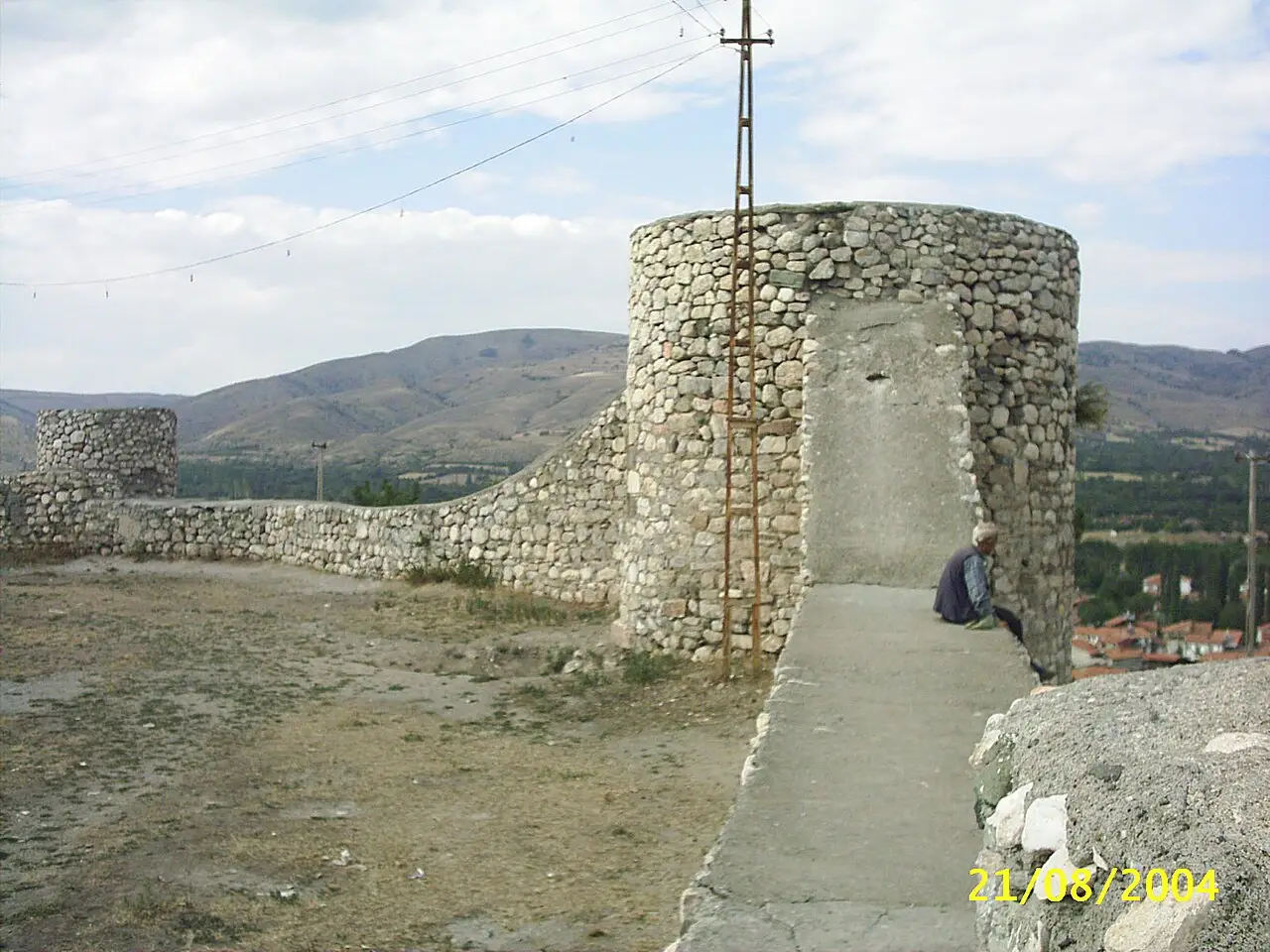
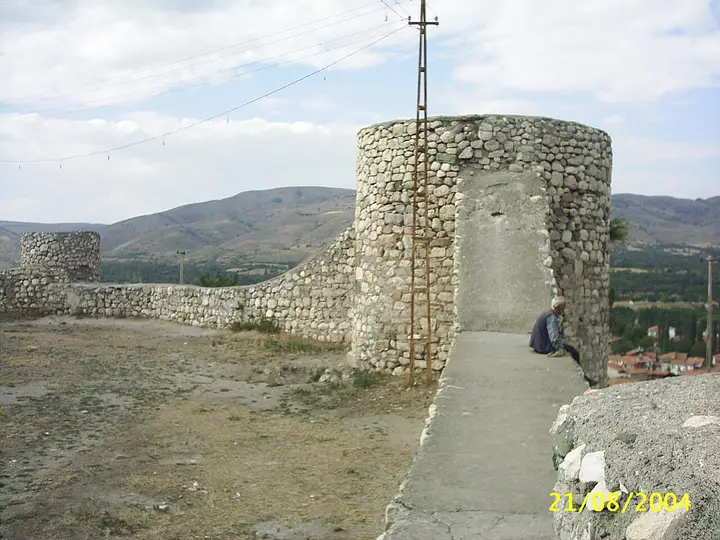 Photo: ahmet bzt (CC BY 3.0) · Source