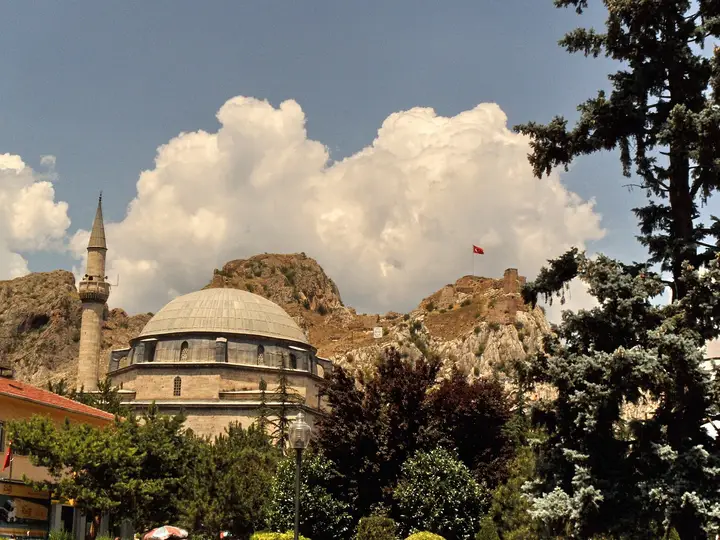
 Photo: Korkut Taş (CC BY-SA 3.0) · Source
 Tokat Castle
The oldest traces of the castle date from the 5th–6th centuries; the rocky outcrops serve as a natural fortress, while the walls and chambers are man-made.
View on map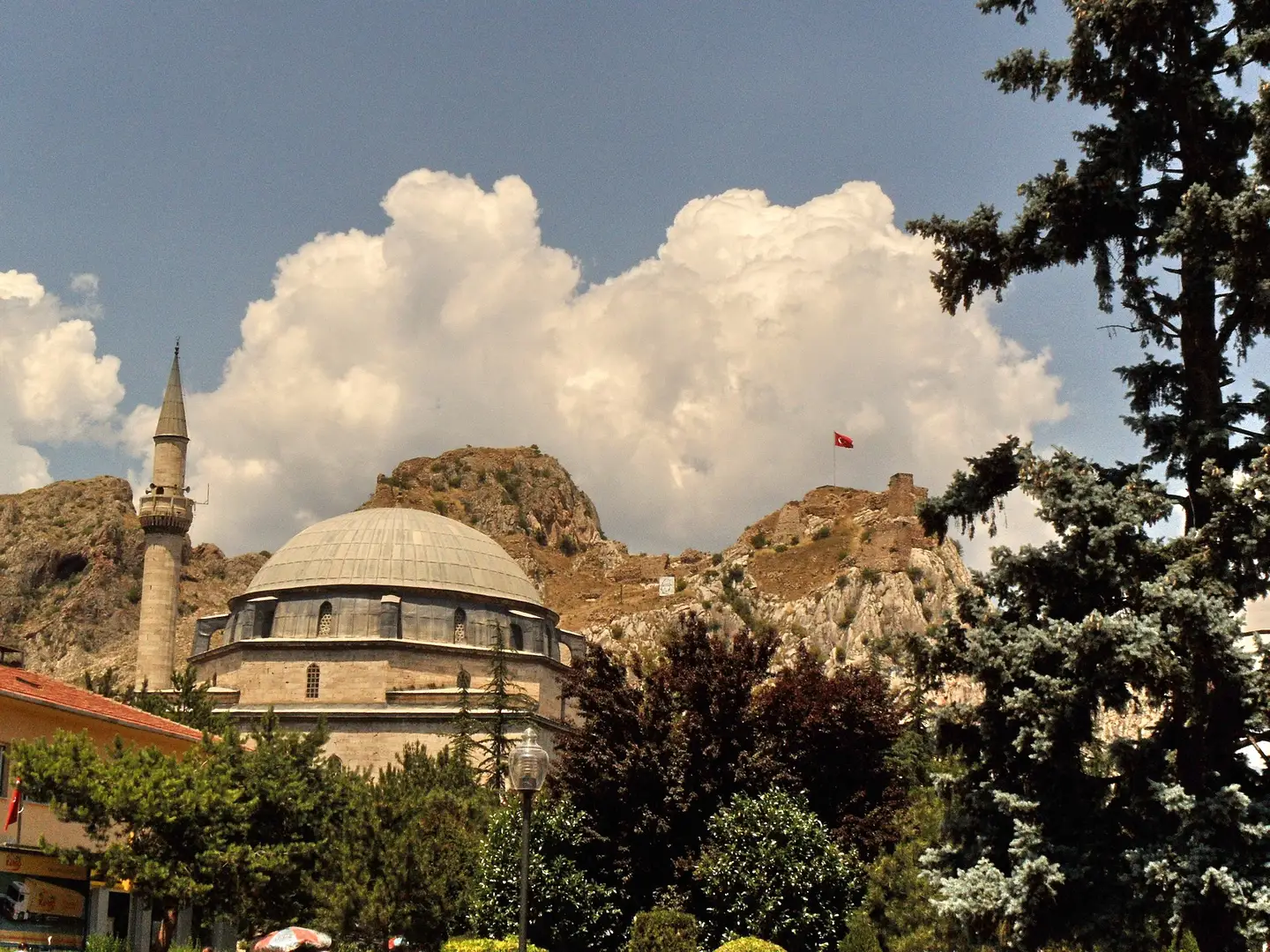 Photo: Korkut Taş (CC BY-SA 3.0) · Source
 Tokat is a province in the Yeşilırmak valley, built at the foot of a rocky hill and rich in Anatolian Seljuk, Danishmendid and Ottoman heritage. Its highlights are the Gök Madrasa (1277), Ali Paşa Mosque (1572), Taşhan, Sulusokak and Ballıca Cave, counted among the great caves of the world. Tokat kebabı, Tokat yazması (hand-printed cloth), Zile pekmez, Niksar walnuts and Erbaa katmer are registered.
Last updated:
10 places worth seeing in Tokat, from historic monuments to natural wonders, grouped by type. Open any of them on the map with a single click.
Photo: Korkut Taş (CC BY-SA 3.0) · Source The oldest traces of the castle date from the 5th–6th centuries; the rocky outcrops serve as a natural fortress, while the walls and chambers are man-made.
View on map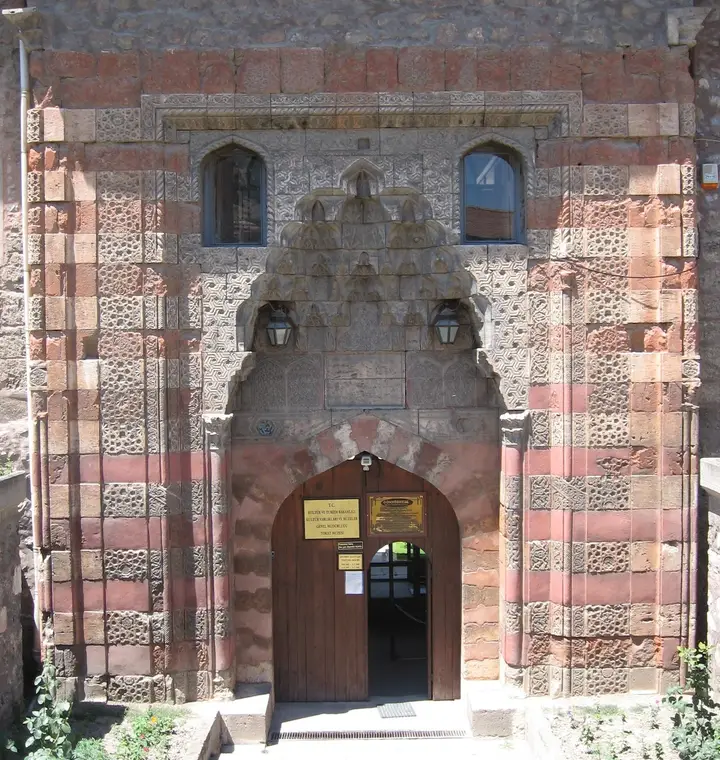
An Anatolian Seljuk madrasa built in 1277 on two storeys. It housed Tokat Museum from 1926 to 2012 and was restored between 2021 and 2023.
View on map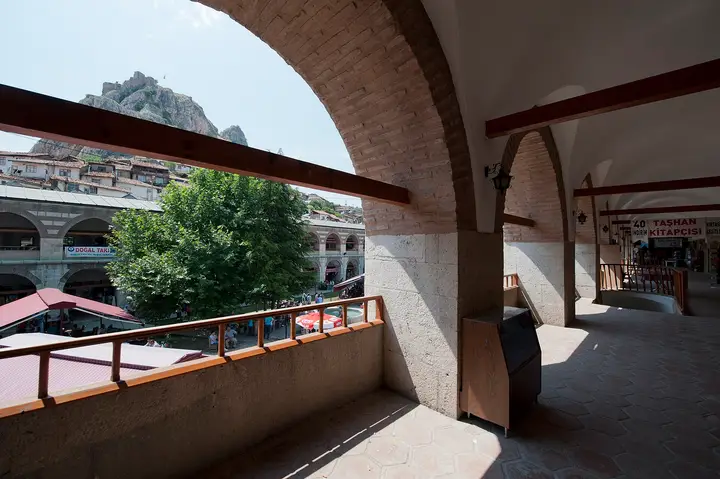 Photo: Dosseman (CC BY-SA 4.0) · Source
 An Ottoman caravanserai built in the 17th century of cut stone and brick, with two storeys and an open courtyard.
View on map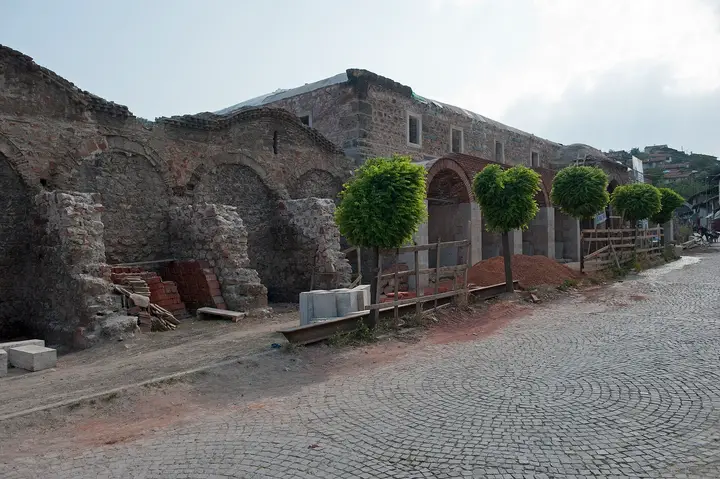 Photo: Dosseman (CC BY-SA 4.0) · Source
 The street that forms the old city centre and bazaar, home to historic buildings such as the Arasta, Deveciler Caravanserai and Çukur Madrasa.
View on mapA wooden building constructed in 1638 and renovated under Sultan Abdülmecit; it is an important Anatolian example of 19th-century Baroque art and is now a museum.
View on mapA castle on a mound in the centre of Zile, overlooking the Zile Plain; it is thought to have been built in the 1st century AD, and the minaret on its bastion dates from 1336.
View on mapAn ancient Pontic city on the bank of the Yeşilırmak, in the village of Gümenek in the central district; it was a great temple city where the Moon Goddess was worshipped.
View on map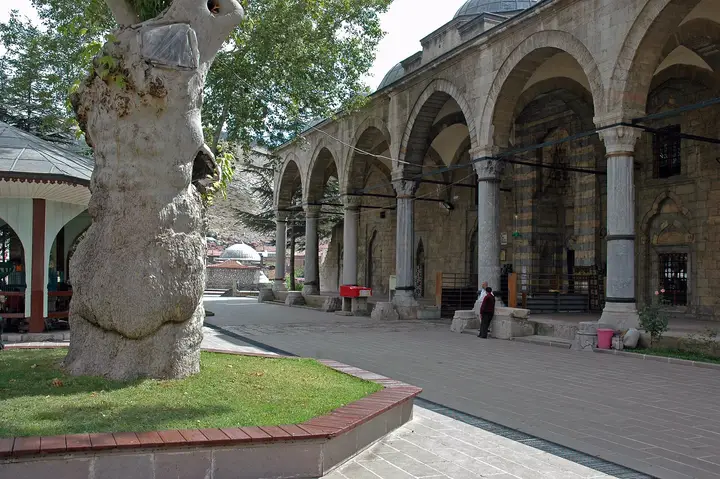 Photo: Dosseman (CC BY-SA 4.0) · Source
 A mosque on the city square, built in 1572 in the reign of Selim II; it is known for the centuries-old tree in front of it.
View on mapA museum with archaeological and ethnographic collections, displaying 36,253 items as of 2007.
View on map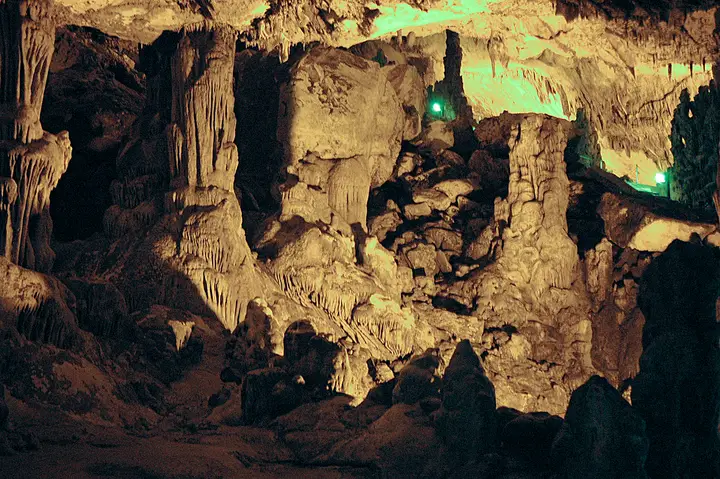 Photo: Dosseman (CC BY-SA 4.0) · Source
 A cave 33 km from Tokat city centre, about 680 metres long, with 5 levels and 9 halls. It has been open to visitors since 1995, and the temperature inside is 17–24 °C all year round.
View on mapTokat lies in the interior of the Black Sea Region, in the Yeşilırmak valley, at the foot of the rocky outcrops of Tokat Castle. Known in antiquity as Comana Pontica (Komana), the city was an important religious and commercial centre in the time of the Kingdom of Pontus; the ruins of Komana lie on the bank of the Yeşilırmak, in the village of Gümenek in the central district. In the Seljuk period it was also known as Dar Ün-Nusret, and in the Mongol period as Sobaru.
Niksar was the capital of the Danishmendid state: after Gümüştegin Ahmed Gazi conquered the region, he chose Niksar as the capital for the struggle against the Greeks on the Black Sea coast. In Tokat itself, the Gök Madrasa (1277) of the 13th century is one of the important examples of Seljuk architecture; it housed Tokat Museum from 1926 to 2012 and was restored between 2021 and 2023. The fabric of the city also includes Ali Paşa Mosque (1572, reign of Selim II), the 17th-century Taşhan and the 18th-century Mevlevi Lodge.
Sulusokak is the street that forms the old city centre and bazaar, home to historic buildings such as the Arasta, Deveciler Caravanserai and Çukur Madrasa. Tokat Ballıca Cave is a large cave 680 metres long, with 5 levels and 9 halls, 33 km from Tokat city centre.
Tokat has a transitional climate between Central Anatolia and the Black Sea: summers are hot and dry, winters cold and snowy. Averages for 1929–2025 from the Turkish State Meteorological Service:
| Month | Avg. high | Avg. low | Rainfall | Rainy days |
|---|---|---|---|---|
| January | 6.3 °C | −1.5 °C | 43 mm | 11 |
| February | 8.5 °C | −0.5 °C | 34 mm | 10 |
| March | 13.2 °C | 2.5 °C | 43 mm | 12 |
| April | 19.2 °C | 6.7 °C | 53 mm | 12 |
| May | 23.6 °C | 10.2 °C | 59 mm | 13 |
| June | 27.0 °C | 13.3 °C | 41 mm | 9 |
| July | 29.3 °C | 15.6 °C | 12 mm | 3 |
| August | 30.0 °C | 15.9 °C | 9 mm | 2 |
| September | 26.7 °C | 12.4 °C | 20 mm | 5 |
| October | 20.8 °C | 8.3 °C | 36 mm | 8 |
| November | 13.8 °C | 3.5 °C | 42 mm | 9 |
| December | 8.1 °C | 0.5 °C | 44 mm | 11 |
The best periods are April to June and September to October. The temperature in Ballıca Cave is 17–24 °C all year round.
By air: Tokat Airport opened in 1995; construction of a new airport began in 2018, and it reopened on 25 March 2022.
By road: Tokat is linked by road to Sivas, Amasya, Samsun and Yozgat. Zile is 67 km from the provincial centre, and Turhal 46 km.
Day 1 – Tokat centre: Tokat Castle, the Gök Madrasa, Ali Paşa Mosque, Taşhan and Sulusokak; Tokat kebabı in the evening.
Day 2 – Ballıca and Niksar: Ballıca Cave; in the afternoon, Niksar and its Danishmendid heritage.
Day 3 – Zile: Zile Castle, pekmez and köme.
Tokat cuisine is known for its kebab. Tokat kebabı is a local dish cooked on kebap pide with fresh lamb, tail fat, aubergine, tomato, pepper, potato and onion. The registered delicacies are Tokat kebabı, Tokat bez sucuğu (cloth-wrapped sausage), Tokat çöreği, Tokat ekmeği (Tokat bread), Tokat yağlısı (a meat-topped flatbread), Tokat honçası (a local pastry), Erbaa katmeri, Zile kömesi, Zile pekmezi, Turhal yoğurtmacı, Tokat üzüm tarhanası (Tokat grape tarhana) and Reşadiye kırmızı pezik turşusu (Reşadiye red pezik pickle). The registered products are Niksar cevizi (Niksar walnuts), Erbaa Narince bağ yaprağı (Erbaa Narince vine leaves), Tokat Narince salamura asma yaprağı (Tokat Narince brined vine leaves) and Tokat Karayaka kuzu eti (Tokat Karayaka lamb).
Tokat yazması (hand-printed cloth) and the elmalı yazma (findi) are known for their local patterns. Tokat Dive dokuması (Dive weaving), Tokat Kızık kilimi (Kızık kilim), Tokat aynalı çarık (mirrored leather sandals), Tokat bileziği (mengil kolluğu) (Tokat bracelet), Tokat perperli küpesi (Tokat earrings), Reşadiye hamam kesesi (Reşadiye hammam mitt) and Zile Beji mermeri (Zile beige marble) all have registered geographical indications.
Tokat province has 12 districts. Explore the places to visit, local dishes and transport in each one.
A kebab with a registered geographical indication, made with lamb and vegetables and served on kebap pide.
A sausage with a registered geographical indication.
A çörek (bun) with a registered geographical indication.
A katmer (layered pastry) with a registered geographical indication.
Köme (a pastry) with a registered geographical indication.
A yoghurt-based dish with a registered geographical indication.
The main stops are Tokat Castle, the Gök Madrasa, Ali Paşa Mosque, Taşhan, Sulusokak, the Mevlevi Lodge, Ballıca Cave, Niksar and Zile.
Tokat kebabı, yazması (hand-printed cloth), Zile pekmez, Niksar walnuts and Erbaa katmer.
It is 33 km from Tokat city centre and 8 km from the district of Pazar; it has been open to visitors since 1995.
It was built in 1277 as a two-storey Anatolian Seljuk madrasa.
April to June and September to October are the best periods.
The information in this guide has been compiled from and checked against the sources below (last checked: 8 October 2026). If you spot an error, please let us know.