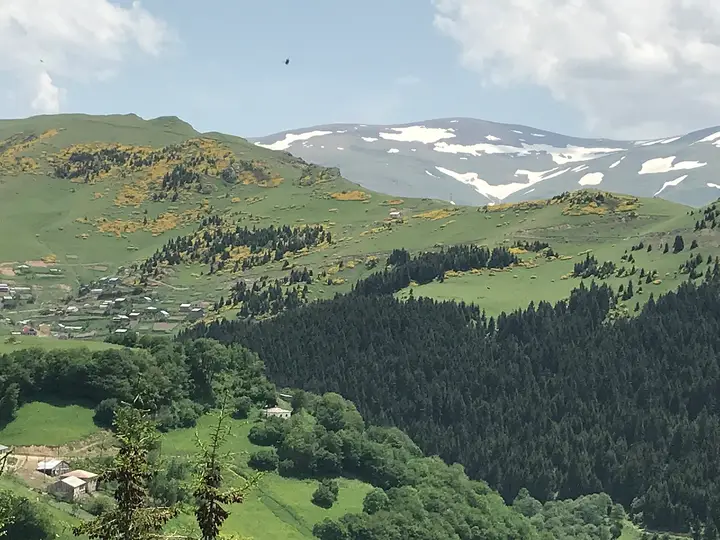
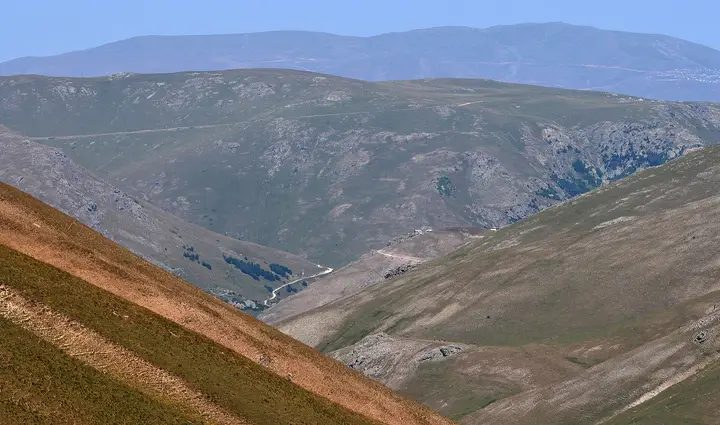
Giresun is the capital of hazelnuts, known for Giresun Island, one of the two Black Sea islands belonging to Türkiye and the island of the Amazon legend; the Aksu Festival, celebrated every 20 May; a Hellenistic castle; the 19th-century mansions of the hazelnut merchants in Zeytinlik; the Kümbet and Bektaş highland pastures; the travertine Kuzalan Blue Lake; and Şebinkarahisar Castle on its basalt rock. Giresun tombul hazelnuts and Görele ice cream are registered products.

Share with friends

Last updated:

Places to Visit in Giresun

11 places worth seeing in Giresun, from historic monuments to natural wonders, grouped by type. Open any of them on the map with a single click.

  • 5 Historic
  • 1 Religious
  • 1 Museum
  • 4 Nature

Historic Sites 5

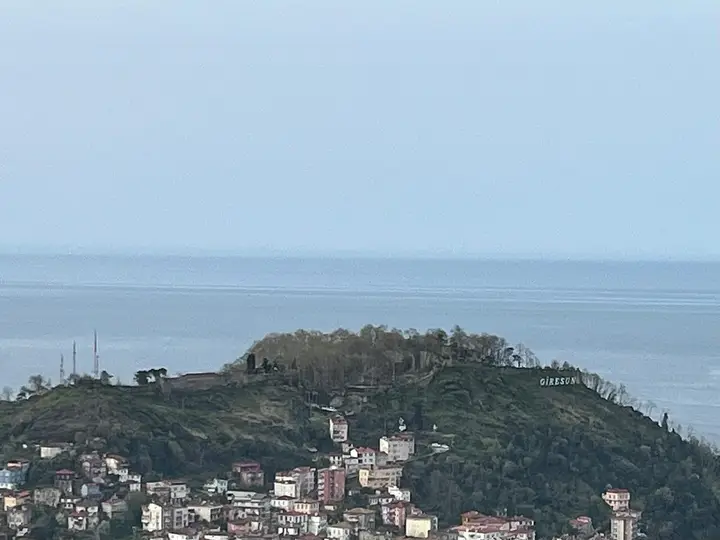
Giresun Castle Photo: Beyoglou (CC BY-SA 4.0) · Source
Historic

Giresun Castle

A castle on the top of the peninsula north of the city, probably built in the time of Pharnaces I, King of Pontus (2nd century BC); its central tower and southern walls still stand. The area around it is now Kale Park (Castle Park) and is the best viewpoint in the city.

View on map
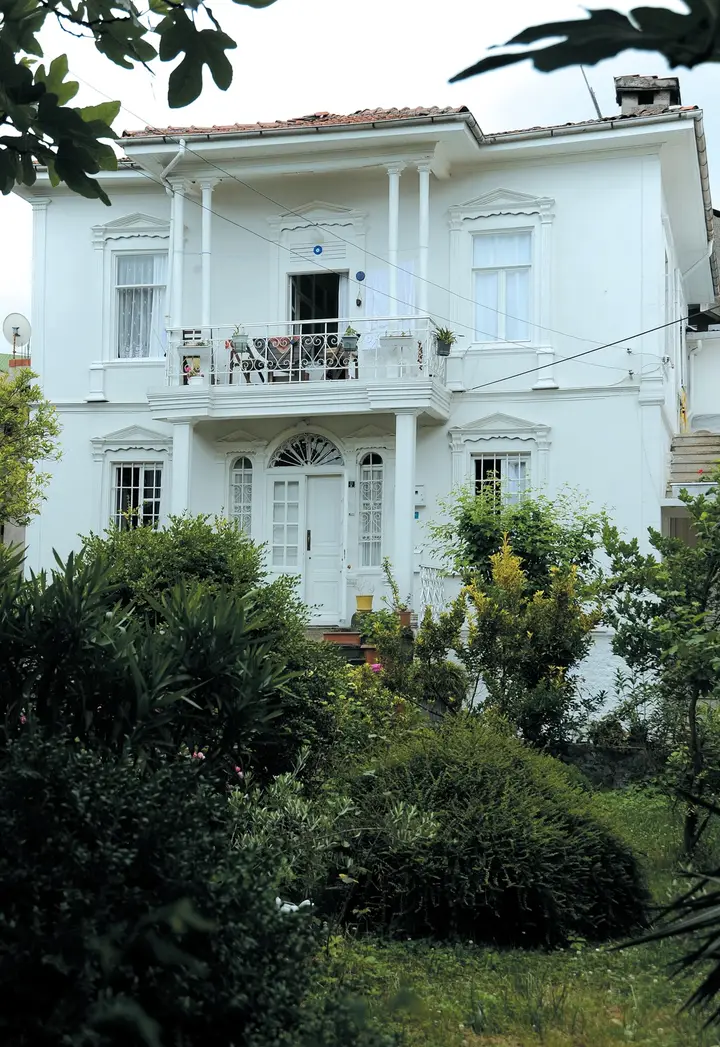
A mansion in the Zeytinlik neighbourhood Photo: Girtab2828 (CC BY-SA 4.0) · Source
Historic

Zeytinlik

A historic neighbourhood at the foot of the castle with mansions built in the mid-19th century by merchants selling hazelnuts to Europe, using materials brought from Europe; the houses are placed so as not to block one another's light or views.

View on map
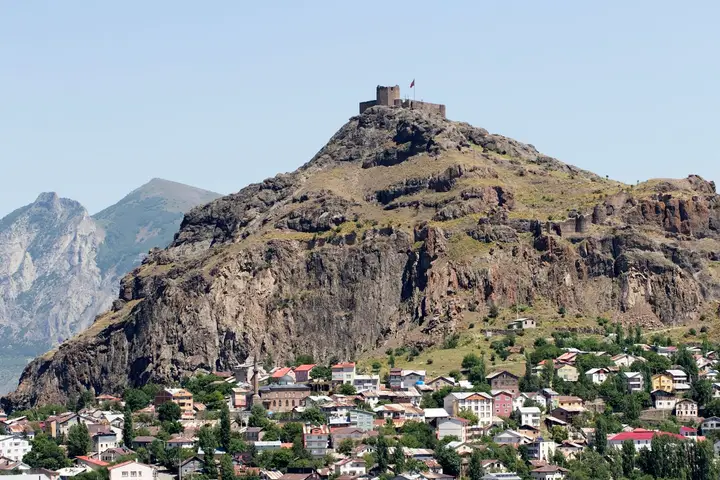
Şebinkarahisar Castle Photo: Zeynel Cebeci (CC BY-SA 4.0) · Source
Historic

Şebinkarahisar Castle

A castle with an inner and an outer fortress on the basalt rock (Hacıkayası) above the district centre; it is known to have been repaired in 1184 by the Mengujekid ruler Fahreddin Behramşah. Its rock-cut stairs and cisterns are impressive.

View on map
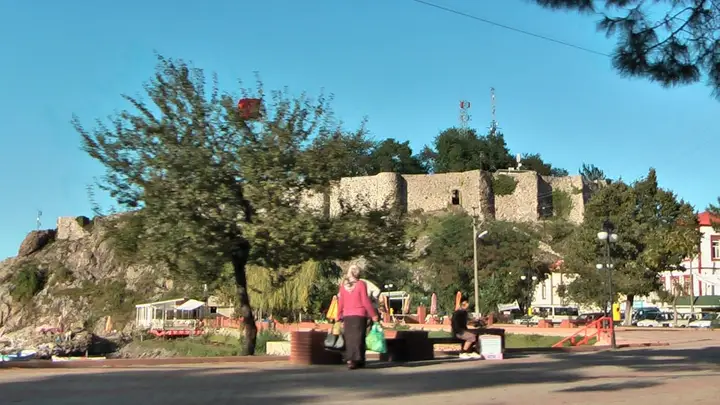
Tirebolu Castle Photo: Elelicht (CC BY-SA 3.0) · Source
Historic

Tirebolu Castle

The Sen Jan (St John) castle on a rock jutting into the sea in the centre of Tirebolu; the town's ancient name is Tripolis. It contains Ottoman-period remains and a cannon.

View on map
Church ruins in the village of Çakrak Photo: Zeynel Cebeci (CC BY-SA 4.0) · Source
Historic

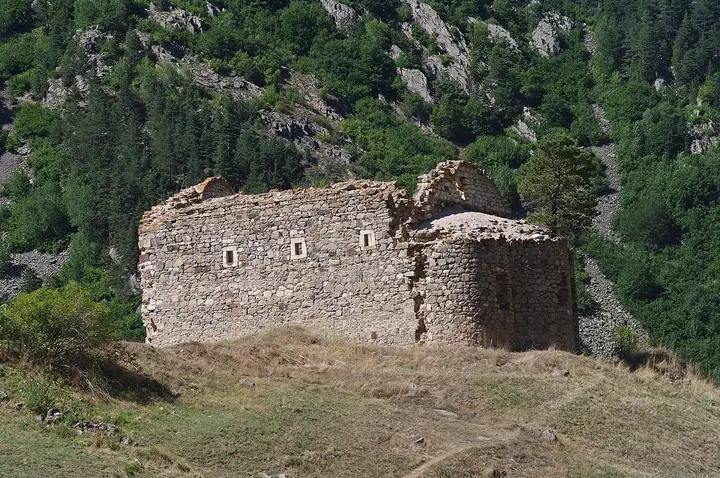
Çakrak Church (Alucra)

The ruins of a stone church on a wooded slope in the village of Çakrak in Alucra.

View on map

Religious Buildings 1

Religious

Seyyid Vakkas Tomb

A tomb and mosque in the centre of Giresun built in the name of Seyyid Vakkas, believed to have taken part in the conquest of the city; it is one of the spiritual places most visited by local people.

View on map

Museums 1

Giresun Museum Photo: Hüsamettin Alpaslan (CC BY-SA 4.0) · Source
Museum

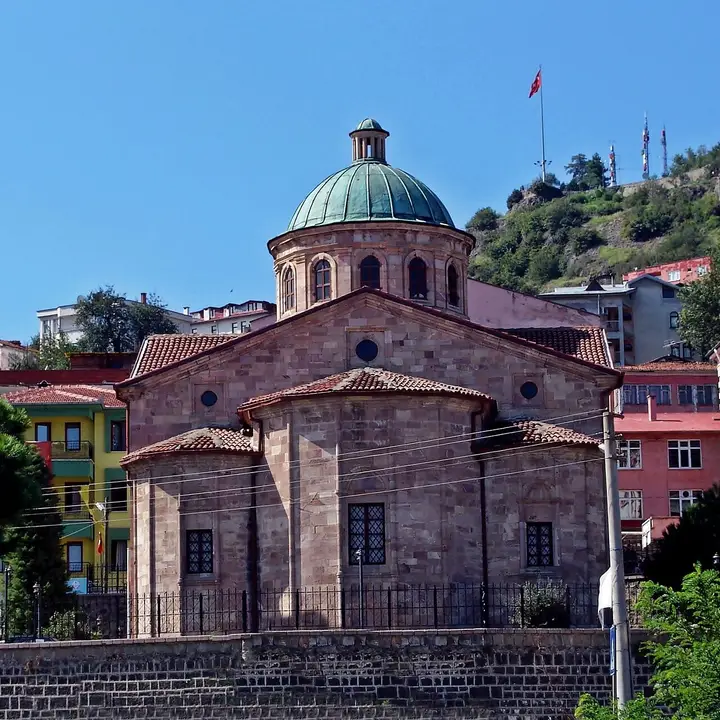
Giresun Museum (Gogora Church)

A basilica in Zeytinlik built in the mid-18th century by the Greek Orthodox community; it was used as a prison between 1948 and 1967 and has been an archaeology and ethnography museum since 1988.

View on map

Natural Wonders 4

Giresun Island from the air Photo: Girtab2828 (CC BY-SA 4.0) · Source
Nature

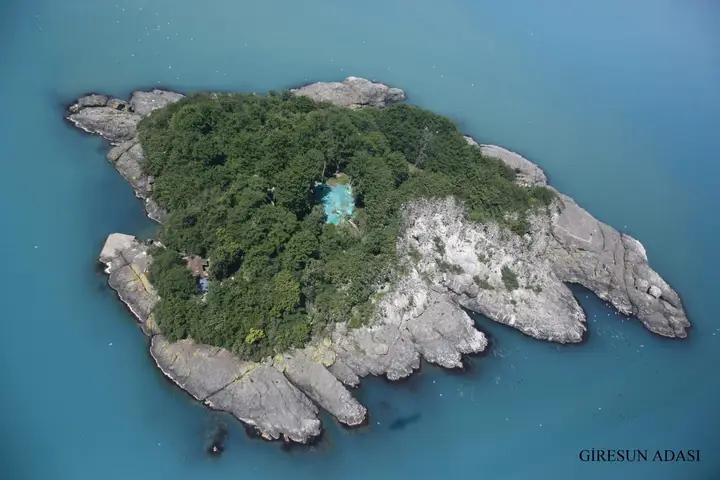
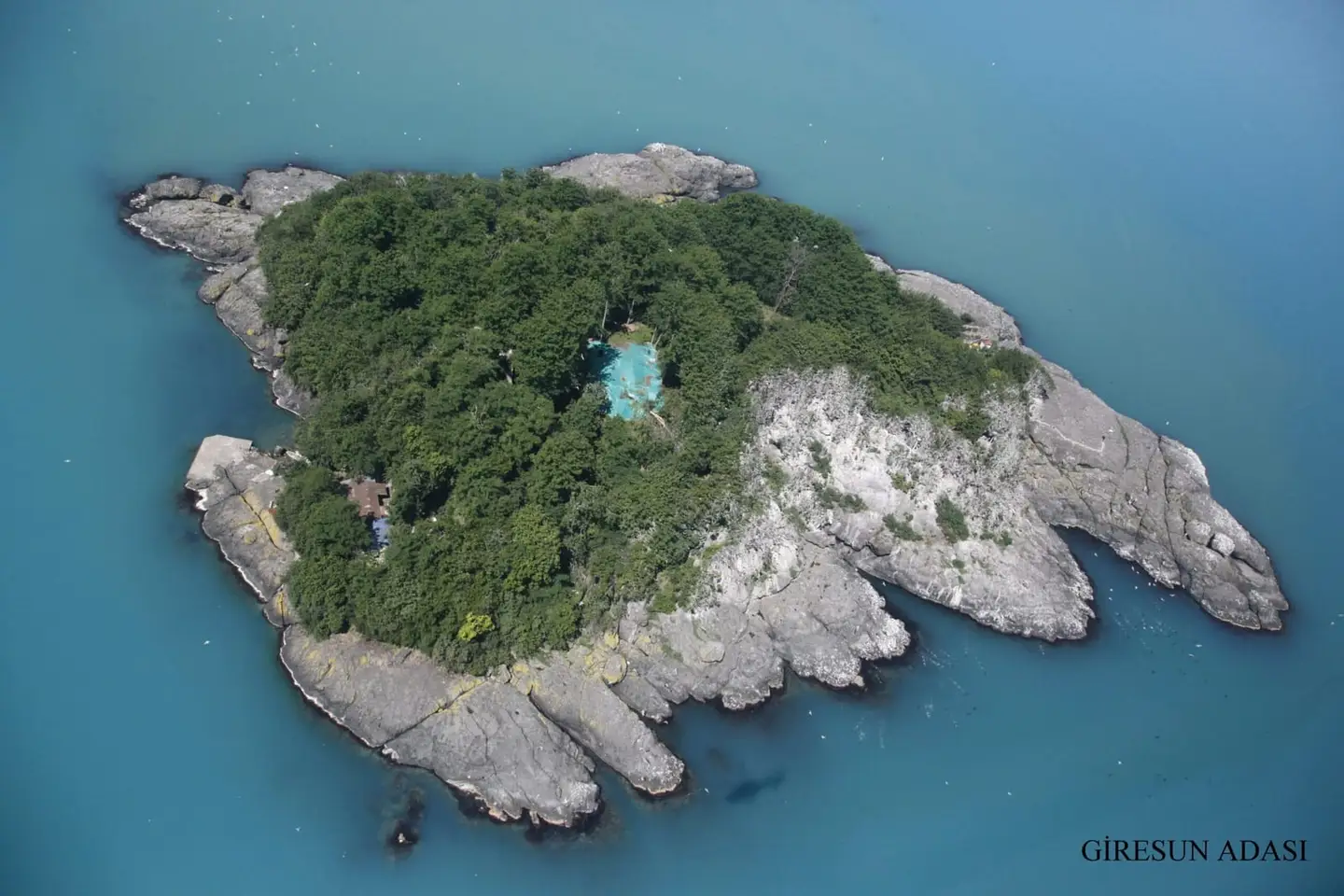
Giresun Island

An island of 40,000 m², about 1.6 km off the coast; together with Kefken Island it is one of the two islands in the Black Sea belonging to Türkiye. In ancient sources it appears as the island of Aretias, home of the Amazons and a temple of Ares; with its laurel trees and colonies of cormorants and gulls it is a natural protected site. In summer it is reached by boat.

View on map
Kuzalan Waterfall Photo: Zeynel Cebeci (CC BY-SA 4.0) · Source
Nature

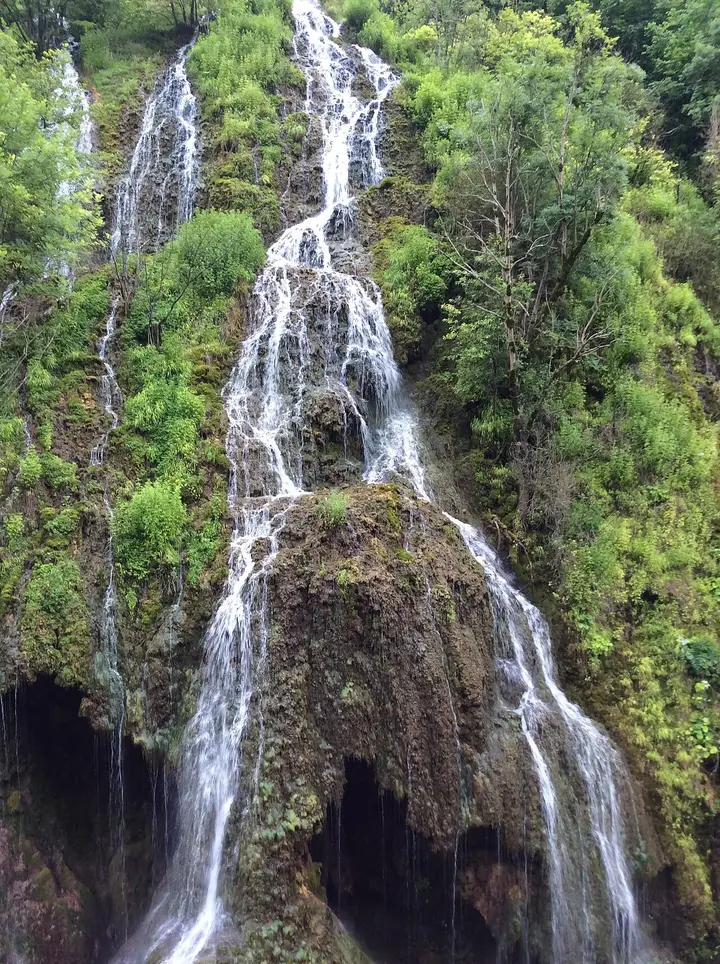
Kuzalan Nature Park and Blue Lake

An area at Dereli, 45 km from Giresun, declared a nature park in 2013; its five turquoise lakes with travertine steps formed by the Göksu Stream, the largest 30 metres across, recall Pamukkale. The nearby Kuzalan Waterfall is also part of the park.

View on map
Kümbet Plateau Photo: Zeynel Cebeci (CC BY-SA 4.0) · Source
Nature

Kümbet Plateau

A highland pasture at Dereli, 52 km south of Giresun, at an altitude of 1,640 metres; together with the surrounding summer settlements (oba) it is known for camping, hiking and highland festivals. There are accommodation facilities.

View on map
Around the Bektaş Plateau Photo: Zeynel Cebeci (CC BY-SA 4.0) · Source
Nature

Bektaş Plateau

At Dereli, at an altitude of 2,100 metres, one of the busiest highland pastures of the Eastern Black Sea; in summer it serves as the marketplace of the surrounding villages. It is said to have taken its name from the Çepni Turkmens, in honour of the memory of Hacı Bektaş-ı Veli.

View on map

Getting to Know Giresun

Giresun lies at the western end of the Eastern Black Sea, on and around a peninsula that juts into the sea. Its name in antiquity was Kerasus (Greek Kerasounta); it is believed to have been refounded as Pharnakeia in the time of Pharnaces I, King of Pontus. According to tradition, the Roman general Lucullus took the cherry from here to Europe in the 1st century BC, and the name of the fruit in many languages (cherry, cerise, kiraz) derives from the name of the city.

Giresun Castle on the top of the peninsula dates from the Hellenistic period; in the time of the Empire of Trebizond it became a border fortress against the Turks, and it passed to the Ottomans in 1461 when Mehmed the Conqueror took Trabzon. In the 19th century, as the city grew rich on the hazelnut trade, merchants had mansions built in the Zeytinlik neighbourhood at the foot of the castle with materials brought from Europe. Giresun became a province in 1923.

Today Giresun’s name is most closely associated with hazelnuts: Türkiye meets a large share of the world’s hazelnut production, and Giresun tombul hazelnuts are regarded as one of the highest-quality varieties; they were among the first products in Türkiye to receive geographical indication registration. Tea is also grown in the eastern districts of the province. Giresun Island, about 1.6 km off the coast, is, together with Kefken Island, one of the two Black Sea islands belonging to Türkiye. Şebinkarahisar and Alucra in the south, which lie behind the Black Sea mountains, are closer to Central Anatolia in climate and culture.

When to Go

Giresun has a mild Black Sea climate with rain in every season. Averages for 1929–2025 from the Turkish State Meteorological Service:

Month Avg. high Avg. low Rainfall Rainy days
January 10.7 °C 4.8 °C 128 mm 15
February 10.7 °C 4.5 °C 101 mm 14
March 11.9 °C 5.4 °C 99 mm 16
April 15.1 °C 8.5 °C 76 mm 15
May 19.0 °C 12.8 °C 69 mm 14
June 23.6 °C 17.2 °C 77 mm 12
July 26.2 °C 19.9 °C 81 mm 11
August 26.7 °C 20.4 °C 89 mm 11
September 23.7 °C 17.4 °C 130 mm 12
October 20.0 °C 13.8 °C 163 mm 14
November 16.4 °C 10.2 °C 151 mm 13
December 13.0 °C 7.0 °C 127 mm 14

The best time to visit is June to September. The highland pastures can only be fully visited from June to September; the highland festivals at Kümbet and Bektaş are held in July–August. The Aksu Festival on 20 May and the hazelnut harvest in late August are the liveliest times in the city. Autumn is the rainiest season; the chance of rain is high in October. Winters are mild on the coast but very snowy on the highland pastures.

How to Get to Giresun

By air: Ordu-Giresun Airport lies between the Piraziz district of Giresun and the Gülyalı district of Ordu and was built on land reclaimed from the sea; opened in 2015, it is the first airport in Türkiye built on the sea. It is about 30–35 km from the centre of Giresun. Trabzon Airport is also about 130 km to the east.

By road: Giresun is on the Samsun–Ordu–Giresun–Trabzon coastal road: it is about 45 km from Ordu and about 130 km from Trabzon. Şebinkarahisar and Sivas are reached over the Eğribel Pass. There is no railway in the province.

Giresun Area by Area

  • Central district (Merkez): Giresun Castle and Kale Park, the Zeytinlik neighbourhood, Giresun Museum (Gogora Church), the Seyyid Vakkas Tomb, the coastal promenade and Giresun Island.
  • Dereli: Kuzalan Nature Park and Blue Lake, Kuzalan Waterfall, the Kümbet and Bektaş highland pastures, the Aksu valley.
  • Eastern coast (Keşap, Espiye, Tirebolu, Görele, Eynesil): Tirebolu’s castle on a rock jutting into the sea, Andoz Castle in Espiye, tea gardens and the coast; Görele ice cream.
  • Western coast (Bulancak, Piraziz): hazelnut orchards and the coast, Piraziz apples.
  • South (Şebinkarahisar, Alucra, Çamoluk): Şebinkarahisar Castle on its basalt rock, Şebinkarahisar black mulberries, Alucra kid kebab and the church ruins in the village of Çakrak.

Suggested Itineraries

Day 1 – The city centre: In the morning, look out over the Black Sea and the island from Kale Park, then visit the mansions of Zeytinlik and Giresun Museum. In the afternoon, in summer, take the boat across to Giresun Island; in the evening, a walk along the coastal road and hazelnut desserts.

Day 2 – Dereli and the highland pastures: The travertines of Kuzalan Waterfall and Blue Lake, then an overnight stay on Kümbet Plateau at 1,640 metres or Bektaş Plateau at 2,100 metres.

Day 3 – The eastern coast: From Keşap and Espiye to Tirebolu Castle; ice cream in Görele on the way back.

Alternative – Şebinkarahisar: A one-day route over the Eğribel Pass to Şebinkarahisar Castle and Alucra, leading into Central Anatolian scenery.

Giresun Cuisine

The foundation of Giresun cuisine is hazelnuts, maize, black cabbage and anchovies. The registered products are: Giresun tombul hazelnuts, Giresun sivri hazelnuts (pointed hazelnuts) and Giresun kalınkara hazelnuts (Giresun karası), Giresun hazelnut paste and Giresun fındık ezmeli kadayıf tatlısı (kadayıf with hazelnut paste), Giresun ısırganı (Giresun nettle), Görele ice cream, Çavuşlu bread, Piraziz apples, Şebinkarahisar black mulberries, Çamoluk sugar beans and Alucra kid kebab.

Local flavours include black cabbage rolls and soup, nettle soup, cornbread, anchovy pilaf, kuymak (mıhlama, a cheese and cornmeal dish), hazelnut baklava and Giresun pidesi. In the southern districts the cuisine moves closer to Central Anatolia: kid kebab in Alucra and mulberry molasses and fruit leather (pestil) in Şebinkarahisar stand out.

Traditions and Handicrafts

The Aksu Festival is a spring festival that falls on 7 May in the Rumi calendar and 20 May in the Gregorian calendar: people gather where the Aksu Stream flows into the sea, make wishes, circle Giresun Island by boat and throw pebbles into the sea. The horon and kemençe are indispensable in the coastal districts, and the drum and zurna on the highland pastures. The Tamzara weaving woven in the village of Tamzara in Şebinkarahisar is registered as a geographical indication.

Practical Tips

  • Boat services to Giresun Island run only in the summer months and when sea conditions allow; there are no permanent facilities on the island, so go prepared with water and something for shade.
  • Highland roads may close in winter because of snow; for Kümbet and Bektaş, choose the period from June to September.
  • When buying hazelnuts, ask separately about the in-shell, shelled and roasted options; the fresh crop is sold from September onwards.
  • Take a raincoat with you in every season; sudden downpours can occur even in summer.
Districts of Giresun

Giresun province has 16 districts. Explore the places to visit, local dishes and transport in each one.

What to Eat in Giresun

All dishes →
  • Giresun Fındık Ezmeli Kadayıf Tatlısı (kadayıf with hazelnut paste)

    A kadayıf dessert made with hazelnut paste, registered as a geographical indication.

  • Görele Dondurması (Görele ice cream)

    Ice cream registered as a geographical indication.

  • Alucra Oğlak Kebabı (Alucra kid kebab)

    A kid-meat kebab registered as a geographical indication.

  • Çavuşlu Ekmeği (Çavuşlu bread)

    A bread specific to the town of Çavuşlu in Görele, registered as a geographical indication.

  • Karalahana Sarması (black cabbage rolls)

    An indispensable local dish of Black Sea cuisine.

What to eat in Giresun: the full food guide

Giresun: Frequently Asked Questions

What are the best places to visit in Giresun?

The main stops are Giresun Island, Giresun Castle and Kale Park, Zeytinlik, Giresun Museum, Kuzalan Nature Park and Blue Lake, the Kümbet and Bektaş highland pastures, Tirebolu Castle and Şebinkarahisar Castle.

How do I get to Giresun Island?

In summer, when sea conditions allow, it is reached by boats leaving from Giresun harbour. The island is about 1.6 km from the coast.

When is the Aksu Festival?

It is celebrated every year on 20 May (7 May in the Rumi calendar); people make wishes and boats circle the island.

What is Giresun famous for?

Hazelnuts (above all tombul hazelnuts), hazelnut paste, hazelnut desserts, Görele ice cream, black cabbage dishes and highland pastures.

Does the word cherry come from Giresun?

According to tradition, the Roman general Lucullus took the cherry from ancient Kerasus (Giresun) to Europe, and the name of the fruit in many languages derives from this city.

When is the best time to visit Giresun?

June to September is the best time. The highland pastures are open in these months; the Aksu Festival on 20 May and the hazelnut harvest in late August are also of interest.

More from the Giresun Guide

Other Provinces in the Black Sea Region

Sources

The information in this guide has been compiled from and checked against the sources below (last checked: 7 October 2026). If you spot an error, please let us know.

  1. Vikipedi – Giresun
  2. Vikipedi – Giresun (il)
  3. Meteoroloji Genel Müdürlüğü – Giresun il istatistikleri
  4. Vikipedi – Giresun Adası
  5. Vikipedi – Aksu Deresi
  6. Vikipedi – Giresun Kalesi
  7. Vikipedi – Zeytinlik, Giresun
  8. Vikipedi – Giresun Müzesi
  9. Vikipedi – Kuzalan Tabiat Parkı
  10. Vikipedi – Kümbet Yaylası
  11. Vikipedi – Bektaş Yaylası
  12. Vikipedi – Şebinkarahisar Kalesi
  13. Vikipedi – Tirebolu Kalesi
  14. Vikipedi – Ordu-Giresun Havalimanı
  15. Vikipedi – Topal Osman
  16. TÜRKPATENT – Giresun Tombul Fındığı
  17. TÜRKPATENT – Görele Dondurması
  18. TÜRKPATENT – Giresun Fındık Ezmesi
  19. Vikipedi – Türkiye'de tescilli coğrafi işaretler listesi

Search 81 province guides and 968 district guides.