Getting to Know Karabük
Karabük lies in the interior of the Western Black Sea region, in the valley where the Araç and Soğanlı streams join to form the Filyos (Yenice) River. The present provincial centre is a young city born with the Republic’s first heavy-industry investment, the Karabük Iron and Steel Works (Kardemir): the foundation stone of the factory was laid on 3 April 1937, production began in 1939, and a small village quickly turned into an industrial city. Karabük became a province in 1995.
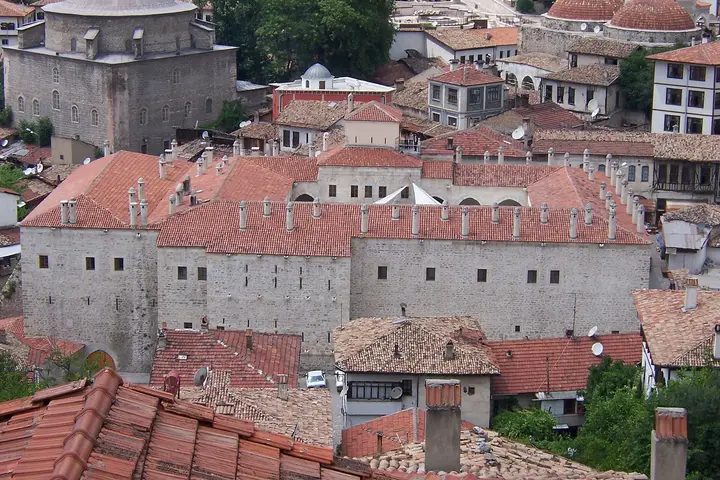
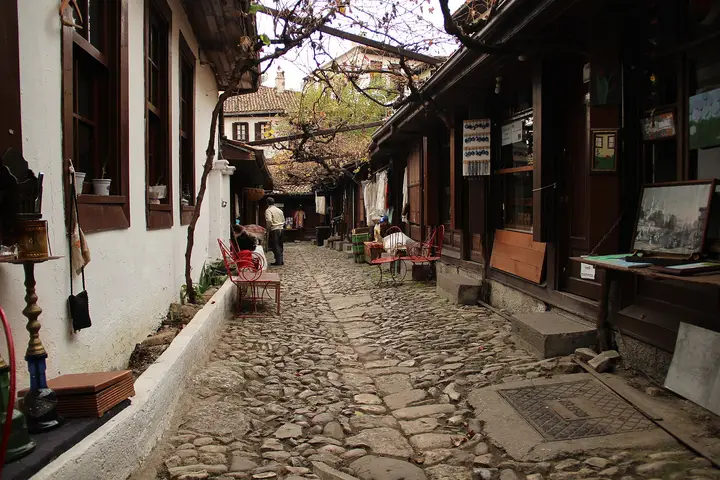
The historic and tourist heart of the province is Safranbolu, 8 km to the north. Set in the ancient region of Paphlagonia, the town was known as Dadybra in the Byzantine period and Zalifre under the Seljuks; in the 14th and 15th centuries it was a border town between the Ottomans and the Candarids. It takes its name from the saffron plant grown in the area. Safranbolu grew rich in the 17th to 19th centuries thanks to its position on the Istanbul–Sinop caravan route; people lived in the stone houses of the Çarşı in winter and in the timber mansions of the Bağlar quarter, with its gardens, in summer. Because industrialisation was concentrated in Karabük, Safranbolu’s historic fabric survived unspoilt, and on 17 December 1994 the town was added to the UNESCO World Heritage List.
The Yenice forests in the west of the province are one of Türkiye’s largest unbroken forest blocks; in the south, at the ancient city of Hadrianopolis in Eskipazar, Roman and Byzantine mosaics have been uncovered.
When to Go
Karabük has a climate in transition between the Black Sea and continental types: summers are hot, winters cool and rainy. Averages for 1965–2025 from the Turkish State Meteorological Service:
| Month |
Avg. high |
Avg. low |
Rainfall |
Rainy days |
| January |
7.8 °C |
−0.2 °C |
51 mm |
9 |
| February |
10.7 °C |
0.6 °C |
35 mm |
8 |
| March |
15.0 °C |
2.8 °C |
44 mm |
9 |
| April |
20.5 °C |
7.0 °C |
50 mm |
9 |
| May |
25.7 °C |
10.9 °C |
57 mm |
9 |
| June |
29.3 °C |
14.1 °C |
45 mm |
7 |
| July |
32.6 °C |
16.7 °C |
26 mm |
4 |
| August |
32.9 °C |
16.7 °C |
26 mm |
4 |
| September |
28.5 °C |
13.0 °C |
29 mm |
4 |
| October |
21.9 °C |
9.0 °C |
38 mm |
6 |
| November |
14.8 °C |
4.0 °C |
35 mm |
7 |
| December |
9.3 °C |
1.2 °C |
52 mm |
9 |
The best periods are April–June and September–October. Saffron blooms in late October and early November, in a short period lasting a few weeks; the time when the purple flowers are picked is worth seeing. The Yenice forests burst into colour in autumn. Safranbolu is also very photogenic under snow in winter, but night temperatures fall below zero.
How to Get to Karabük
By air: The nearest airport is Zonguldak Çaycuma Airport (about 90 km). Ankara Esenboğa Airport is about 200 km to the south.
By train: Karabük is on the Ankara–Zonguldak railway line; regional trains stop at Karabük station.
By road: It takes about 3 hours from Ankara via Gerede and Eskipazar and about 5 hours from Istanbul. Municipal buses and dolmuş minibuses run frequently from Karabük city centre to Safranbolu; most intercity buses also call directly at Safranbolu bus station.
Karabük Area by Area
- Safranbolu – Çarşı: the historic Çarşı under UNESCO protection; Cinci Han and Hammam, Yemeniciler Arasta, the İzzet Mehmet Paşa and Köprülü Mehmet Paşa mosques, Kaymakamlar House, Hıdırlık Hill and the Old Government Building (City History Museum).
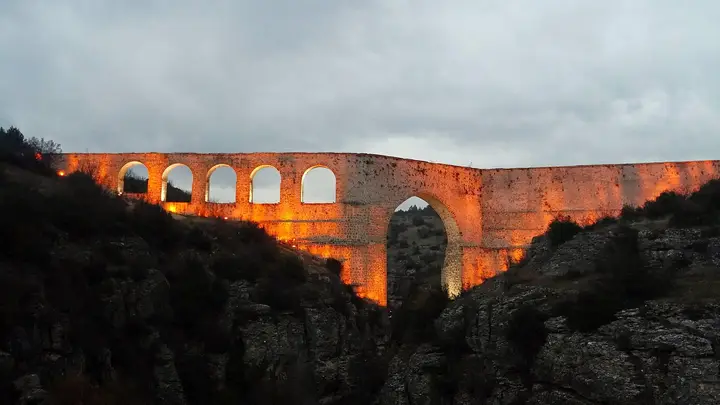
- Around Safranbolu: Tokatlı Canyon and its glass viewing terrace, the İncekaya Aqueduct, Yörük village and Konarı village with their traditional houses, and Mencilis Cave in the village of Bulak.
- Karabük city centre: Kardemir and the industrial heritage, Karabük University.
- Yenice: the Yenice forests, one of Türkiye’s largest forest blocks, Şeker Canyon and the Open-Air Forest Museum.
- Eskipazar: the ancient city of Hadrianopolis and its mosaics.
- Eflani and Ovacık: rural villages and the registered Eflani çember cloth.
Suggested Itineraries
Day 1 – Safranbolu Çarşı: In the morning, views of the houses from Hıdırlık Hill; Cinci Han, Yemeniciler Arasta and Kaymakamlar House. In the afternoon, Turkish coffee and saffron Turkish delight in a mansion; spend the night in a mansion hotel.
Day 2 – Canyon and villages: The glass terrace of Tokatlı Canyon and the İncekaya Aqueduct; then the Sipahioğlu Mansion and the laundry of Yörük village. Mencilis Cave on the way back.
Day 3 – Yenice or Hadrianopolis: A walk in the Yenice forests for nature lovers; the Hadrianopolis mosaics in Eskipazar for history lovers.
Karabük Cuisine
The best-known product of Safranbolu cuisine is Safranbolu lokumu (Safranbolu Turkish delight), enriched with saffron and hazelnuts. The products with a registered geographical indication are Safranbolu safranı (Safranbolu saffron), one of the world’s most valuable spices, Safranbolu kıtırı (Safranbolu crispy pastry), Safranbolu çavuş üzümü (Safranbolu Çavuş grapes), Safranbolu maniye domatesi (Safranbolu maniye tomatoes), Safranbolu Yazıköy sirkesi (Safranbolu Yazıköy vinegar), Eflani hindi bandırması (Eflani turkey dish) and Yenice ıhlamur balı (Yenice linden honey).
Local specialities include Safranbolu’s zerde (saffron dessert), bükme (rolled pastry), yaprak sarması (stuffed vine leaves) and etli pilav (rice with meat); the tradition of serving Turkish coffee in Safranbolu’s mansions is also famous.
Handicrafts
The traditions of leather shoe (yemeni) making, coppersmithing and blacksmithing are kept alive in Safranbolu’s Yemeniciler Arasta. Eflani çember bezi (Eflani çember cloth) is a woven cloth with a registered geographical indication; Eskipazar’s sarı traverten taşı (yellow travertine) is registered too.
Practical Tips
- Staying in a historic mansion hotel is an important part of the Safranbolu experience; book ahead for weekends.
- The streets of the Çarşı are cobbled and sloping, so wear comfortable shoes.
- Saffron is an expensive spice; buy it from reliable shops, in certified packaging.
- Go to the glass terrace of Tokatlı Canyon at sunset; the İncekaya Aqueduct can also be seen from the same valley.
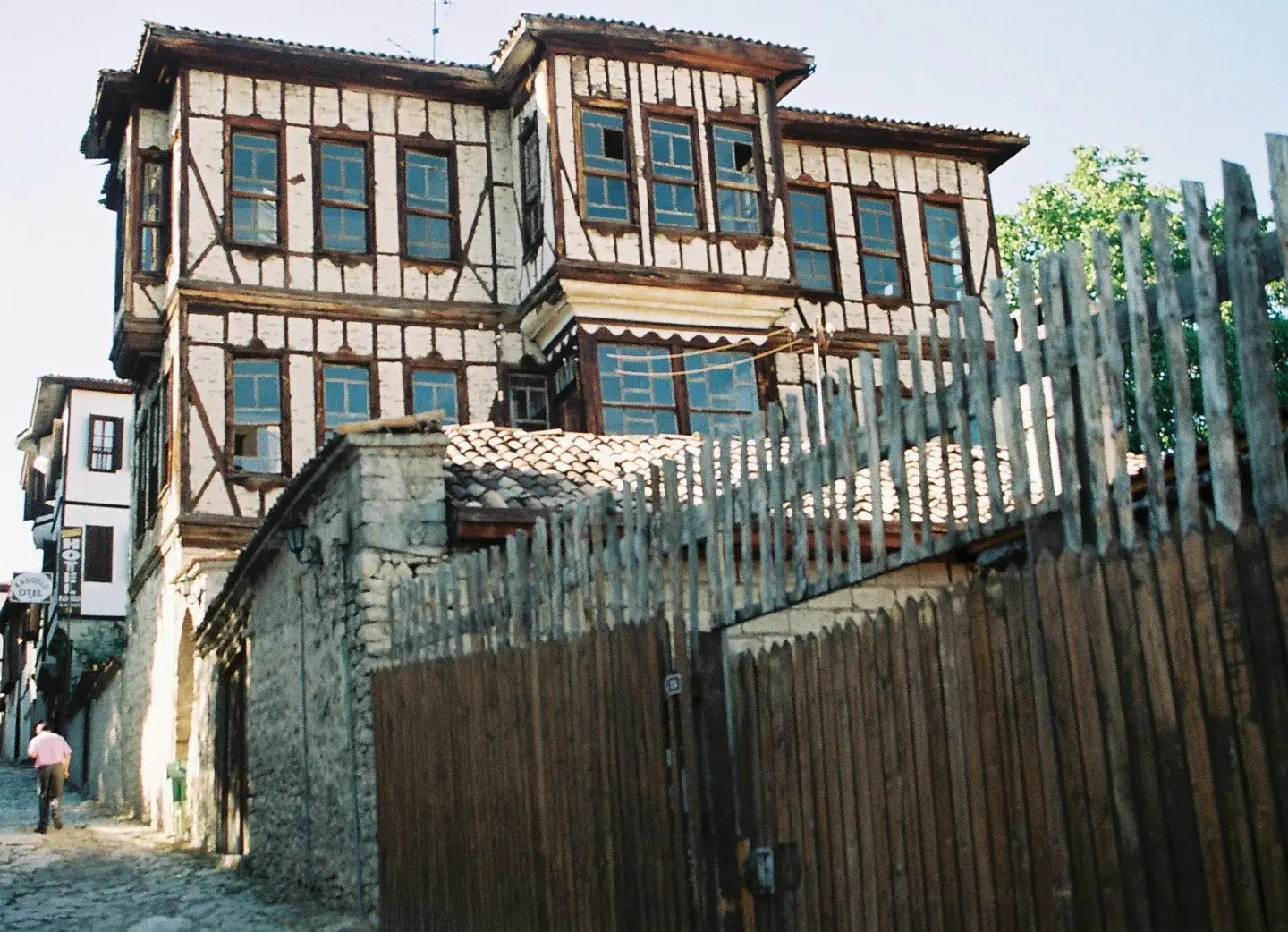
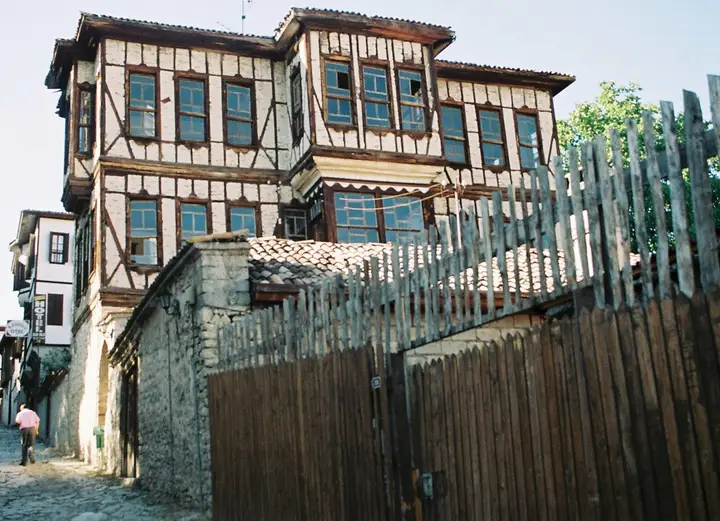 Photo: Makalp (CC BY-SA 3.0) · Source