Getting to Know Kastamonu
Kastamonu lies in the interior of the Western Black Sea region, in the valleys between the Küre Mountains and the Ilgaz Mountains; the province stretches from İnebolu, Cide and Abana on the Black Sea coast in the north to Tosya in the south. On land that was part of ancient Paphlagonia, Pompeiopolis (near today’s Taşköprü), founded by Pompey in the Roman period, was the centre of the region. The name of the city is believed to come from Kastra Komnenon (“the fortress of the Komnenoi”), built in the 10th century by the Byzantine commander Manuel Erotikos Komnenos.
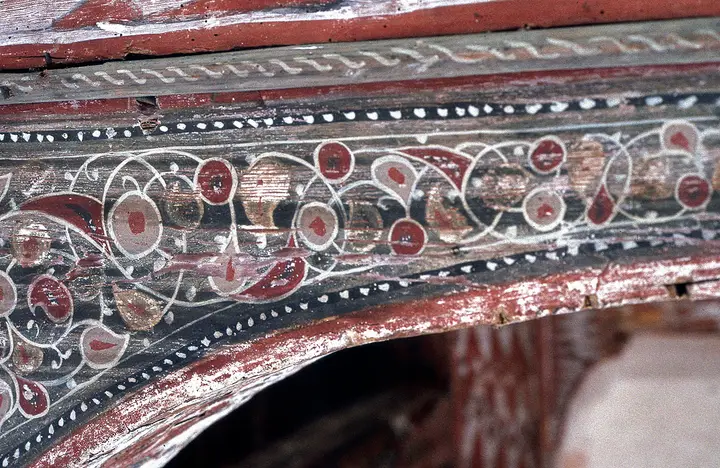
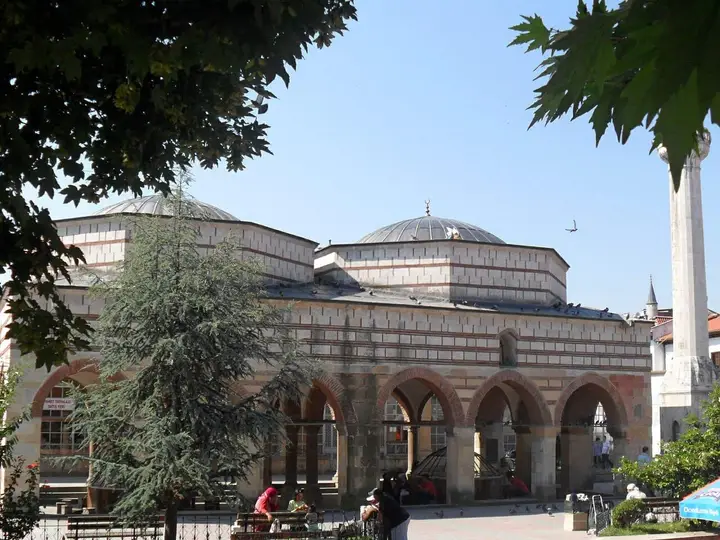
Kastamonu, which was the centre first of the Çobanoğulları in the Seljuk period and then of the Candaroğulları (İsfendiyaroğulları) Principality, joined the Ottoman Empire in 1461. The Kasabaköy Mahmut Bey Mosque (1366), a survivor of the principality period, was inscribed on the UNESCO World Heritage List in 2023, within the “Wooden Hypostyle Mosques of Medieval Anatolia”, for its wooden roof built without metal nails and its painted decoration. The city’s Ottoman-period symbol is the Nasrullah Mosque, built in 1506.
In the War of Independence, ammunition arriving by ship at the port of İnebolu was carried to the front by ox cart along the 344-km İstiklal Yolu (Independence Road), which runs to Ankara via Kastamonu and Çankırı; Şerife Bacı, who froze to death on this road, became the symbol of the struggle of Turkish women. In the summer of 1925, Atatürk launched the Hat Reform with the speeches he gave in Kastamonu and İnebolu.
When to Go
Kastamonu shows features of a transition between the Black Sea and a continental climate: winters are cold and snowy, and summers are mild. The coastal districts are milder and wetter. Averages for 1930–2025 from the Turkish State Meteorological Service (provincial centre):
| Month |
Avg. high |
Avg. low |
Rainfall |
Rainy days |
| January |
3.3 °C |
−4.5 °C |
30 mm |
12 |
| February |
6.2 °C |
−3.4 °C |
27 mm |
11 |
| March |
11.0 °C |
−0.8 °C |
36 mm |
12 |
| April |
16.7 °C |
3.4 °C |
51 mm |
13 |
| May |
21.3 °C |
7.6 °C |
75 mm |
15 |
| June |
24.8 °C |
10.5 °C |
73 mm |
12 |
| July |
27.9 °C |
12.4 °C |
32 mm |
6 |
| August |
28.2 °C |
12.3 °C |
31 mm |
6 |
| September |
24.0 °C |
9.0 °C |
31 mm |
7 |
| October |
18.2 °C |
5.2 °C |
34 mm |
9 |
| November |
11.1 °C |
0.9 °C |
29 mm |
10 |
| December |
5.0 °C |
−2.3 °C |
34 mm |
12 |
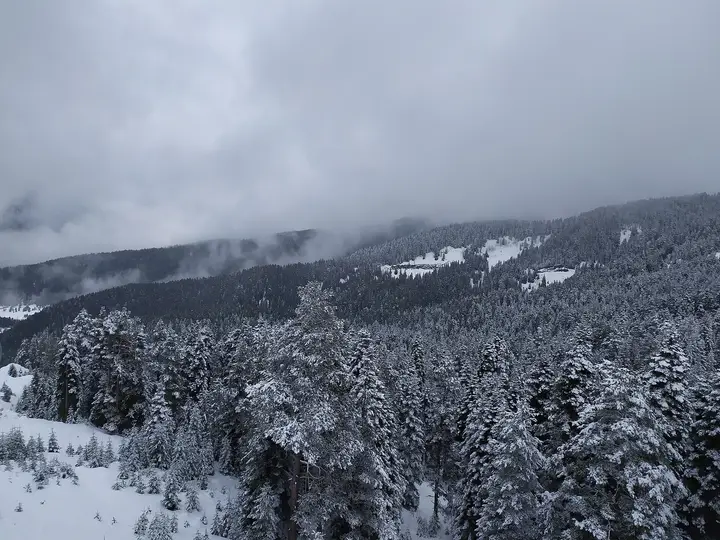
May to October is ideal for the city and the canyons, July–August for the sea and December–March for skiing. Nights in the city centre are cool even in summer. Demanding routes such as Valla Canyon should be attempted only in late summer, when the water level has dropped, and with a guide. The Taşköprü Garlic Festival is held in late August.
How to Get to Kastamonu
By air: Kastamonu Airport (KFS) is about 10 km south-east of the city centre; there are flights from Istanbul.
By road: It is about 240 km (3 hours) from Ankara via the Ilgaz Tunnel and about 100 km from Safranbolu. İnebolu is about 90 km away by the road over the Küre Mountains. There is no passenger train in the province.
Kastamonu Area by Area
- Central district: Kastamonu Castle, the Nasrullah Mosque and its square, the Clock Tower, historic mansions, the Archaeology and Ethnography museums; the Kasabaköy Mahmut Bey Mosque 18 km away.
- Coast (İnebolu, Abana, Cide, Doğanyurt): İnebolu’s mansions and the start of the İstiklal Yolu, Gideros Bay and the hometown of Rıfat Ilgaz at Cide, and the beaches of Abana and Çatalzeytin.
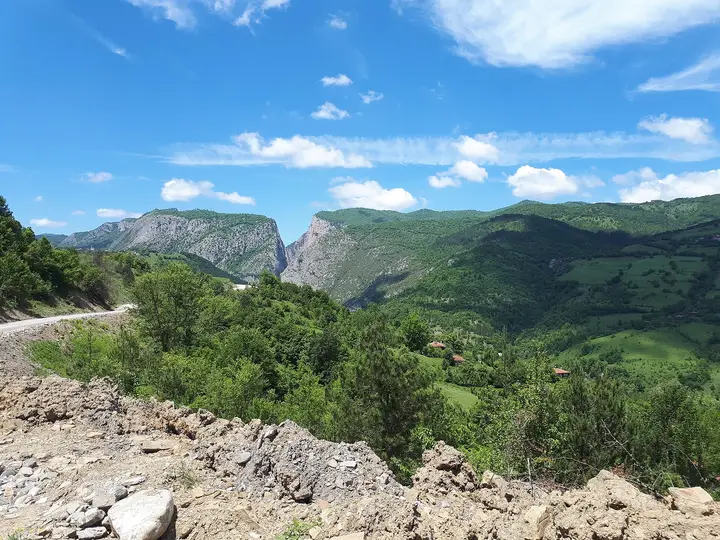
- Pınarbaşı and Azdavay: Küre Mountains National Park, the Valla and Horma canyons, Ilgarini Cave.
- Taşköprü: the ancient city of Pompeiopolis, the historic stone bridge, and the registered garlic and kuyu kebabı.
- Tosya and Ilgaz: registered Tosya rice, Ilgaz Mountain National Park and the ski resort.
- Daday and Araç: highland pastures, forests and village life.
Suggested Itineraries
Day 1 – The city centre: The view of the city from Kastamonu Castle and the Clock Tower; the Nasrullah Mosque, the Archaeology Museum and the mansion streets. Etli ekmek or tirit for lunch, çekme helva in the evening.
Day 2 – The Mahmut Bey Mosque and Taşköprü: In the morning, the painted decoration of the Mahmut Bey Mosque at Kasabaköy; in the afternoon, Pompeiopolis and kuyu kebabı in Taşköprü.
Day 3 – The Küre Mountains: The Horma Canyon walking trail and Ilgarini Cave at Pınarbaşı; the Valla Canyon viewpoint.
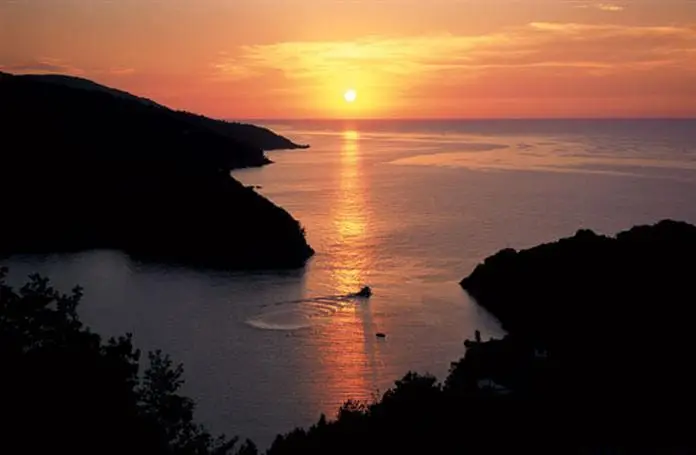
Day 4 – The coast: İnebolu’s mansions and the Şerife Bacı monument, then sunset at Gideros Bay in Cide.
Kastamonu Cuisine
Kastamonu cuisine keeps alive siyez, a primitive wheat that has been grown in these lands for thousands of years: Kastamonu siyez wheat, siyez bulgur and siyez flour all have registered geographical indications. Other registered delicacies are Kastamonu pastırması, Kastamonu çekme helvası (pulled halva), Kastamonu tiridi (bread and broth dish), Kastamonu simidi, Taşköprü kuyu kebabı (pit-cooked lamb kebab), Daday etli ekmeği (meat-topped flatbread), Devrekani hindi banduması (turkey bandırma) and cırık tatlısı, İhsangazi ekşili pilavı (sour pilaf), Pınarbaşı kara çorba (black soup), Araç kül çöreği (ash-baked pastry) and akdene göce çorbası, Cide tarhanası (Cide tarhana soup mix) and ceviz helvası (walnut halva), and Çatalzeytin fındık şekeri (hazelnut sugar). Products are Taşköprü sarımsağı (Taşköprü garlic), Tosya pirinci (Tosya rice), Kastamonu kestane balı (chestnut honey), Kastamonu and İnebolu kuzu kestanesi, Kastamonu üryani eriği (üryani plum) and Kastamonu eğşisi.
Handicrafts
Kastamonu is rich in weaving: Kastamonu taş baskı dokuması (stone-print weaving), Kastamonu çarşaf bağı, Kastamonu örme fanilası (knitted vest), Tosya bıçkısı and Tosya kıl telası, the Evrenye bıçağı (Evrenye knife) and Azdavay local costumes have registered geographical indications.
Practical Tips
- The Mahmut Bey Mosque is a small building inside the village; visit outside prayer times, and the key is held by the village headman (muhtar) or the imam.
- For the canyon routes in the Küre Mountains, a local guide and suitable equipment are essential; do not enter the routes in wet weather.
- Mountain roads between the coast and the interior may be closed by snow in winter.
- It is best to buy Taşköprü garlic at the source after the harvest (July–August).
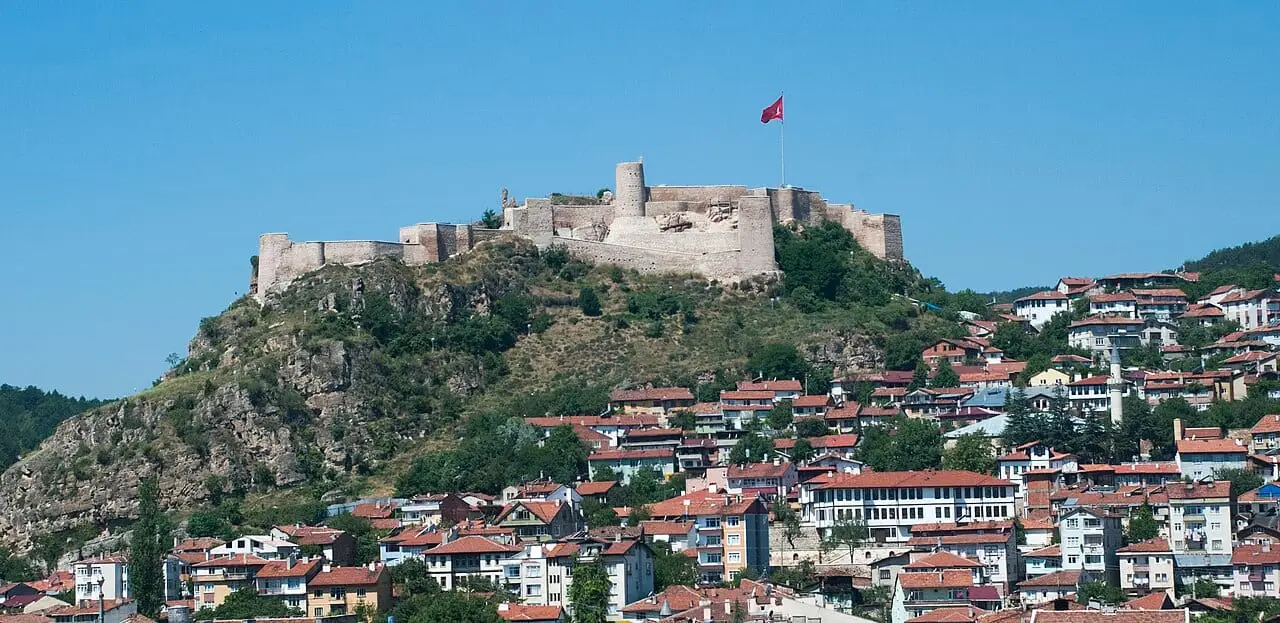
 Photo: Acar54 (CC BY-SA 4.0) · Source