 Photo: Wikipedia (CC BY-SA) · Source
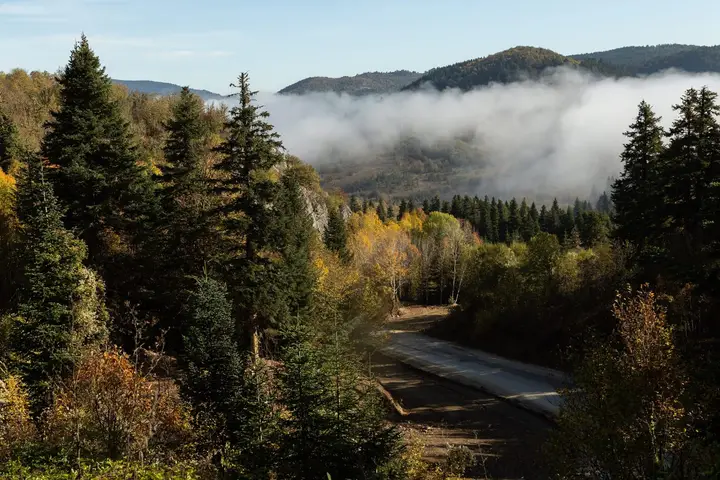
 Küre Dağları National Park
Important nature conservation area within the district boundaries.
View on map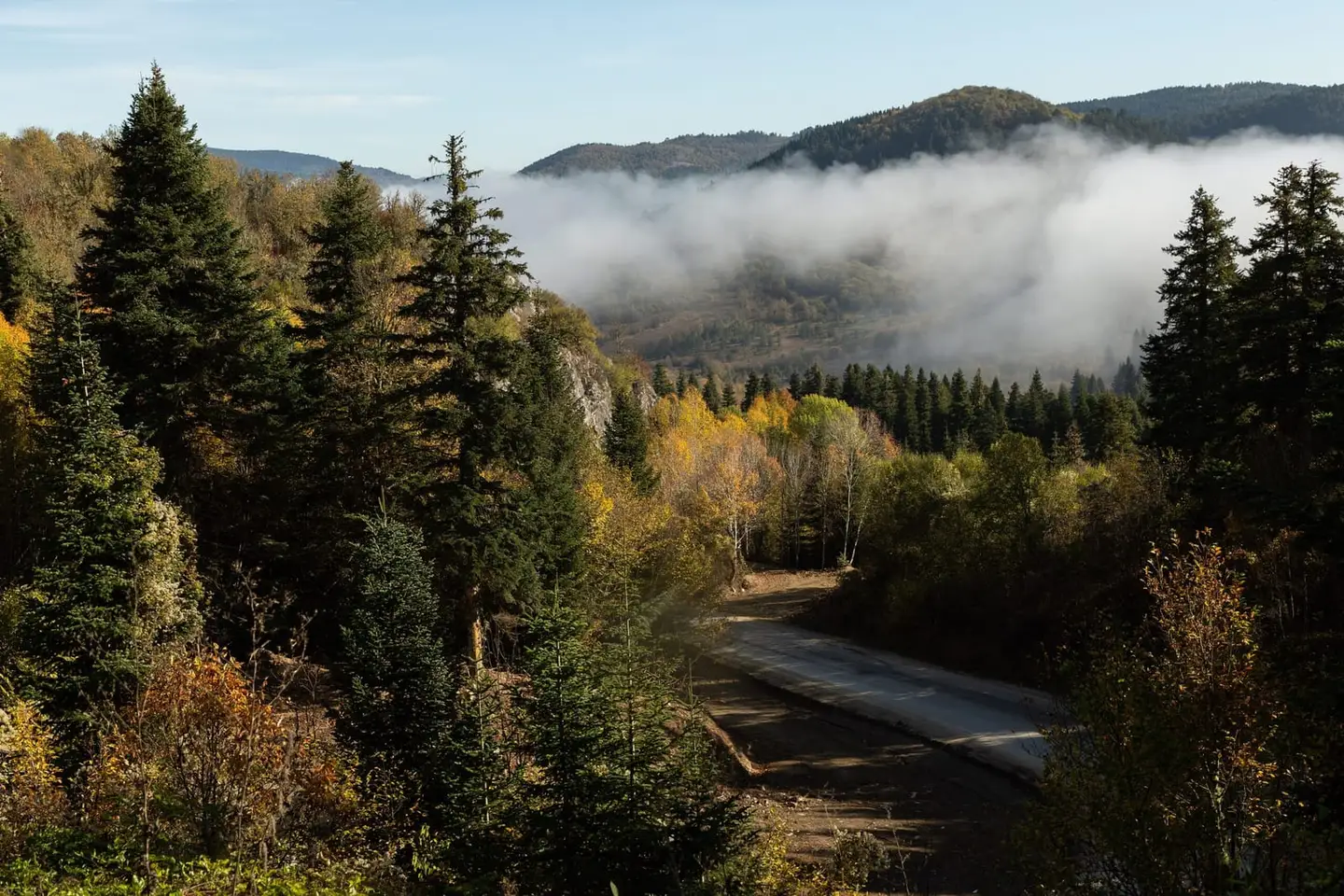 Photo: Wikipedia (CC BY-SA) · Source
 4 places to visit in the Küre district of Kastamonu: Küre Dağları National Park, Ilıca Waterfall and Küre Bakır Madeni Ruins. Plan your trip to Küre with local food, practical tips and transport information.
The district covers 406 km², sits at an altitude of 975 metres and has a population of 5,108. It gained district status in 1926.
Copper mines at Küre have been worked since the 9th century BC and were used by the Romans, Byzantines, Genoese and Turks. The oldest structure in the settlement is the Aşağı Mescit (Lower Masjid), built in 1332 during the Candaroğulları period. In the Ottoman period, the local copper mine supplied the copper for the cannons used in the conquest of Istanbul. In the great fire of 1923 the town was largely destroyed, and its homeless residents were settled in İnebolu.
The Hoca Akşemsettin Mosque, built in the 1400s by Hoca Akşemsettin, is one of the oldest buildings and is known for its woodwork.
Küre lies within the Küre Mountains and has rich natural areas with rivers, waterfalls, canyons and valleys. The world-famous Valla Canyon and Çatak Canyon lie within these boundaries.
Küre’s copper mine remained important in the Ottoman period. Küre was largely burnt in the 1923 fire, and most of its population settled in İnebolu. The Küre Kilim Festival, held since 2009, is now an established tradition.
Last updated:
Photo: Wikipedia (CC BY-SA) · Source Important nature conservation area within the district boundaries.
View on mapIlıca Waterfall at the foot of the Küre Mountains, offering natural beauty as its water falls from a height of 15 metres.
View on mapKüre has been known for copper mining since ancient times. Remains of mine workings from the Ottoman period can still be seen.
View on mapWhile you are in Küre, you can also see the highlights of Kastamonu province. These places are in other districts.
Minced meat spread over thin dough and baked in a stone oven, the traditional flavour of Küre.
Small pieces of dough filled with minced meat and boiled, served with yoghurt and a buttery sauce. Made with fresh, natural ingredients, it is a healthy option.
Küre has been known for copper mining since ancient times. The district's name also comes from the copper ore (küre).
Küre's economy rests on forestry, mining and livestock farming. The Küre Mountains National Park has eco-tourism potential.
Küre is 60 km from Kastamonu. Minibus services run from Kastamonu.
The top 4 places in Küre: Küre Mountains National Park, Ilıca Waterfall, Küre Copper Mine Remains and Hoca Akşemseddin Mosque.
Etli Ekmek and Mantı are the standout dishes on Küre tables.
Küre is known for Küre Honey and its mining heritage. The flower and chestnut honey from the rich flora of the Küre Mountains is known for its natural character.
Küre is 60 km from Kastamonu. Minibus services run from Kastamonu.
Suggested visit: 1 day. Best time to visit: spring and autumn.